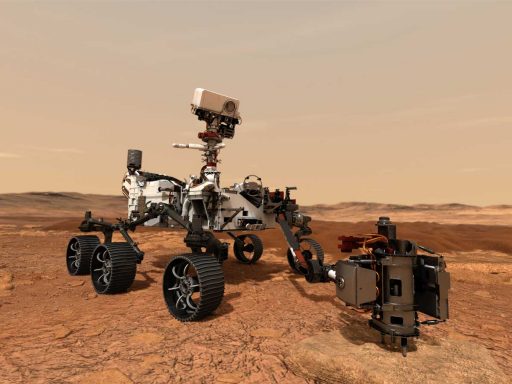
Space curator Doug Millard explores the upcoming NASA mission to Mars, and how this will pave the way for future exploration of the red planet.
Space curator Doug Millard explores the upcoming NASA mission to Mars, and how this will pave the way for future exploration of the red planet.
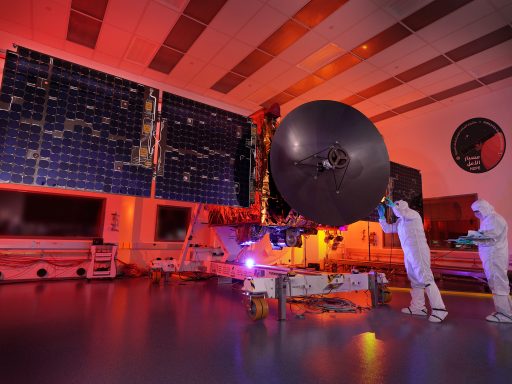
As the Hope mission to Mars prepares to launch, we spoke to the spacecraft lead about the mission.

For over 5000 years alloys have been vital to innovation, science and technology. Assistant Curator Emma MacNicol explores some of the uses of these remarkable metals.
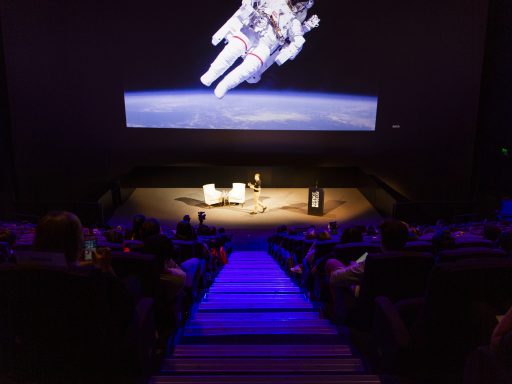
Over 400 school pupils packed into the Science Museum IMAX Theatre in London on 16 October for a special Q&A with the UK’s first European Space Agency astronaut, Tim Peake.
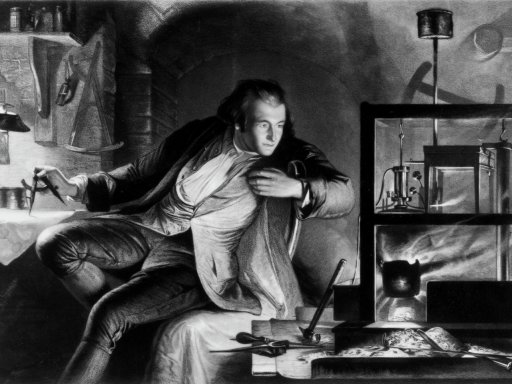
We explore the life and work of James Watt.
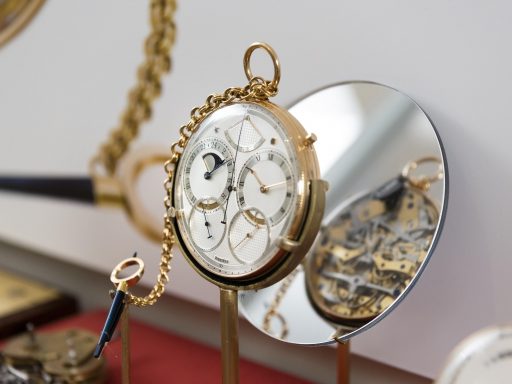
This week we announced a rather special addition to the Clockmakers’ Museum.

The first non-stop transatlantic flight took place in June 1919. We explore what happened next…
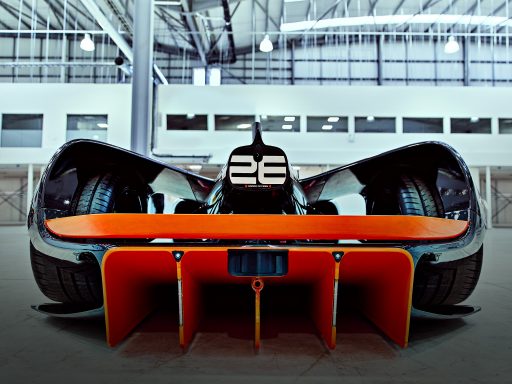
Driverless vehicles use artificial intelligence to guide themselves without human intervention. The Science Museum’s new exhibition, Driverless: Who is in Control? opens today and explores how these technologies could soon influence our lives.
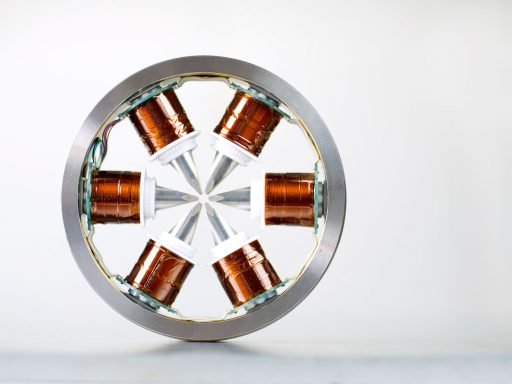
Roger Highfield, Science Director at the Science Museum Group and judge of the European Inventor Award introduces this year’s finalists and explains how to vote for your favourite.
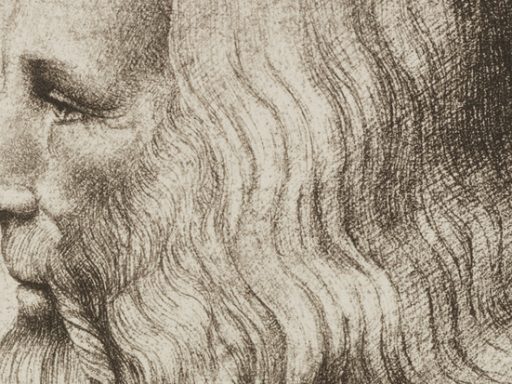
500 years after his death, we reflect on the life and ideas of Leonardo da Vinci.
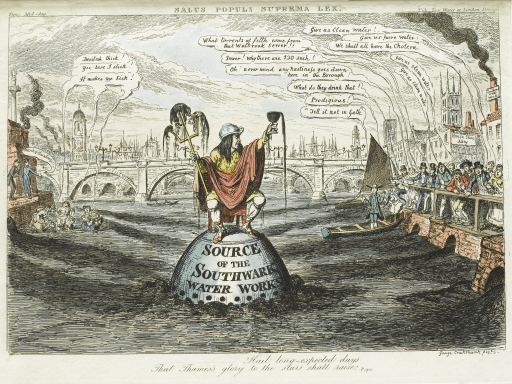
On 28 March 1819, Joseph William Bazalgette was born, known for transforming London’s sewage system and improving the health of Victorian Londoners.

Roger Highfield, Director of External Affairs, glimpses the future of navigation.