Tape-players and tape-recorders were perhaps the most important instruments for many of electronic music’s pioneers, and for the staff of the BBC Radiophonic Workshop in particular. With few electronic instruments existing, early sonic explorers were forced to adapt and abuse existing technologies, and practices such as tape-splicing soon became vital tools in the search for new sounds. Since then, the situation has changed dramatically for most musicians and electronic instruments and equipment have become ever more accessible and affordable. Or […]

It’s not just our younger visitors who love drawing their ideas down on paper whilst inside our Launchpad gallery – adults do too!
Like most curators, I’m always on the look-out for interesting stories and things that capture public interest. So it won’t be much of a surprise to find I’ve been watching and reading Call the Midwife by Jennifer Worth. Call the Midwife chronicles the work of the author as a midwife in the East End of London in the 1950s. As you would expect we have a large collection of objects relating to midwifery and obstetrics. The piece of kit that caught […]
Last time we looked at a curious fire-powered organ invented by Strasbourg’s Fréderic Kastner in 1873. The instrument wasn’t a great success, but Kastner’s family connections brought it a certain amount of acknowledgement. While he “was not a distinguished physicist …he had a rich and influential mother who, it has been said, encouraged him in the development of the pyrophone in order to provide him with an occupation that would keep him out of mischief”. Amongst Mme Kastner’s acquaintances was […]
The 14 February 1876 is a very significant date in the history of the telephone. On that day both Alexander Graham Bell and Elisha Gray filed papers with the US Patent Office for a working telephone. Following a dispute Bell’s patent was granted and published on the 7th of March 1876. Recently some historians have suggested that the dispute may have been resolved so quickly because Bell found a way to incorporate some of Gray’s ideas into his patent applications – but what could […]
There’s more to the relationship between fire and music than simply bad metaphors and innuendos, as I learnt this week at Blythe House. In a dark corner of the Science Museum’s storage facility sits a small, awkward-looking wooden box with intriguing glass pipes sprouting out of it. However, this unassuming little object just so happens to be one of the world’s last remaining pyrophones, an instrument which, as the name suggests, combines fire and sound! Patented by the Strasbourg-born musician and scientist Fréderic […]
Today, people around the world are celebrating Charles Dickens’s 200th birthday. Hopefully they’ll enjoy themselves more than Dickens himself did on a youthful birthday outing: ‘Slow torture’ … ‘it was awful’ … ‘very alarming’ … ‘I thought if this were a birthday it were better never to have been born’. Dickens looked back on this beleaguered birthday in an All the Year Round article of 1863. The subject of his ire was an astronomical lecture, a popular entertainment of the time. The young […]
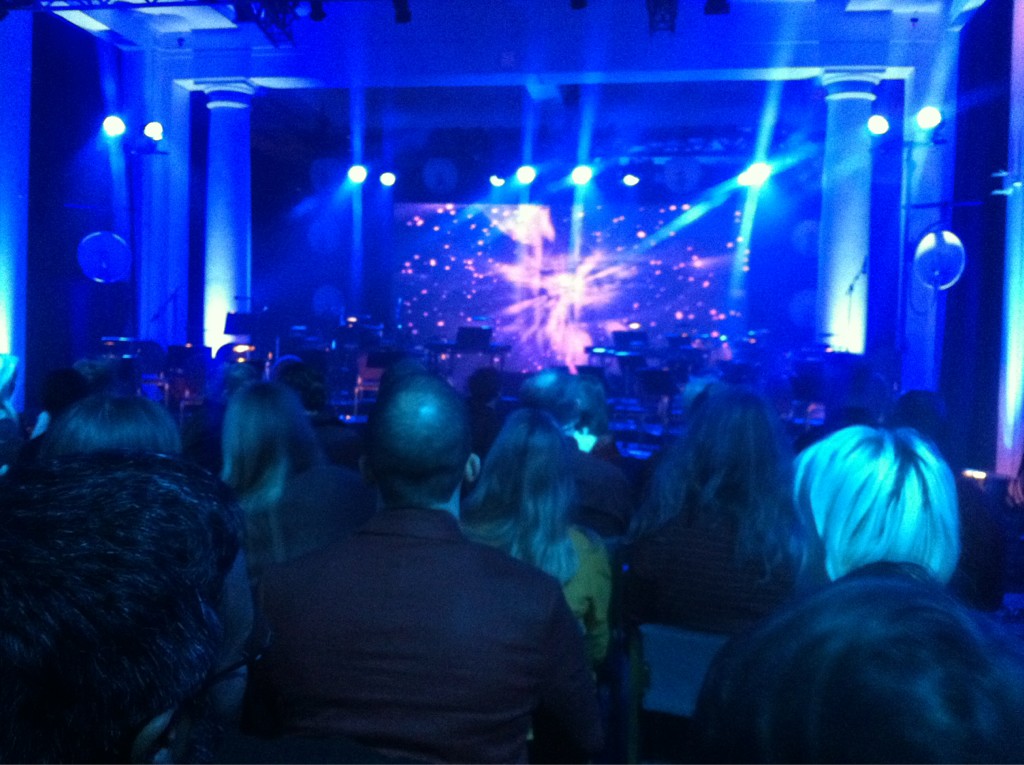
Behind the scenes at Beyond the Stars, an audiovisual journey through space fimed live at the Science Museum. Find out what really goes on behind the scenes of a live orchestral recording.
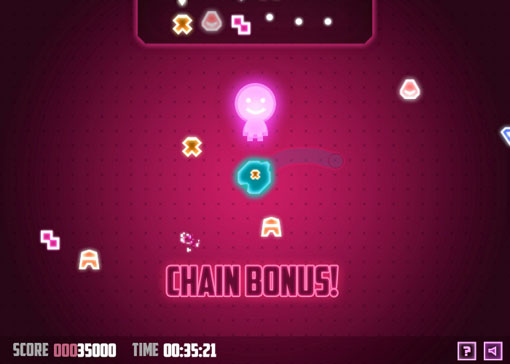
Find out what robotic lobsters and genetically engineered bugs have in common in our new game Futurecade
When I was asked to help develop ideas about early radio broadcasting for a proposed new gallery at the Science Museum I soon realised that I needed help to build up my knowledge quickly. I began with the usual resources – I read some books, looked online and scoured our collection for likely looking objects to explore. While all of these resources could provide me with a technical understanding of the history of radio, I struggled to get a grasp […]
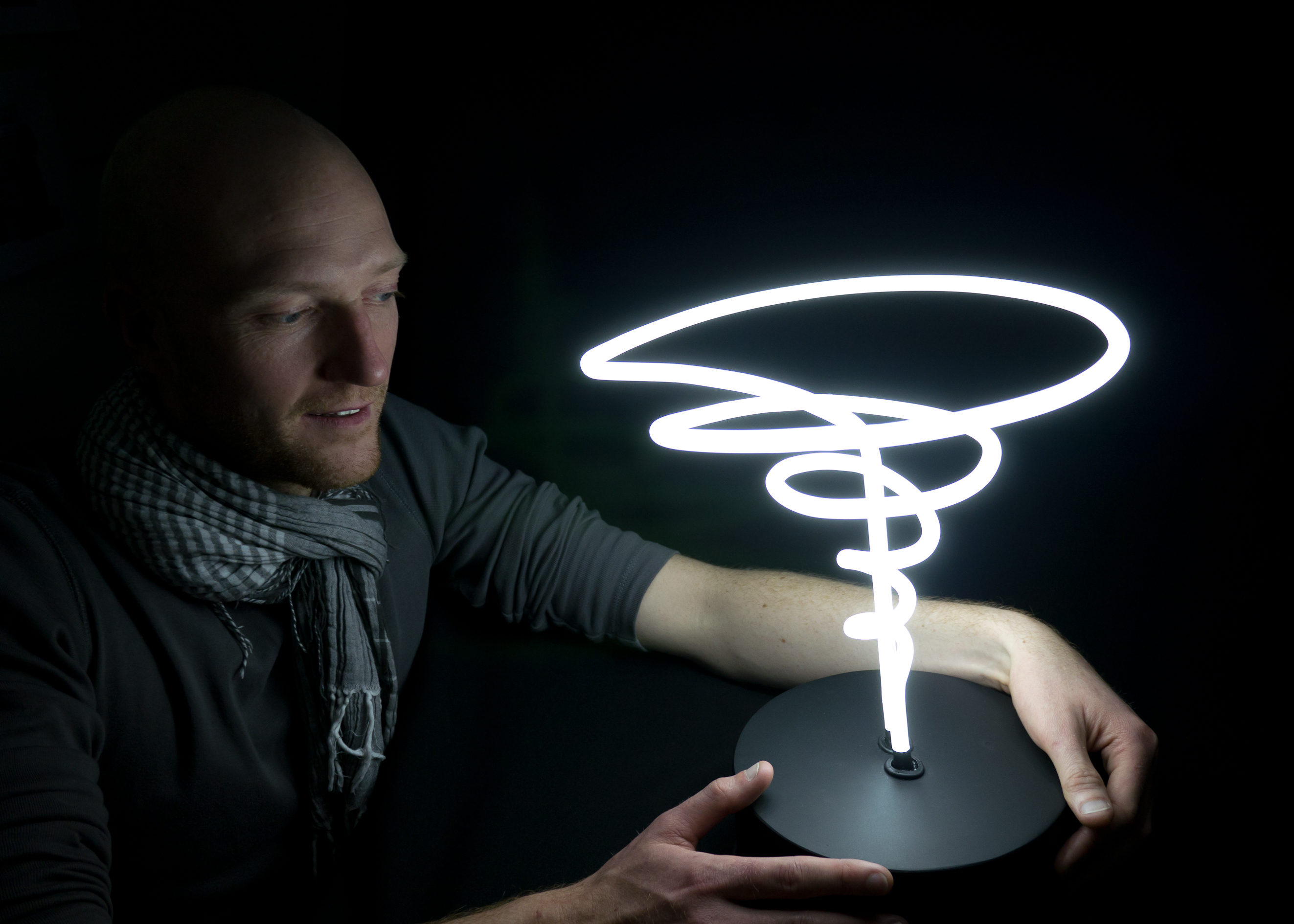
Mark Champkins our Inventor in Residence talks about the inspiration behind the ‘black hole light’ he created for Stephen Hawking’s 70th birthday.
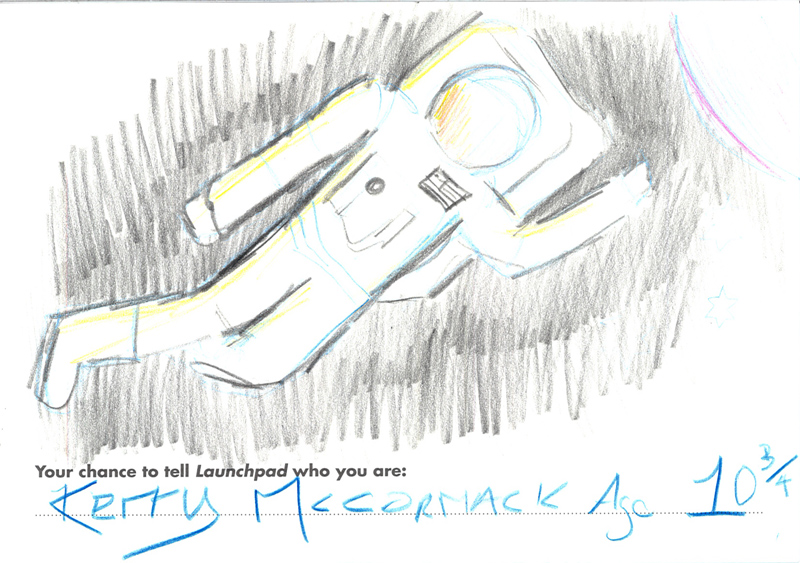
Astronauts, rockets and multi-coloured stars – visitors to our Launchpad gallery seem to have space on the brain.