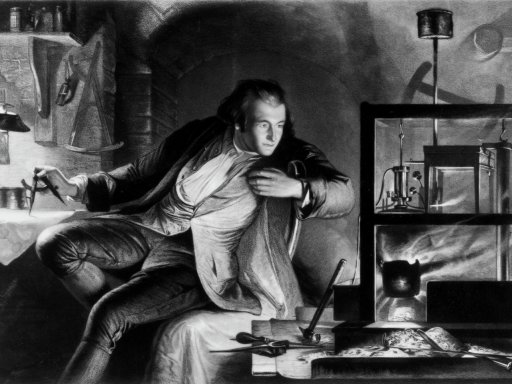
We explore the life and work of James Watt.
We explore the life and work of James Watt.
Bookings open today for a free exhibition to showcase the Royal Photographic Society’s first Science Photographer of the Year competition, says judge and Science Director Roger Highfield.
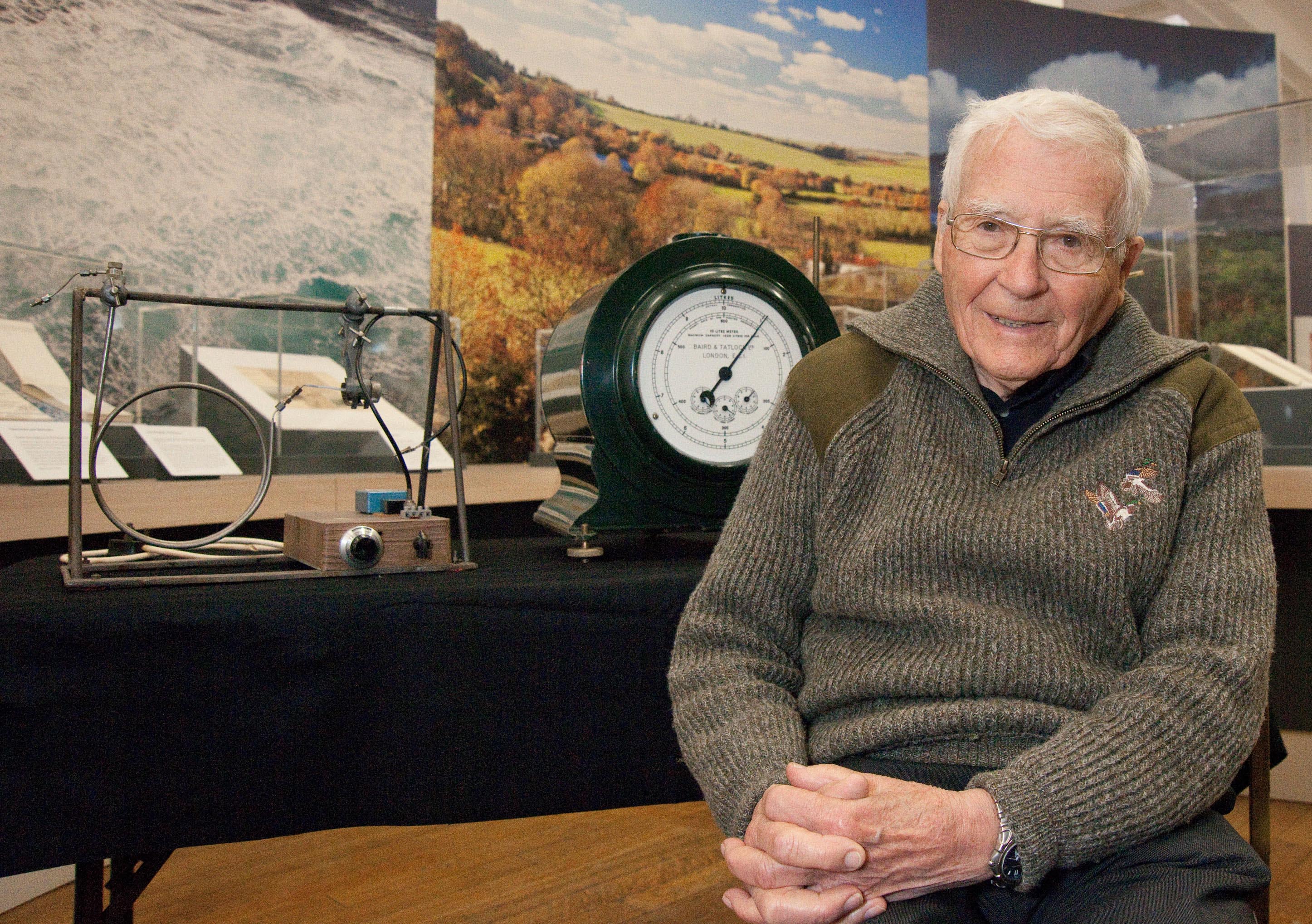
As we celebrate James Lovelock’s 100th birthday, Roger Highfield reflects on his scientific achievements.
As our exhibition ‘IVF: 6 Million Babies Later’ closes we explore the news that the first genome edited babies have been born.
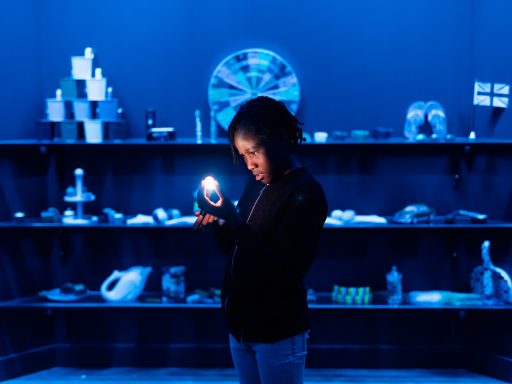
As courses at the new Science Museum Group Academy begin, Kate Davis and Micol Molinari explore how asking questions about Harry Potter and Fortnite could help encourage science engagement.
In anticipation of the clocks changing we look at how Daylight Saving Time affects our health and well-being.
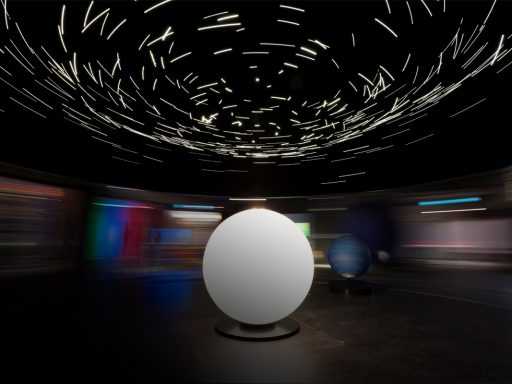
We asked our very own Explainers about their favourite exhibits in Wonderlab. Here’s what they said.
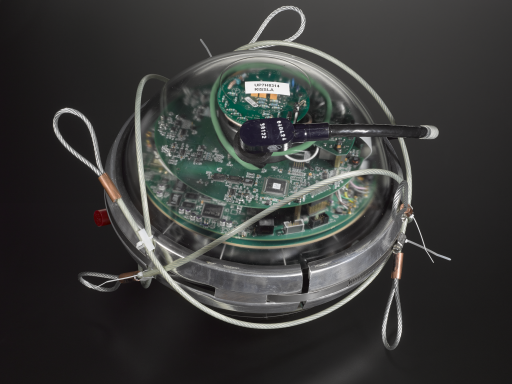
In exciting news, a source of cosmic rays has been detected almost 4 billion light years away. Keeper Alison Boyle unravels this cosmic mystery.
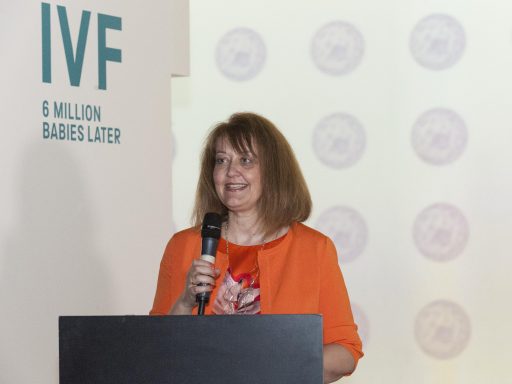
Sally Cheshire CBE, chair of the Human Fertilisation and Embryology Authority describes the advancements in IVF over the past 40 years.

Connie Orbach, curator of new exhibition IVF: 6 Million Babies Later, explores the pioneering work of Jean Purdy, a central figure in the development of IVF.
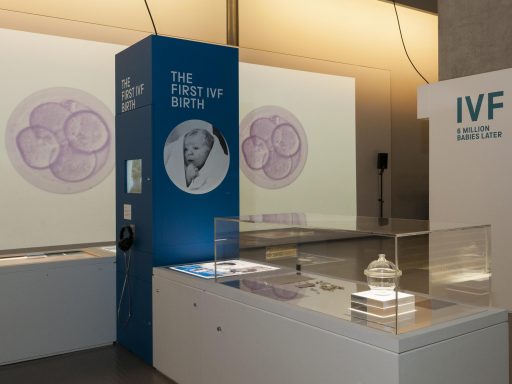
Today we celebrated the launch of our new exhibition IVF: 6 Million Babies Later.
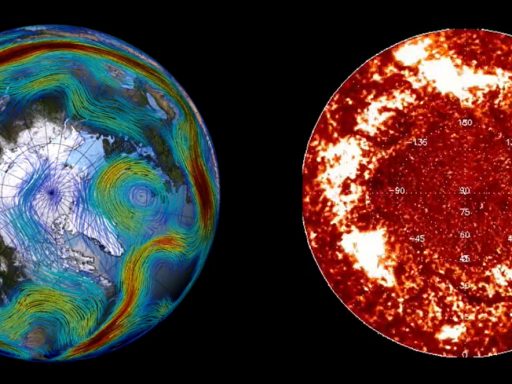
Roger Highfield, Director of External Affairs, describes efforts to predict solar storms as the museum prepared to launch a major new exhibition about the Sun.