
Ron Fogelman, Producer of ‘The Twilight Zone’ stage production, looks at the inextricable link between science and science fiction.
A number of guest authors, from scientists to artists, contribute to our blog, taking you behind the scenes, exploring the incredible objects in our collection, our award-winning exhibitions and the scientific achievements making headlines today.
Ron Fogelman, Producer of ‘The Twilight Zone’ stage production, looks at the inextricable link between science and science fiction.
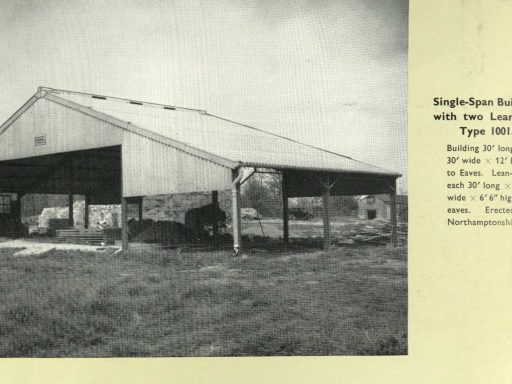
CJ Crennell and John Underwood investigate trade literature from the Science Museum’s Library and Archive.
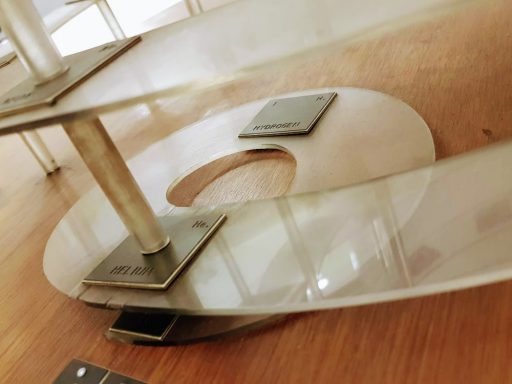
With this year being the International Year of the Periodic Table, it’s an exciting time to be a chemist.
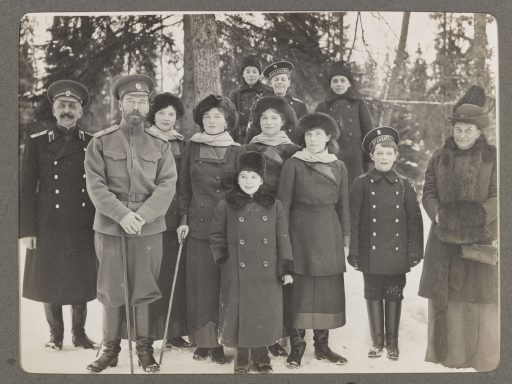
Haemophilia played a major role in the downfall of the Russian royal family – but they were not the only royal house to feel its effects.
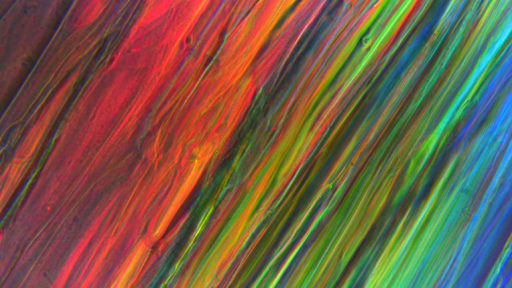
As part of our season of events celebrating 150 years of the periodic table, we invited chemists from the University of Cambridge to display their work showcasing the chemistry of colour. Researcher Tom Parton shares more.

A panel chaired by Jarvis Cocker discussed the advancing technology in music and where artificial intelligence might lead us. Chris Bell explores more.
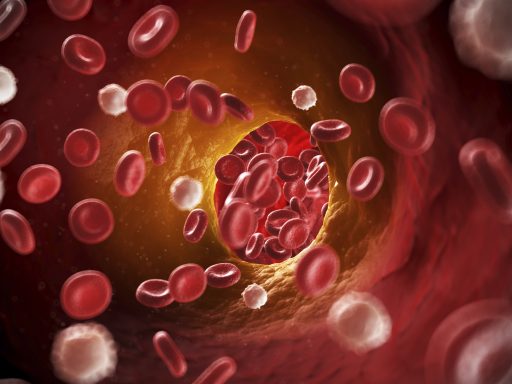
As part of our recent exhibition The Last Tsar: Blood and Revolution, rare disease expert, Dr Matthew Lumley, explains how the future is much brighter for people living with haemophilia today.

A ceremony in which two lions were ‘woken up’ when their eyes were dotted by His Excellency Ambassador Liu Xiaoming, the Chinese Ambassador to the UK, and Sir Ian Blatchford, Director of the Science Museum Group, marked the start of a new era in cooperation between the Group and China.
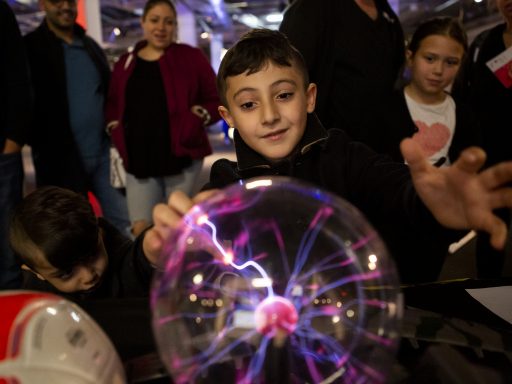
Now 2018 has come to an end, Aran Shaunak celebrates the Science Museum Group’s contribution to the Year of Engineering.
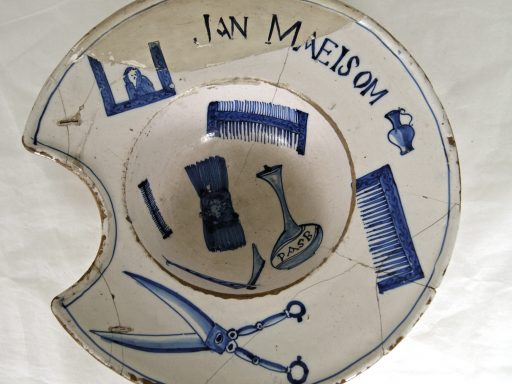
Conservator Marisa Kalvins has been busy restoring damaged objects set to go on display in our upcoming Medicine Galleries, including this 18th century shaving bowl. She reveals more about the intricate process and explains why repairs are important to an object’s history.

Dr. Heather Kappes from the London School of Economics and Political Science (LSE) investigates how and why we spend our money the way we do, as part of a Live Science residency at the Science Museum.
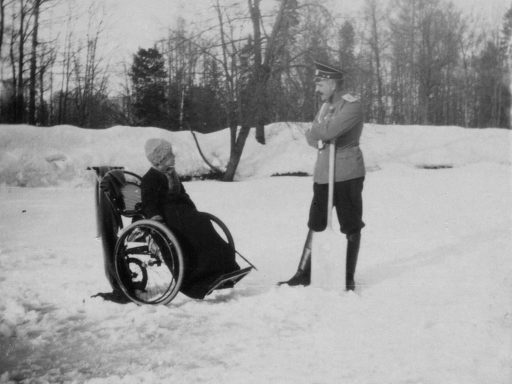
Having visited our exhibition The Last Tsar: Blood and Revolution, Luke Pembroke reflects on what it’s like to live with haemophilia today.