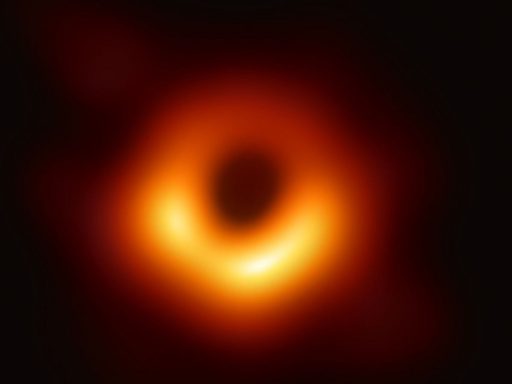
The first image of a black hole was unveiled today, shedding new light on the most extreme, inscrutable and enigmatic objects in the cosmos.
Explore the work of our contemporary science team who run the Tomorrow’s World Gallery. In partnership with the BBC the gallery inspires visitors with the latest scientific inventions and explores the impact they could have on our future.
The first image of a black hole was unveiled today, shedding new light on the most extreme, inscrutable and enigmatic objects in the cosmos.
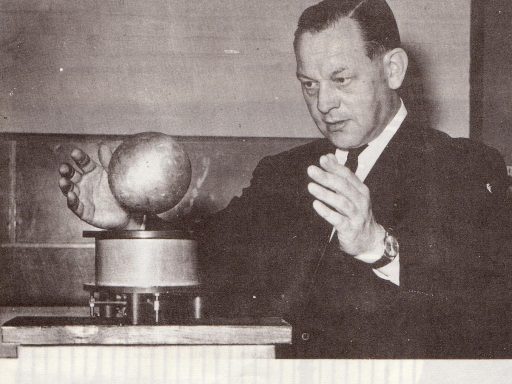
Associate Curator Rupert Cole explores the story of a forgotten Doctor Who script written by British electrical engineer, Eric Laithwaite.
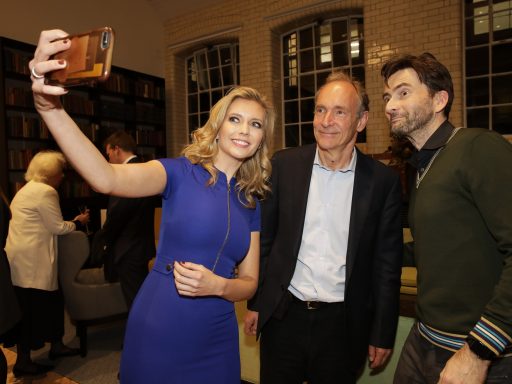
With half the planet online, Sir Tim Berners-Lee marks web’s 30th birthday with a plea for global action to challenge its excesses.
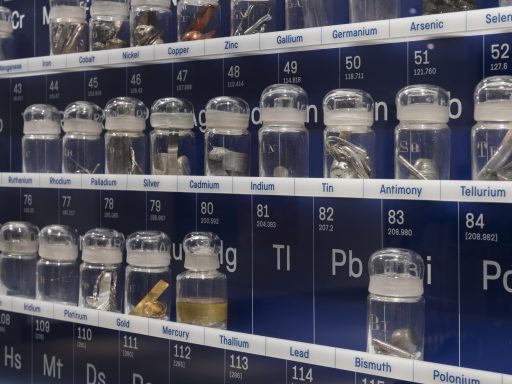
To celebrate 150 years of Dmitri Mendeleev’s periodic table, the Science Museum has unveiled a new display.
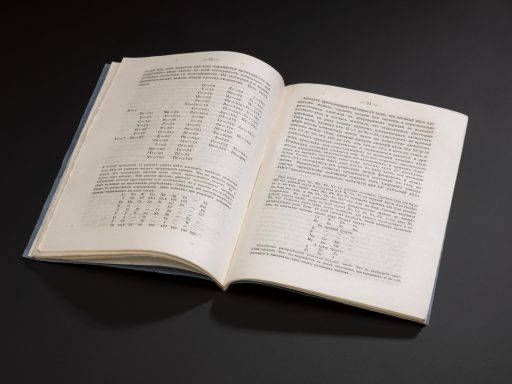
As the International Year of the Periodic Table of Chemical Elements launches, we take a look at the story behind the scientific icon.
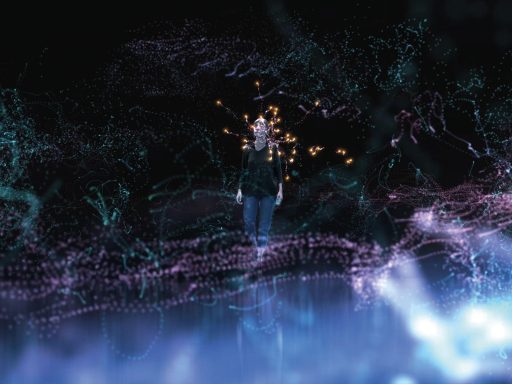
Launching in 2020, we explore an exciting new collaboration set to reimagine the future of museum experiences.

The ill-fated UK hunt for Martian life that was to begin on Christmas Day 15 years ago has since grown hugely in significance, reports Roger Highfield.
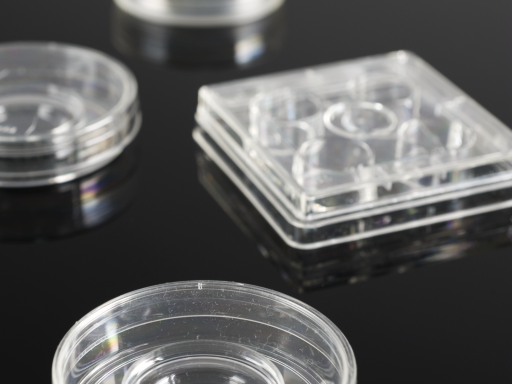
As our exhibition ‘IVF: 6 Million Babies Later’ closes we explore the news that the first genome edited babies have been born.
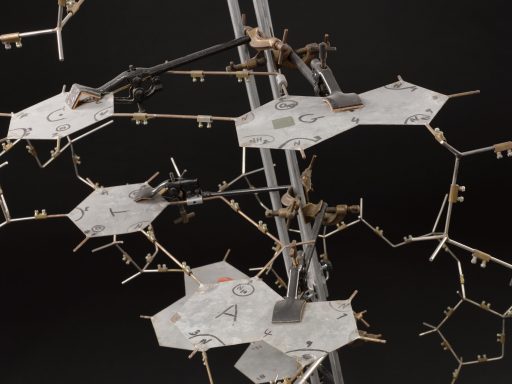
Chief Scientific Adviser to the UK Government Dr Patrick Vallance spoke to Roger Highfield at the last Science Museum Lates about Brexit, gene editing and artificial intelligence.
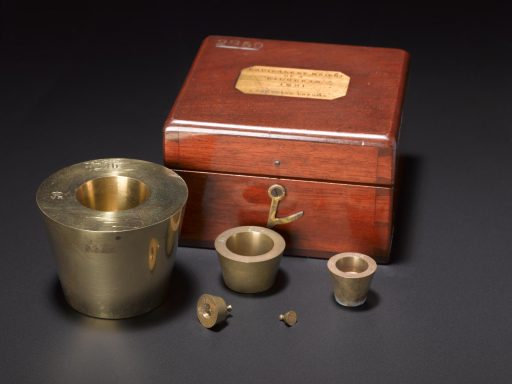
This week, the kilogram will be redefined. But what does this mean for scientists and engineers, and for those of us beyond the science lab? Dr Jane Desborough, Curator of Scientific Instruments, explains more.
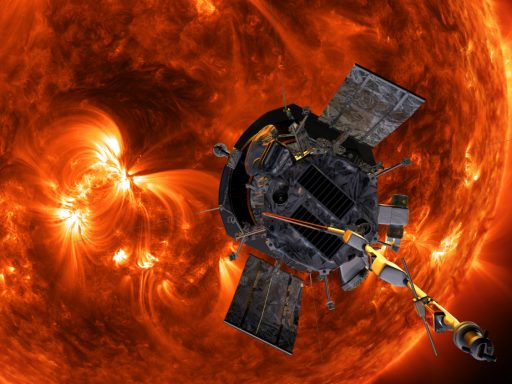
Lead curator of our recent exhibition The Sun: Living With Our Star, Dr Harry Cliff, marks the first perihelion of NASA’s Parker Solar Probe – its record-breaking approach to the Sun.
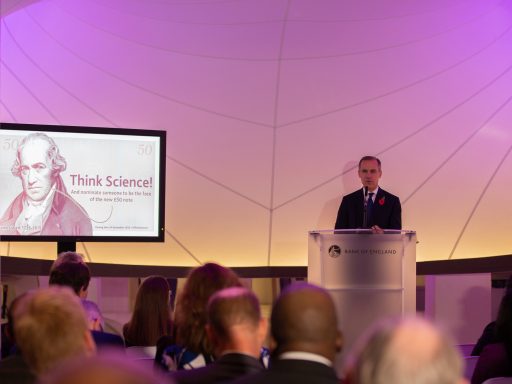
The Governor of the Bank of England, Mark Carney, visited the museum to announce that the new £50 note will celebrate the UK’s contribution to science.