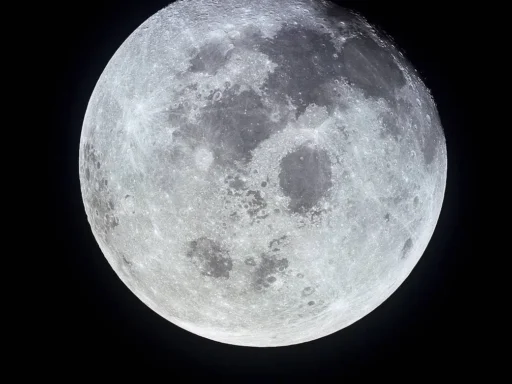
Millions have watched in awe as NASA’s Artemis II mission flew four astronauts around the Moon, further than humans have ever gone before, and returned them safely to the Earth.
Explore the work of our contemporary science team who run the Tomorrow’s World Gallery. In partnership with the BBC the gallery inspires visitors with the latest scientific inventions and explores the impact they could have on our future.
Millions have watched in awe as NASA’s Artemis II mission flew four astronauts around the Moon, further than humans have ever gone before, and returned them safely to the Earth.
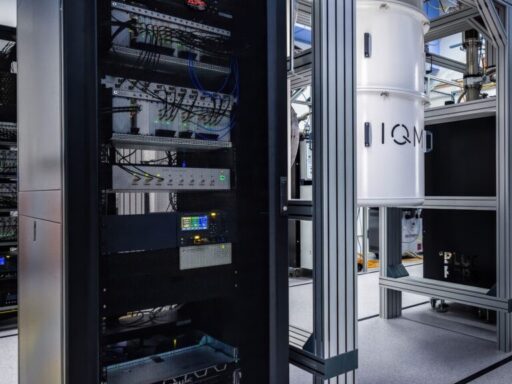
A London university team has shown that quantum computers can make AI smarter -and help design better drugs. That is exactly the kind of work Britain’s new £2bn bet on quantum technology aims to boost, reports Science Director Roger Highfield.
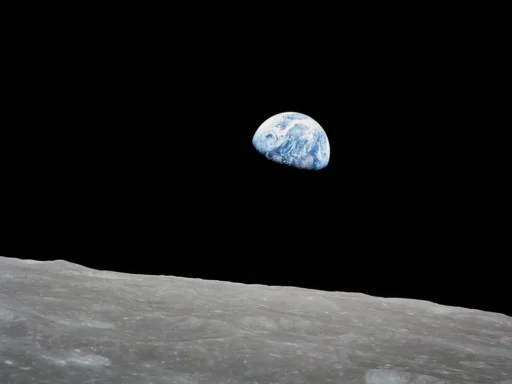
With NASA’s Artemis II mission on its way to the Moon, Doug Millard reflects on humanity returning to our nearest neighbour for the first time in over 50 years.
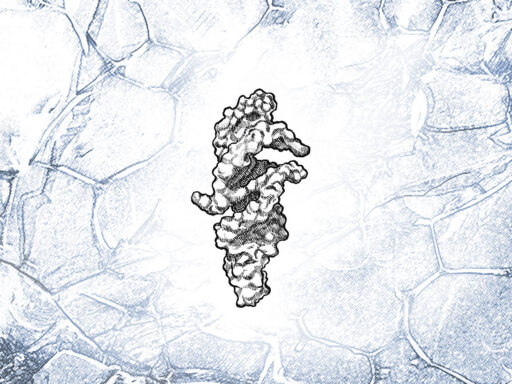
A tiny self-copying molecule offers the clearest answer yet to the mystery of the origins of biology, reports Science Director Roger Highfield.
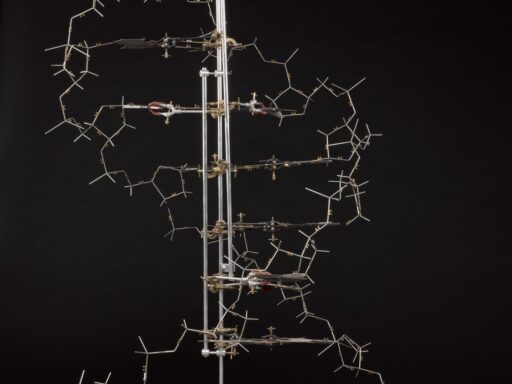
Science Director Roger Highfield and Curator Sarah Bond talk to the American molecular biologist David Liu about his new gene editing strategy that, remarkably, addresses a common cause of around a third of genetic diseases.
Roger Highfield, Science Director, describes the first real stride toward writing human genomes from scratch.
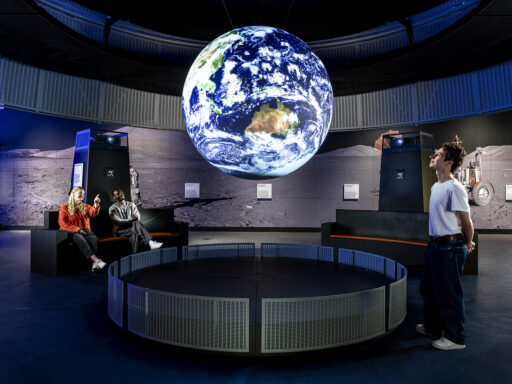
Rockets grab attention, but satellites keep Britain running. Libby Jackson, Head of Space, agrees with the conclusions of a new House of Lords report: understanding space is not a luxury — it’s critical for the nation.
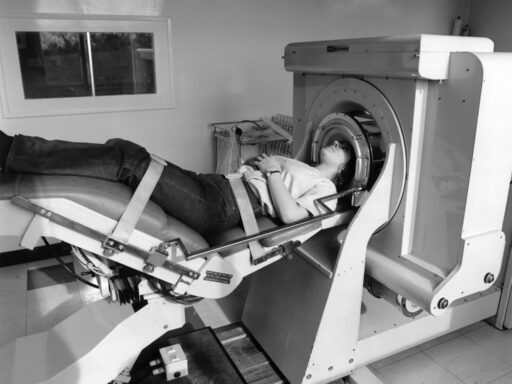
To mark World Stroke Day, Assistant Curator Alana Surowiec explores some of the incredible objects in the collection that have transformed how this life-threatening condition is diagnosed and reflects upon her own personal experience.
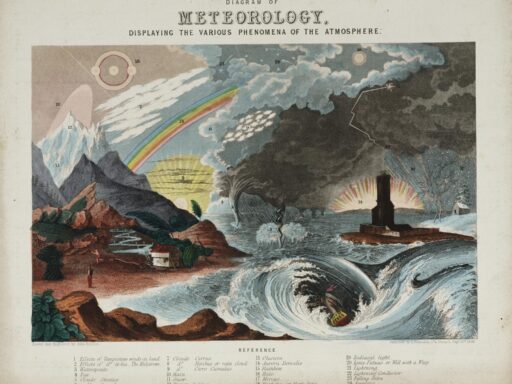
With AI and cloud computing, the Met Office is poised to transform how—and where—we see the weather coming, reports Science Director Roger Highfield.
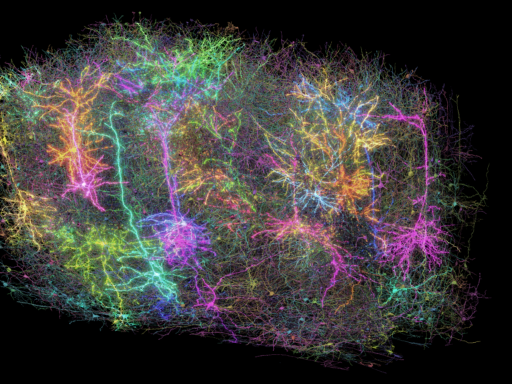
Roger Highfield, Science Director, reports on the latest milestone in what is billed as the most complicated neuroscience experiment ever.
Roger Highfield, Science Director, gazes into his crystal ball to glimpse the experiments, projects and innovations that will make headlines in the coming year.
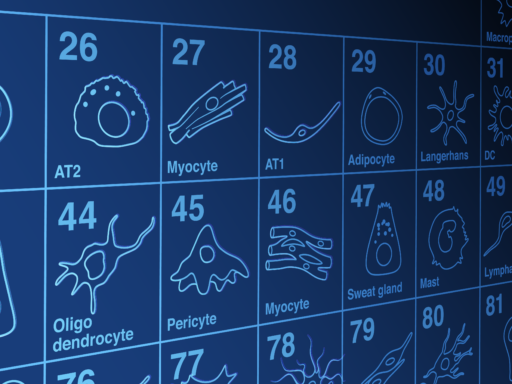
The Human Cell Atlas will revolutionise medicine, reports Science Director, Roger Highfield.