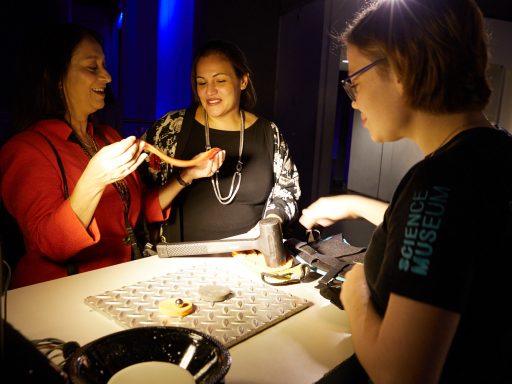
The Science Museum Group this week launched its Academy, a major initiative to tackle the skills shortage in STEM fields and ignite the curiosity of the next generation.
The Science Museum Group this week launched its Academy, a major initiative to tackle the skills shortage in STEM fields and ignite the curiosity of the next generation.
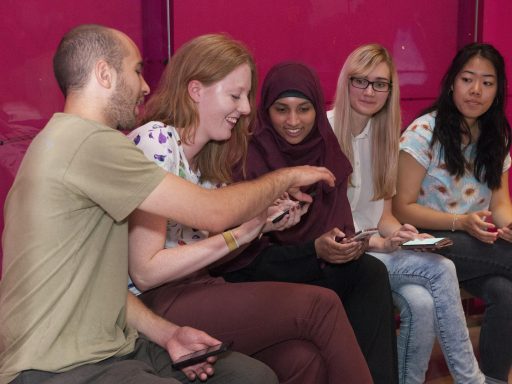
In our latest Live Science residency, researchers from Middlesex University are investigating different kinds of memory.
Imagine if the displays at our great national museums never changed; no temporary exhibitions, the same objects on gallery and therefore the same ones in storage.
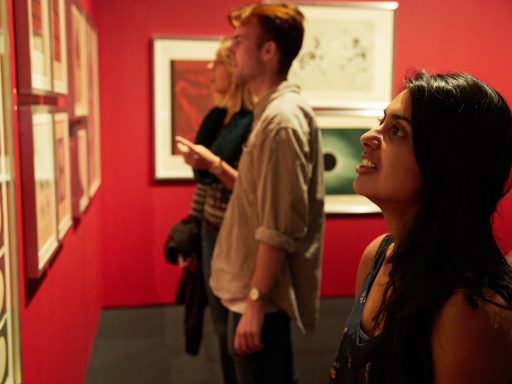
A blockbuster exhibition exploring humanity’s ever-changing relationship with our nearest star launched at the Science Museum.
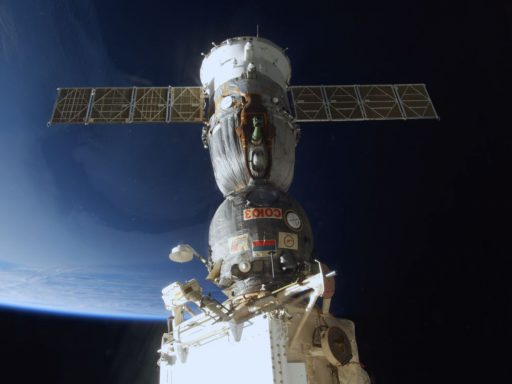
To mark the largest space event on Earth, we’re diving into our galleries and collections to discover the objects and activities that tell the story of international space exploration.
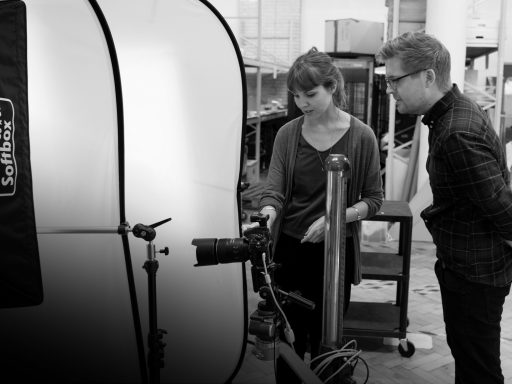
Go behind the scenes with Kira as she delivers the first round of photogrammetry training to Science Museum Group colleagues and creates 3D models of our collection.
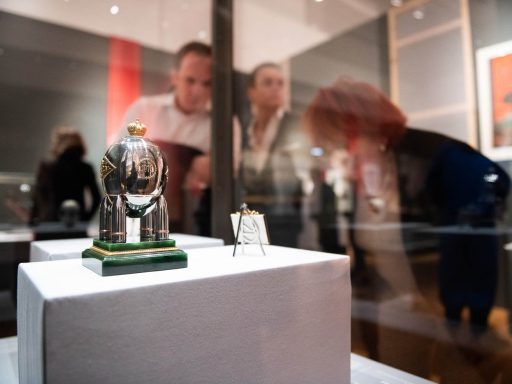
Roger Highfield, Director of External Affairs, on the launch of new exhibition The Last Tsar: Blood and Revolution.
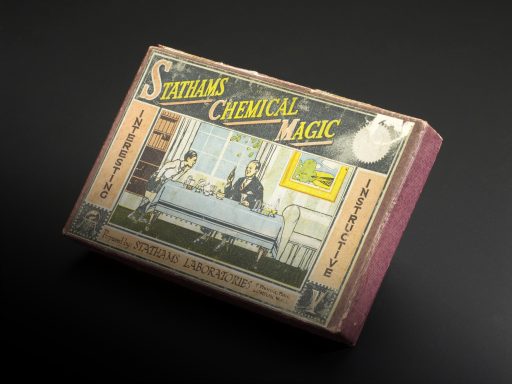
Hazardous chemicals and potential explosions were all once part of the joy of owning a home chemistry set. Associate Curator, Rupert Cole, explores the history of the ever-popular children’s toy.
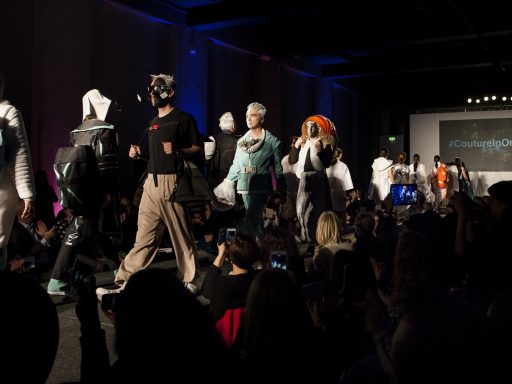
Ahead of Science Museum Lates’ 10th birthday celebrations, Cultural Events Manager Scott McKenzie-Cook looks back at some of the highlights from the past decade.
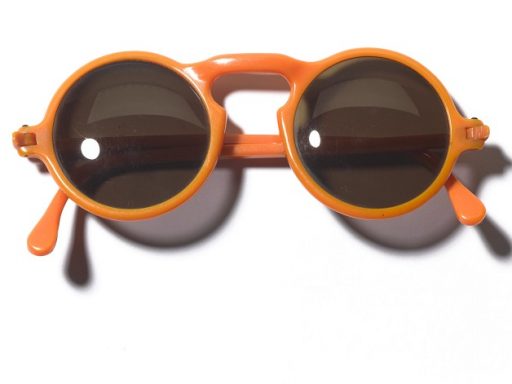
Ahead of London Fashion Week, we’re looking back at how the Sun has helped inspire trends in the colours and clothes we choose to wear.
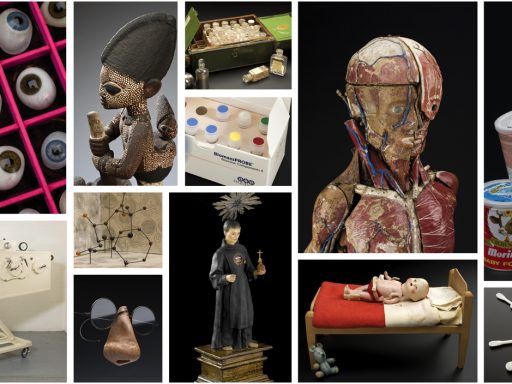
Take a look at the new galleries and exhibitions currently in the works at the Science Museum.
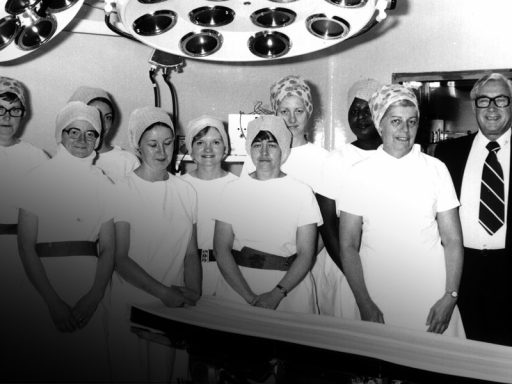
John Webster recalls his time working alongside Muriel Harris, who played an important and integral role in the development of IVF research.