Could the Higgs be the end of particle physics? We’re still a long way from answering one of the biggest questions of all, says Dr Harry Cliff, Head of Content on our Collider exhibition.
Roger Highfield, Director of External Affairs at the Science Museum celebrates the 2013 Nobel Prize for Physics ahead of the opening of our Collider exhibition next month.
X&Y, a new play that asks big questions about the universe, opens next week at the Science Museum before transferring to the Manchester Science Festival later this month. We spoke to Dermot Keaney, X&Y’s Co-Creator and Director. I am a co-creator and the director of X&Y. My role is to help Marcus du Sautoy and Victoria Gould, the actors in the show, tell their amazing story and create a play that will be enjoyed by audience of all ages and […]
Next week the Science Museum welcomes mathematics professor Marcus du Sautoy and actress-mathematician Victoria Gould for X&Y – playful new theatre that explores some of the biggest questions about our universe using maths. To celebrate, we’ve teamed up with HegartyMaths.com to run a competition to win a pair of tickets to the show. It runs from 10 – 16 October at the Science Museum. To enter, simply retweet this. Good luck! A word from HegartyMaths HegartyMaths is set up and […]
Katie Maggs, Curator of Medicine blogs on a rather special surgery performed at the Palace.
Tanya, our Learning Resources Project Developer, blogs on discussing a mission to Mars in the classroom.
Charlotte Connelly is a content developer on Information Age, an exciting new gallery about information and communication, opening in September 2014. This week over in the Information Age team we passed an exciting marker. Instead of counting the time to the gallery opening in years, for the first time we’ve slipped into counting in weeks and months. It seemed like a good opportunity to reflect on what we’ve done so far, and some of the interesting things we still have to […]
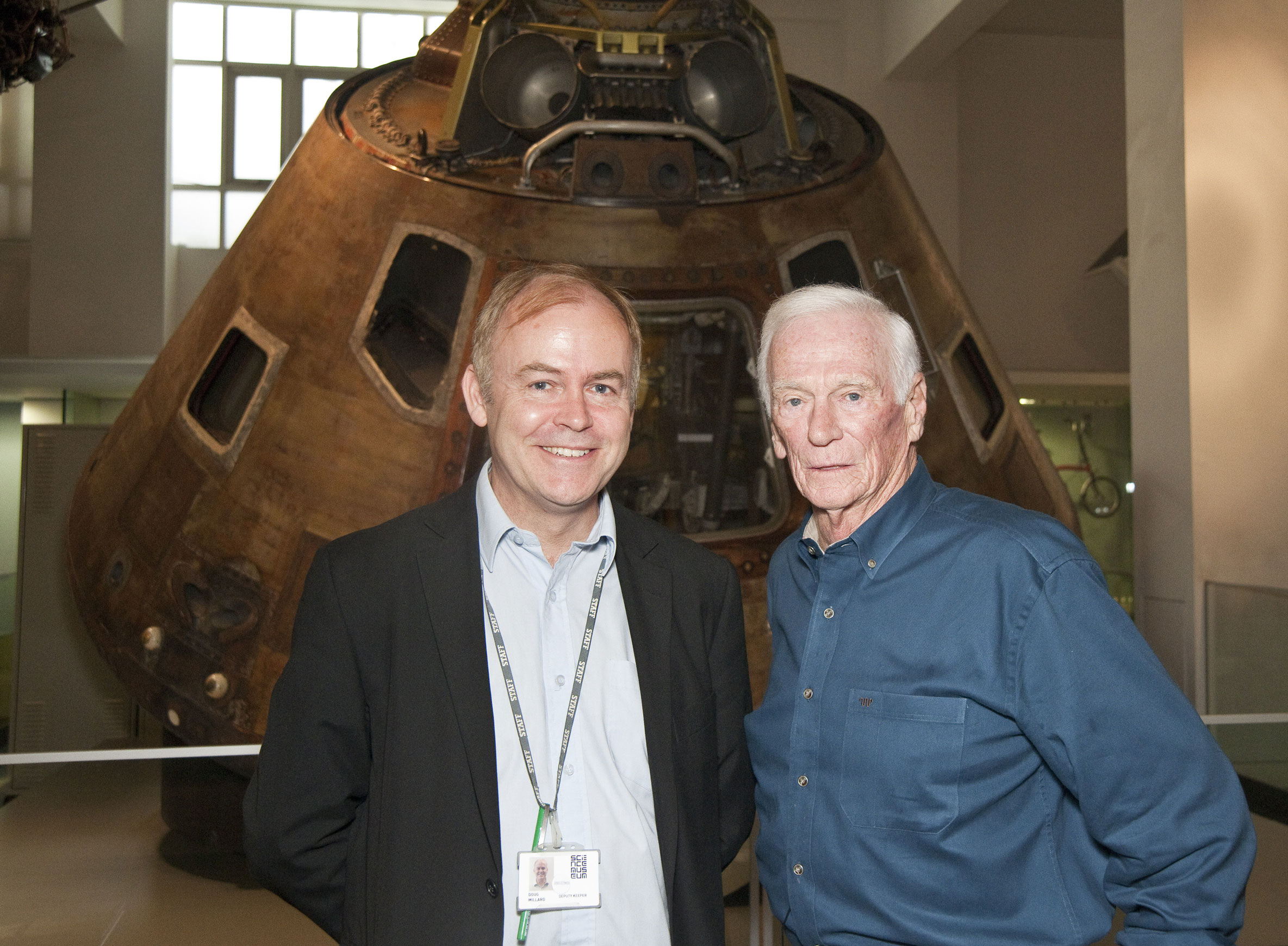
Gene Cernan, the last man on the moon, visited the Museum for a tour of our space technologies collections and to see his old spacecraft with Curator Doug Millard.
Content Developer Rupert Cole on unboxing objects from CERN for Collider, a new Science Museum exhibition opening in November 2013.
Outreach officer Laura talks about the Science Museum’s new education links with China The Science Museum recently hosted a very special visit from the Science Theatre Group from the Dongguan Science and Technology Museum (DGSTM) in China. Much like our Explainers here at the museum, the theatre group performs free science shows for visitors at the DGSTM – the main difference being their performers are mostly between the ages of 6 and 12 years! Kitted out with beautiful costumes and having […]
A global Q&A session, better known as Ask a Curator Day, takes place on Wednesday (18th Sept). Will Stanley, who manages the @sciencemuseum Twitter account, explains more…
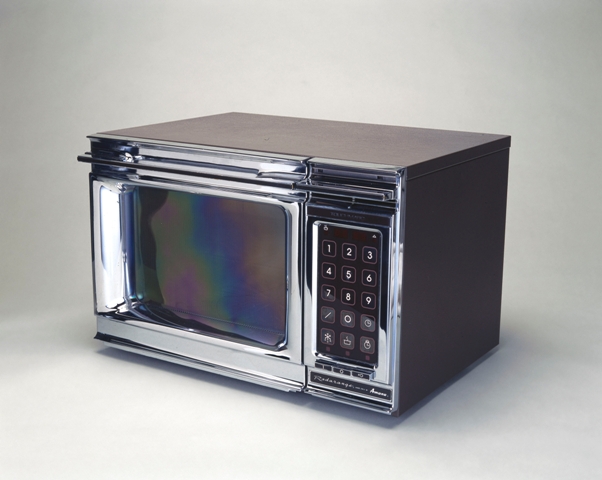
Rosanna Denyer, from our Learning Support Team, writes about an often overlooked object from the museum collection.