Phew..! Finally the moment you’ve all been waiting for: the resolution to last week’s incredibly dramatic cliff-hanger ending! Here’s the second part of our interview with electronic musician, circuit bender and all-round nice guy Andy Wheddon: Click here to listen to the podcast. Guest blog post from Robert Sommerlad, a musician and Science Museum research assistant.
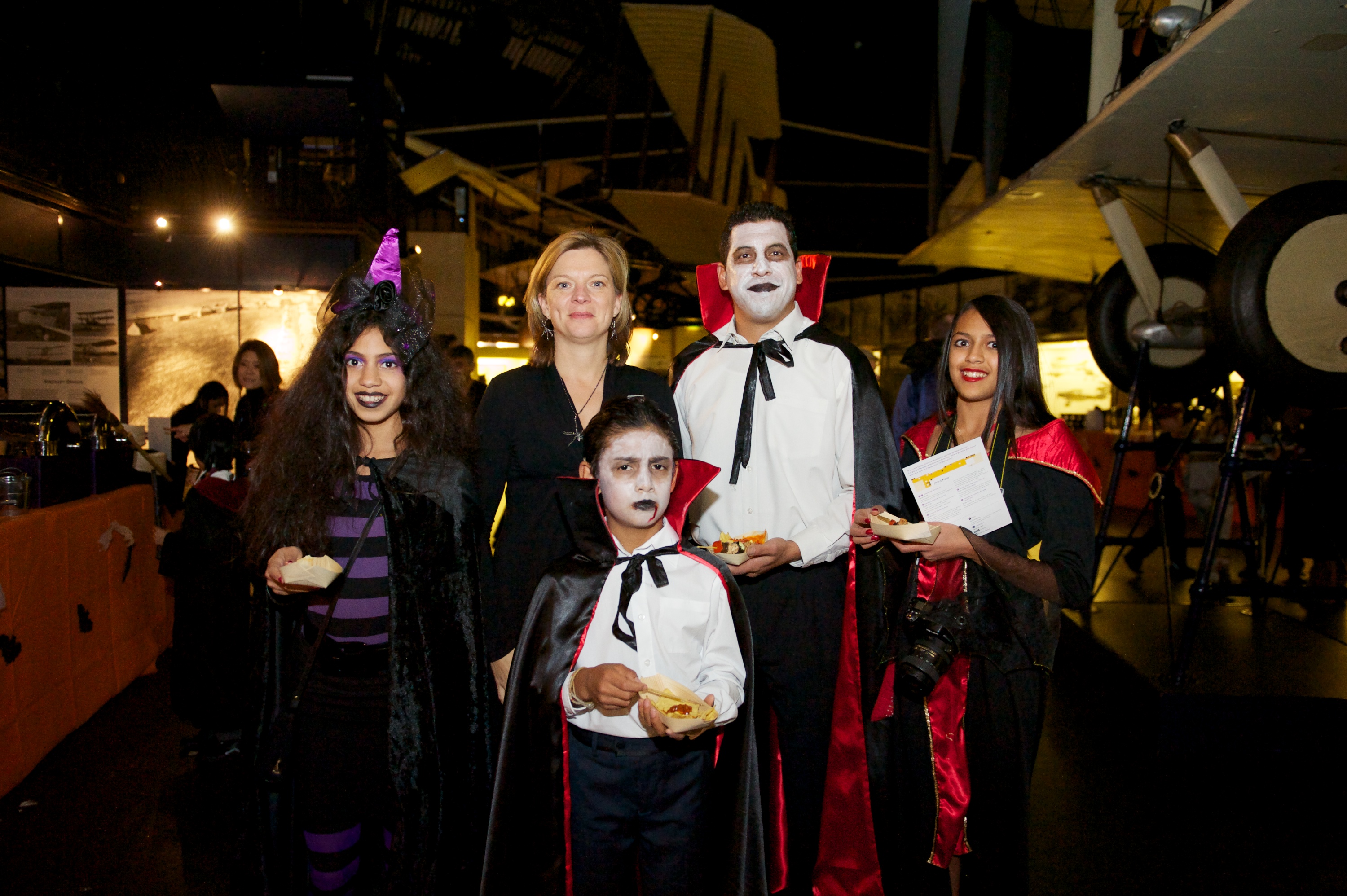
Ghostly goings on dominated our Flight gallery last Friday as over 400 corporate members and members of the museum dusted off their finest spooky outfits to join the Development Team for their annual Halloween Evening.
Collecting stuff is generally the bit I like most about my job. That’s probably why I’ve got a bit over excited about the new acquisitions we’ve made related to synthetic biology – from no other than Tom Knight widely described as the “father” of the discipline. Synthetic biology is research that combines biology and engineering. Sounds like genetic engineering by another name? Well yes, but it goes much further. It looks to create new biological functions not found in nature, […]
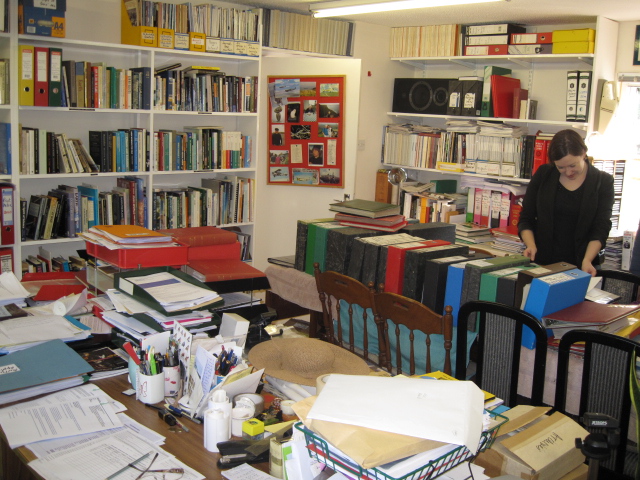
It’s an amazing image to conjure with: the 23-year old James Lovelock, our most famous independent scientist, cradling a baby in his arms who would grow to become the world’s best known scientist, Stephen Hawking.
Lovelock told me about this touching encounter during one of his recent visits to the Science Museum, a vivid reminder of why the museum has spent £300,000 on his archive, an extraordinary collection of notebooks, manuscripts photographs and correspondence that reveals the remarkable extent of his research over a lifetime, from cryobiology and colds to Gaia and geoengineering.
At around 1.15 pm, on 21st October 1805, a small projectile (shown in the above engraving), fired at a range of about 50ft, passed into Admiral Horatio Nelson’s left shoulder and, ricocheting against bone, tore a path through his upper body before passing into his lower back. The musket ball took with it fragments of the his coat and its epaulette which remained attached after it came to rest. Nelson died a few hours later as the Battle of Trafalgar drew […]
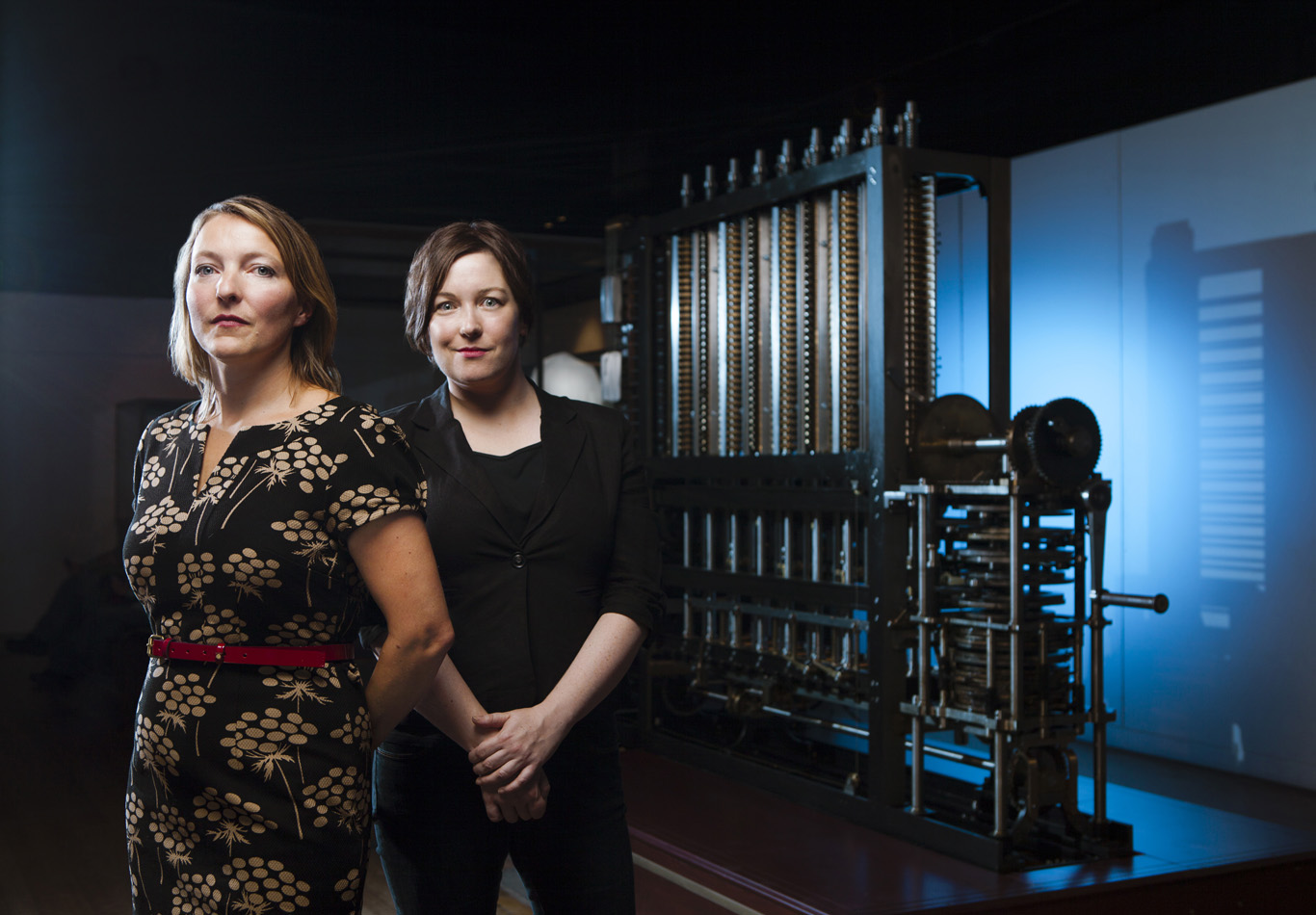
What do you see when you picture a scientist? Too often, it’s a man with crazy white hair. At the Science Museum this evening, ScienceGrrl is launching a calendar to change this.
This post was written by Emily Yates, object conservator at Blythe House As a conservator, it is always fun to work on weird objects, even the gory ones! This beautiful, if macabre, wax model will be on shown in the exhibition Doctors, Dissection and Resurrection Men at the Museum of London, running 19 October 2012 until 14 April 2013. To get her looking her best before going on show I had to remove the layers of dust and dirt that had built […]
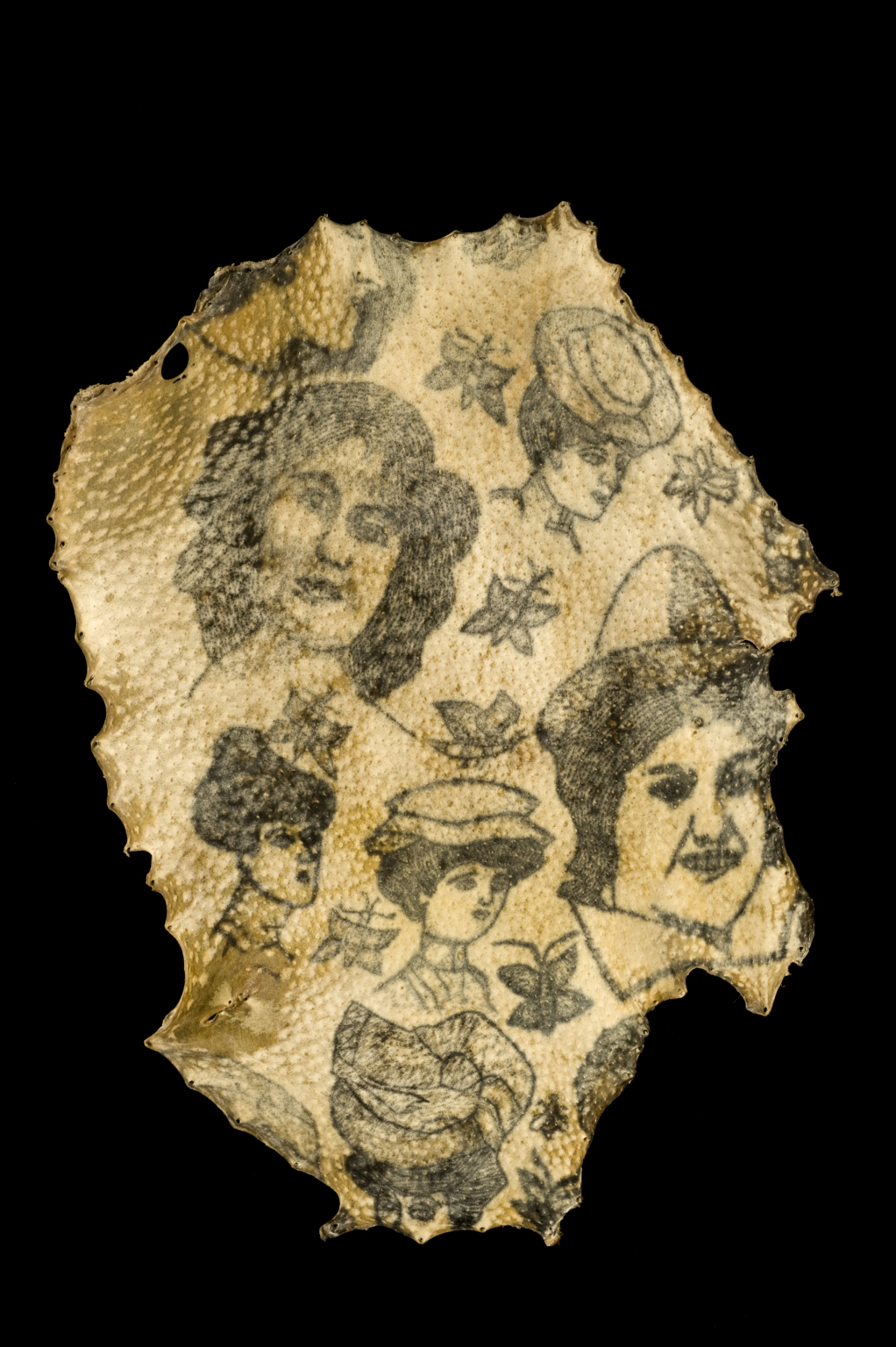
People ask, with some justification, what a writer-in-residence actually does. Mick Jackson, our writer-in-residence answers those questions.
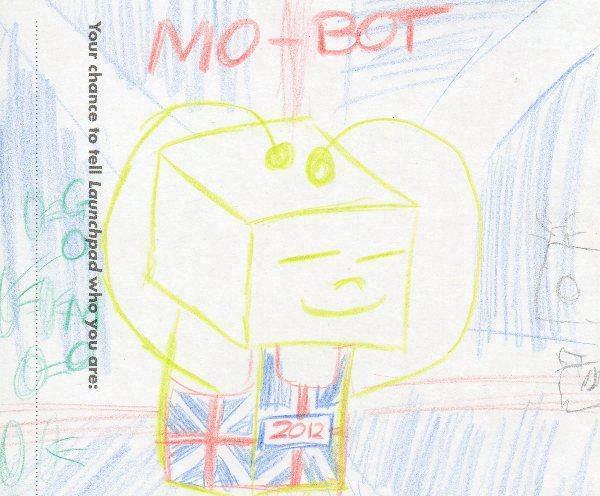
A selection of London 2012-inspired drawings by our visitors in Launchpad
Guest blog post from Robert Sommerlad, a musician and Science Museum research assistant. One of the museum’s many wonderful volunteers recently took a trip to Brighton in order to find out more about an object featured in our Oramics to Electronica: Revealing Histories of Electronic Music exhibition. In an exhibition filled with many bizarre objects and unlikely musical instruments, the circuit bent Speak & Spell toy is certainly one of the most unusual and interesting items. This brightly coloured jumble of knobs, switches and buttons was […]
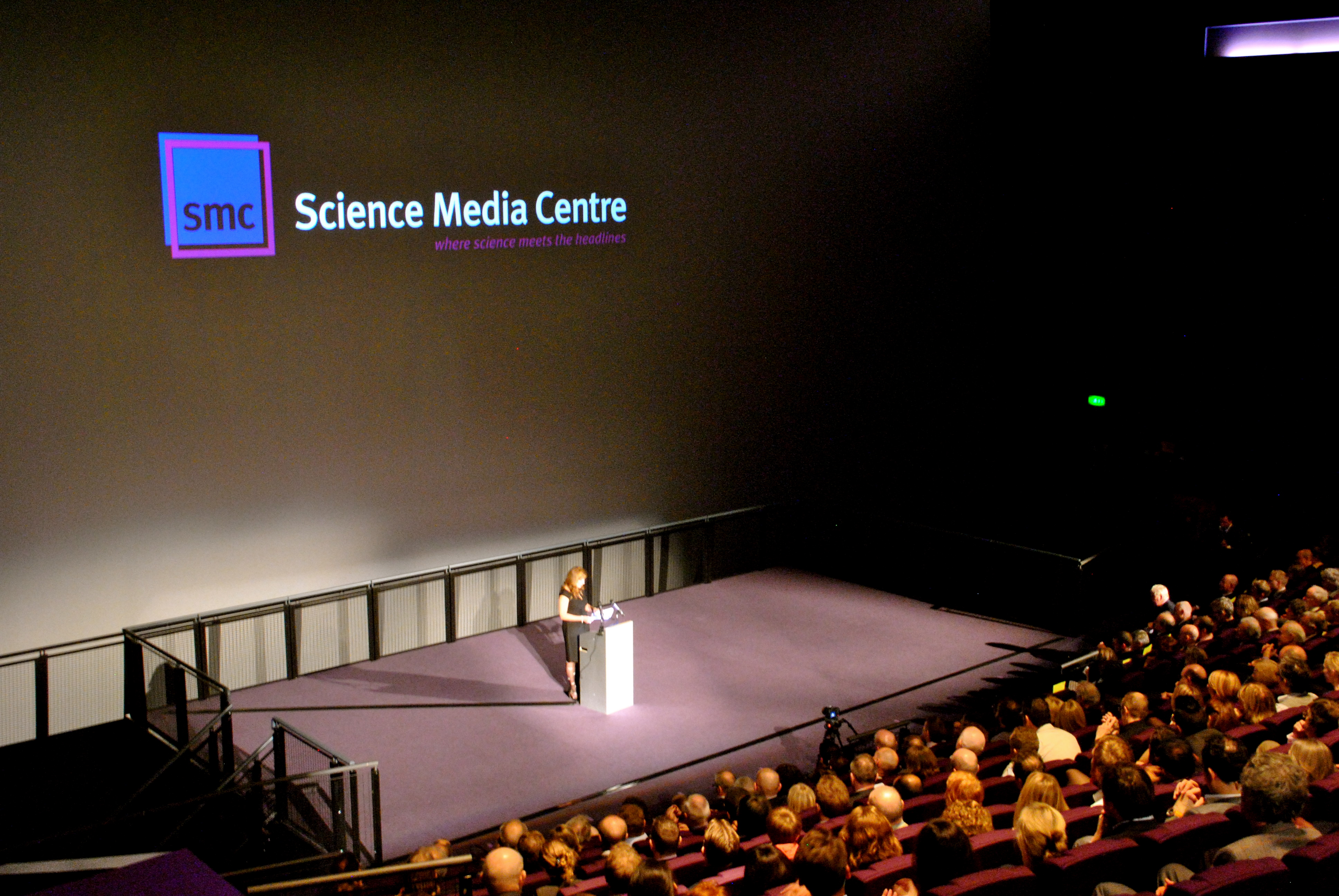
Earlier this week we celebrated the 10th Anniversary of the Science Media Centre (SMC) here at the Science Museum.
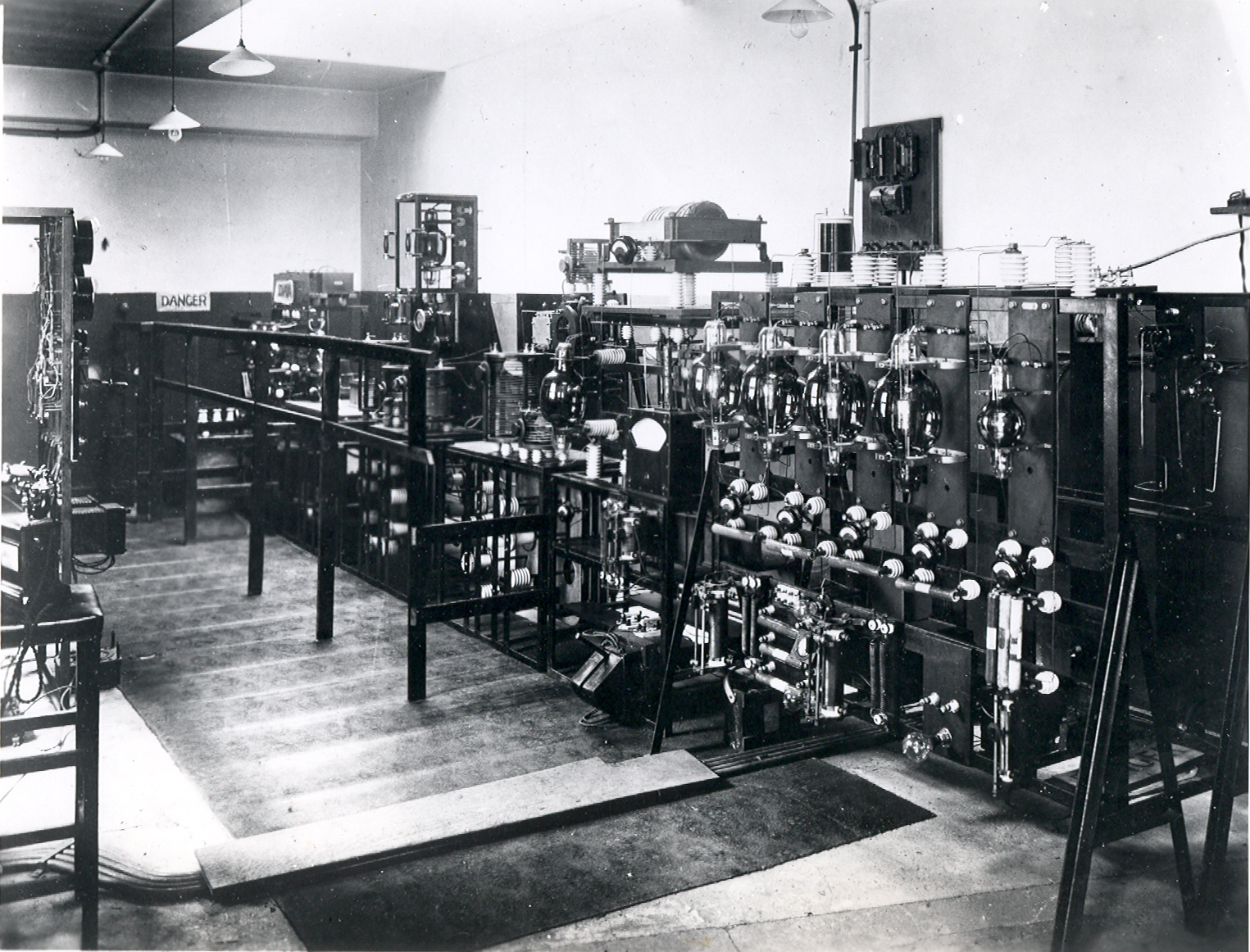
Tim Boon on the launch of the new Research and Public History Department