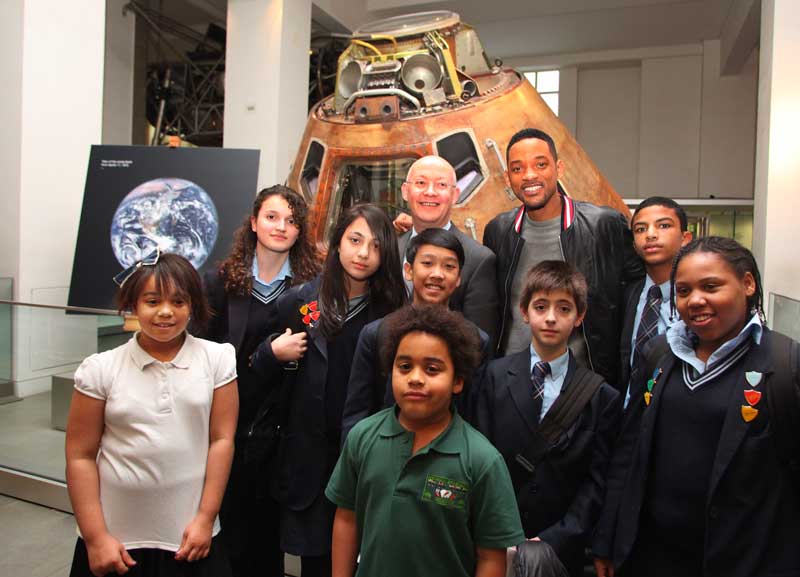
Will Smith Hollywood actor, producer and rapper, visited the Science Museum yesterday!
Will Smith Hollywood actor, producer and rapper, visited the Science Museum yesterday!
Are you an arts organisation in search of inspiration? Is your local history society researching your science and technology heritage? Or are you a patient group interested in the history of a medical profession or practice?
What was the popular culture of science like in Britain, in the fifties and sixties? The Science Museum has received funding from the Arts and Humanities Research Council (AHRC) to start exploring this question. The 1950s and 1960s were years of technological expansion. In 1957, the space race started, with the USSR’s successful launch of Sputnik 1, the first artificial satellite to orbit the earth. In 1969, the USA put humans on the Moon. In 1954 the European organisation for nuclear research, […]
“Which is it to-day,” I asked, “morphine or cocaine?” He raised his eyes languidly from the old black-letter volume which he had opened. “It is cocaine,” he said, “a seven-per-cent solution. Would you care to try it?” The Sign of Four, Sir Arthur Conan Doyle, (1890) Sherlock Holmes is undoubtedly literature’s most famous cocaine user. In Sir Arthur Conan Doyle’s stories, Holmes uses cocaine in order to stimulate his brain when he wasn’t applying it to a case. The detective famously injected a […]
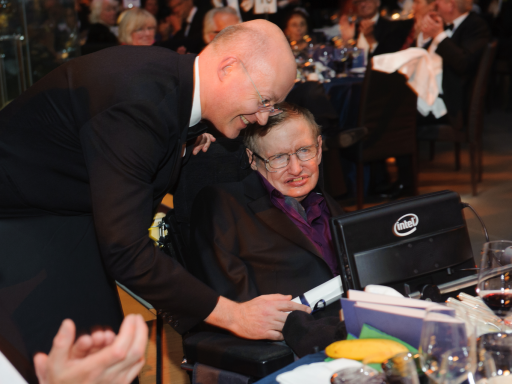
Professors Stephen Hawking and Rolf-Dieter Heuer have been made Fellows of the Science Museum, the highest accolade that the Museum can bestow upon an individual.
Last month I went to a conference marking 50 years of the UK in space. Some of the speakers reminded us many of us use space daily without even thinking about it when we watch satellite television or get directions from our GPS. I recently took delivery of a new object for the collection that also uses space – a satellite radio made for WorldSpace. The WorldSpace company was founded in 1990 and used geostationary satellites to broadcast to Asia and Africa. At […]
The Ebers papyrus tells us the Ancient Egyptians had an interesting way to deal with noisy crying babies: just give them a draft of opium. This practice was still very much use in the Victorian era, when it gained notoriety for the dangers the use of children’s opiates posed to general health. We know in this era opium was readily used as a cure for a bad cough, or aches and pains, but it is less well known that opium […]
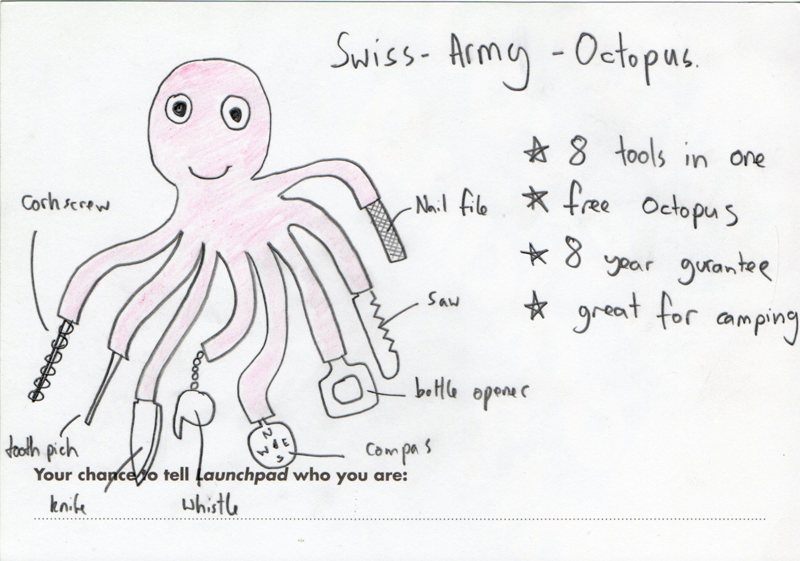
They say the UK is a country of animal lovers and judging by what our visitors have drawn, it is most definitely true!
If you have ever seen the Gibson & Son Pharmacy display at the Science Museum, then you know it’s not always easy to tell what is inside the numerous and bewilderingly labelled shop rounds. Pharmacists really had to know their abbreviated Latin as many of the medications sold in in the nineteenth century contained opium. But how can you spot a bottle which contains opium? There are many ways to say opium on shop rounds. Bottles like we find in Gibson’s might say OPII., OPIO., RHOEA. PAPAVER. […]
In January the Science Museum was asked to take part in the BBC’s Stargazing Live events at Woolwich and Charlton house. It was to coincide with the second series of the very successful Stargazing Live show.
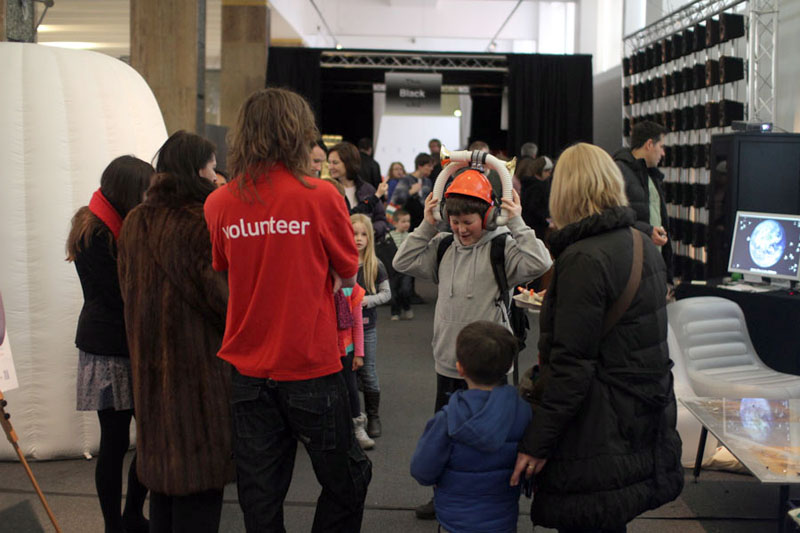
Entertaining stampeding children, discussing the complexities of the human mind, and making people marvel at incredible illusions – all part of a day’s work at Lottolab
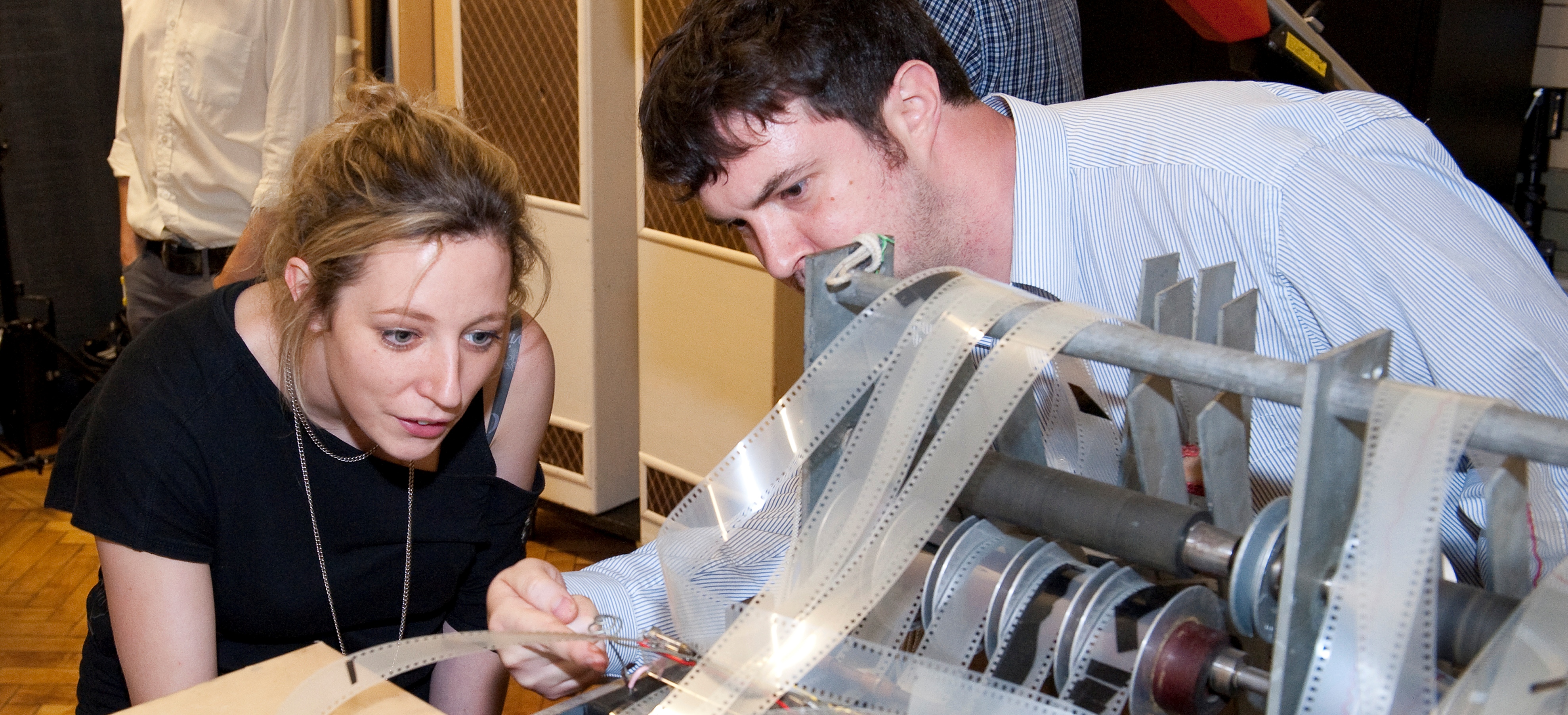
This artice was written by Ellie West-Thomas, Research Assistant for Electronic Music Fourteen years ago the BBC Radiophonic Workshop, who created innovative music and techniques that made it one of the most significant influences on electronic music today, closed its doors for the last time. Maida Vale Studios, the home to the workshop, was a place once filled by people brimming with ideas that changed the course of Electronic Music. The Workshop was set up to satisfy the growing demand in the late 1950s […]