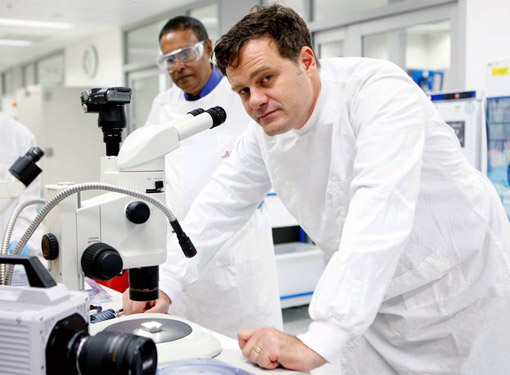
Want to find out who is going to change our world? The answer was given last night at a dinner held in the Science Museum.
Guest post by Roger Highfield
Want to find out who is going to change our world? The answer was given last night at a dinner held in the Science Museum.
Guest post by Roger Highfield
I’m James Fenner, a PhD student at the Science Museum researching the models, figures and displays in the former British Small Craft Exhibit. Now that the gallery has closed (after nearly 50 years) I thought I should share with you some of its highlights. This little model doesn’t look like much but it represents a small boat that packs a punch! At 1:24 scale, the model represents a canoe-like craft with a flat bottom and a maximum width of the […]
Sarah, one of our newest Explainers, shares her experiences since starting at the Museum – from crushing dry ice to dealing with lost children.
UK astronomy enthusiasts are in for a serious case of Venus envy next week, as the planet transits the Sun. People in other parts of the world will have a good view, but while the 2004 transit was seen across the UK, this year’s – the last until 2117 – mostly happens after nightfall in these parts. Only the final stages will be visible at sunrise on 6 June, but that’s not stopping intrepid observers, who will be hoping that […]
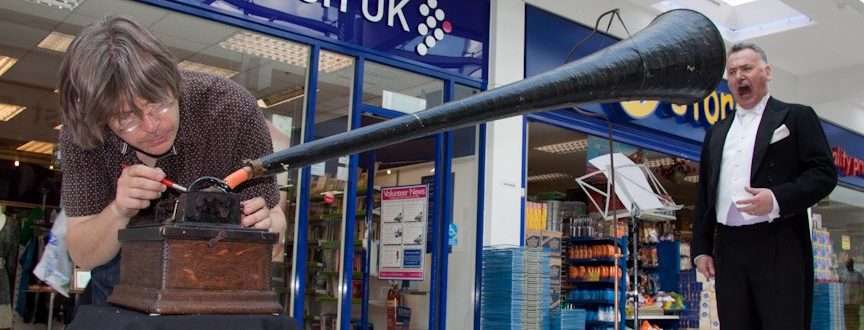
On Wednesday 30 May Sound Artist-in-residence, Aleks Kolkowski, began his series of live demonstrations of wax cylinder recording, using an original hand-cranked Edison phonograph c.1909. Aleks was joined by the talented Jason Singh, a beatboxer and vocal sculptor, who is currently the Sound Artist-in-residence at the V&A museum. Both residencies are part of Supersonix, an Exhibition Road Cultural Group project. Aleks gave a fascinating introduction to the process and technology used to inscribe sound onto a wax cylinder; the pressure […]
This year students from across the UK have been investigating climate change stories from their local area with the help of the Museum’s Climate Science Outreach team.
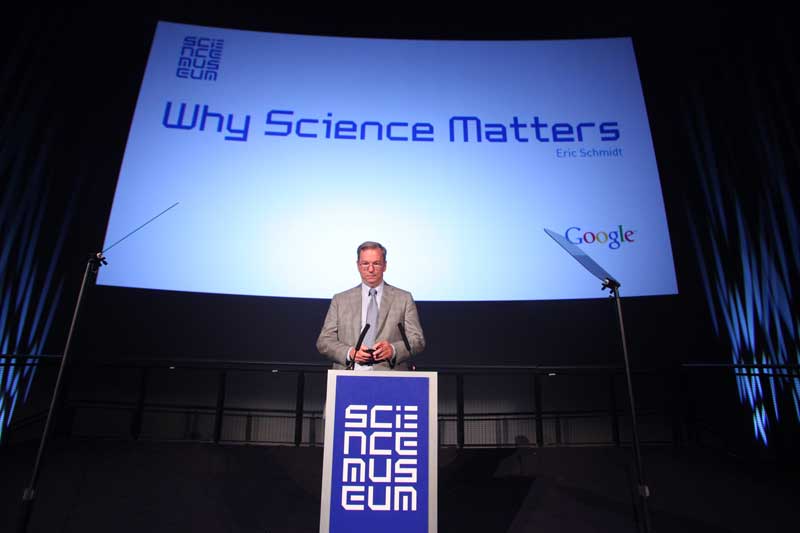
Tonight in front of an influential audience at our Imax theatre, Eric Schmidt discussed the importance of Science Museums.
Many museums and organisations have been celebrating the centenary of Captain Robert Falcon Scott’s expedition to the South Pole. But have you ever wondered what kind of medicine Scott and his party brought with them to the ends of the earth? Here at the Science Museum we know because we have one Scott’s original aluminium medicine chests. The chest, dated to 1910, was carried by Scott and his party when they set out for the pole in November 1911. This […]
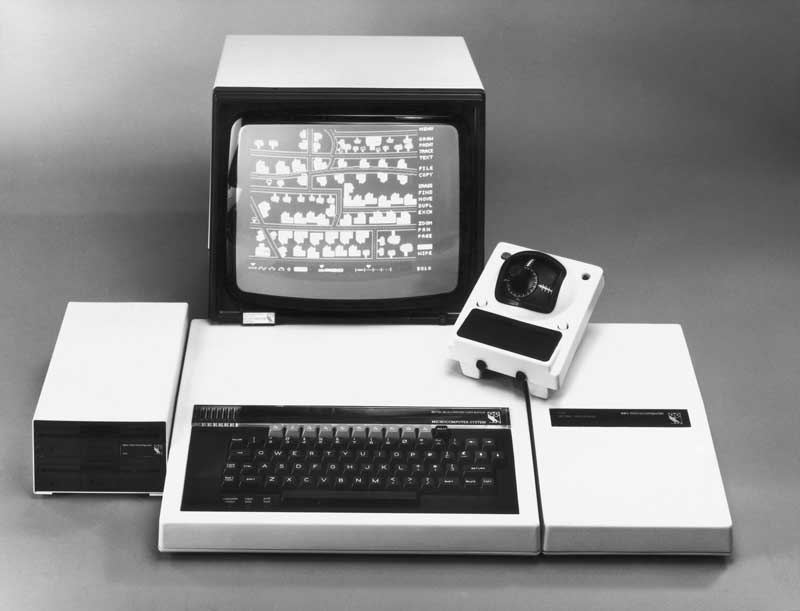
Today the Science Museum are publishing a report on the legacy of the BBC Micro.
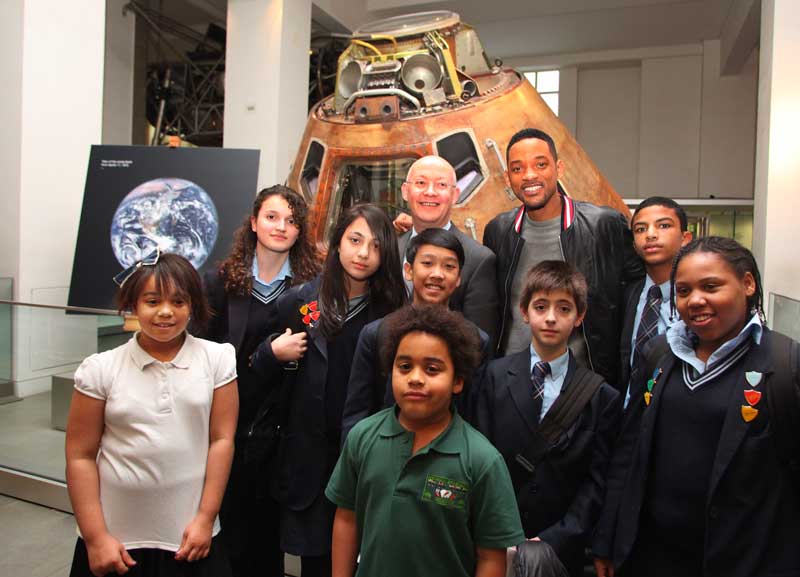
Will Smith Hollywood actor, producer and rapper, visited the Science Museum yesterday!
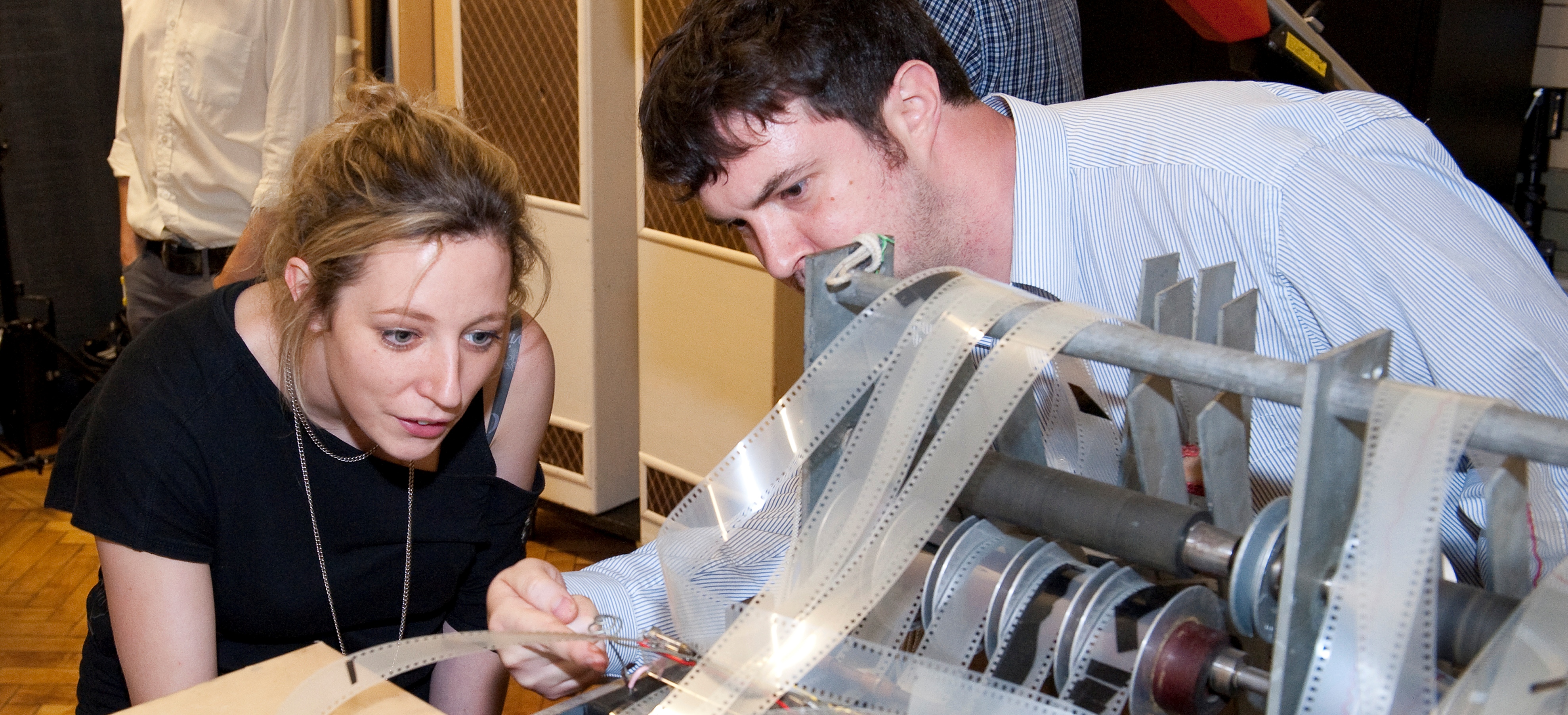
Are you an arts organisation in search of inspiration? Is your local history society researching your science and technology heritage? Or are you a patient group interested in the history of a medical profession or practice?
What was the popular culture of science like in Britain, in the fifties and sixties? The Science Museum has received funding from the Arts and Humanities Research Council (AHRC) to start exploring this question. The 1950s and 1960s were years of technological expansion. In 1957, the space race started, with the USSR’s successful launch of Sputnik 1, the first artificial satellite to orbit the earth. In 1969, the USA put humans on the Moon. In 1954 the European organisation for nuclear research, […]