The leading UK charity Oxfam is currently running its biggest ever emergency appeal for Africa. The failure of the late 2010 rains has meant that more than 10 million people from the Horn and East Africa are in desperate need of food and clean water. Since the late 19th Century, we have been all too […]
I’m James Fenner, a PhD student at the Science Museum researching the models, figures and displays in the former British Small Craft Exhibit. Now that the gallery has closed (after nearly 50 years) I thought I should share with you some of its highlights. This is the last of my short series of posts about displays from the former British Small Craft exhibition at the Science Museum, which is now being moved to storage after a remarkable 50 years on […]
I’m James Fenner, a PhD student at the Science Museum researching the models, figures and displays in the former British Small Craft Exhibit. Now that the gallery has closed (after nearly 50 years) I thought I should share with you some of its highlights. I recently told you about the tiny gun-punt model that was on show in the British Small Craft exhibit at the Science Museum, now closed to make way for a major new gallery on communications. Today, […]
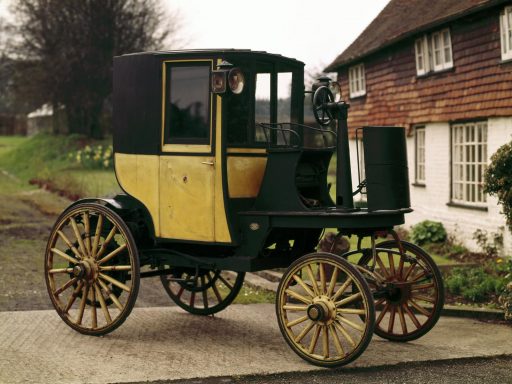
Read more about London’s first electric taxi
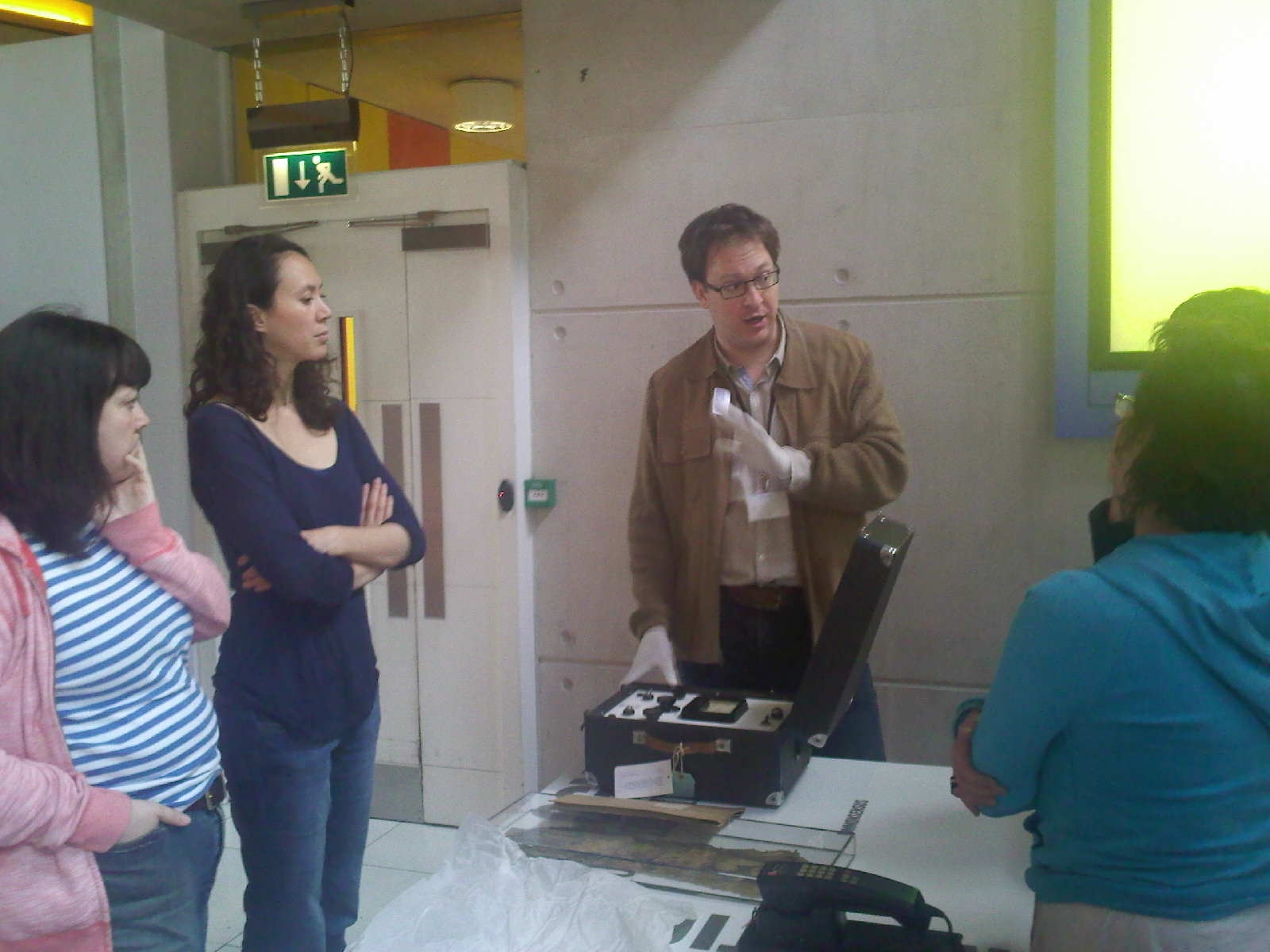
Find out what happened at our History Open House event
Champagne corks have been popping at CERN today, with news that the Large Hadron Collider (LHC) has glimpsed the elusive Higgs boson, or at least something that looks very like it. We’re hoping that one or two of the champagne bottles will find their way into the Science Museum’s collections. Bottles of bubbly might seem a rather strange addition to a museum physics collection, but they’re one way for us to capture news like this morning’s for posterity: ironically, sometimes […]
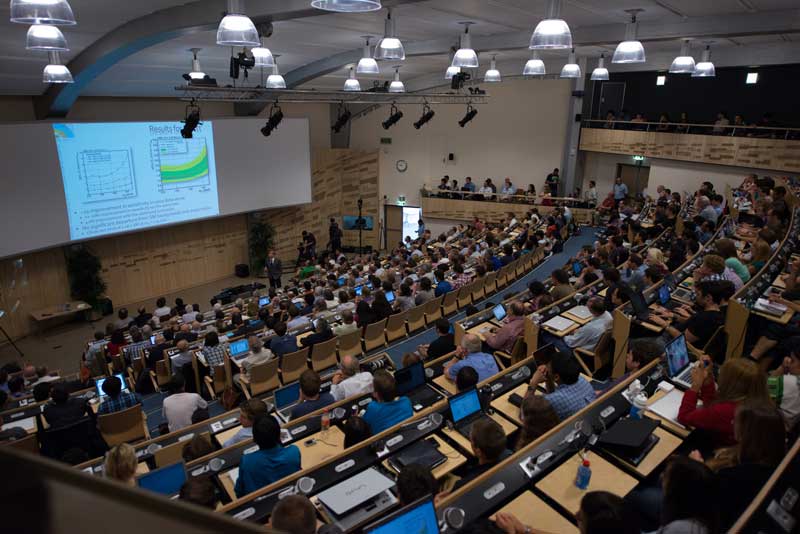
Higgs boson discovered! Roger Highfield reports on the press conference in our latest blog post.
This week saw the second gathering of Google’s Luvvies and Boffins at the Science Museum.
Find out more in our guest blog post from Peter Barron, Director of External Relations at Google
As millions descended upon London for the Queen’s Diamond Jubilee festivities, a team of valiant Science Museum knights mounted their noble steed (the outreach van) and headed to the 2012 Whitehaven Jubilee festival.
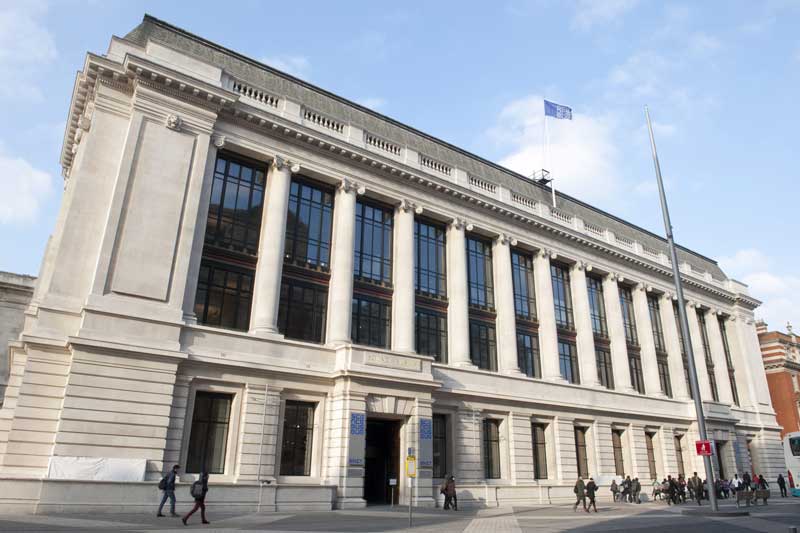
The most influential scientist in the country came to the Science Museum last night.
Find out what he had to say in our guest blog post from Roger Highfield
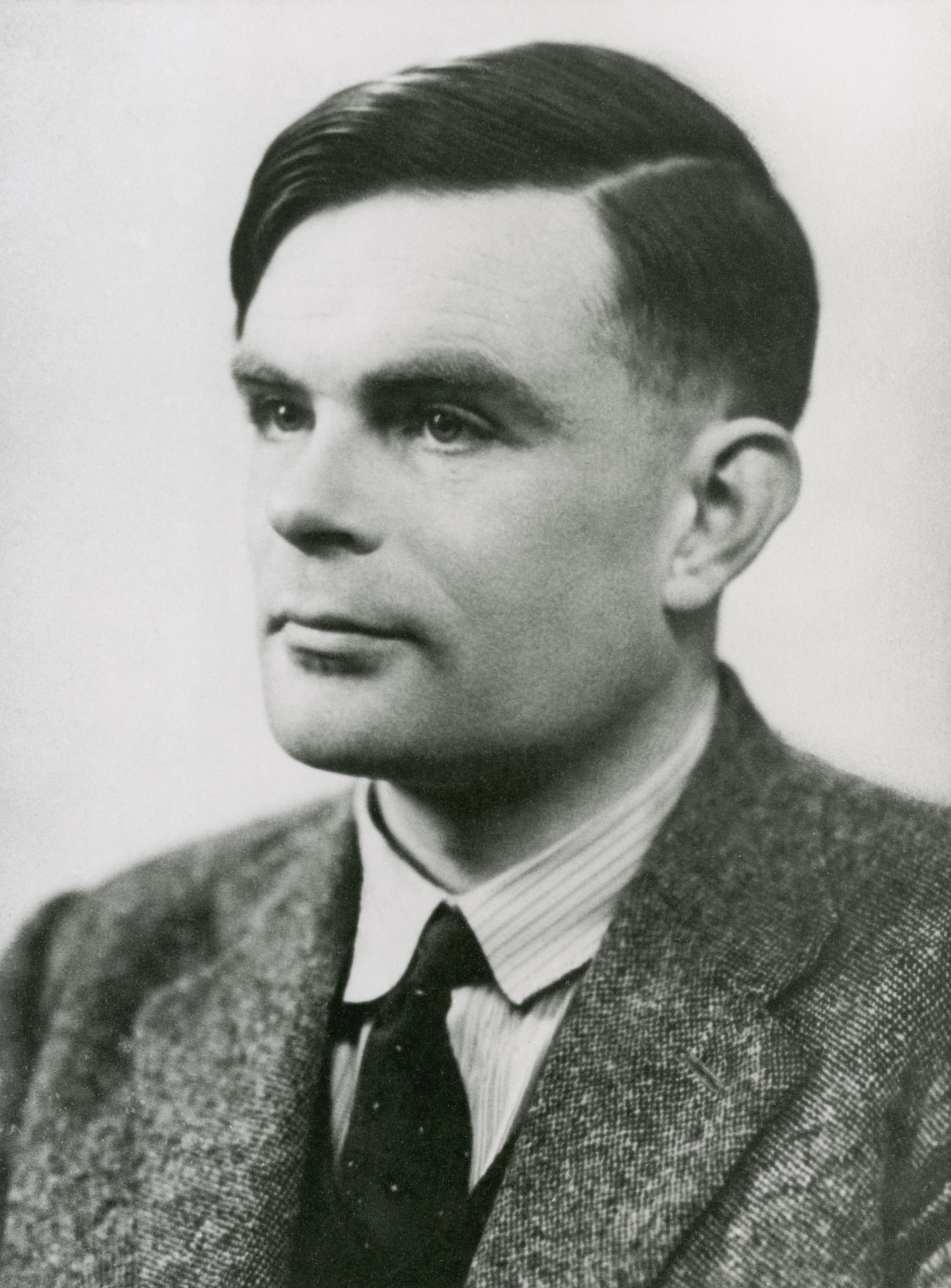
The tragic loss of a friend during his teenage years exerted an extraordinary influence on Turing’s life, according to Roger Highfield and David Rooney.
After the heady celebrations of the Diamond Jubilee, which memorabilia are you going to hold on to? When Queen Elizabeth II ascended to the throne in 1952 and was crowned the year after a whole host of memorabilia was available. We have a range of coronation day items celebrating the crowning of the current monarch as well as monarchs across Europe. Both the mug and pill box are part of the museum’s Plastics and Modern Materials collections as examples of […]