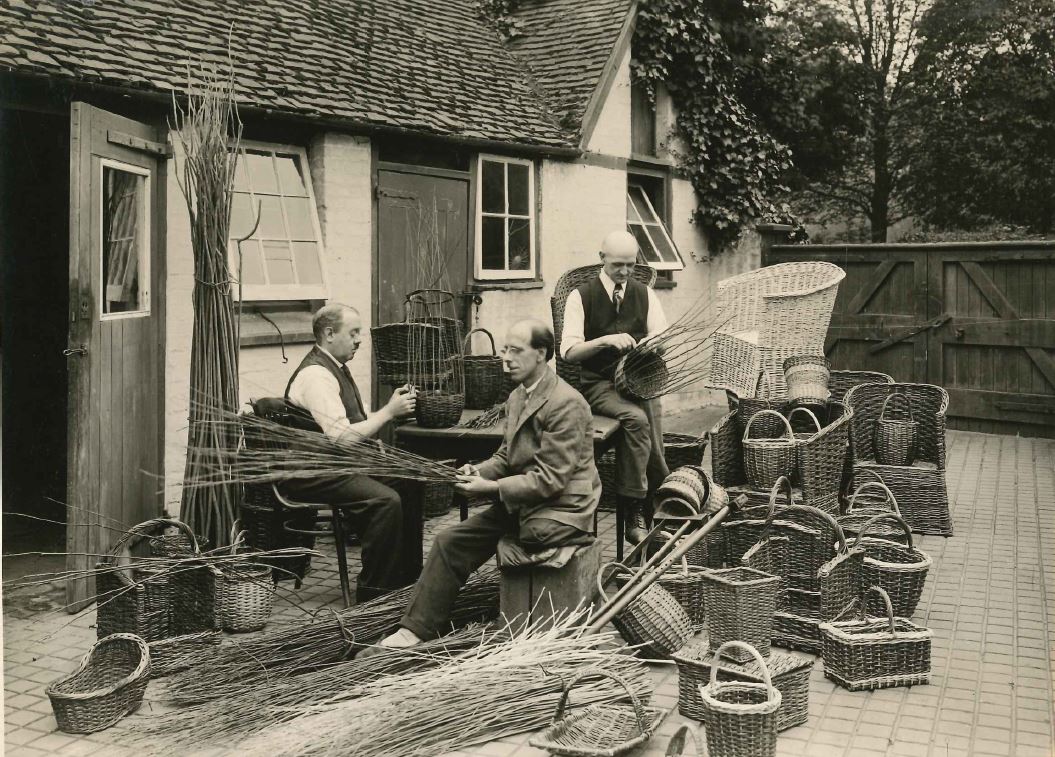
Sue Freeth, CEO of Combat Stress reflects on the psychological impact of WWI and draws parallels with treatment provided to soldiers today.
Sue Freeth, CEO of Combat Stress reflects on the psychological impact of WWI and draws parallels with treatment provided to soldiers today.
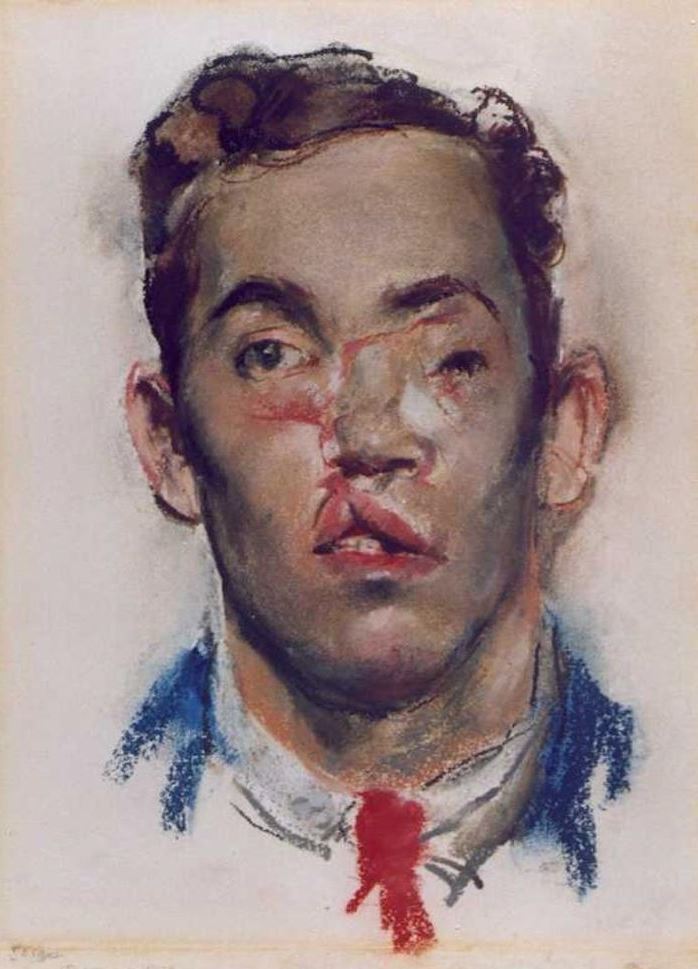
Of the many emotive objects in our Wounded exhibition none have the power to move more than this series of pastel sketches of young Allied soldiers.
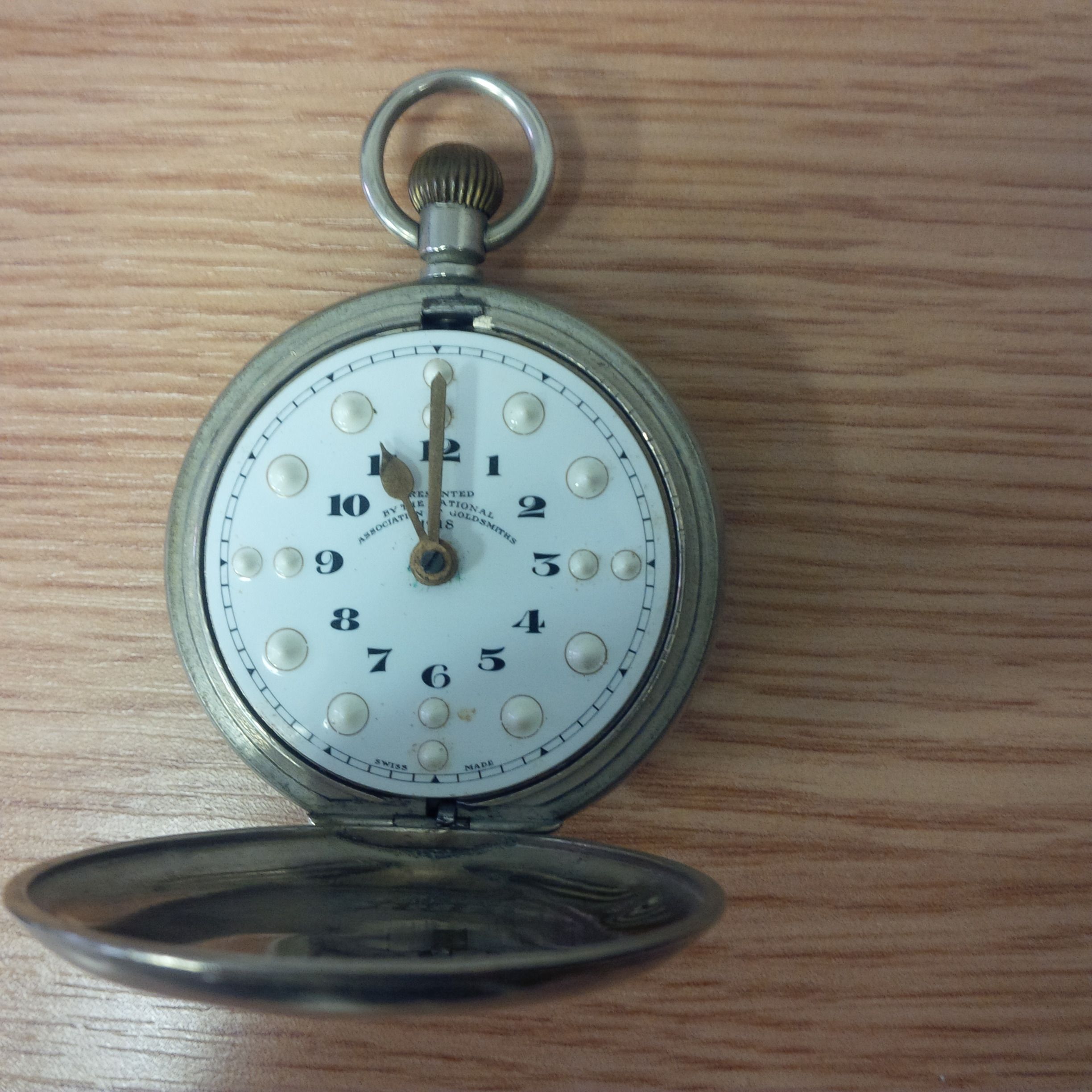
Blind Veterans UK archivist, Rob Baker, describes the significance of the Braille watch

Roger Highfield describes a milestone supercomputer simulation that provides a glimpse of the future of medicine.
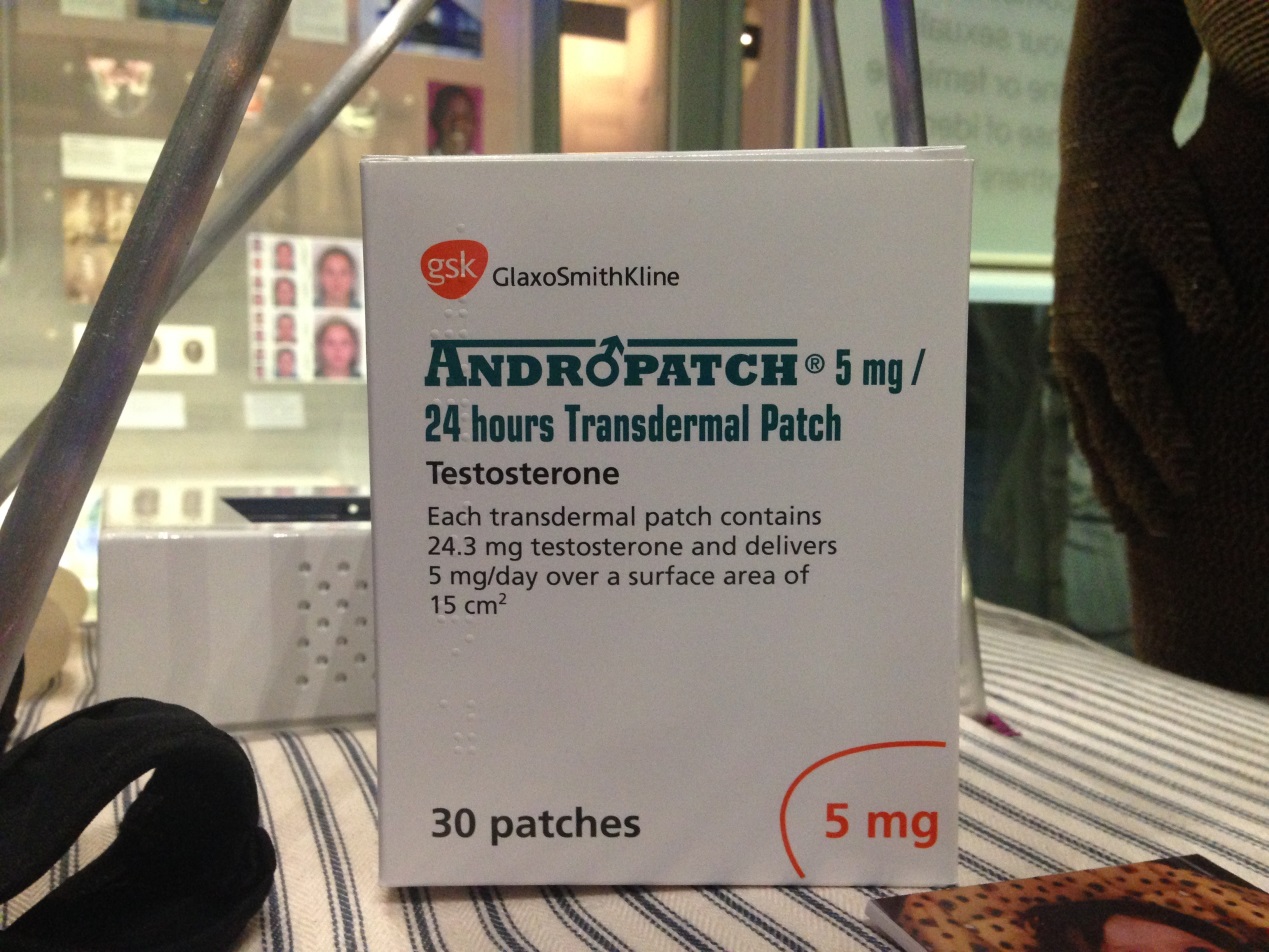
Discover the story of the Andropatch in our Wonderful Things blog series.
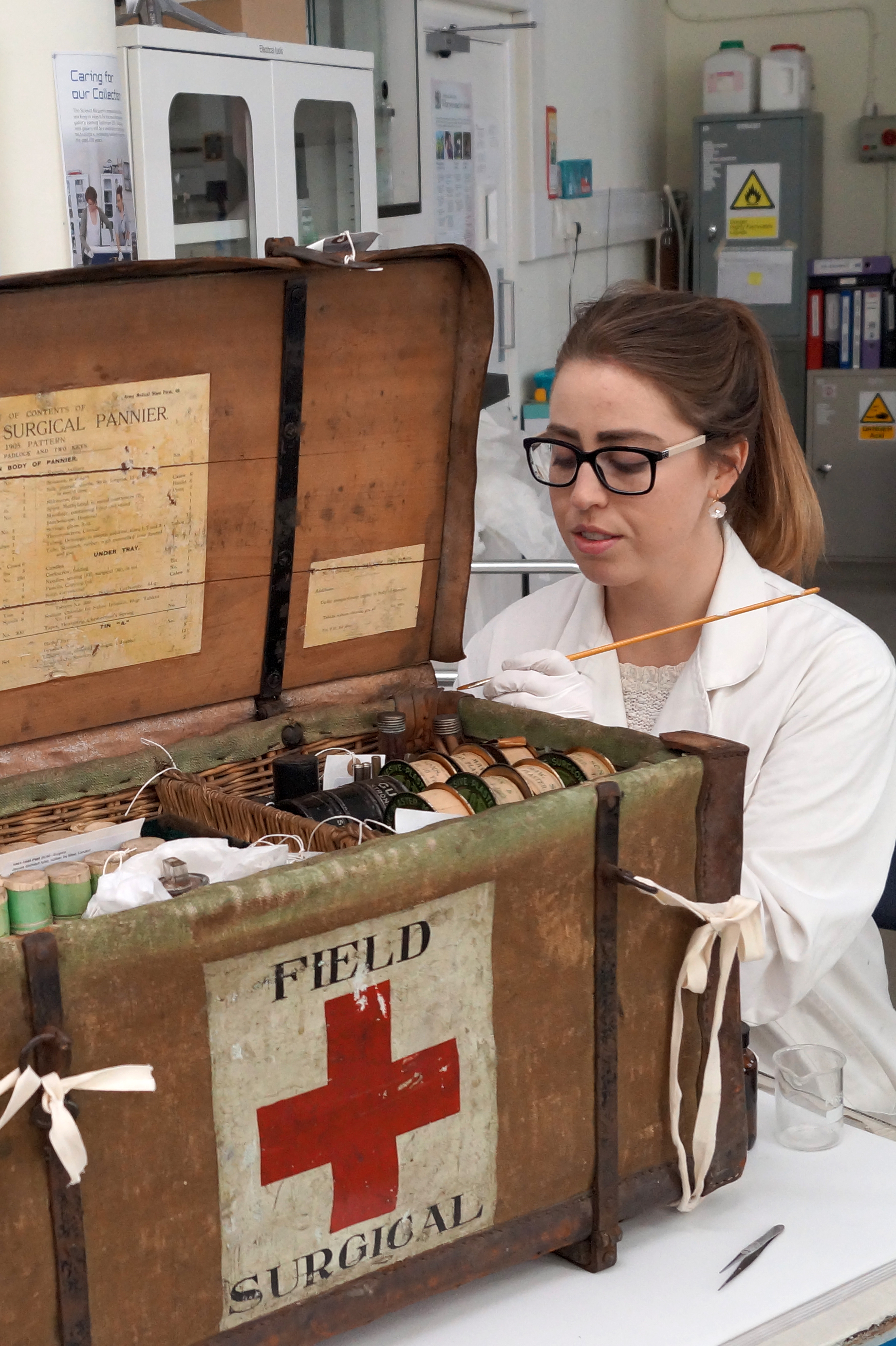
Vanessa Applebaum reveals how we conserve and care for objects before they go on display in the Museum.
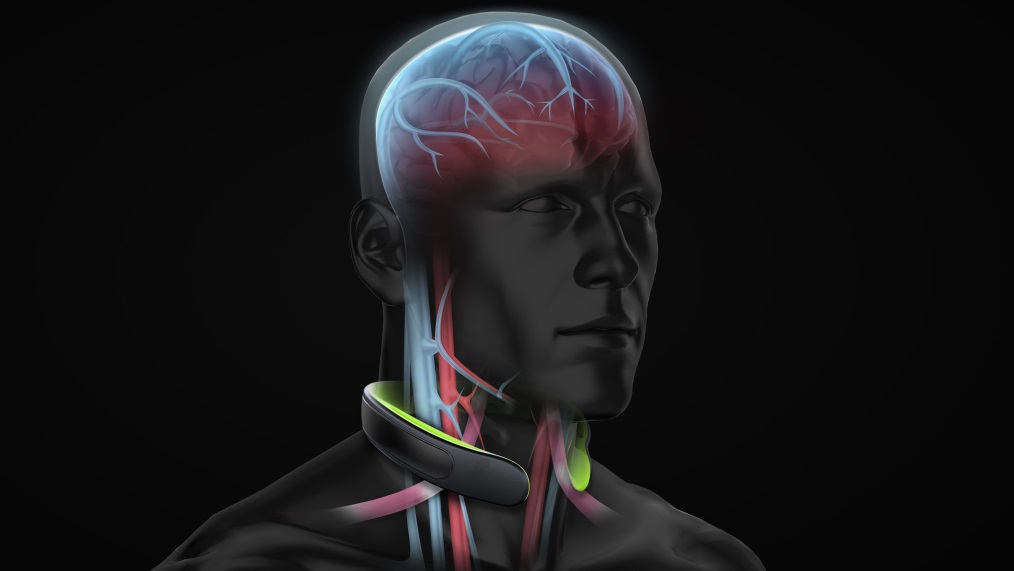
A new device that might help prevent brain injuries has gone on display at the Museum.
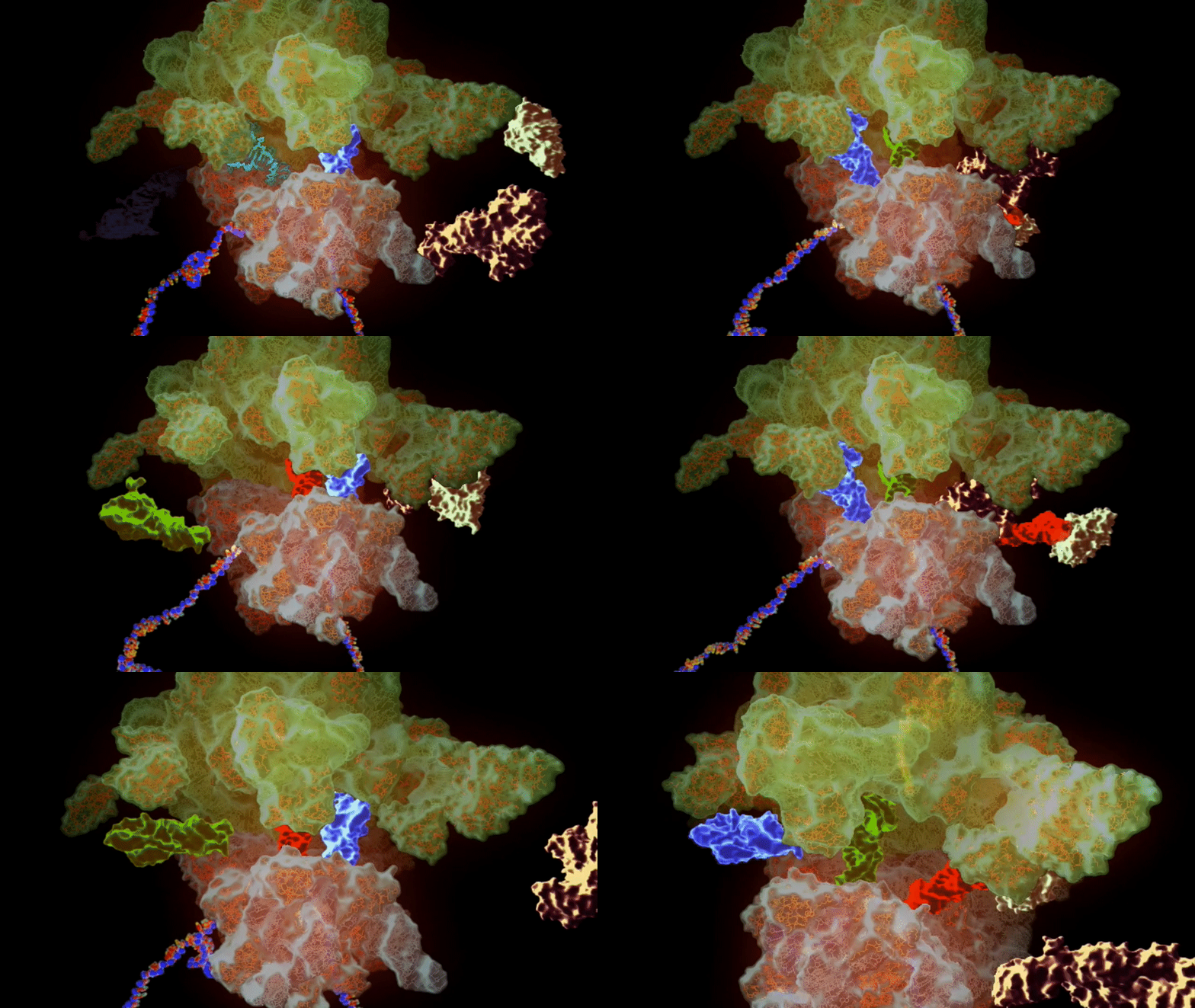
At the 2016 Hay Festival, Director of External Affairs Roger Highfield interviewed the President of the Society, Nobelist Venki Ramakrishnan.
Antimicrobial resistance is an issue that we are all facing now. If we do not crack this problem, we risk returning to the pre-antibiotic era, when infectious diseases were responsible for around 40% of all deaths.
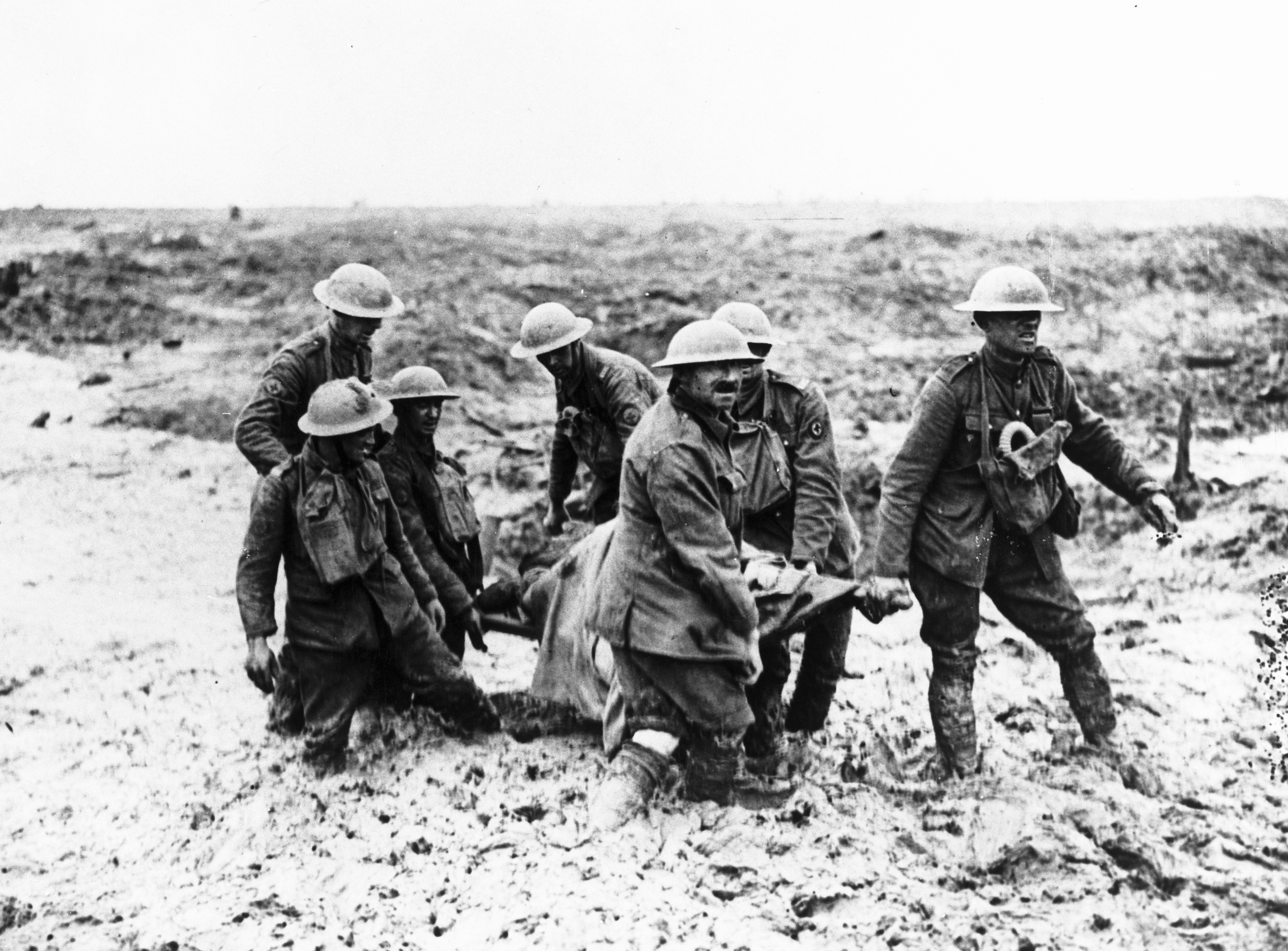
Curator Stewart Emmens reveals some of the stories from our Wounded exhibition.
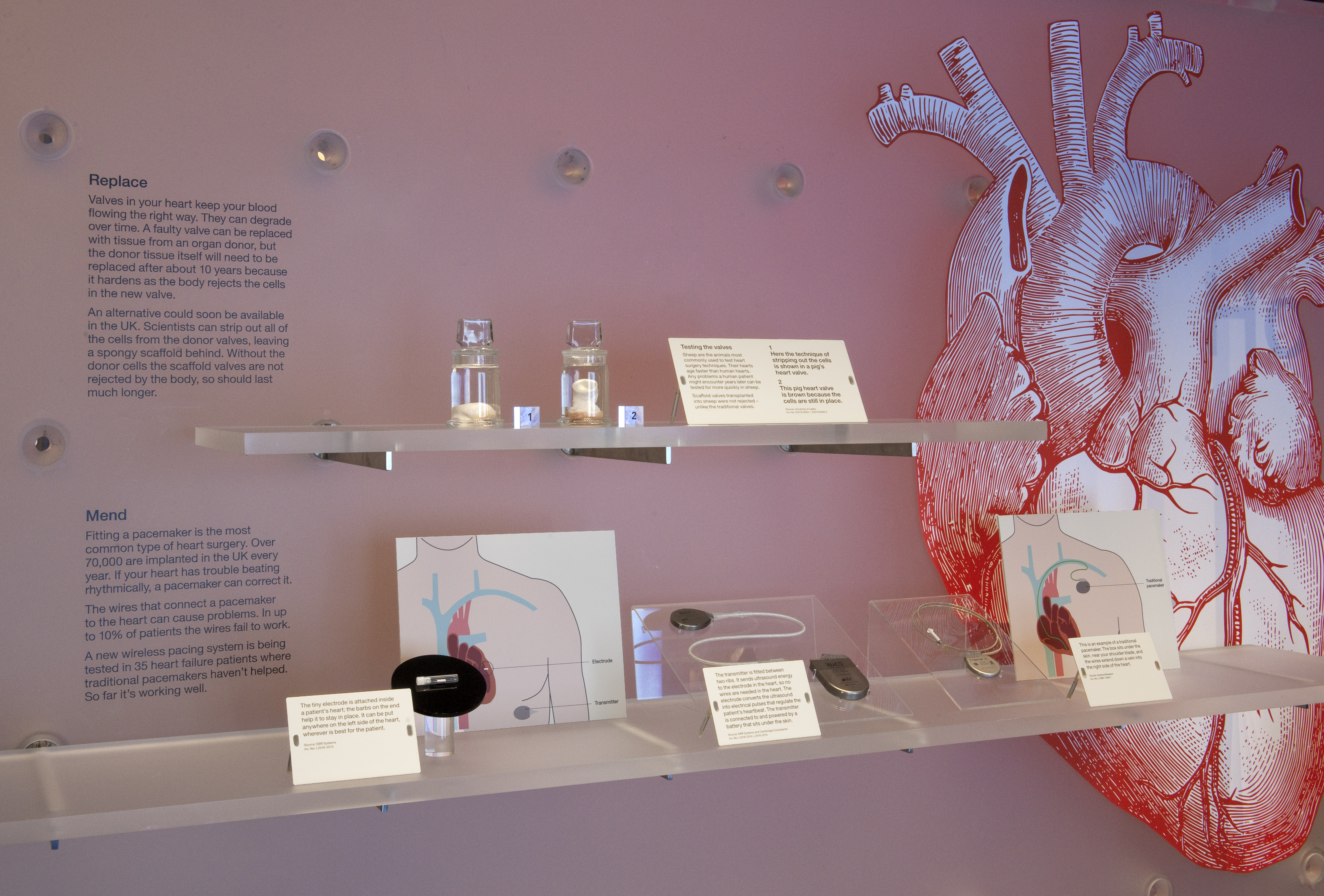
A new display, How to mend a broken heart, explores how 3D printing can help heart surgery. Heart surgeon David Anderson explains more.

As Call the Midwife examines the issue of thalidomide, curator Selina Hurley explores its history.