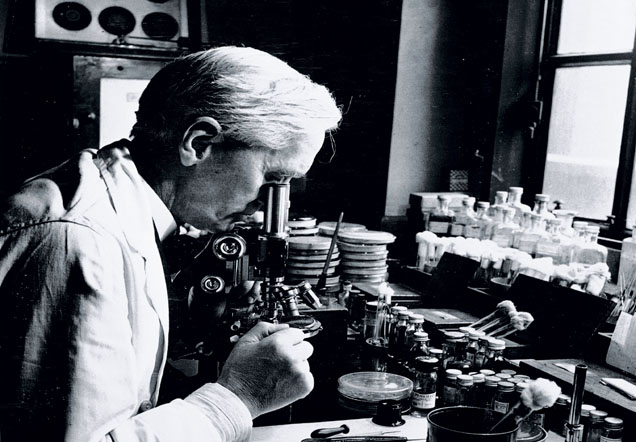
It’s hard to imagine life without penicillin. This drug, which many of us take for granted, has saved millions of lives since its discovery by Alexander Fleming less than a century ago.
Meet the staff members that make the Museum so unique and get the insider scoop on upcoming exhibitions, research projects and new objects.
It’s hard to imagine life without penicillin. This drug, which many of us take for granted, has saved millions of lives since its discovery by Alexander Fleming less than a century ago.
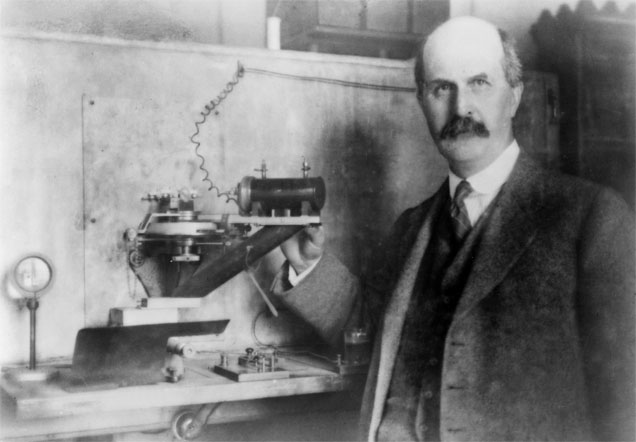
To paraphrase the great x-ray crystallographer Max Perutz: it’s even told us why blood is red and grass is green. ‘It is’ said Perutz ‘the key to the secret of life’.
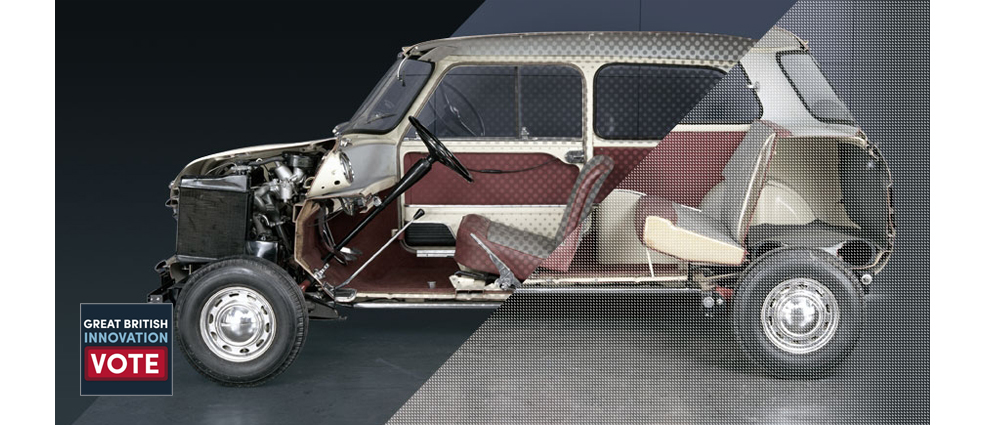
Today, we’re inviting you to decide on the greatest British innovation of the last hundred years – from crystallography to quantum dots – and the innovation most likely to shape our future.
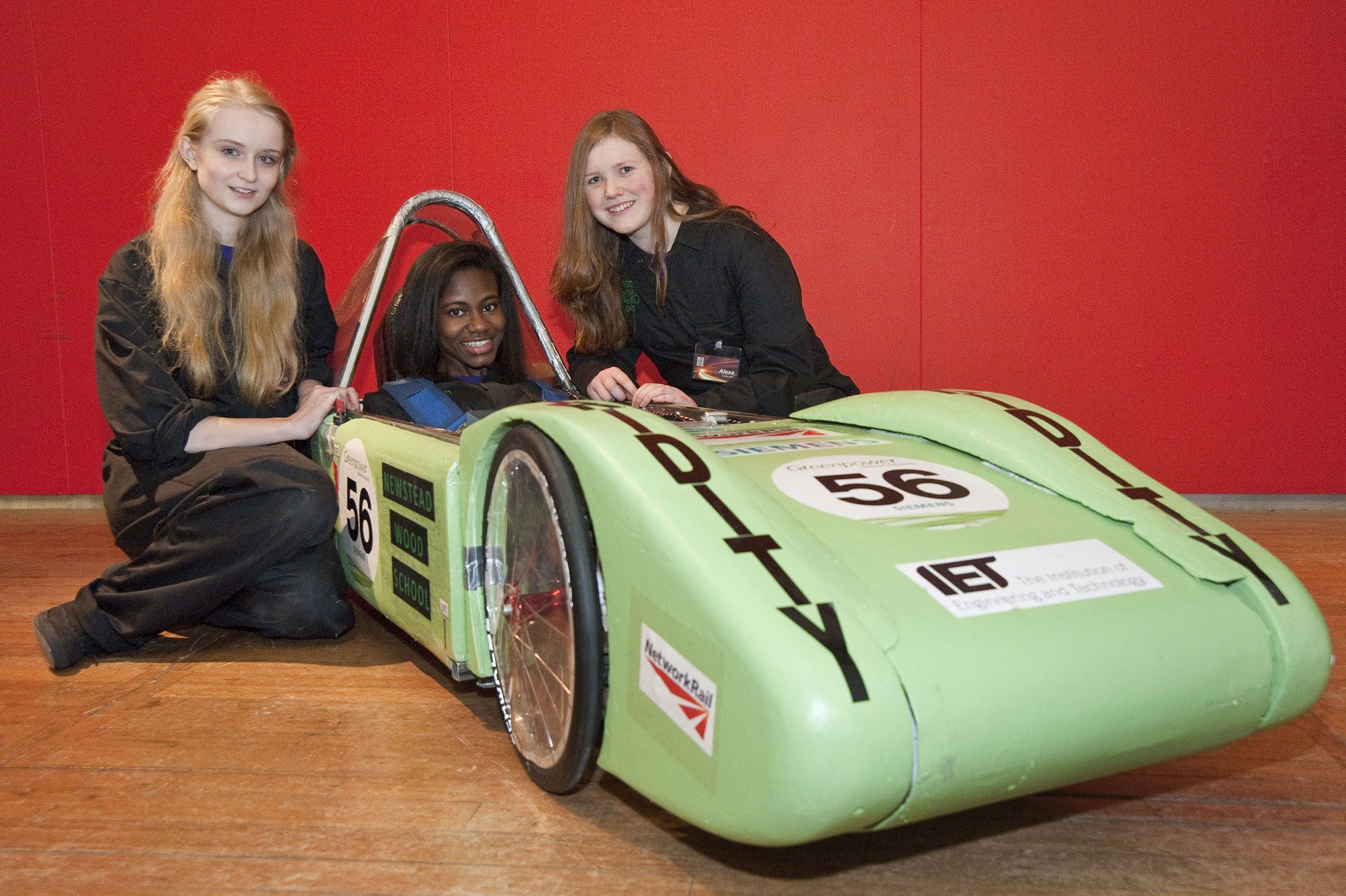
Viridity, a team of young engineers from Newstead Wood School, are taking part in our High Performance festival this weekend. This guest blog post has been written by the Viridity team.
As Britain lurches from flood to drought, experts from Government, industry, academia and consumer bodies gathered at the Science Museum to discuss that most fundamental ingredient of life: water.
Fancy meeting Sir Isaac Newton (not the real one obviously) this half-term? Our drama characters bring science to life!
Former and current Science Ministers gathered at the Science Museum, in from of a who’s who of the British scientific establishment, to discuss the latest science policy thinking
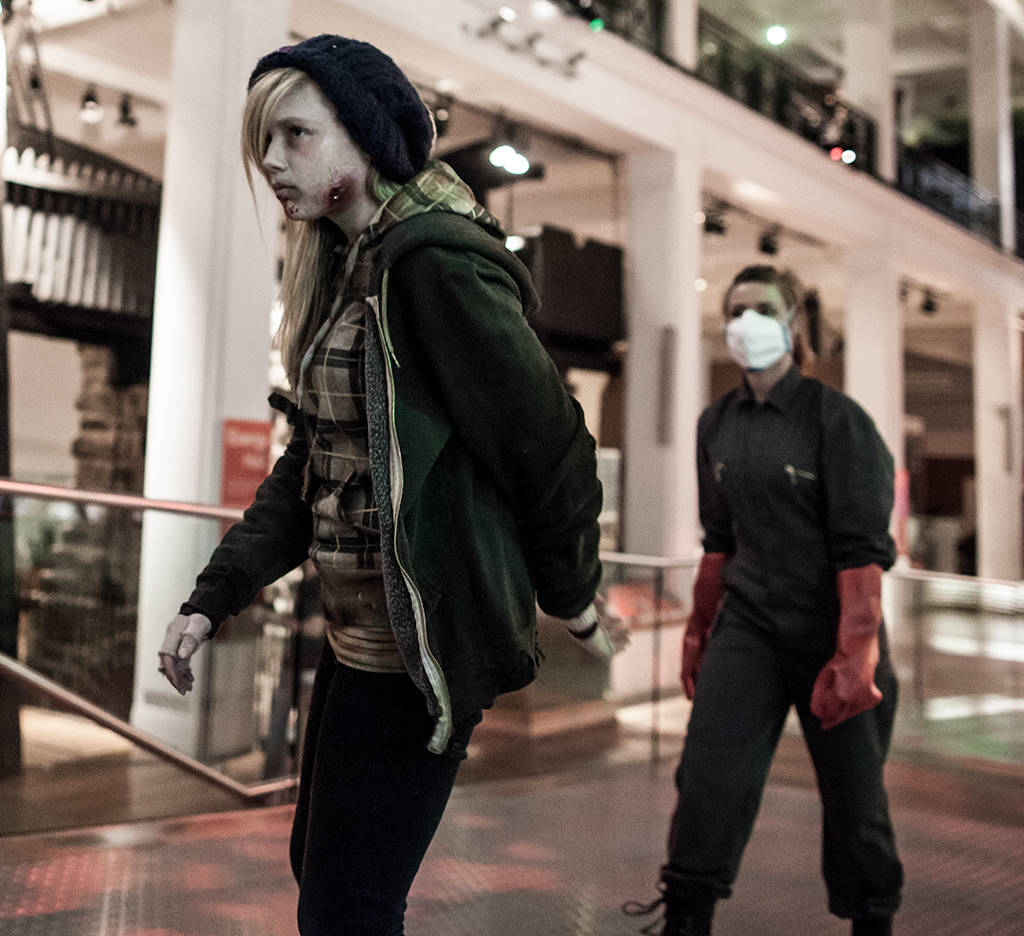
Scientists from across the UK (and zombie rights protesters) will gather in the Science Museum this weekend for ZombieLab. Worried members of the public are invited to study zombies and the science of consciousness as society searches for answers (and evades the zombie horde).
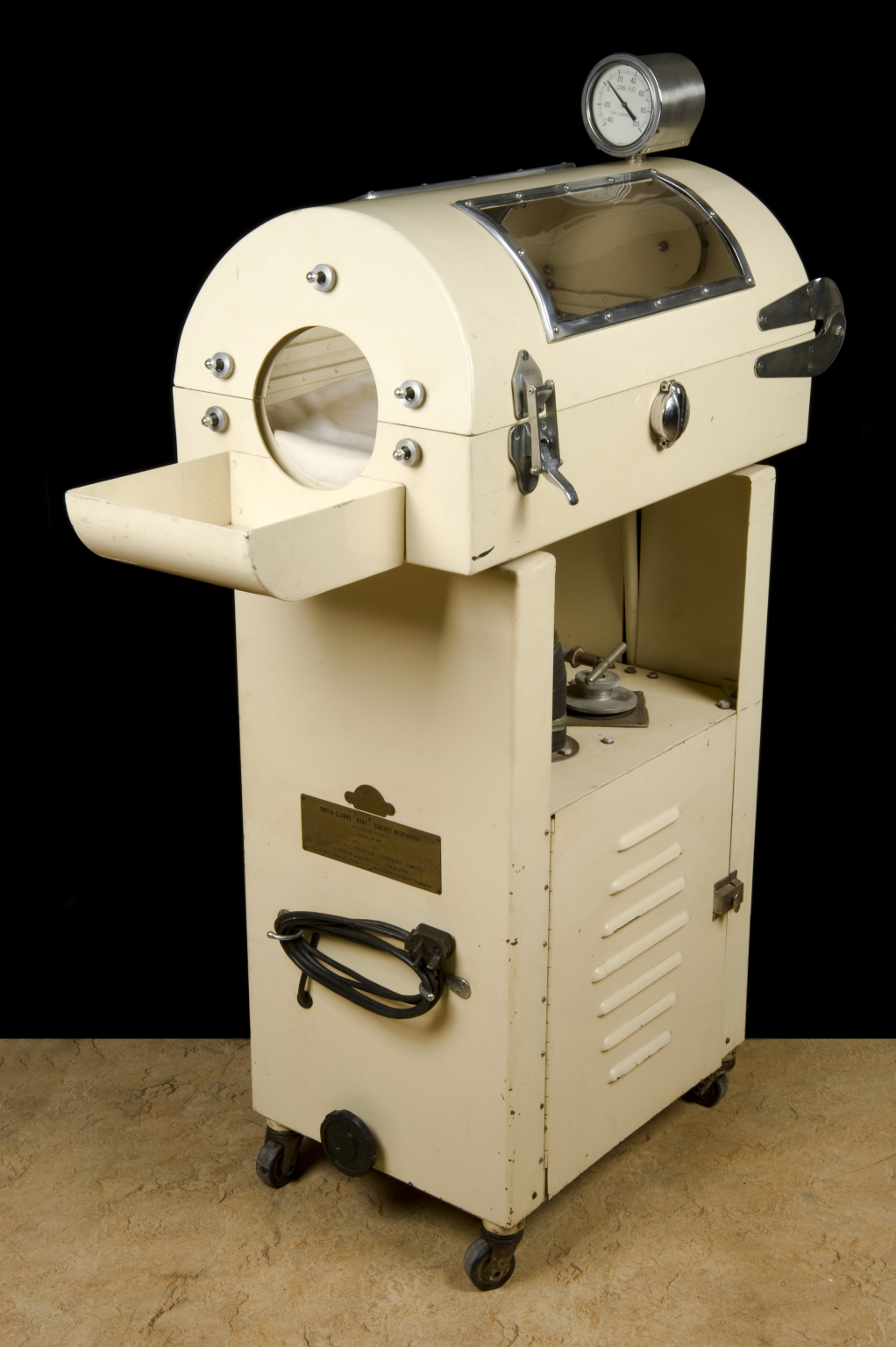
Billionaire computer entrepreneur and philanthropist, Bill Gates, is to discuss the impact of polio on humanity at this evening’s annual BBC Richard Dimbleby Lecture. His speech, which will be broadcast from the historic Royal Institution, will be supported with the visual aid of an iron lung from the Science Museum’s collection.
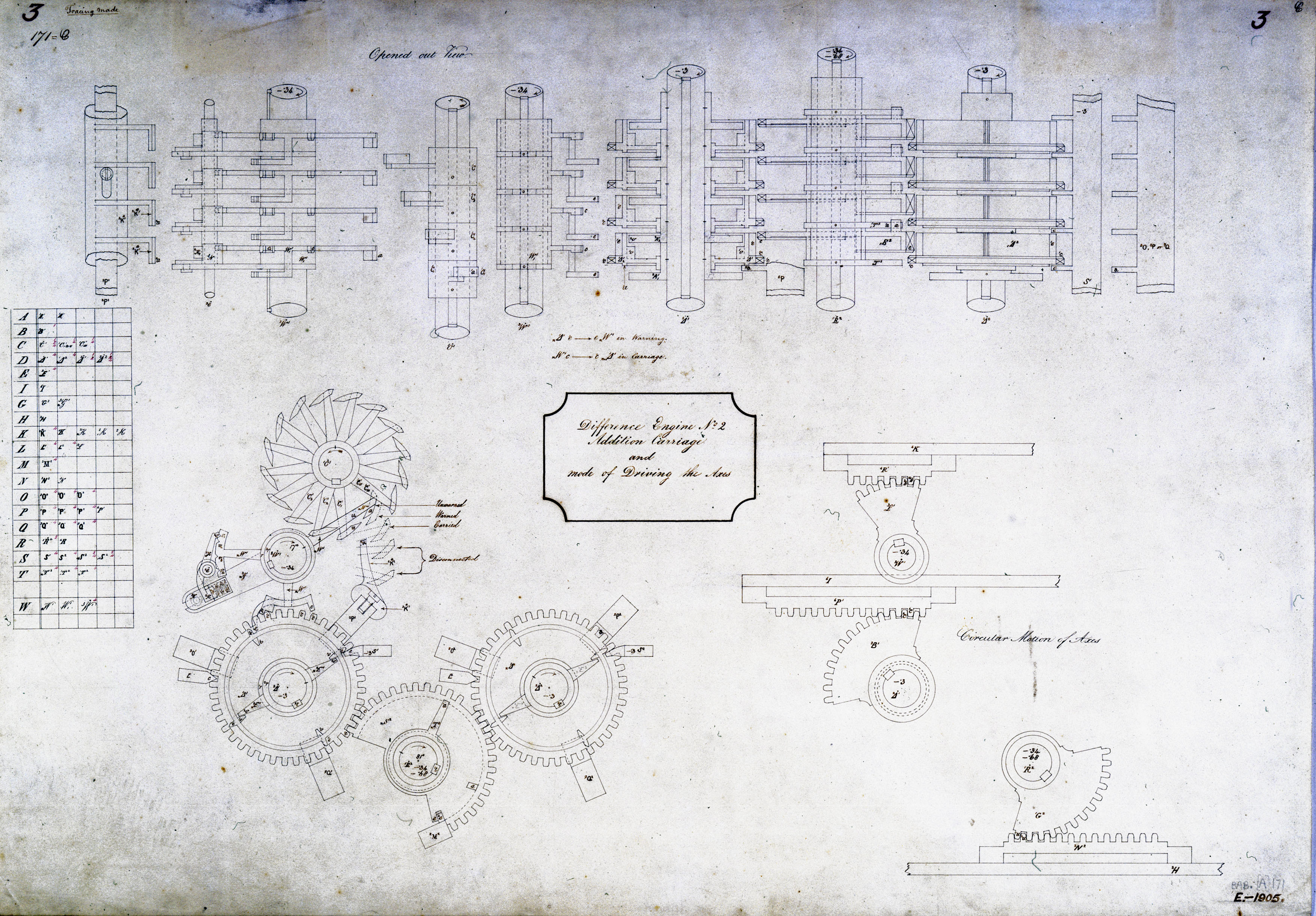
We’re welcoming in the New Year with a look at just a few of the exciting things happening at the Museum in 2013.
So whether it’s Zombies, art or the Large Hadron Collider that interests you, there’s something for everyone in the Museum this year.

Our Inventor in Residence, Mark Champkins, on inventing the future of Christmas. “I started to wonder where my Christmas tree had come from? Could it ever be replaced? I then struck upon the idea of the Bio-Bauble..”

On 7 December 1972, Apollo 17 blasted into orbit. It would be the final mission of the Apollo space programme.