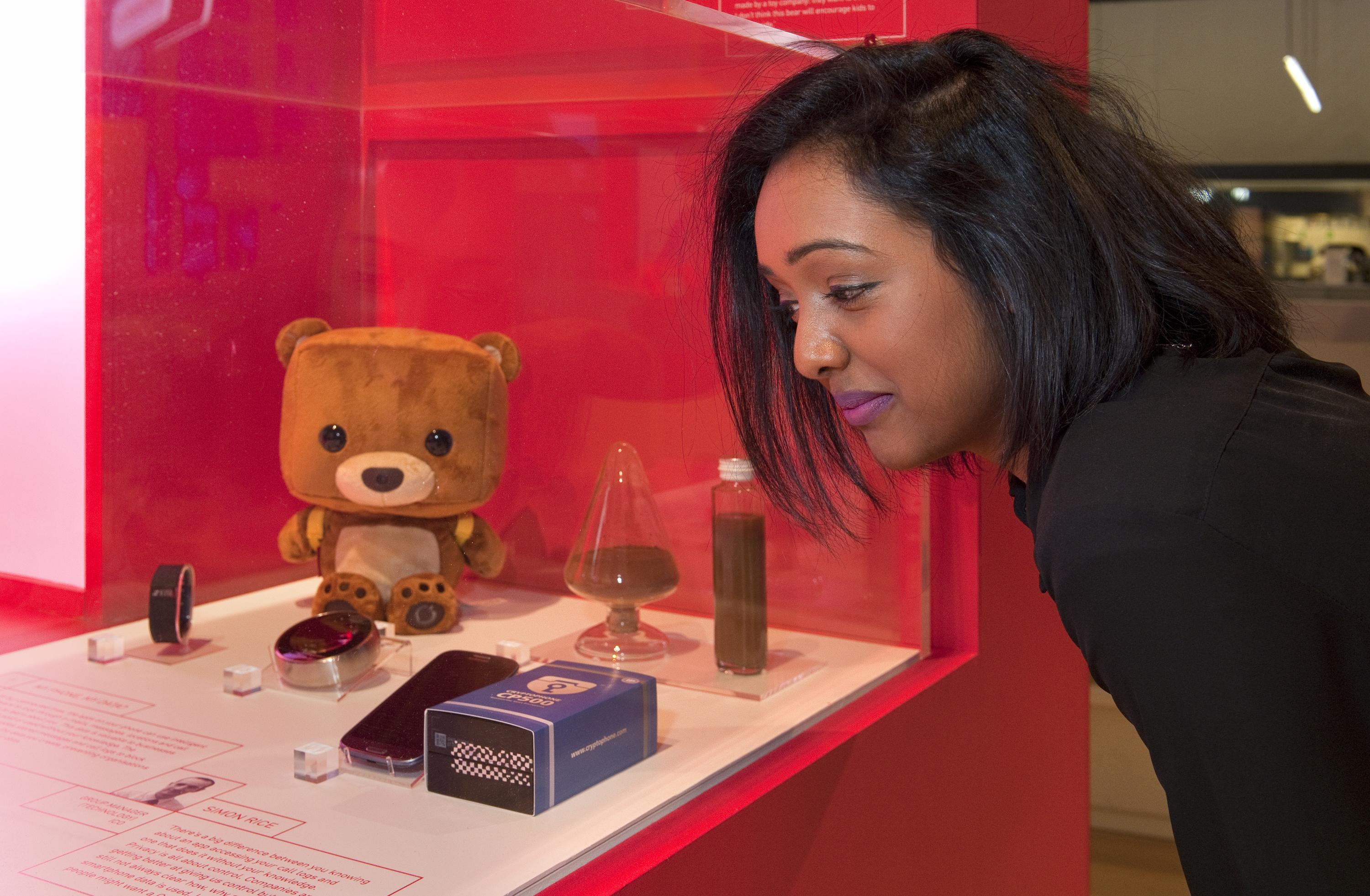
The vial of rust-coloured powder may not look like much but is a very special substance that can absorb and block magnetic fields. Sheldon Paquin explains more.
Explore the work of our contemporary science team who run the Tomorrow’s World Gallery. In partnership with the BBC the gallery inspires visitors with the latest scientific inventions and explores the impact they could have on our future.
The vial of rust-coloured powder may not look like much but is a very special substance that can absorb and block magnetic fields. Sheldon Paquin explains more.
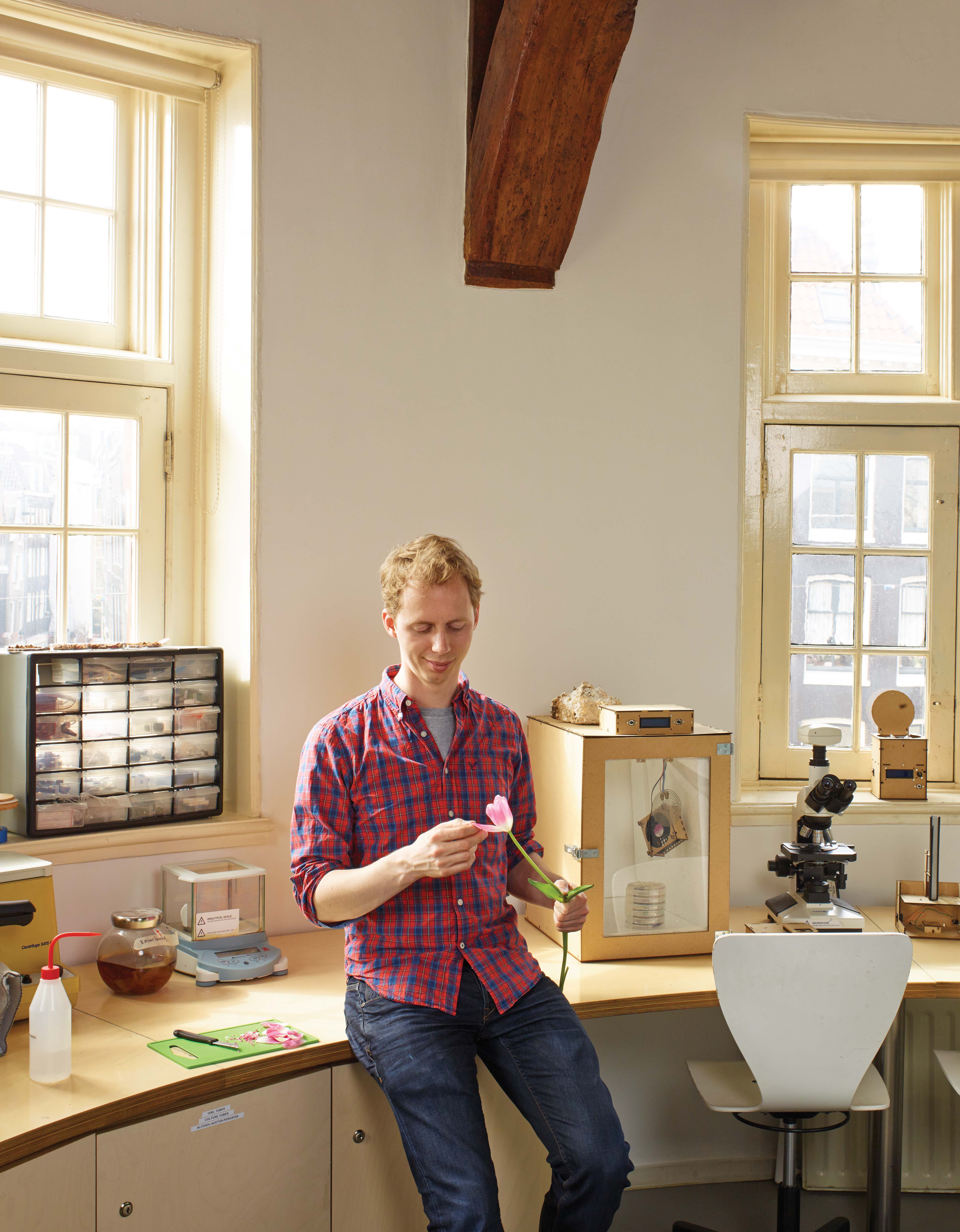
Pieter van Boheemen explores how antibiotics research is moving out of the lab and into the hands of the public.
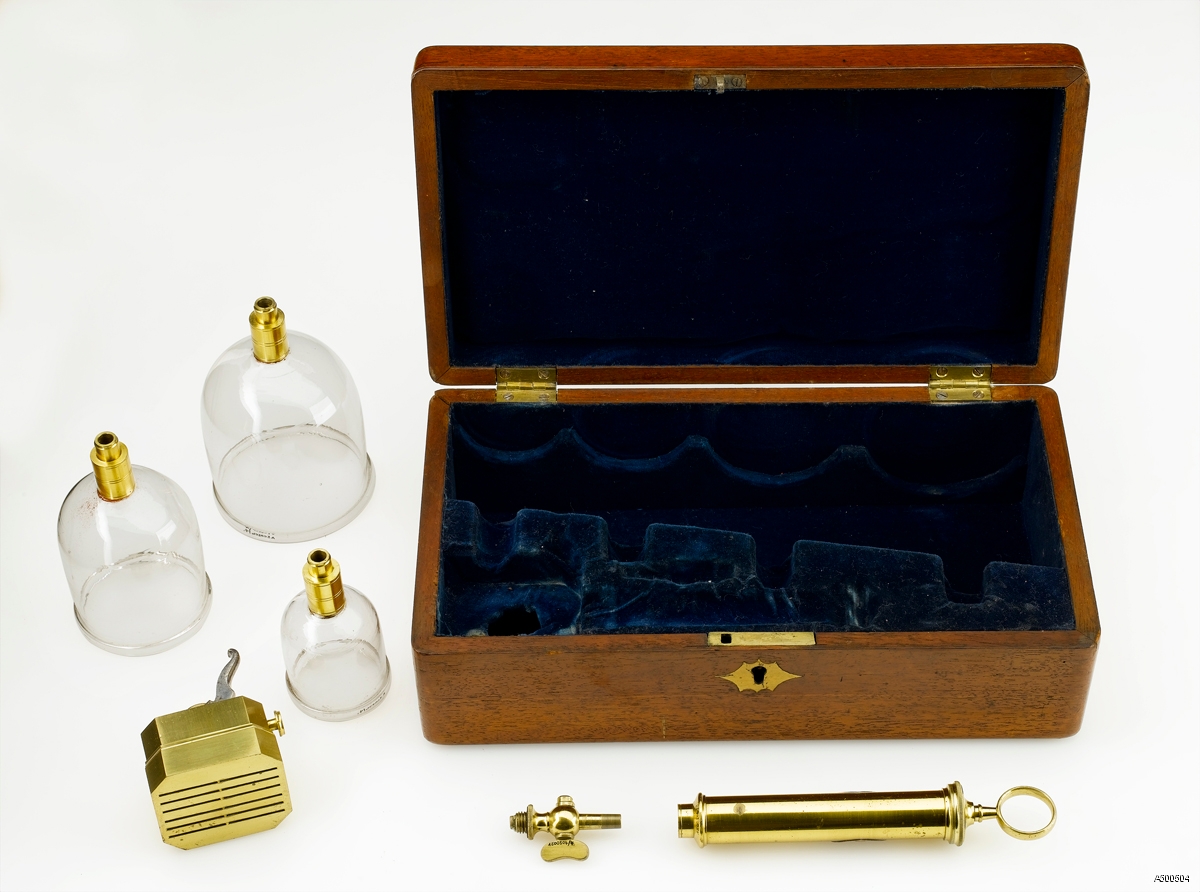
Mysterious red circles have appeared on the skin of Olympic athletes at Rio 2016. Assistant Curator of Medicine Jack Mitchell explains more.
Roger Highfield reflects on a new TV series by Prof Brian Cox, Forces of Nature.
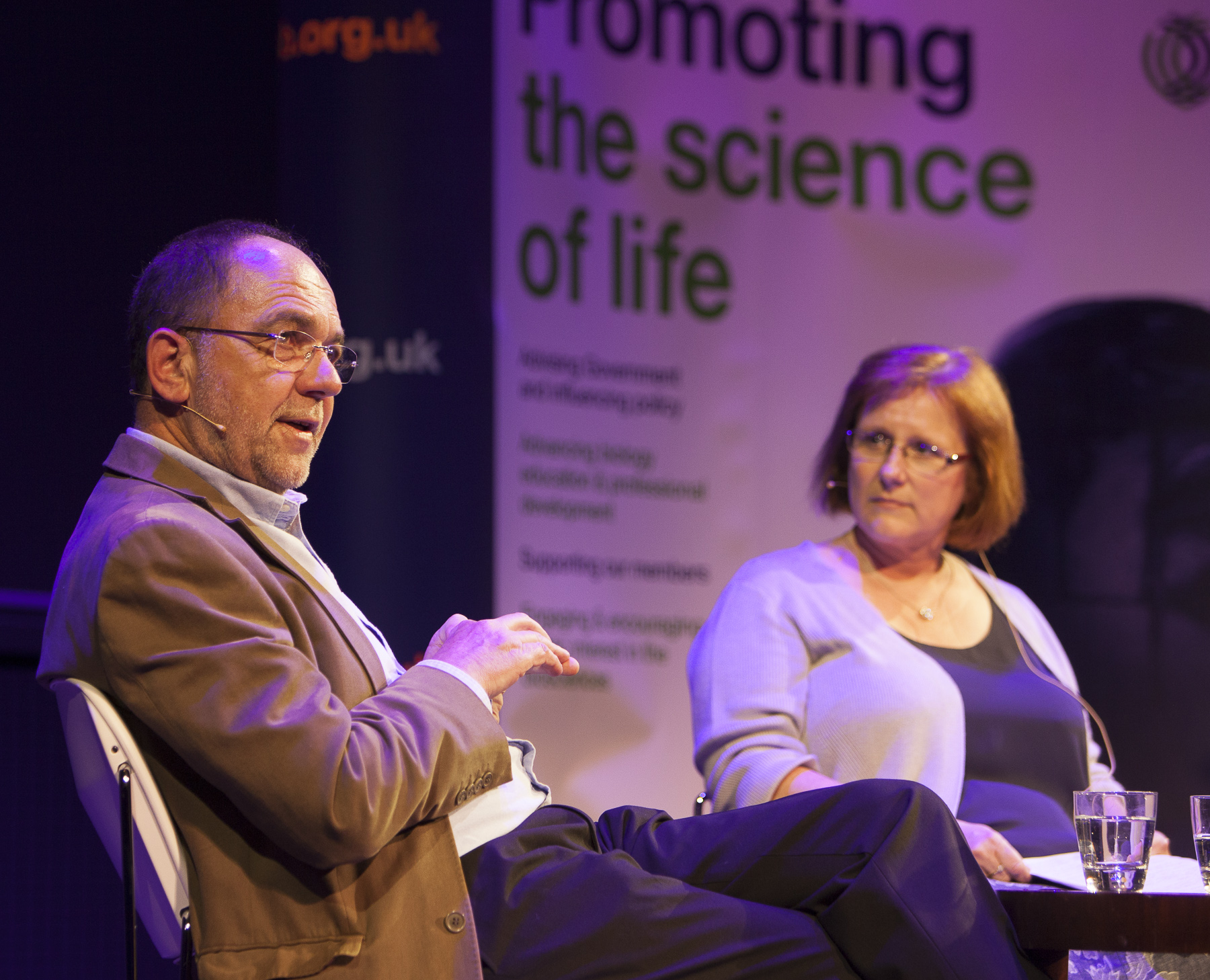
Natasha Little of the Royal Society of Biology discusses the work of DNA data pioneer, Sir Alec Jeffreys
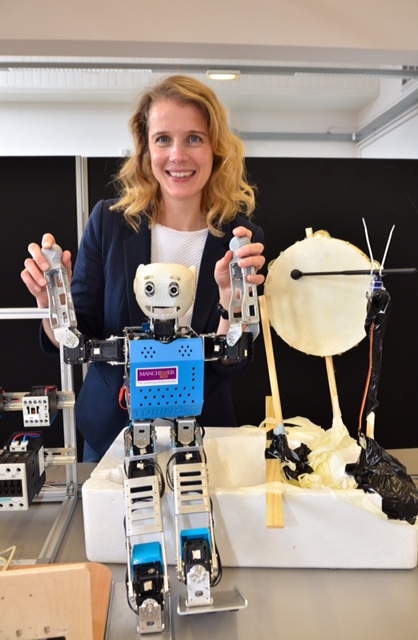
Professor Danielle George blogs on starting a robotic revolution with a crowd-sourced robot orchestra.
Roger Highfield reflects on a Cheltenham Science Festival discussion about a new direction for the interactions between art and science directions
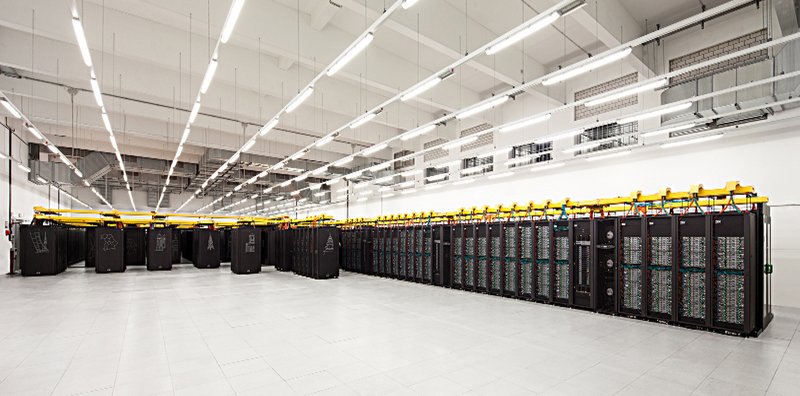
Roger Highfield describes a milestone supercomputer simulation that provides a glimpse of the future of medicine.
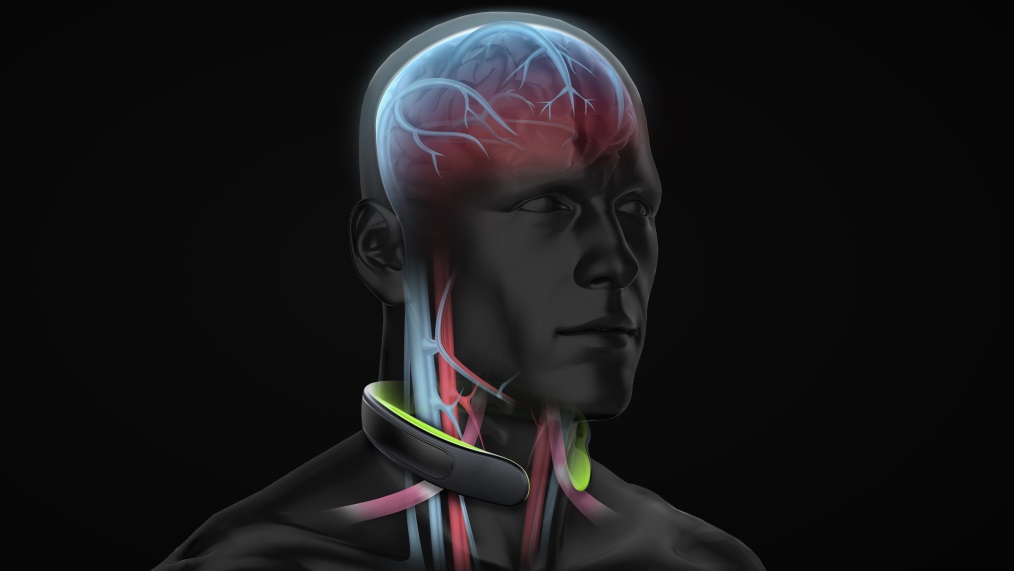
A new device that might help prevent brain injuries has gone on display at the Museum.
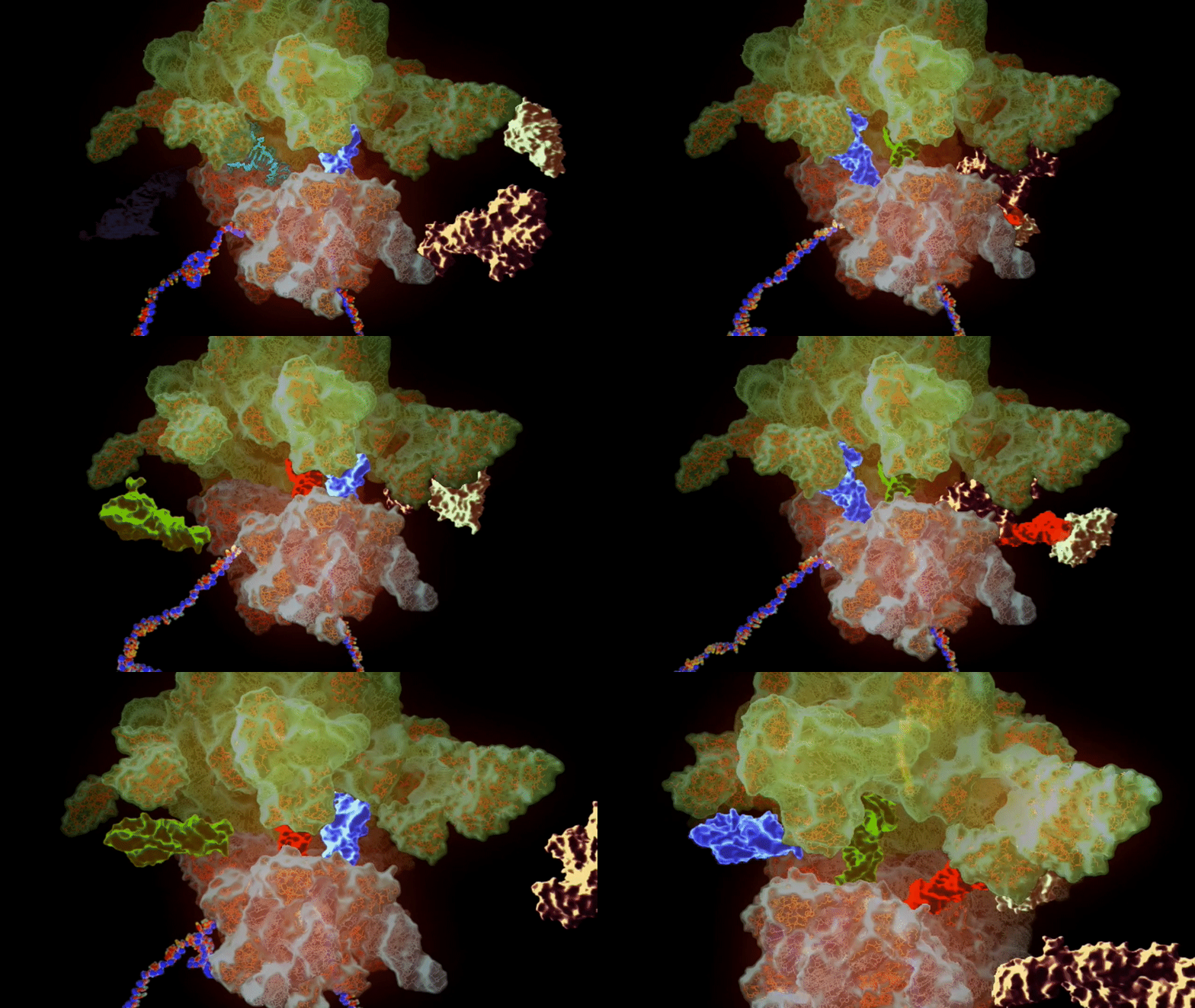
At the 2016 Hay Festival, Director of External Affairs Roger Highfield interviewed the President of the Society, Nobelist Venki Ramakrishnan.
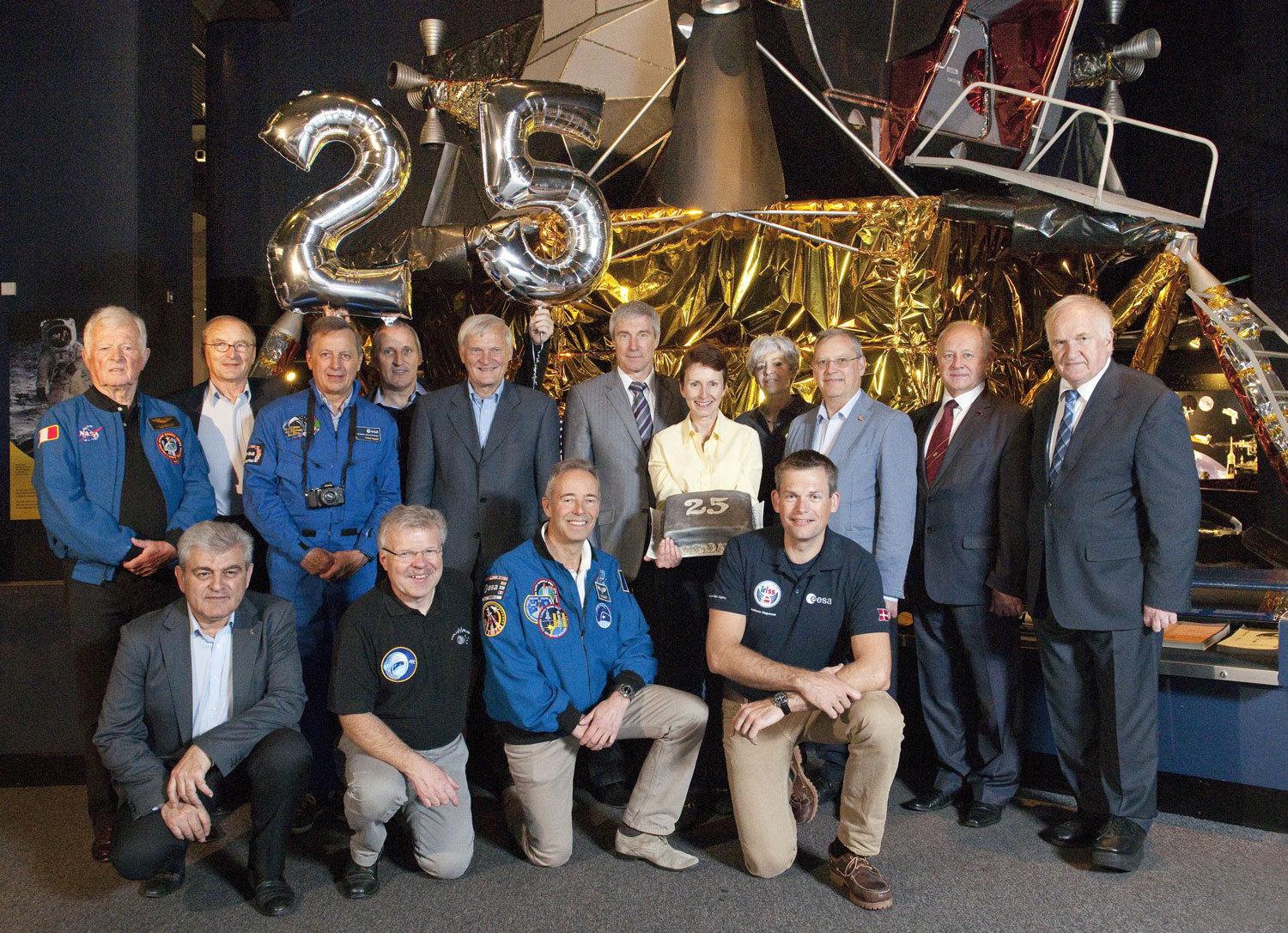
A galaxy of astronauts gathered at the Science Museum to celebrate 25 years since Helen Sharman became the first Brit in space.
Antimicrobial resistance is an issue that we are all facing now. If we do not crack this problem, we risk returning to the pre-antibiotic era, when infectious diseases were responsible for around 40% of all deaths.