
Two millennia ago, the Antikythera Mechanism was used in Ancient Greece to predict heavenly movements. Roger Highfield, Science Director, describes how this spectacular bronze computer was at least a millennium ahead of its time.
Two millennia ago, the Antikythera Mechanism was used in Ancient Greece to predict heavenly movements. Roger Highfield, Science Director, describes how this spectacular bronze computer was at least a millennium ahead of its time.

Today (11 December) is International Mountain Day, a UN initiative launched in 2002 to highlight the key role mountains play in biodiversity and livelihoods. Dr Julia Knights, Deputy Director of the Science Museum, explores the mountains of Brazil’s Amazon rainforest through the lens of the stunning images by Sebastião Salgado in the Amazônia exhibition at the Science Museum.

Deforestation in Brazil’s Amazon rainforest has soared by 22% within a year. Science Director Roger Highfield talks to Brazilian climate scientist Patricia Pinho about the profound implications for biodiversity, indigenous people, and global climate.

When Alexander Graham Bell first presented his telephone to audiences in the late 1800s, he made an interesting proposition. Bell suggested that this “talking telegraph” (the telephone) might be used for something other than transmitting and receiving messages. He suggested this invention could one day be used for something far more important – fun.
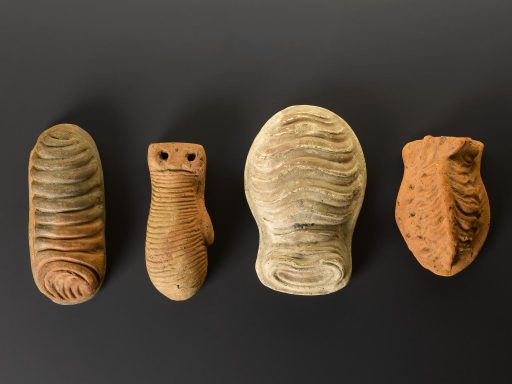
Assistant Curator Rebecca Mellor delves into the Science Museum Group’s collection of votives to explore the role of votive anatomical objects in health and public welfare in ancient civilizations.
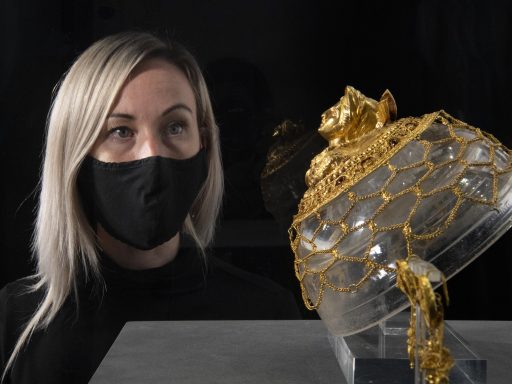
Chloë Abley describes the launch of the Science Museum’s latest exhibition, Ancient Greeks: Science and Wisdom.
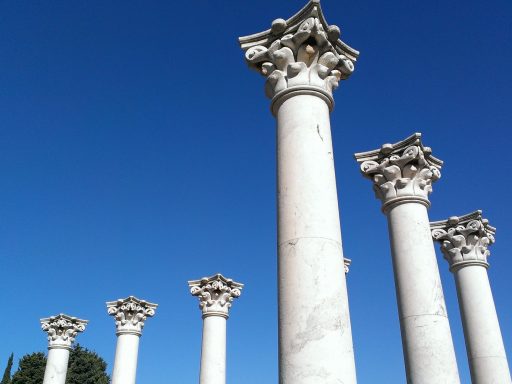
To mark the opening of Ancient Greeks: Science and Wisdom, Dr Despina Ignatiadou from the National Archaeological Museum Athens discusses the story of Hermes, messenger of the Gods, exploring his significance through the artefacts devoted to him.
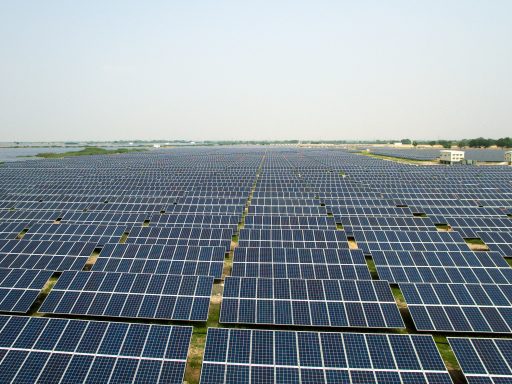
Exhibition adviser Bob Ward reflects on the announcement of Energy Revolution: The Adani Green Energy Gallery.
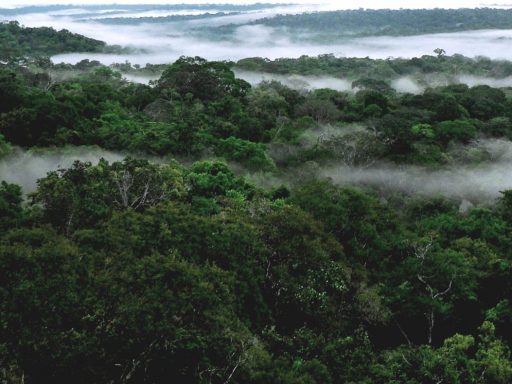
As the 26th UN Climate Change Conference of the Parties (COP26) draws to a close Katy Barrett, Curator of Art Collections, uncovers how rewilding and reforesting our planet can become our greatest ally against climate change.
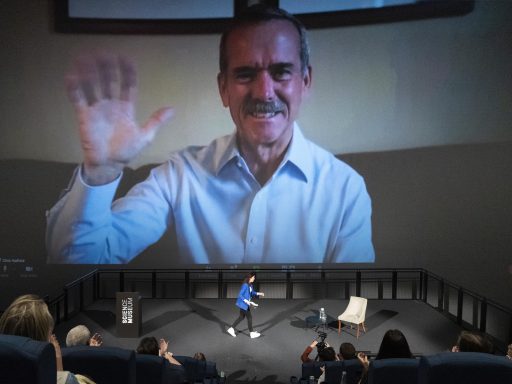
As live events return to the Science Museum, including its popular Lates series kicking off later this month, Chloë Abley shares the experience of hearing Chris Hadfield in conversation with Professor Lucie Green.
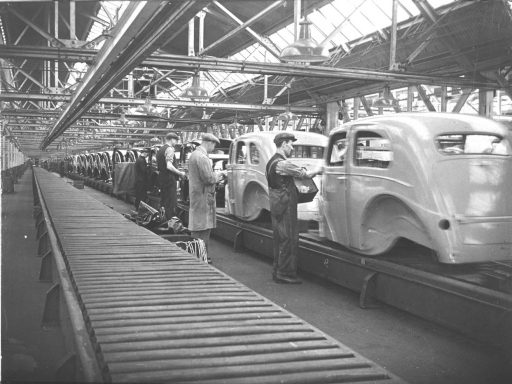
To mark Black History Month we’re exploring the story behind one of our most iconic objects on display, the Model T-Ford, and the relationship of this ground-breaking automobile with the Black British community in East London in the 1950s and 1960s.
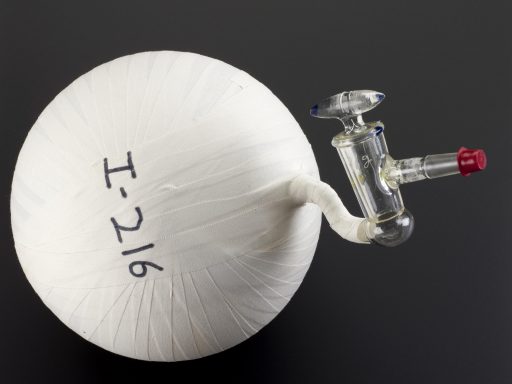
Sir Ian Blatchford reveals details of a new gallery opening at the museum.