Today, to celebrate the anniversary of the first full-body MRI scan, we took a tour of our Mind Maps exhibition with curator Phil Loring. Phil shared his favourite objects and stories from the exhibition with our followers on Twitter.
The Science Museum Group Director, Ian Blatchford, discusses the Science Museum’s aims and commercial activities.
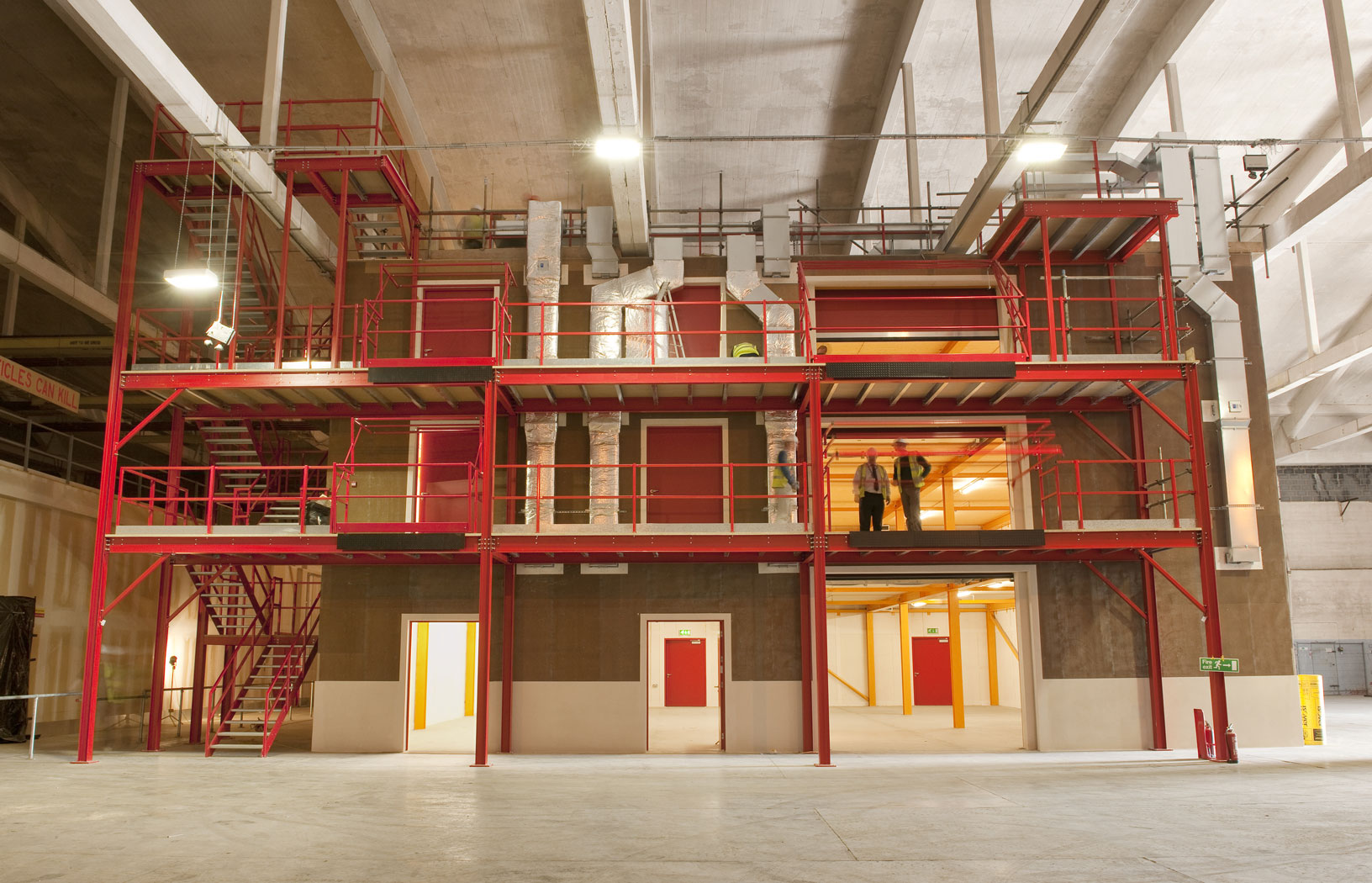
In the next of our series of posts linked to The Rubbish Collection, Matt Moore, Head of Sustainable Development for the Science Museum Group, looks at how we measure and minimise the environmental impact of our exhibitions and galleries.
Curator Peter Morris shares nine unusual facts about the Science Museum to celebrate our 105th birthday (26 June 1909).
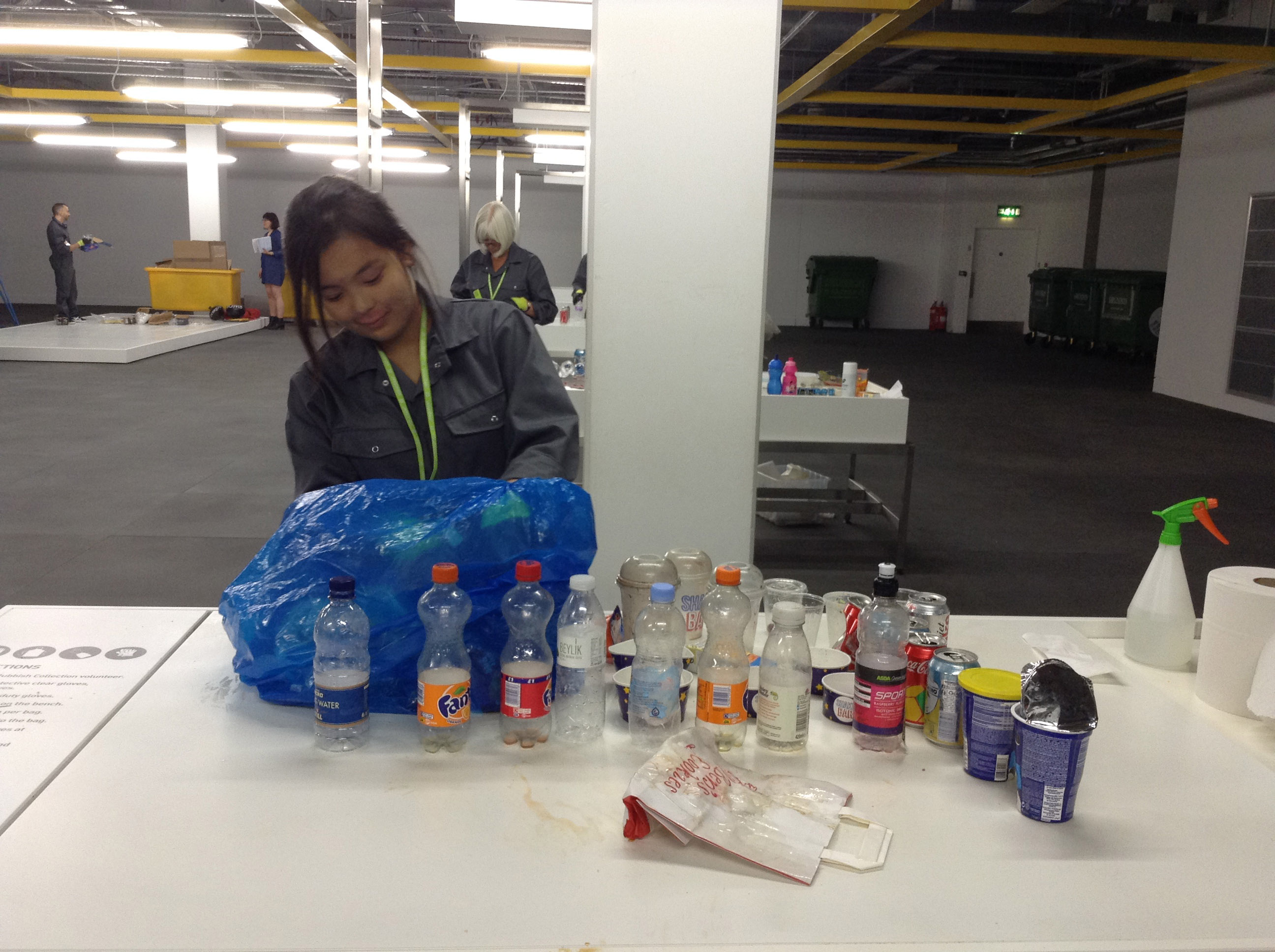
In this week’s blog from The Rubbish Collection, Corrinne Burns, Content Developer at our Antenna Gallery gets a volunteer’s view on the exhibition. ‘Do people just get naked in the Science Museum?’ Katyanna Quach asks me, with a suspicious look in her eyes. Before I have time to give that mental image the thorough probing that it deserves, I’m given a bit of context. “We’ve found a bra, some shoes…” ‘And an entire suit. And money. And a television,’ adds […]
Mark Champkins, Inventor in Residence, looks at how 3D printing helped him bring to life a young inventor’s bright idea Have you spotted an unusual looking yellow and pink device sitting among the wall of 3D printed people in our current exhibition? Known as the Pediclean, the object is a prototype for a manual foot shower product, designed by Sophia Laycock, the winner of a competition we ran last year – which called on young people to come up with […]
The Chancellor, George Osborne, has announced his ambitions to create a northern “supercity” to rival London as a global hub by building HS3, a high speed rail link between Manchester and Leeds. He was speaking, appropriately enough, at our sister museum, the Museum of Science and Industry, Manchester, which tells the story of where science met industry to create the modern world and, as the Chancellor himself highlighted, is the site of the world’s oldest surviving passenger railway station. His […]
Roger Highfield discusses the Longitude Lounge at the Science Museum
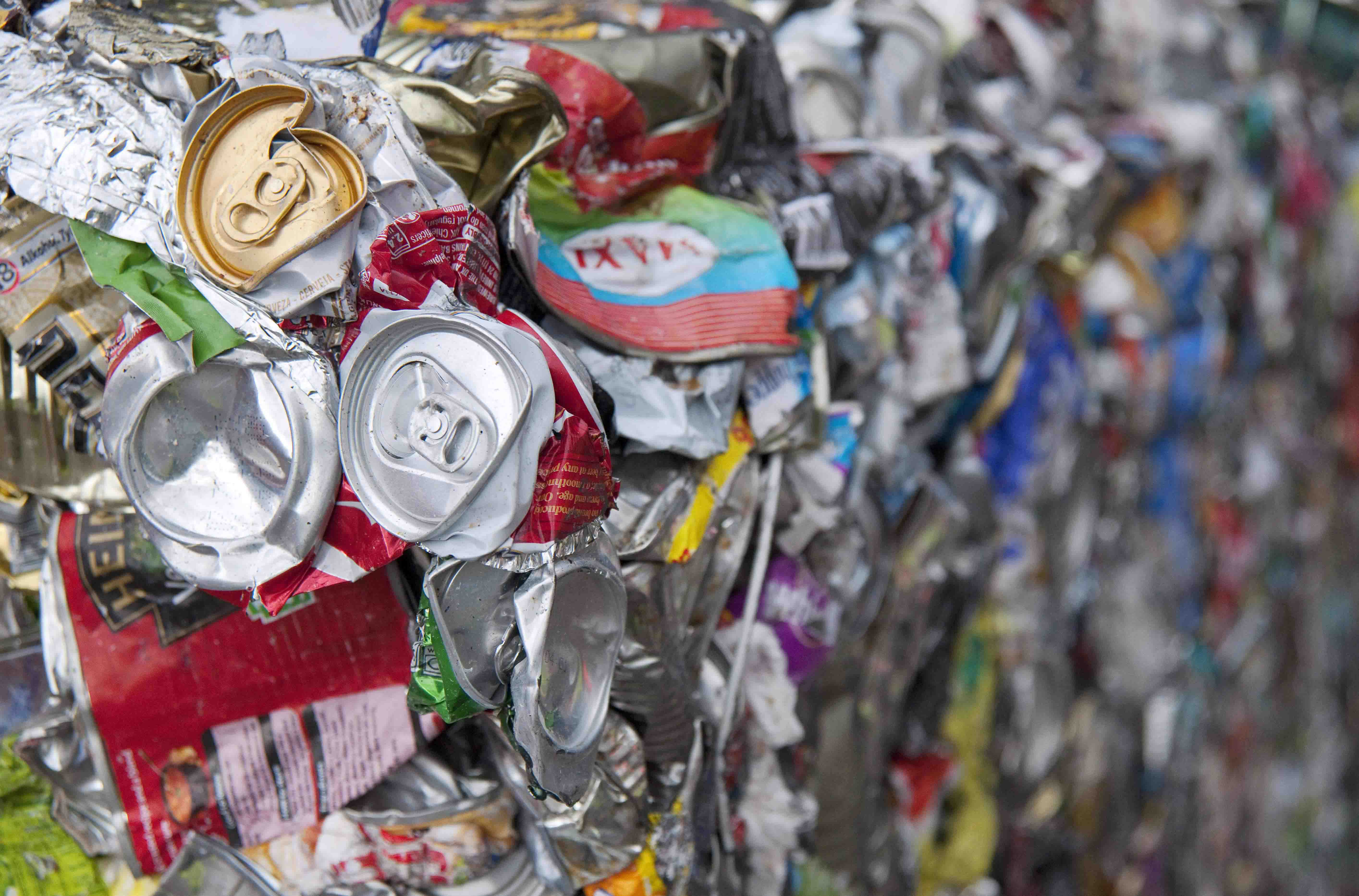
Project Curator of The Rubbish Collection, Sarah Harvey, considers how art can inspire us to question our everyday relationships with ‘rubbish’.
Playwright and novelist Michael Frayn discusses his most famous work in conversation with the Director of the Science Museum.
Ulrika Danielsson reflects on the first woman to travel into space.
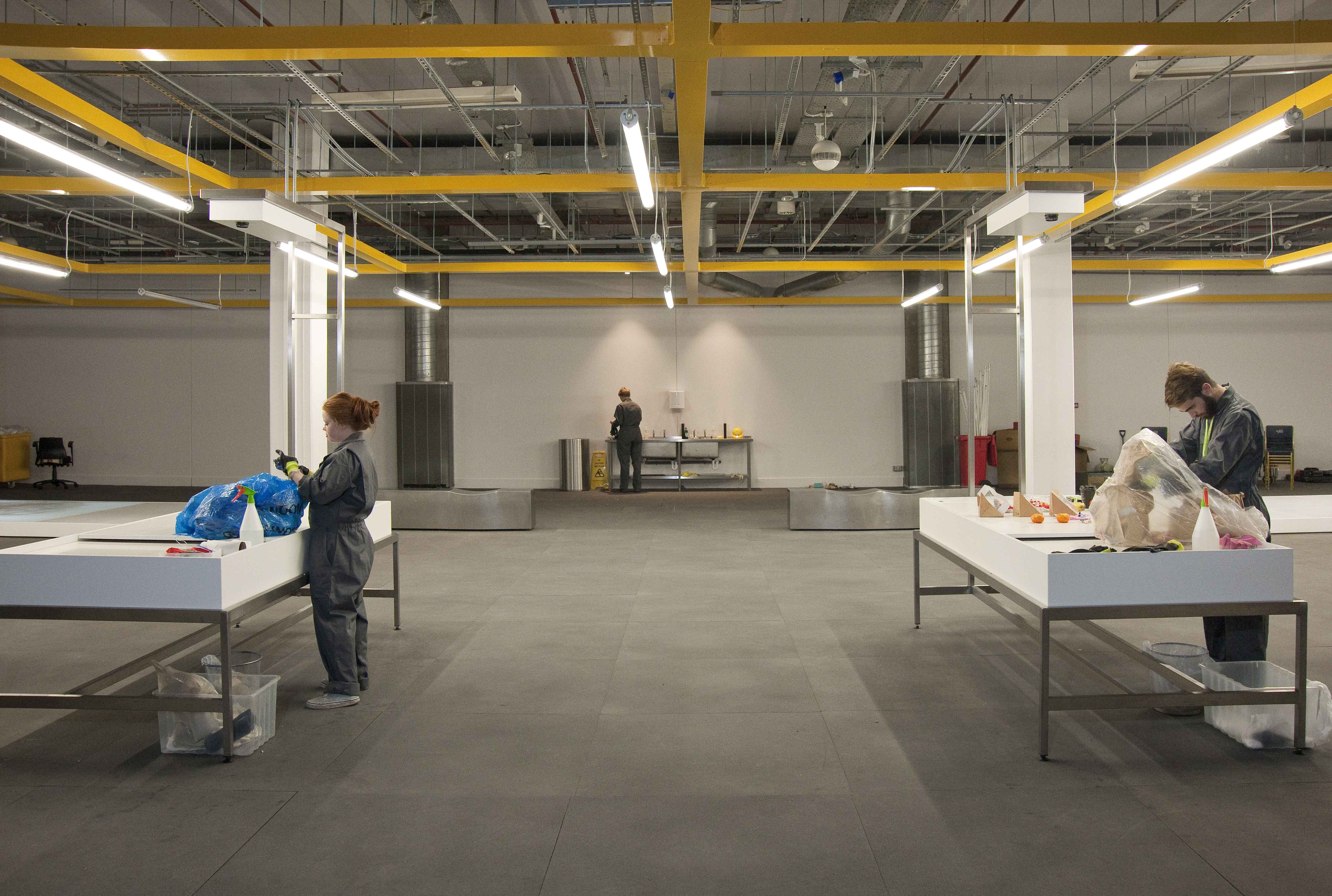
This summer the Science Museum is doing something crazy. It is allowing members of the public to rummage through its bins, writes artist Joshua Sofaer.