This blog post is writted by Chloe Vince, volunteer for Information Age. Information Age is a brand new communications gallery opening in 2014. “Joel, I’m calling you from a ‘real’ cellular telephone. A portable handheld telephone.” These words, spoken by Martin Cooper – a senior engineer at Motorola, to Joel Engel – a competing developer at the company Bell Labs, began the first ever conversation to be had on a mobile telephone. It was 40 years ago that Martin Cooper, […]
A while ago the Science Museum took part in a project called First Time Out – where museums put on display a ‘treasure’ from their stored collections that had never before been seen in public. Well we’re giving it a go again – but this time the project is larger than ever. Ten museums, from all over England, have paired up to swap objects from their collections, with the Science Museum partnering with the Discovery Museum in Newcastle (a great […]
Micol Molinari writes about the launch of Enterprising Science, the largest science learning programme of its kind in the UK.
Dr. Harry Cliff, a Physicist working on the LHCb experiment and the first Science Museum Fellow of Modern Science, writes about his recent filming trip to CERN for Collider, a new Science Museum exhibition opening in November 2013. The first part can be read here. Day 2, Thursday On the first day of the Collider exhibition team’s visit to CERN we had explored the architecture and interiors of the town-sized laboratory. Now it was time to enter its beating heart: the gigantic experiments probing the fundamental laws […]

Dr Helen Peavitt explores the technology used to conquer Mount Everest.
Guest post by Apprentices Jorden, Vicki & Toni Hello everyone! We are the bubbly young apprentices who work in the Learning department (mainly with the Explainers) at the Science Museum. We are here to gain vocational skills and experience in a working environment. This will prepare us for work in the future and provides us with a Level 2 NVQ in Cultural Heritage and Venue Operations qualification, which is widely recognised by employers. Jorden, 17 “I chose to do an […]
Rachel Boon, Assistant Curator of Technologies and Engineering, writes about Apollo 10 and four decades of space exploration. Forty four years ago today, on 26th May 1969, NASA’s Apollo 10 command module and crew of three splashed into the Pacific Ocean after eight days in space. The mission, a dry run for Apollo 11, returned valuable information about our nearest cosmic neighbour ahead of the Moon landing later that year. The team of three astronauts – Thomas Stafford, John Young and Eugene Cernan […]
Dr. Harry Cliff, a Physicist working on the LHCb experiment and the first Science Museum Fellow of Modern Science, writes about his work on Collider, a new Science Museum exhibition opening in November 2013. In the past year, I’ve become a regular passenger on the evening flight from Gatwick to Geneva, home of CERN and the mighty Large Hadron Collider. I think I could recite Easyjet’s pre-recorded safety announcement pretty much word-for-word if pushed. But this was a rather special trip, as I was visiting CERN […]
The Science Museum has been honoured for its green credentials this month by scooping two prestigious awards for its new Hemcrete storage facility at Wroughton. The innovative storage building which is made from hemp and lime, was honoured for its sustainable design by winning the Sustainability Award at the Museums and Heritage Awards – beating stiff competition from the BP Showcase Pavilion at the Olympic Park and the Museum of Surfing. The project was also recognised earlier this month at […]
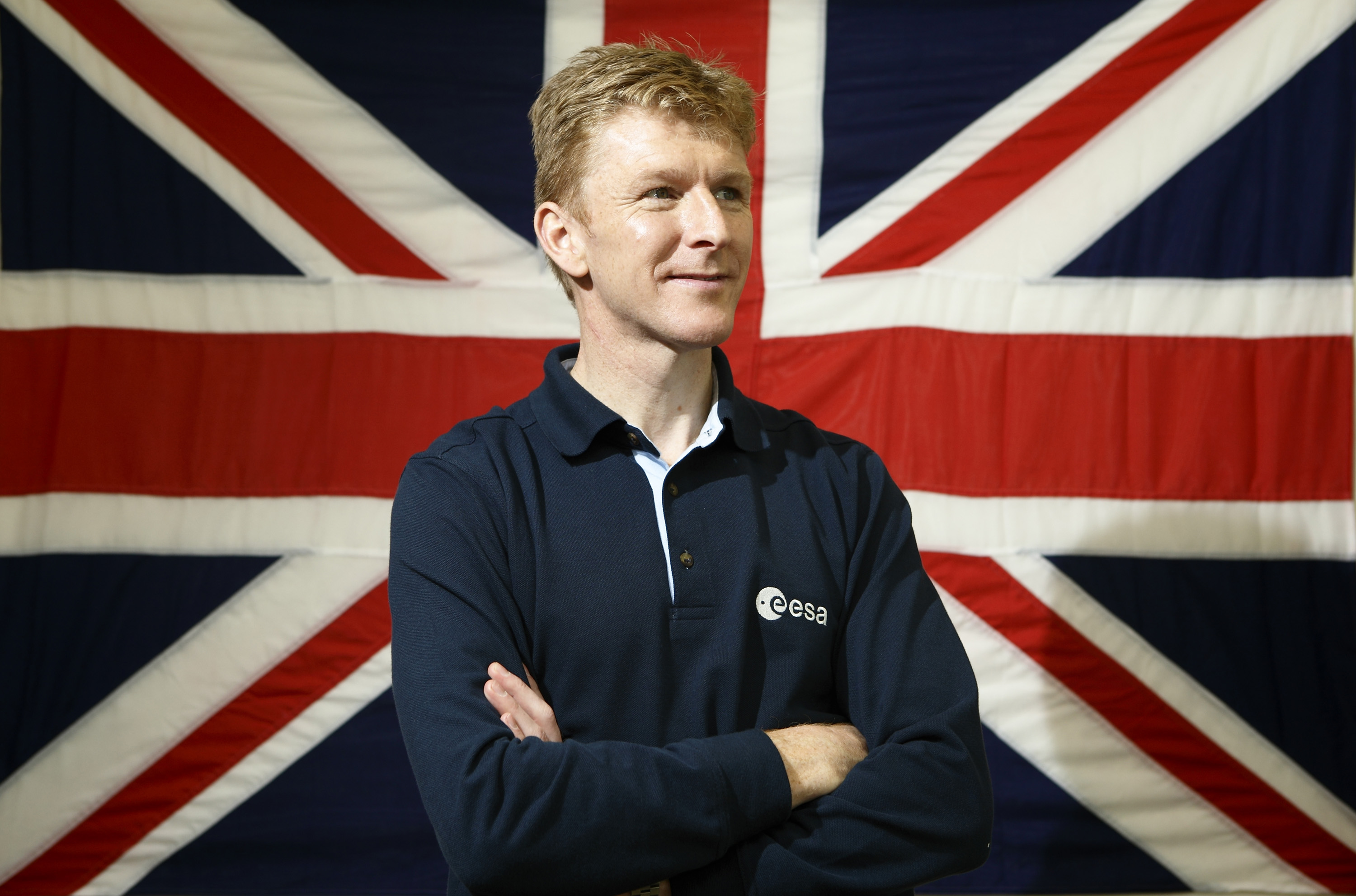
The Science Museum has welcomed many astronauts and cosmonauts over the years and each time our visitors have been spellbound. Today, we witnessed the announcement of Briton Tim Peake’s mission to visit the International Space Station, ISS. Peake (who tweets as @astro_timpeake), will join Expedition 46 to the ISS, and will be carried aloft by a Soyuz mission in November 2015. His selection by the European Space Agency was announced to the world’s media in the Science Museum’s IMAX at an event introduced by […]
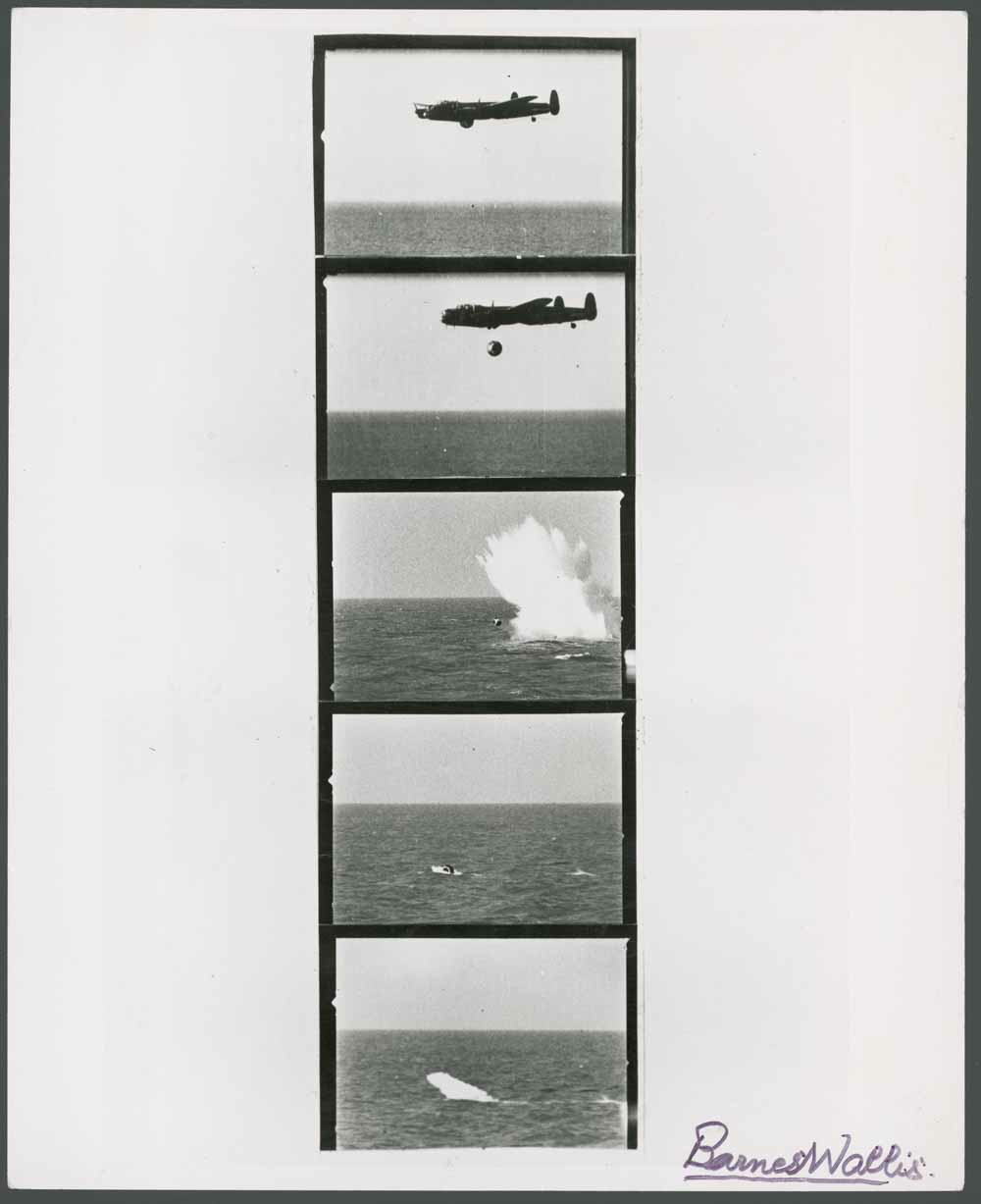
Seventy years ago, in the early hours of the 17 May 1943, 8 Lancaster bombers flew back to RAF Scampton and into the history books as part of the daring Dambusters raid.
Guest post by author Tony White, who writes about his new novel Shackleton’s Man Goes South, the Science Museum’s 2013 Atmosphere commission. Download the book here. I’m really excited that the moment you turn the corner from the lifts on the 2nd floor of the Science Museum you get a clear view right across the Atmosphere Gallery to a large logo on the opposite wall, twenty-feet high, which seems to be melting or dripping down the wall but which still recognisably spells […]