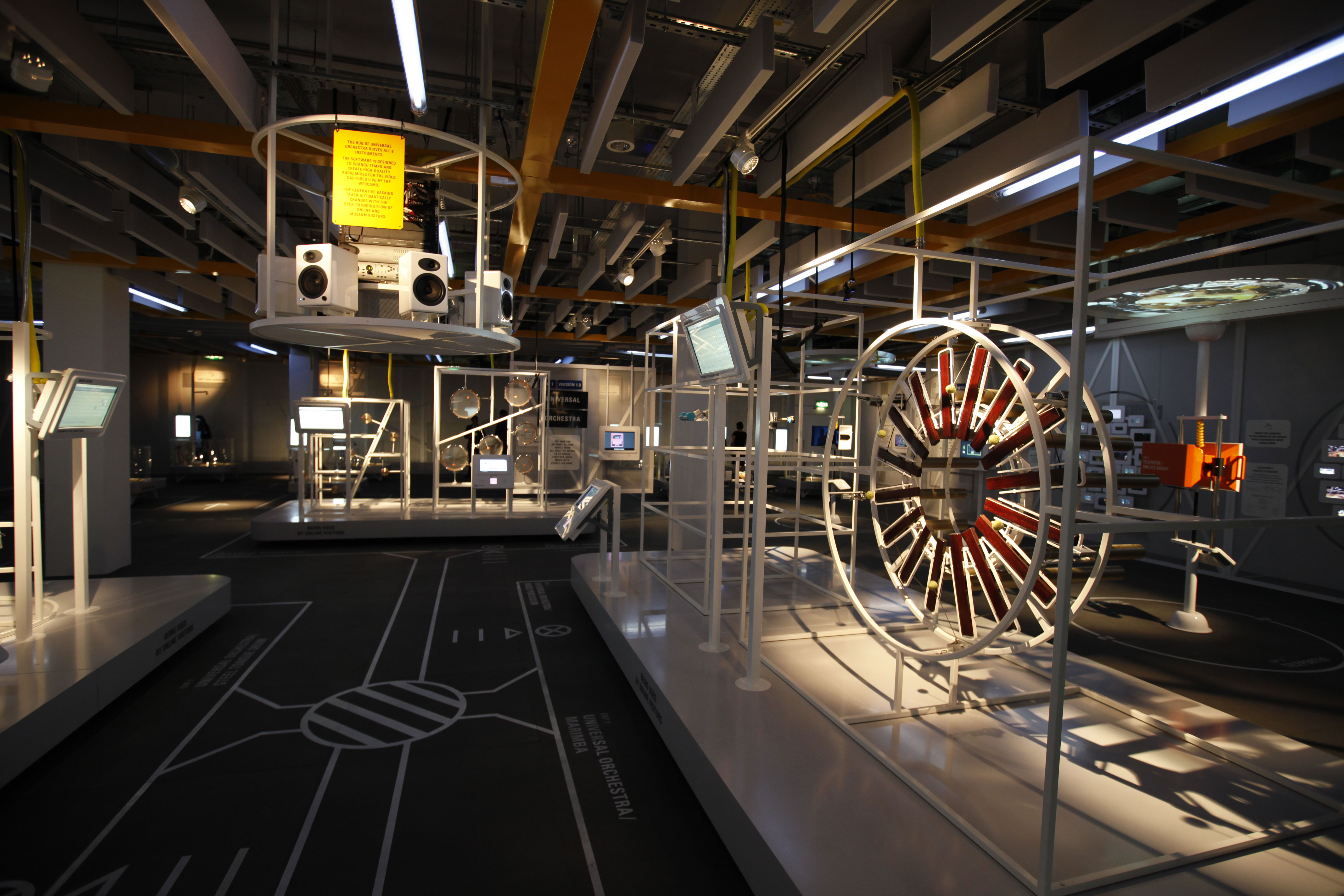
Chrome Web Lab has been nominated for three Webby Awards but now we need your vote.
Chrome Web Lab has been nominated for three Webby Awards but now we need your vote.
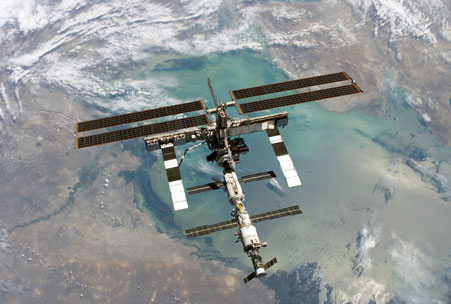
Have you ever wondered how you clean your teeth in space? It’s not a problem for most of us, but for the six astronauts orbiting above us in the International Space Station, even simple tasks can be challenging in microgravity.
How many people do you know that have had a cataracts operation? Cataract (the clouding of the lens of the eye) have been operated on for hundreds of years. One of the earliest operations was couching – pushing the clouded lens out of the way to restore some vision. By the 1740s, methods were developed to remove the lens completely. However it wasn’t until the 1940s, that a successful artificial alternative to the eye’s lens was found, the intra-ocular lens. While working […]
Explainers Dan and David appear on Channel 4’s Sunday Brunch,

Quantum dots will change the world says Prof. Jim Al-Khalili, and they deserve your vote as the innovation most likely to shape our future.
“No technology has been so pervasive so quickly as the internet. Twenty-five years ago it was a mystery to most people and now several billion of us use it everyday, several times a day.” Brian Eno on why you should vote for the the World Wide Web.
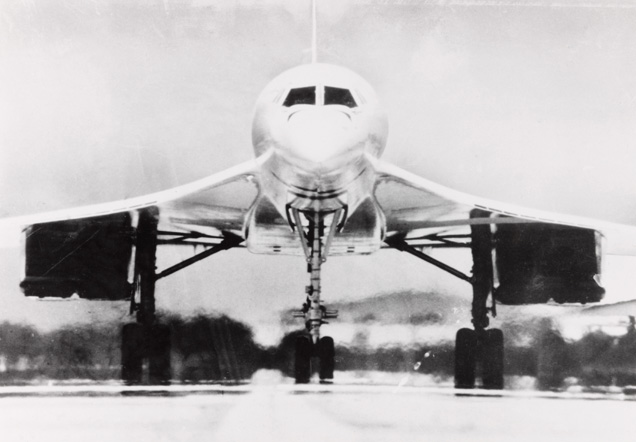
A 1970s aviation icon and triumph of engineering: Why Concorde is the greatest British innovation of the past 100 years.
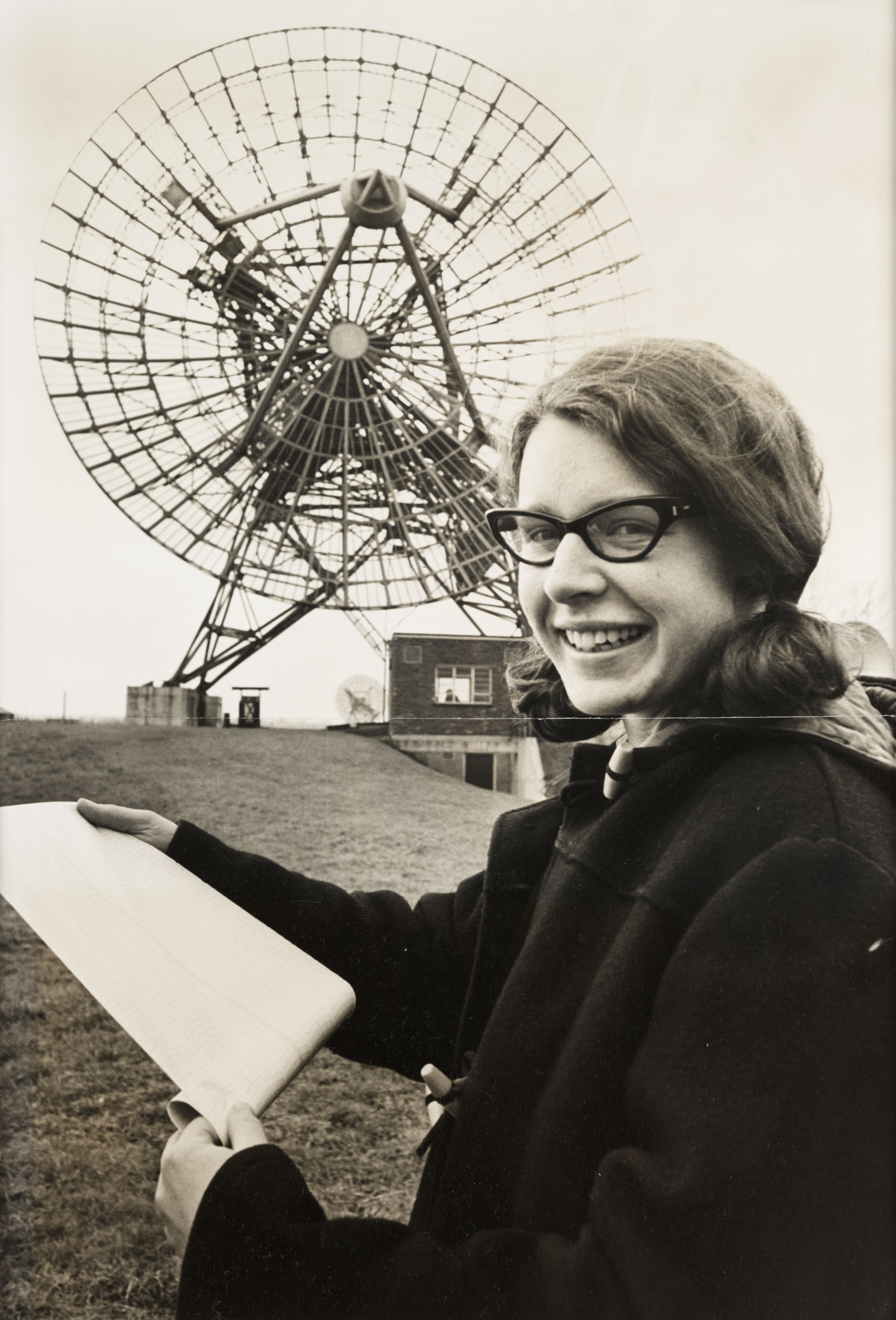
In 1967, a twenty-four year old post graduate student made one of the greatest astronomical discoveries in living memory. We take a quick look at the 1960s discovery of pulsars.
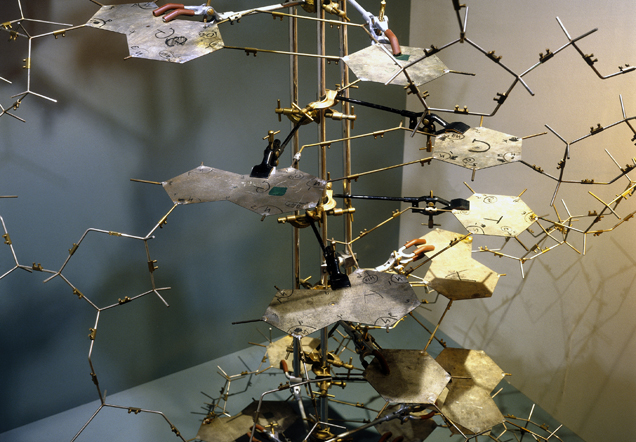
Almost all frontiers of biological research in the 21st century owe their origins to the discovery of the structure of DNA by two Cambridge scientists and their contemporaries at King’s College London 60 years ago.
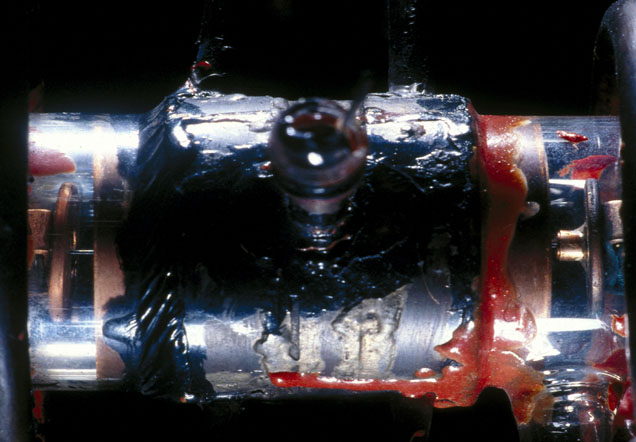
You might wonder what the humble microwave oven, University of Birmingham and changing the course of World War II have in common. The answer: the cavity magnetron.
Today we’re hosting The Giants’ Shoulders, a monthly event providing a taster of some of the best history of science the blogosphere has offered this month. News of a meteor breaking up over Russia and the close approach of an asteroid inspired many bloggers including Rupert Baker at the Royal Society Repository, Darin Hayton, Lisa Smith at the Sloane Letters Blog and Greg Good at Geocosmohistory. On the Board of Longitude Project blog, Alexi Baker surveyed how attitudes to inanimate objects […]

Without Turing’s Universal Machine, we would not have the computers that we take for granted today, which is why it deserves your vote as the Greatest British Innovation.