Tilly Blyth, Keeper of Technologies and Engineering, writes about the hidden histories of information. Information Age, a new £15.6m communication gallery, will reveal how our lives have been transformed by communication innovations over the last 200 years. Our new gallery on information and communications technologies, Information Age, will open in Autumn 2014. It will look at the development of our information networks, from the growth of the worldwide electric telegraph network in the 19th century, to the influence of mobile phones […]
Roger Highfield, Director of External Affairs at the Science Museum Group, writes about the 2013 Director’s Annual Dinner held in the Museum.
A few years ago, a friend asked a question that took me somewhat by surprise. “Alice,” he said, “is quantum physics right, or is it just a theory?” At the time I was in the midst of a physics degree, so my initial response was “I hope so!” Quantum physics matches up to experiment extraordinarily well – it is often called the most accurate theory ever. But the question, and subsequent conversation, made me realise how little many people know […]
Harriet Lamb, Senior Individual Giving Executive in our Development team, writes about the history of the 1851 Great Exhibition. Early May marks the anniversary of the opening of the Great Exhibition of 1851 (and therefore the origins of both the Science Museum and Victoria & Albert Museum). 100,000 objects from art to machinery, from all over the world were on display in an enormous purpose built glass structure – so big that it arched over two of the trees in Hyde […]
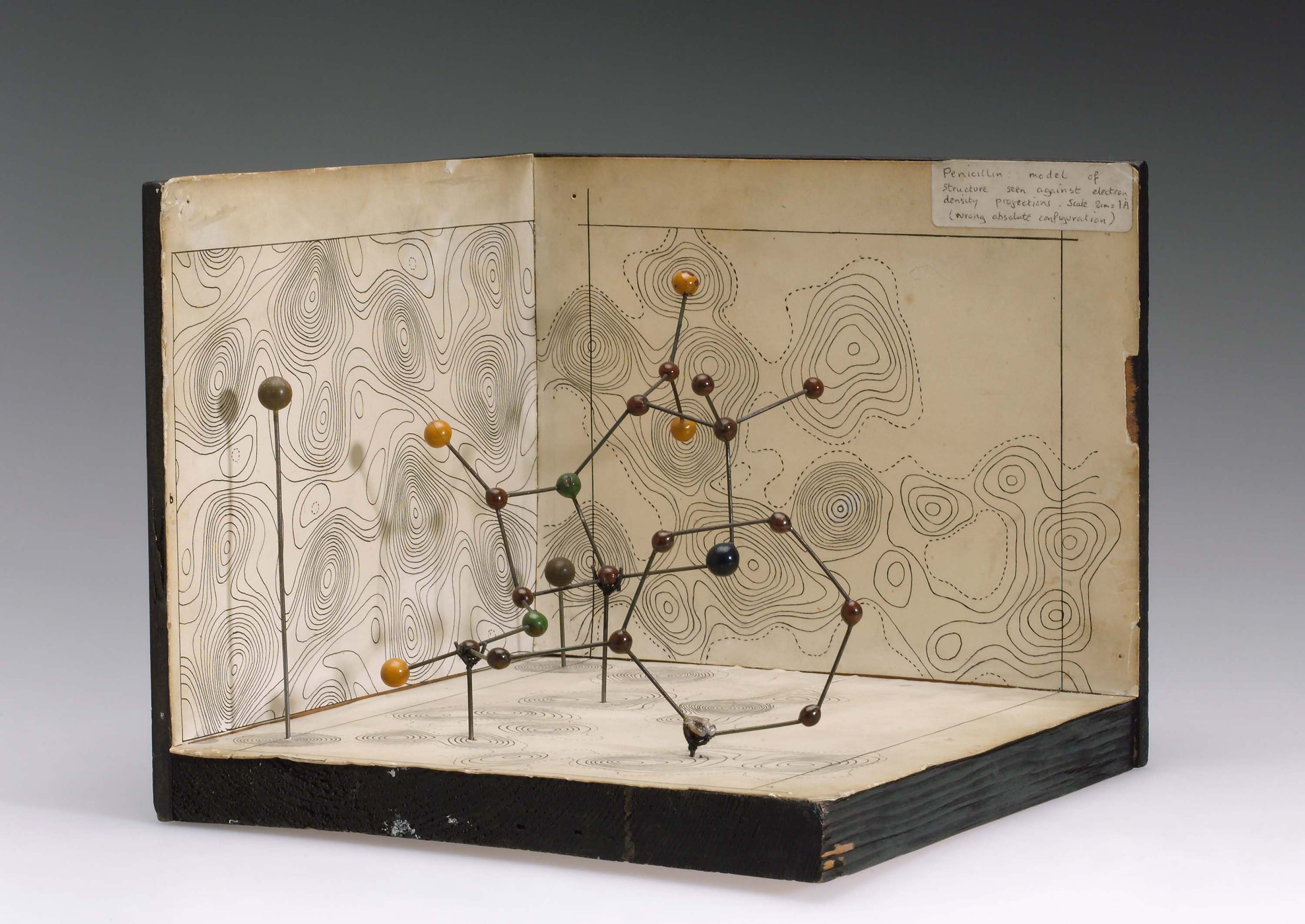
The things and objects of history are important because they provide a tangible connection to the past. Seeing, or better yet holding and touching, the stuff that generations now dead made and worked with enlivens history, shucking us from the present and its endless clamour for our attention. The Hidden Structures exhibition at the Science Museum trips us into the history of X-ray crystallography with a small but intriguing display of objects from the 1940s through to the 1970s. The […]
The Museum is looking for participants to help us create content and design a new way for visitors to engage with the objects on display in the museum.
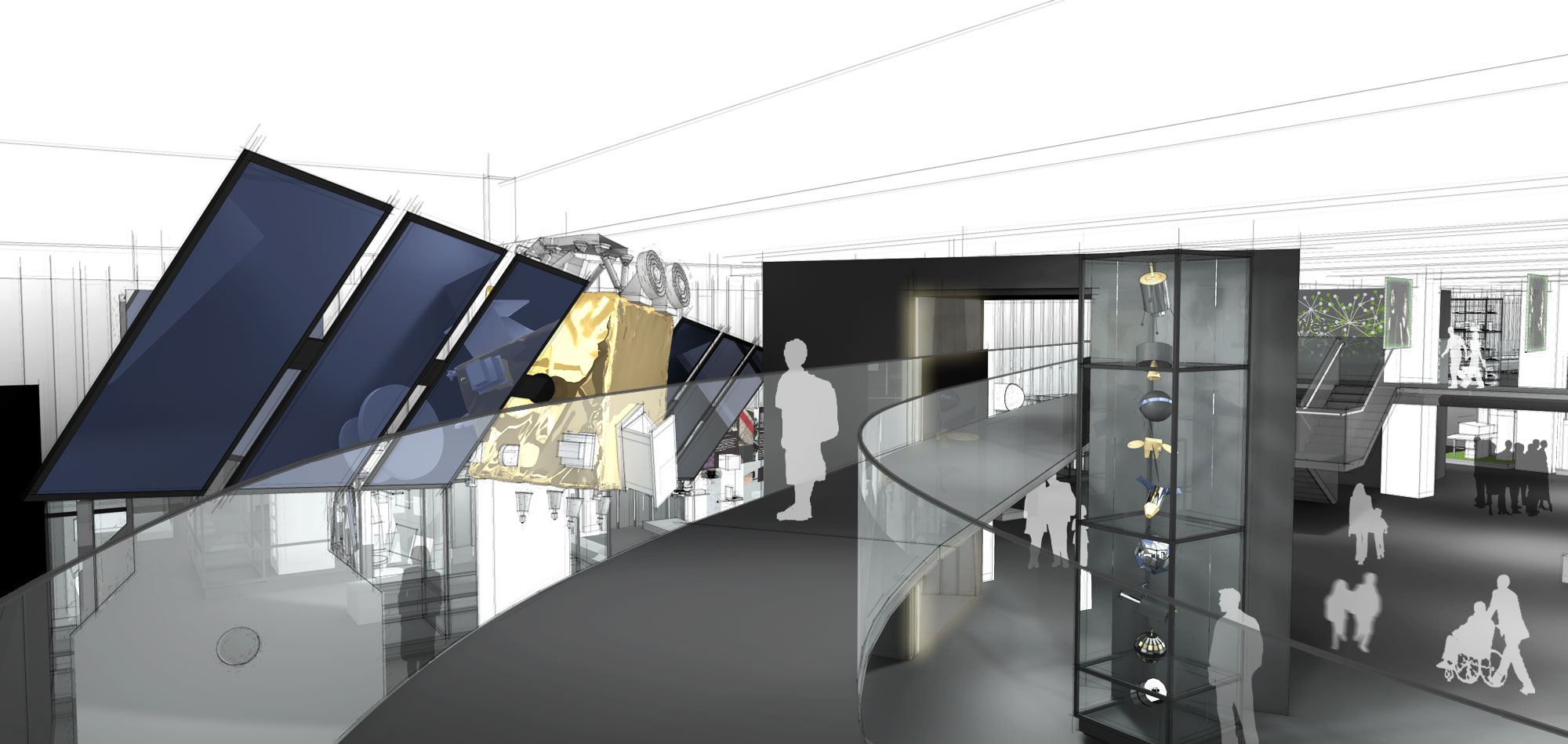
Last night the Science Museum announced exciting details about a new £16m communications gallery, Information Age, writes curator Charlotte Connelly
The museum’s plans to create a £4 million Media Space – a showcase for photography, visual media, technology and science – were outlined a few days ago to leading figures in drama, film and the arts, from Jenny Agutter and Imogen Stubbs to Terry Gilliam and Ben Okri. Ian Blatchford, director of the Science Museum Group, give an overview of how the new venture will open on the second floor of the museum this September to display some of the finest collections on the planet […]
In Emily’s second post, find out about one of her favourite art pieces in the Science Museum Sitting there, watching Listening Post, I was strangely mesmerised. The computer synthesised voices read out posts in different, monotonic keys, creating a calm chorus of gentle noise. I was completely hypnotised and probably could have sat there for hours… Created by artists Mark Hansen and Ben Rubin, Listening Post is an art project which came to the museum in 2003. It displays small […]
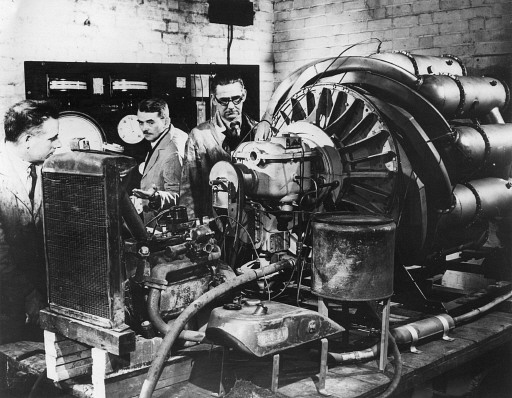
Dr Hayaatun Sillem from the Royal Academy of Engineering explains why continued investment in R&D is essential to rebalancing the UK economy.
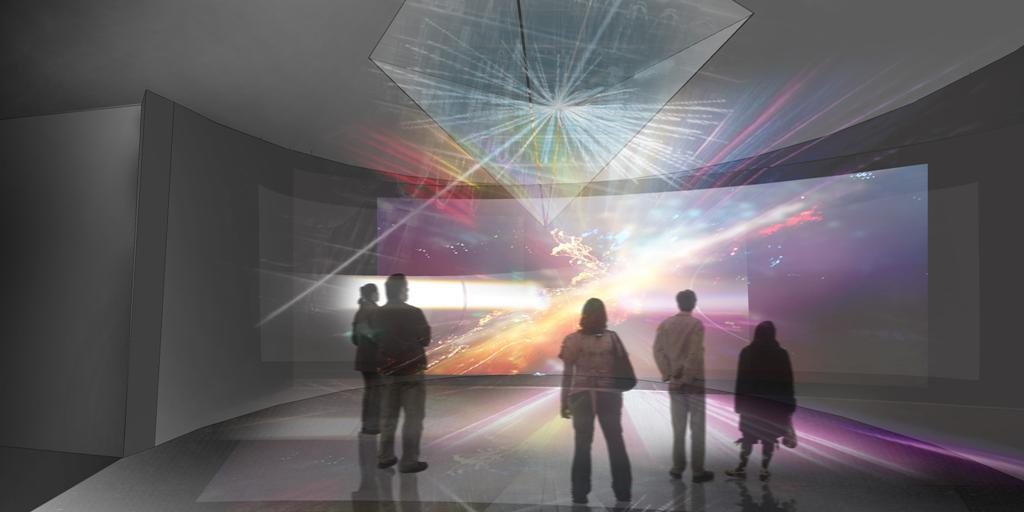
The Science Museum is bringing the LHC to London in a new immersive exhibition opening in November writes Dr. Roger Highfield
The unpredictable British weather has had a big impact on our lives already this year. So, as we emerge from the April showers, what better theme for a Lates evening is there than the science of climate change?