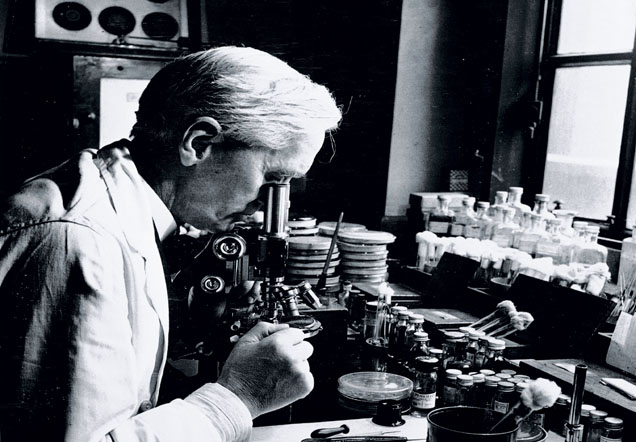
It’s hard to imagine life without penicillin. This drug, which many of us take for granted, has saved millions of lives since its discovery by Alexander Fleming less than a century ago.
It’s hard to imagine life without penicillin. This drug, which many of us take for granted, has saved millions of lives since its discovery by Alexander Fleming less than a century ago.
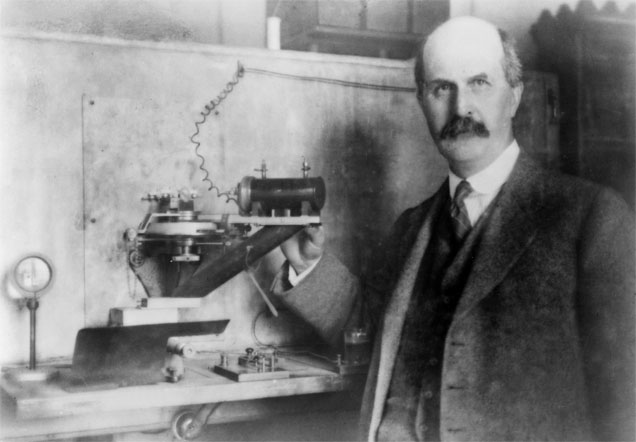
To paraphrase the great x-ray crystallographer Max Perutz: it’s even told us why blood is red and grass is green. ‘It is’ said Perutz ‘the key to the secret of life’.
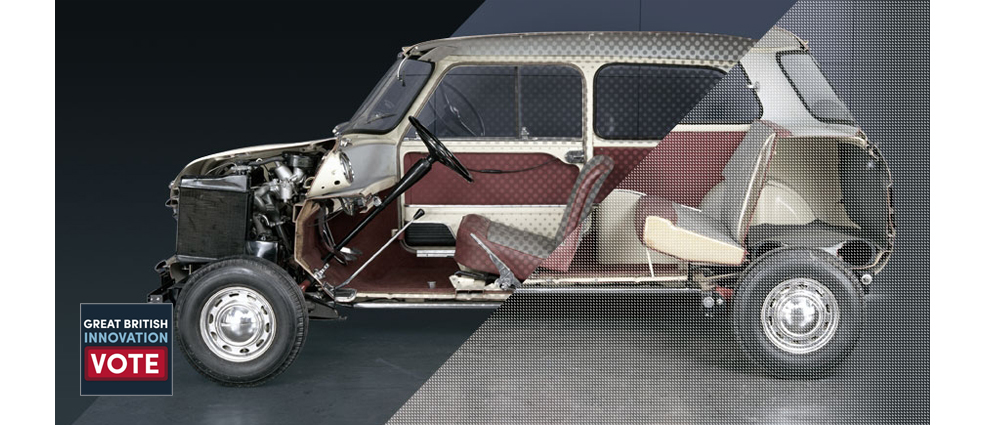
Today, we’re inviting you to decide on the greatest British innovation of the last hundred years – from crystallography to quantum dots – and the innovation most likely to shape our future.
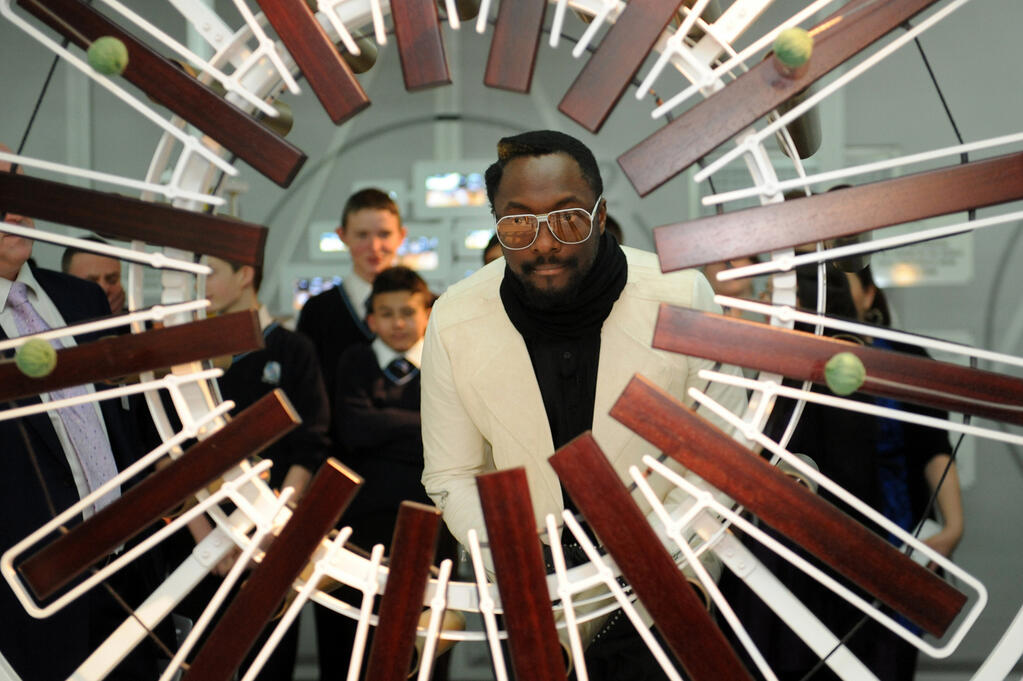
Musician and philanthropist will.i.am launched an initiative at the Science Museum this week to boost the teaching of science, technology, engineering and maths for disaffected and underachieving children across the country.
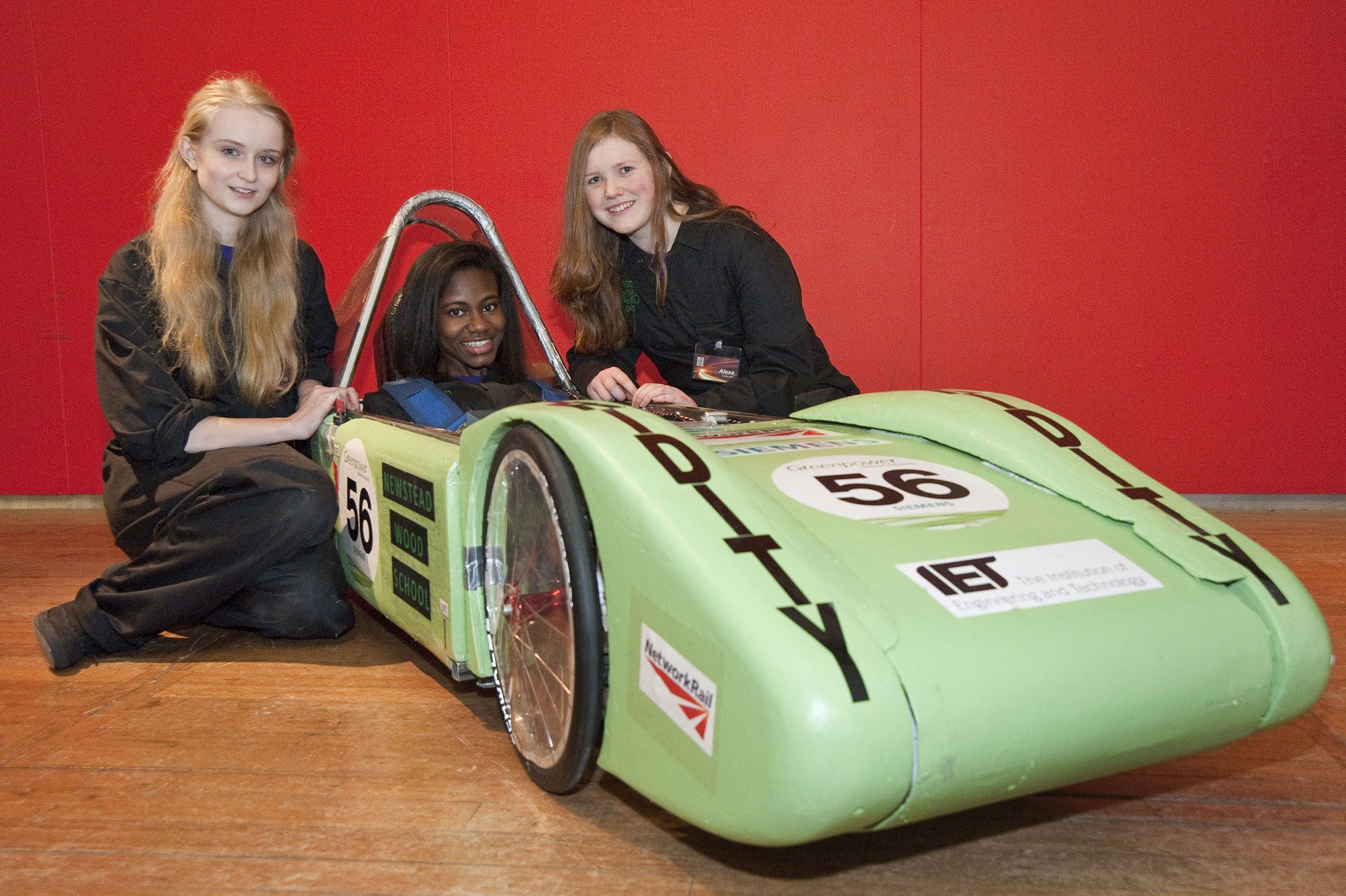
Viridity, a team of young engineers from Newstead Wood School, are taking part in our High Performance festival this weekend. This guest blog post has been written by the Viridity team.
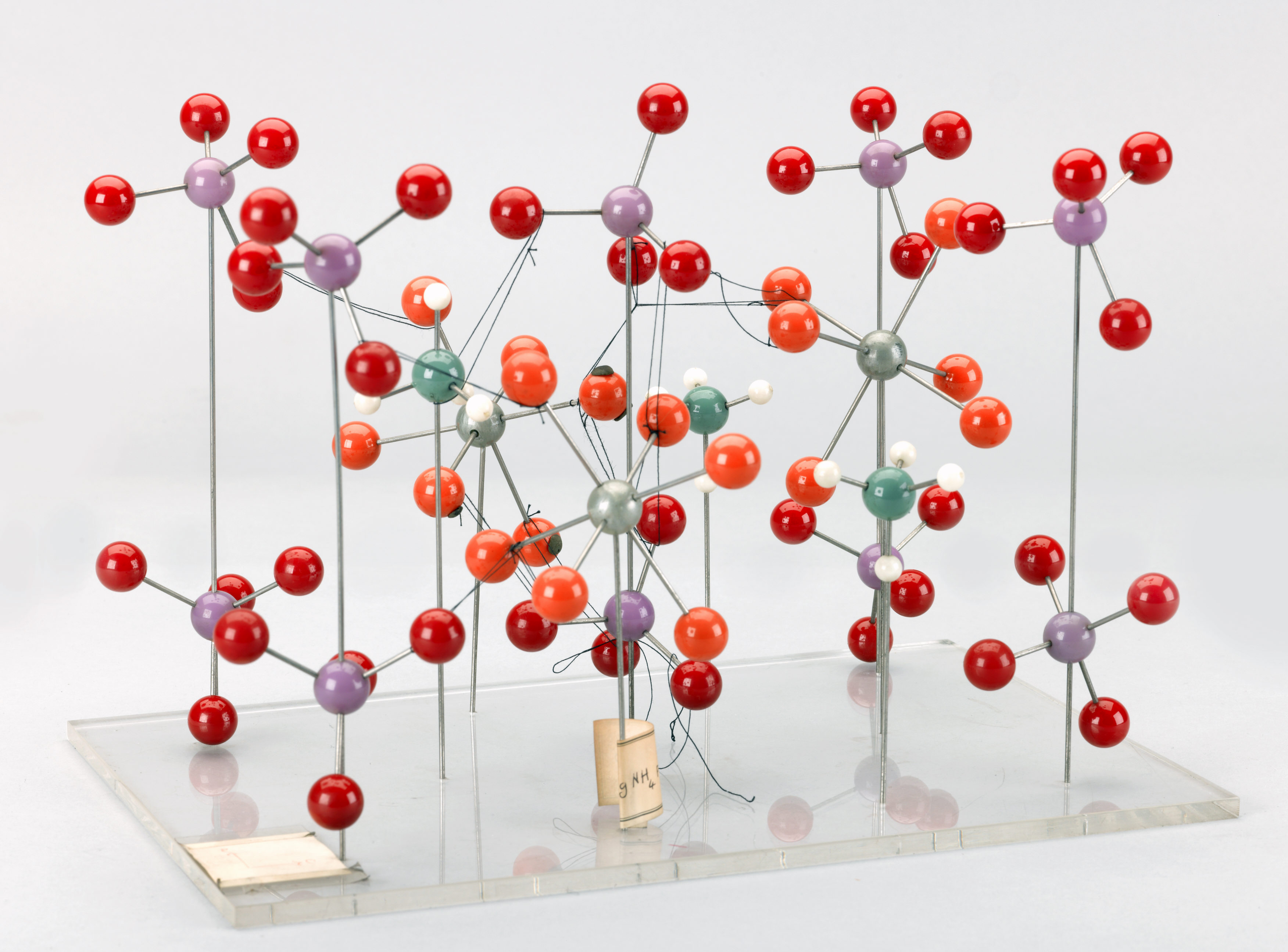
To celebrate the centenary of X-ray crystallography, the Science Museum has just opened Hidden Structures, a new display of molecular models made using the technique writes Boris Jardine
March marks the 100th anniversary of the first cars made by William Morris (1877-1963). The first was a Morris-Oxford Light Car. William Morris began making and repairing bicycles in his work and gradually went onto to hiring and repairing cars before making his own. Although his business was disrupted by the First World War, Morris went on to dominate the British car industry and was made a baron in 1934 and 4 years later Viscount for his services to car manufacturing. He […]
As Britain lurches from flood to drought, experts from Government, industry, academia and consumer bodies gathered at the Science Museum to discuss that most fundamental ingredient of life: water.
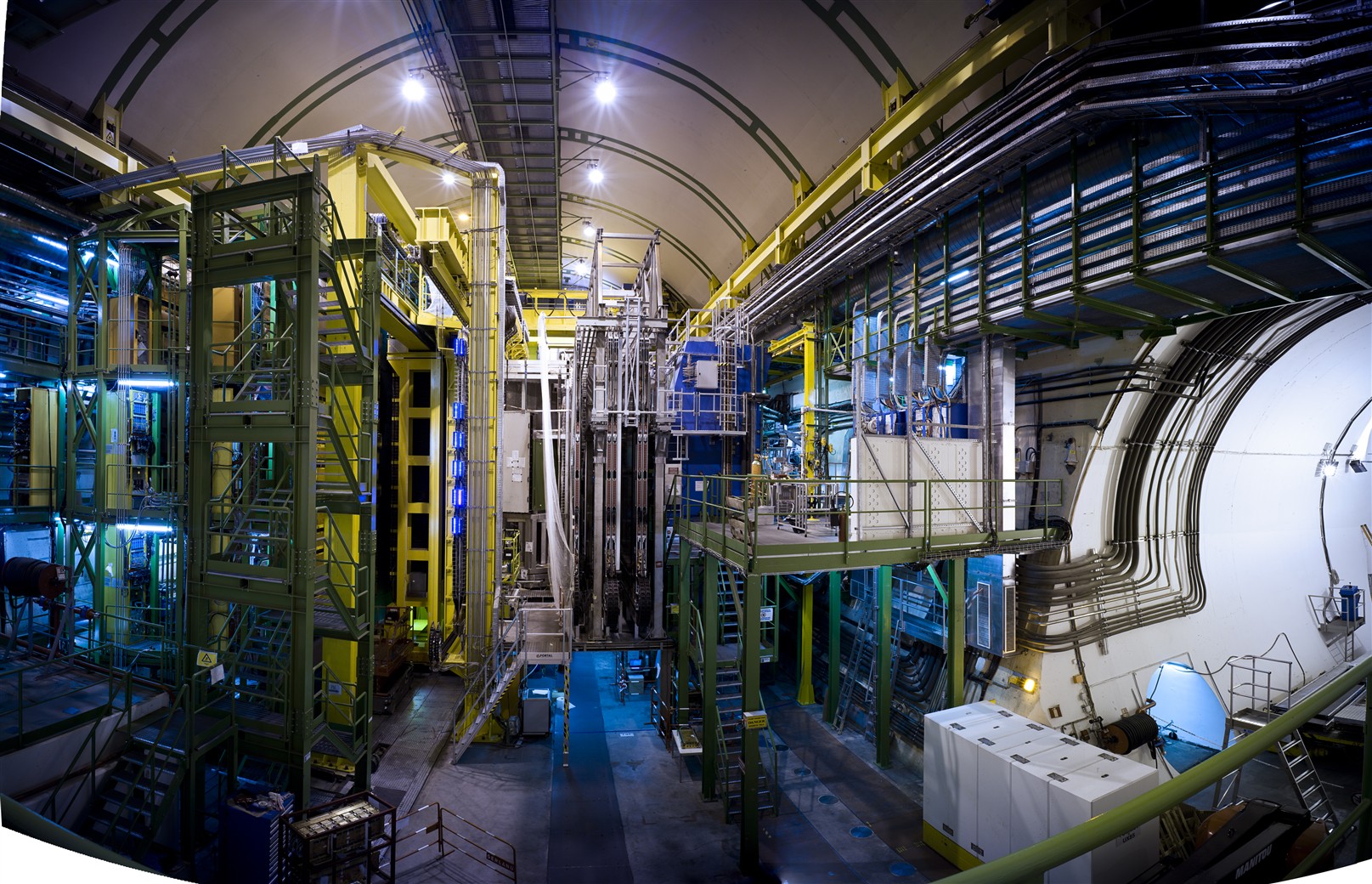
Dr. Harry Cliff, a Physicist working on the LHCb experiment and the first Science Museum Fellow of Modern Science, writes about a new discovery at CERN – the X particle – for our blog.
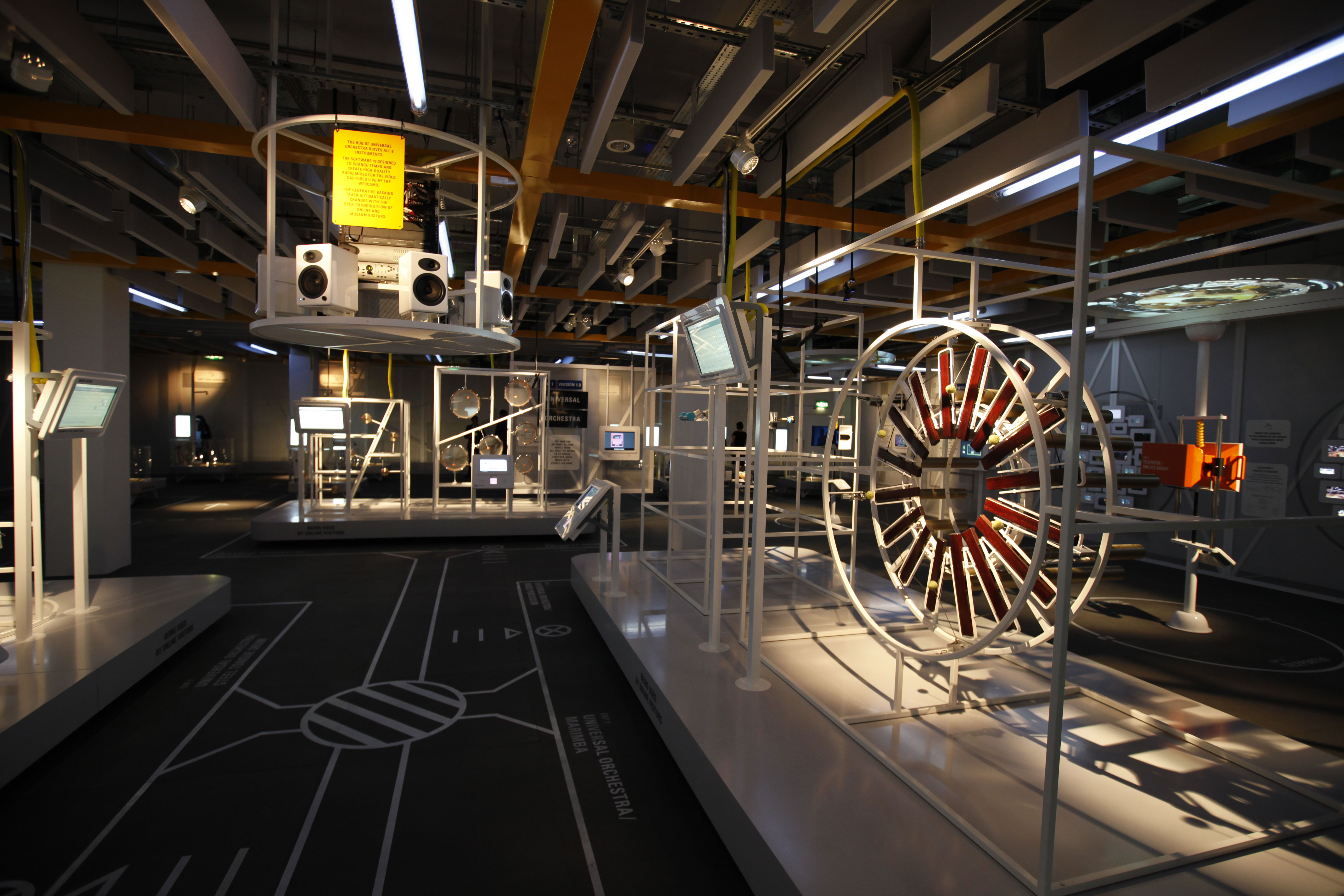
What’s Web Lab, we hear you ask? It’s an interactive exhibition about the World Wide Web based online and here at the Science Museum.
Formica is 100 this year. Best known as the laminate associated with the 1950s and 60s colour explosion in surface coverings, what’s probably less well known is that it was originally an insulation material for the electrical industry. Formica literally stands for ‘for mica’, as it was developed as a synthetic plastic substitute for expensive mineral mica. It was made by binding layers of cloth or paper together with a phenolic resin (originally Bakelite®). Engineer Dan O’Conor filed for a […]
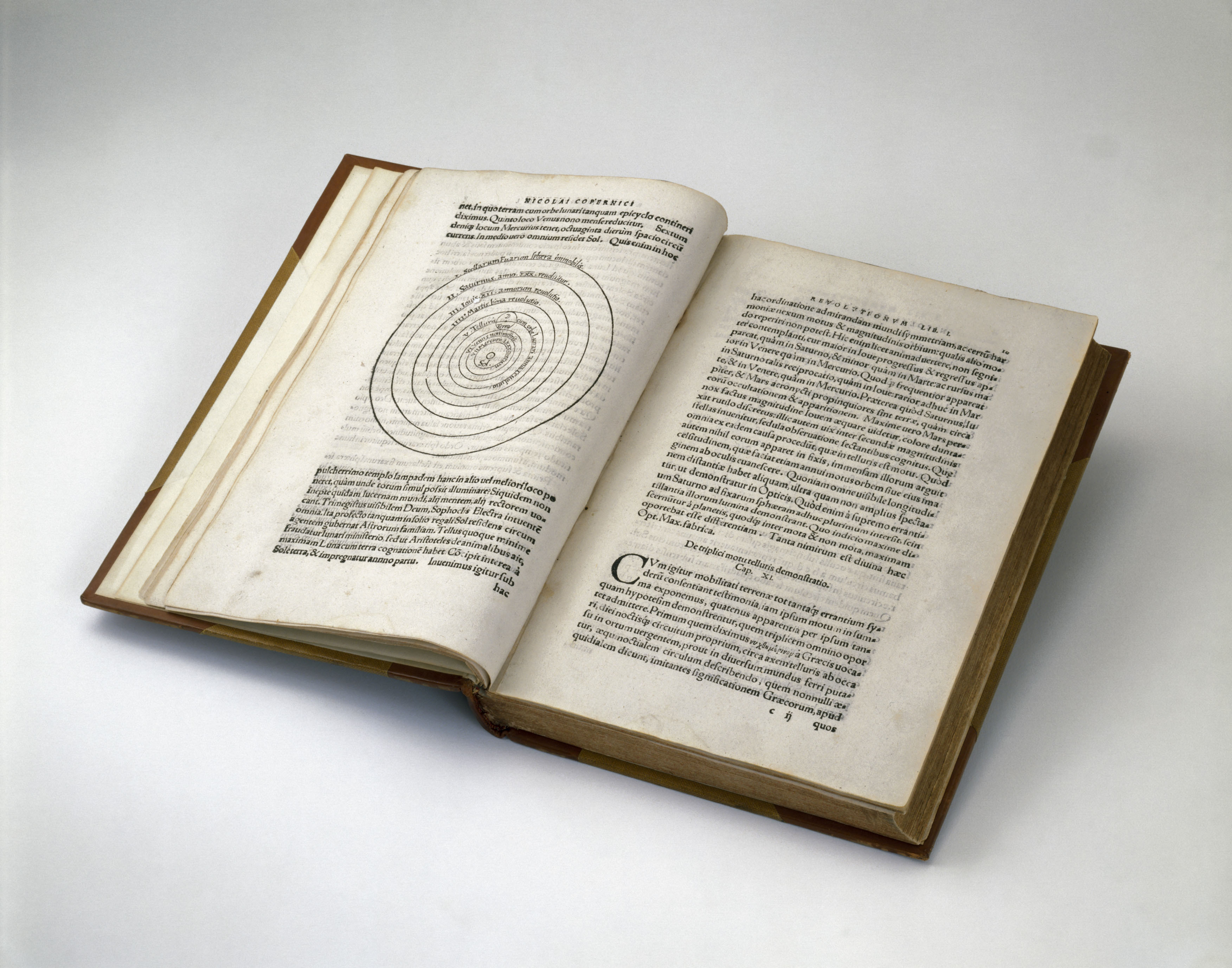
It’s remarkable to think that some of the greatest scientific thinkers who have ever lived, Darwin, Galileo, Copernicus and Boltzmann, were all born in early February.