Fancy meeting Sir Isaac Newton (not the real one obviously) this half-term? Our drama characters bring science to life!
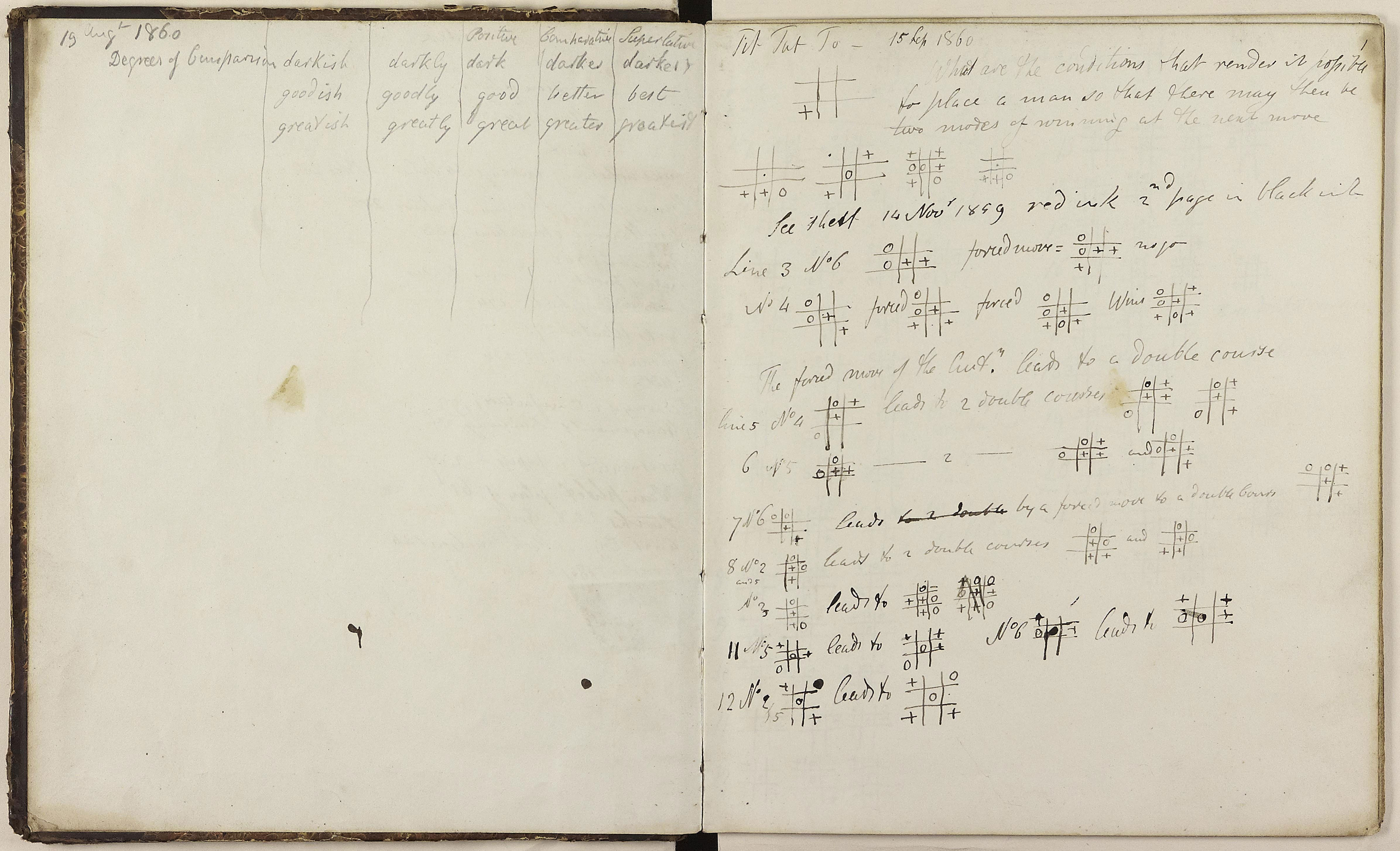
Although Charles Babbage is best known for his calculating engines, plans of which are now on display in the Computing gallery, he was a life long inventor with a passion for improvement.
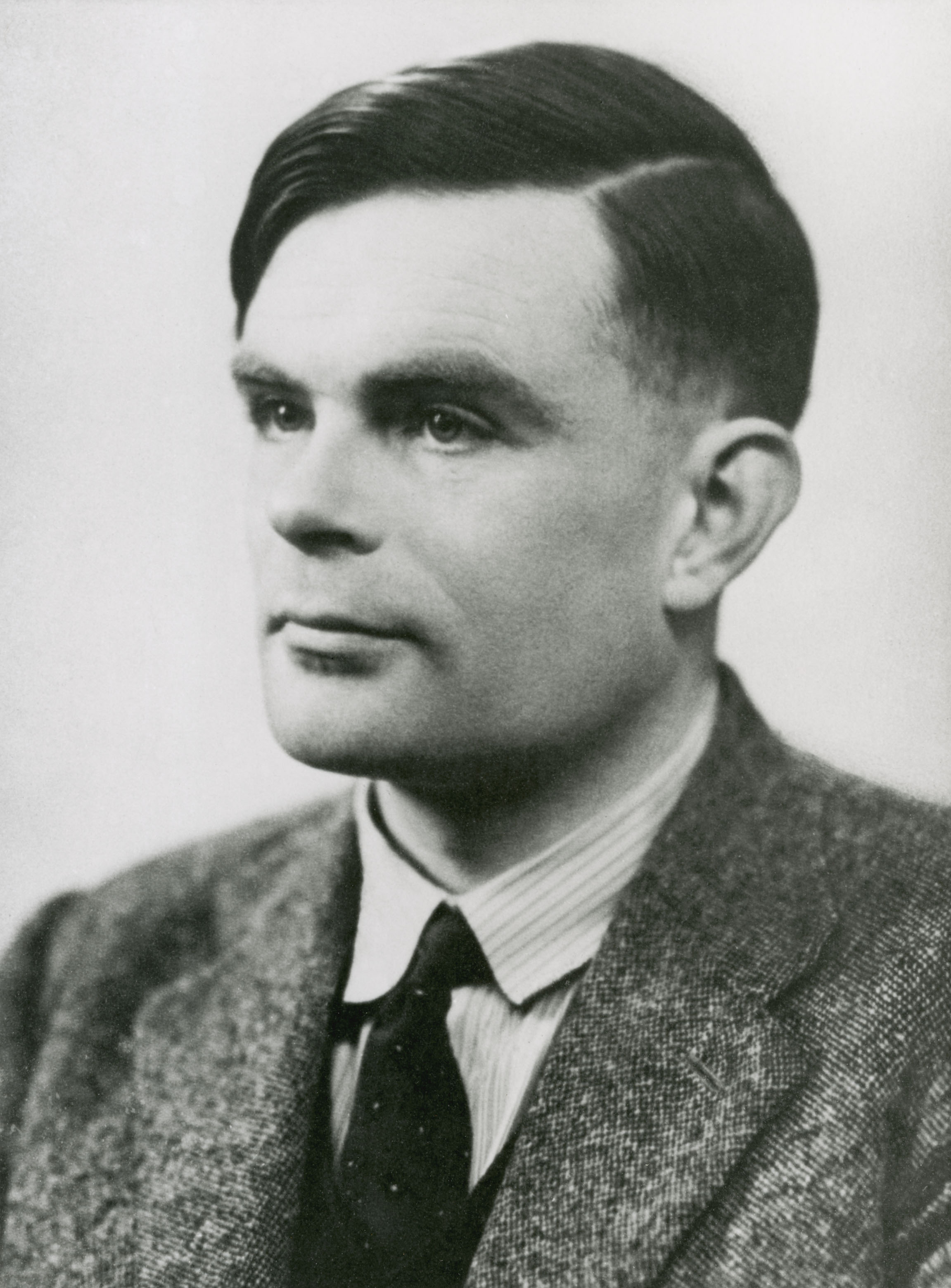
David Rooney, curator of the Science Museum’s award-winning Codebreaker exhibition, discusses mathematician Alan Turing’s contributions to science and society as part of LGBT History Month.
Former and current Science Ministers gathered at the Science Museum, in from of a who’s who of the British scientific establishment, to discuss the latest science policy thinking

Scientists from across the UK (and zombie rights protesters) will gather in the Science Museum this weekend for ZombieLab. Worried members of the public are invited to study zombies and the science of consciousness as society searches for answers (and evades the zombie horde).
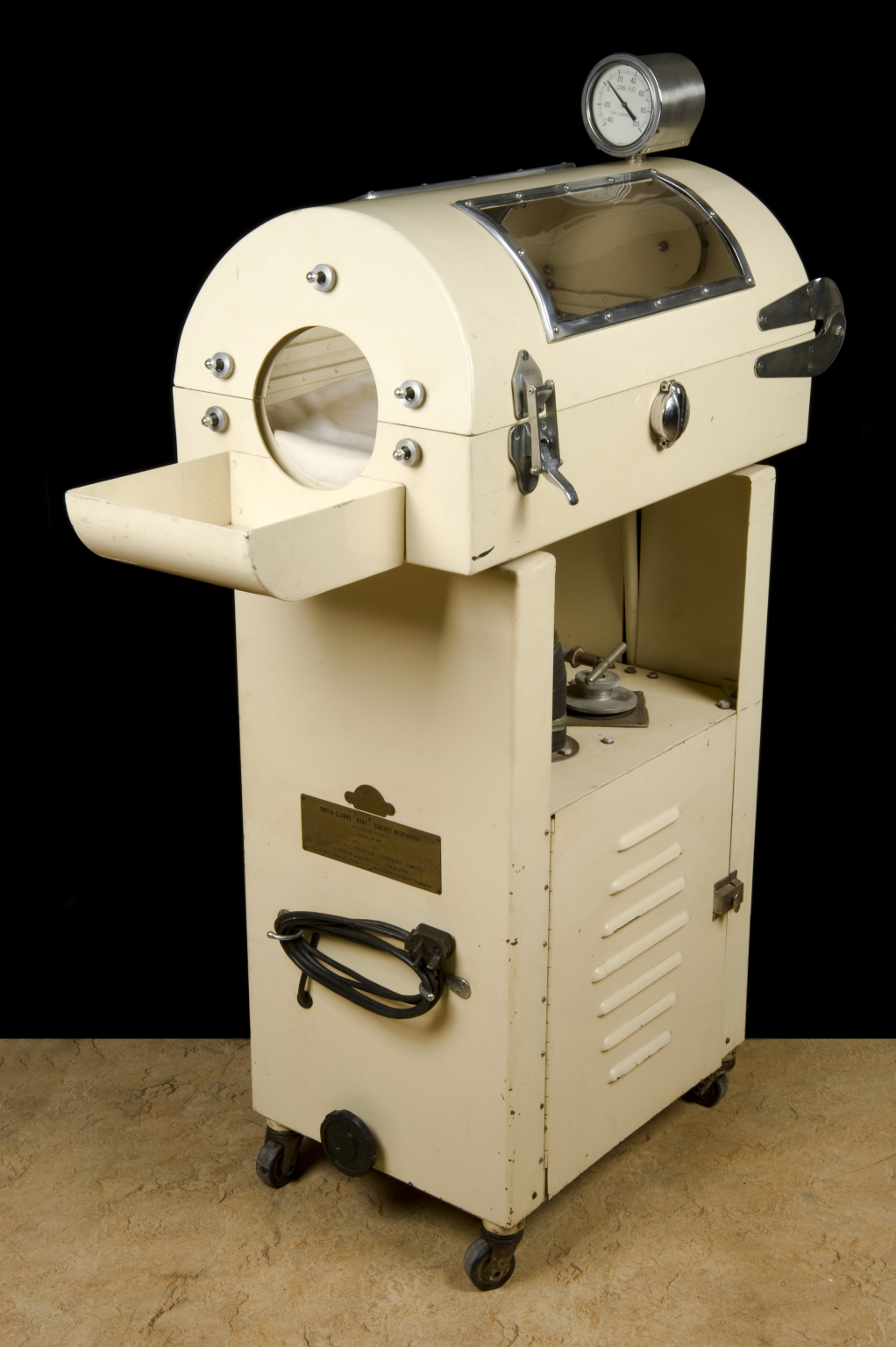
Billionaire computer entrepreneur and philanthropist, Bill Gates, is to discuss the impact of polio on humanity at this evening’s annual BBC Richard Dimbleby Lecture. His speech, which will be broadcast from the historic Royal Institution, will be supported with the visual aid of an iron lung from the Science Museum’s collection.
This post was written by Tara Knights, a work placement student with the Research & Public History department from Sussex University’s MA Art History and Museum Curating. This is the third installment in a series of blog posts where we have been exploring the lives of our ancestors by looking at a collection of tool bags from the Science Museum’s collections. This time we will be looking at the mining industry. We might think we’re fairly familiar with the tools […]
Amongst our peerless collection of artificial limbs are a number which have been designed or adapted for very specific functions. For example, the special attachment that allowed a one-armed WW2 bomber pilot to hold the joystick in his plane or the artificial leg terminating in a hollow metal half-sphere that prevented a keen beachcomber from sinking into the sand. The arm pictured above is one of the most intriguing examples we have. Acquired from Queen Mary’s Hospital in Roehampton, it’s […]
Sir Henry Bessemer’s motto summed him up – one who strived, faced and overcame obstacles to achieve a number of successes. These culminated in the invention of his process for the bulk production of steel in 1856. This development was to prove massively significant in the extension of the railways and in large construction. Bessemer, born 200 years ago this month, sought the key process that would allow him to live in the lap of luxury. His father, Anthony Bessemer, also […]
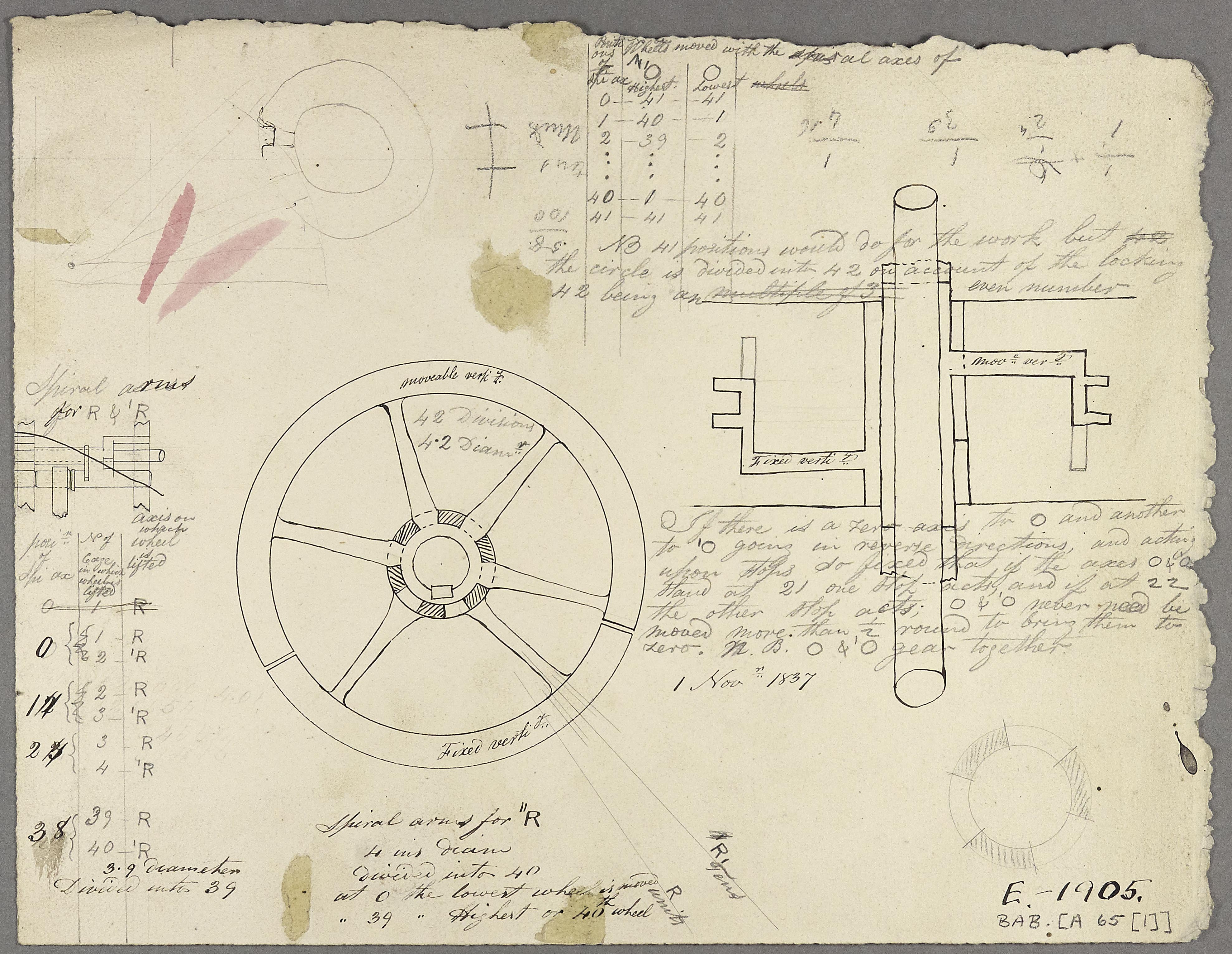
Plans for Babbage’s Victorian computer and a giant calculator are going on display in the Science Museum next week explains Cate Watson
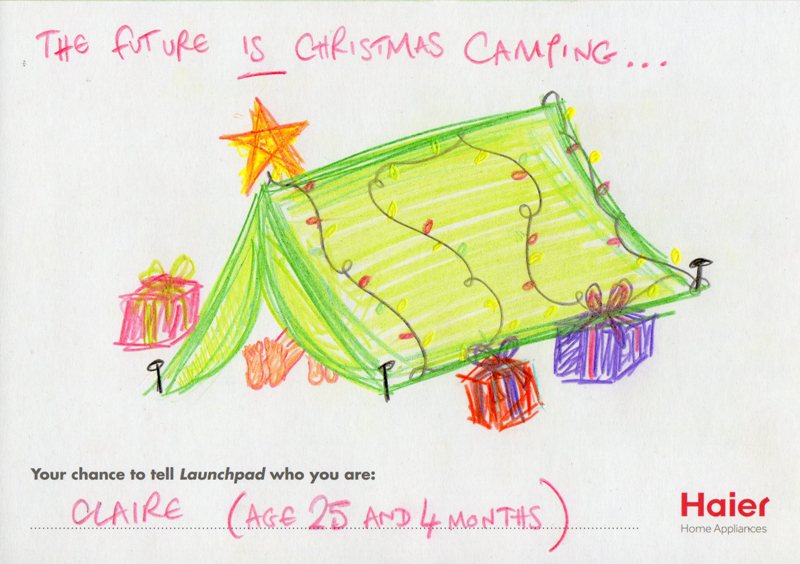
The presents our visitors really wanted. The latest inventions by our visitors.
This blog post was written by Johanna Stevens-Yule Luigi Galvani and Alessandro Volta both made names for themselves with their pioneering work on electricity—however; electricity would prove to be the destructive force to the majority of their actual instruments. Here at the Science Museum we find ourselves in the position of owning Galvani’s very own electrostatic machine, but this so very easily might not have been the case. Unlike several other pieces of Galvani’s equipment, it escaped being destroyed in […]