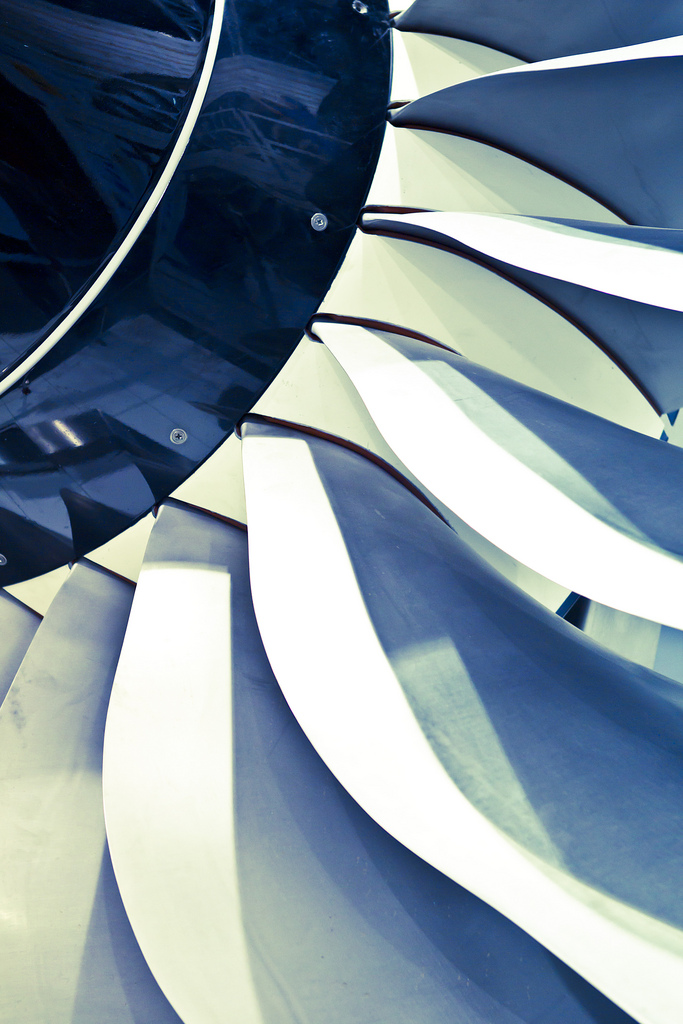
We were joined recently in the Science Museum by renowned British inventor Trevor Bayliss, who was keen to visit the Make it in Great Britain exhibition.
We were joined recently in the Science Museum by renowned British inventor Trevor Bayliss, who was keen to visit the Make it in Great Britain exhibition.
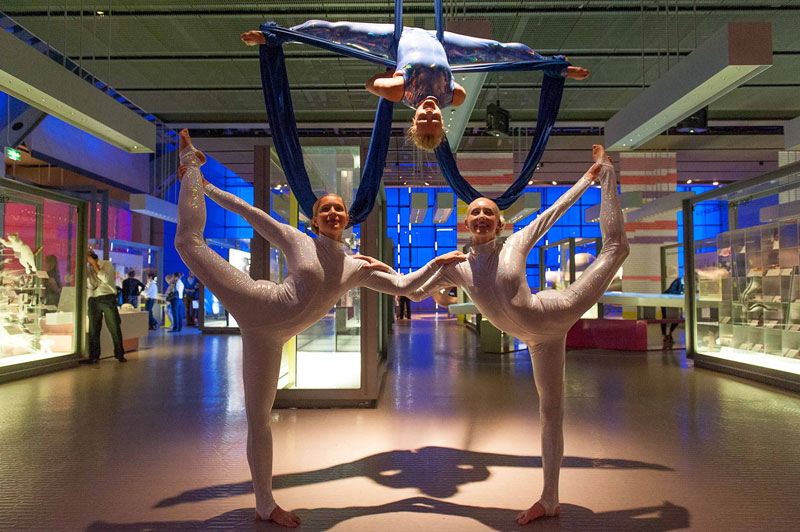
Dr Corrinne Burns explains some new research that reveals that your genes are only a tiny part of what makes you, you.
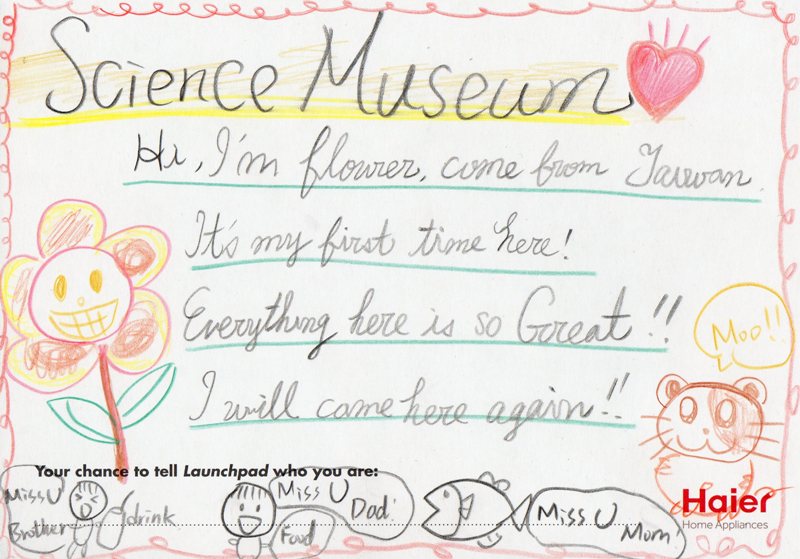
Science-loving drawings by our visitors
After learning about the manufacturing process of bread during a bread baking course Pippa Murray got to thinking about what other mass produced products used in our day to day lives have evolved in order to save us time… Traditionally bread making is a lengthy process. Hours of kneading, proving and baking produce just one meagre loaf. It’s no wonder that so many of us choose to buy a loaf from the shops instead of making it ourselves! The invention of […]
From Keith Richards to Jordan, books about people’s lives fly off the shelves. But what if they looked like this….? Created from the Human Genome Project, these replica books (a printed version can be seen at the Wellcome Collection) show the sequence of 3 billion bases of DNA contained within a human cell. Who did […]
One of my favourite objects in the Oramics to Electronica exhibition is the TB-303. Marketed in the 1980s as a ‘base accompaniment’ for solo musicians it failed to impress. As a consequence TB-303s soon became available on the second hand market, where they were picked up by inventive DJs creating a new type of sound know as House in cities such as Detroit and Chicago. By pushing the TB-303 to its limits they found a unique ‘liquid’ sound that became […]
Would you expect to find human body parts in the Maths and Computing gallery? Bizarrely, you can find one half of Charles Babbage’s brain which was donated to the Hunterian Museum by his son Henry (the other half is still with the Hunterian). Many brains of ‘great men’ were kept in the 19th Century to […]

Exhibitors from our Make it in Great Britain exhibition talk about the experience so far
The third and final installment of Miranda Bud’s blogs… The Watson and Crick discovery of the DNA double helix is an iconic image of our scientific age. It is considered the milestone of contemporary genetics and is such an integrated part of our society that saying “it’s in my DNA” is a commonly used phrase by many people. Working with Maurice Wilkins and Rosalind Franklin they unlocked the most important scientific discoveries of the 20th century. It led to countless advances, solved […]
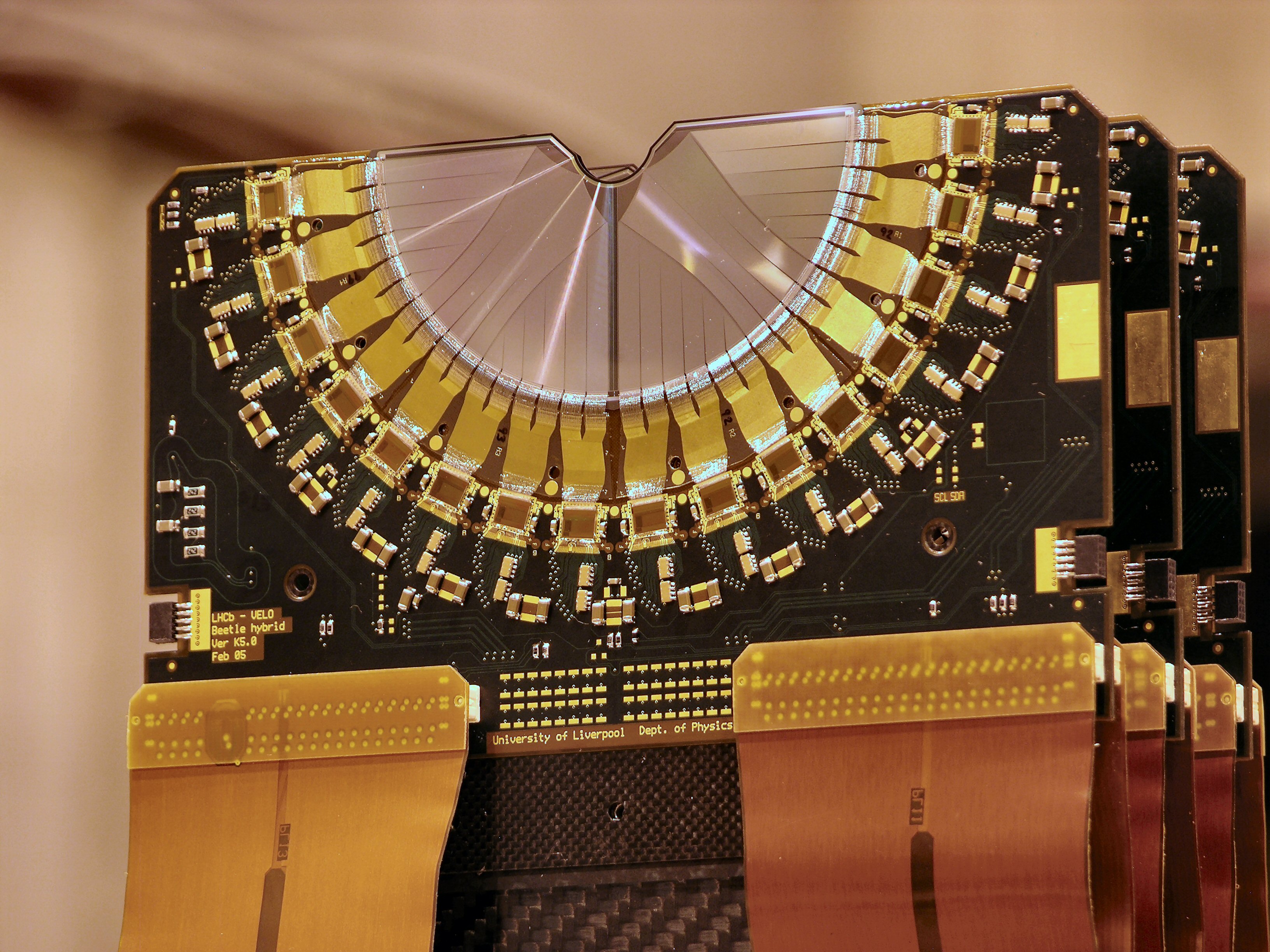
In autumn 2013 an exhibition about the LHC will open in the Science Museum, and we’re currently scouting out objects and stories for the show.

Would you like to explore the linked histories of science on TV and at the Museum?
The Argo program was set up by a collaborative of research groups at the turn of the century in response to growing concerns about global climate change. Named after Jason’s “Argo”, a ship in Greek Mythology that undertook the treacherous voyage to capture the Golden Fleece, this ambitious program involves the deployment of data-collecting floats […]