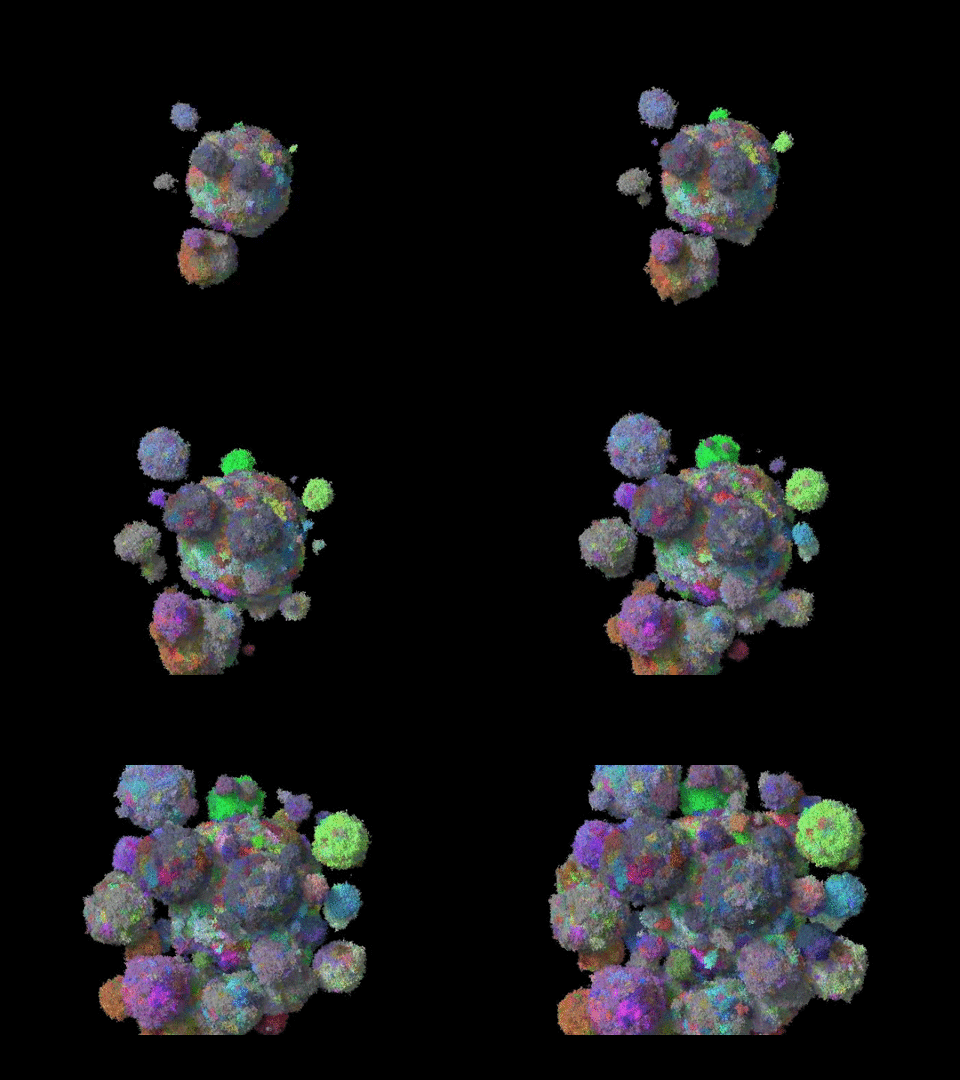
Roger Highfield explores how scientists are using computer modelling to better understand the evolution of cancerous tumours.
Roger Highfield explores how scientists are using computer modelling to better understand the evolution of cancerous tumours.

Jack Mitchell, the Science Museum’s Assistant Curator of Medicine, takes his cue from the summertime and explores the Sun’s great influence in the history of medicine.
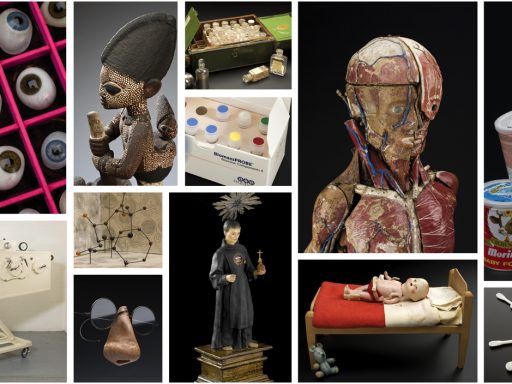
Curator Emily Scott-Dearing reflects a new era for medicine at the Science Museum.
Assistant curator Jack Mitchell reveals the story behind a mysterious object in the collection.
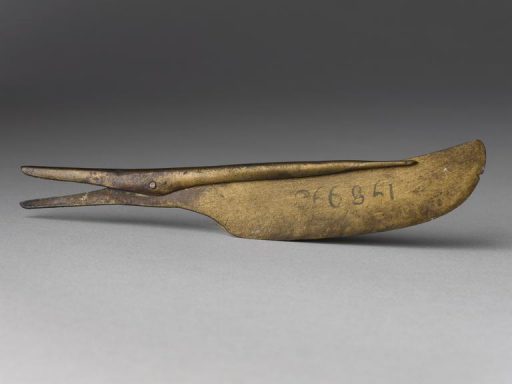
Stella Williams from our Learning Support Team writes about one of her favourite Science Museum Group objects.
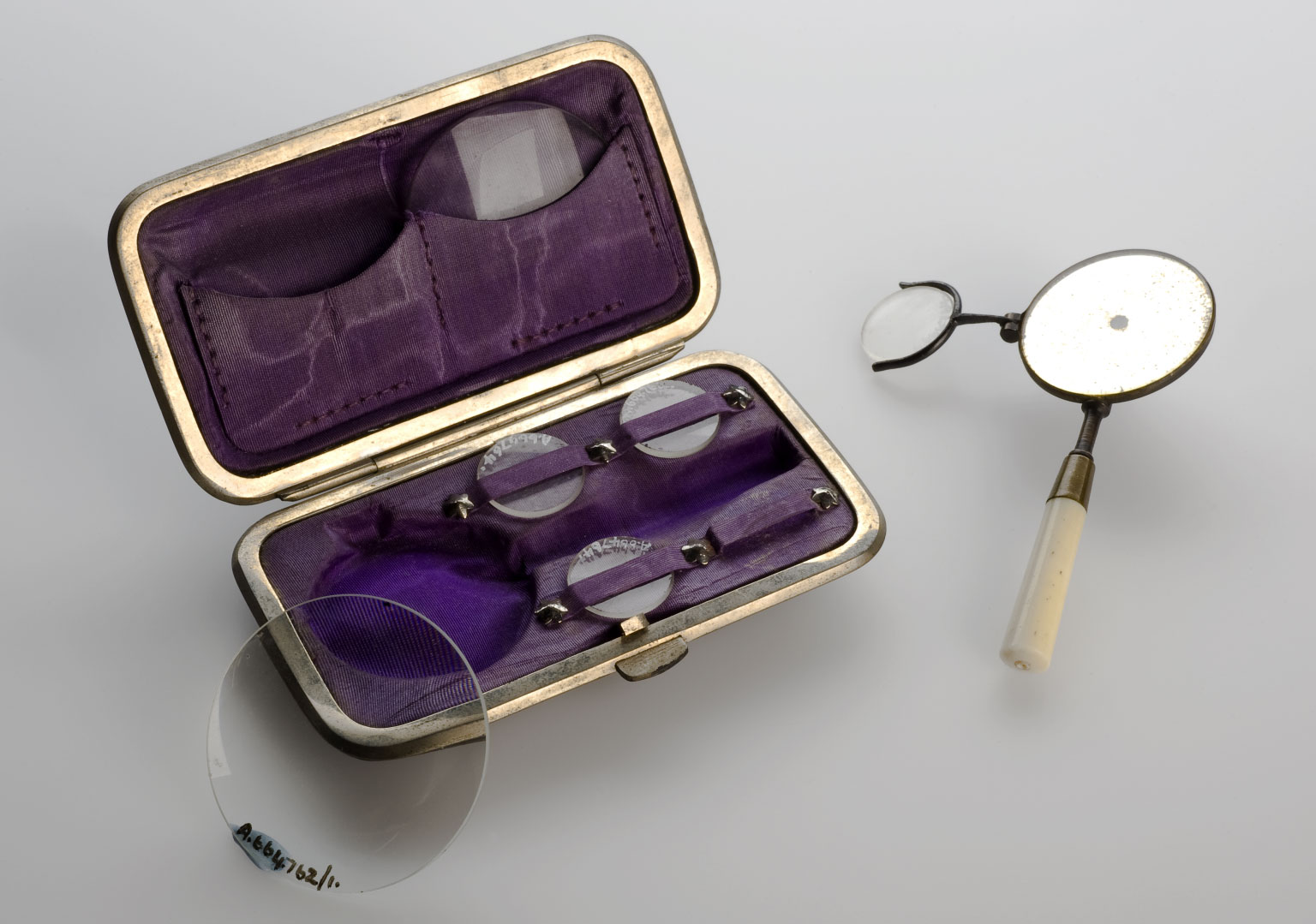
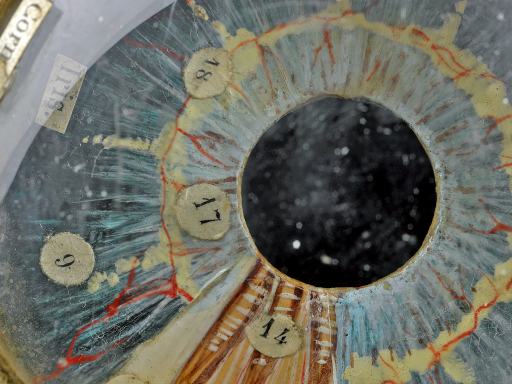
Assistant Curator Jack Mitchell explores how the Atlas of Ophthalmoscopy helped increase our understanding of the human eye
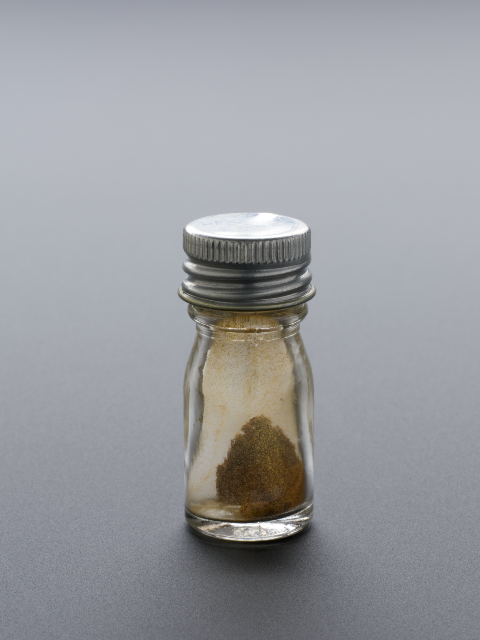
Laura Body from our Learning Support Team writes about one of her favourite Science Museum objects: a bottle of Penicillin
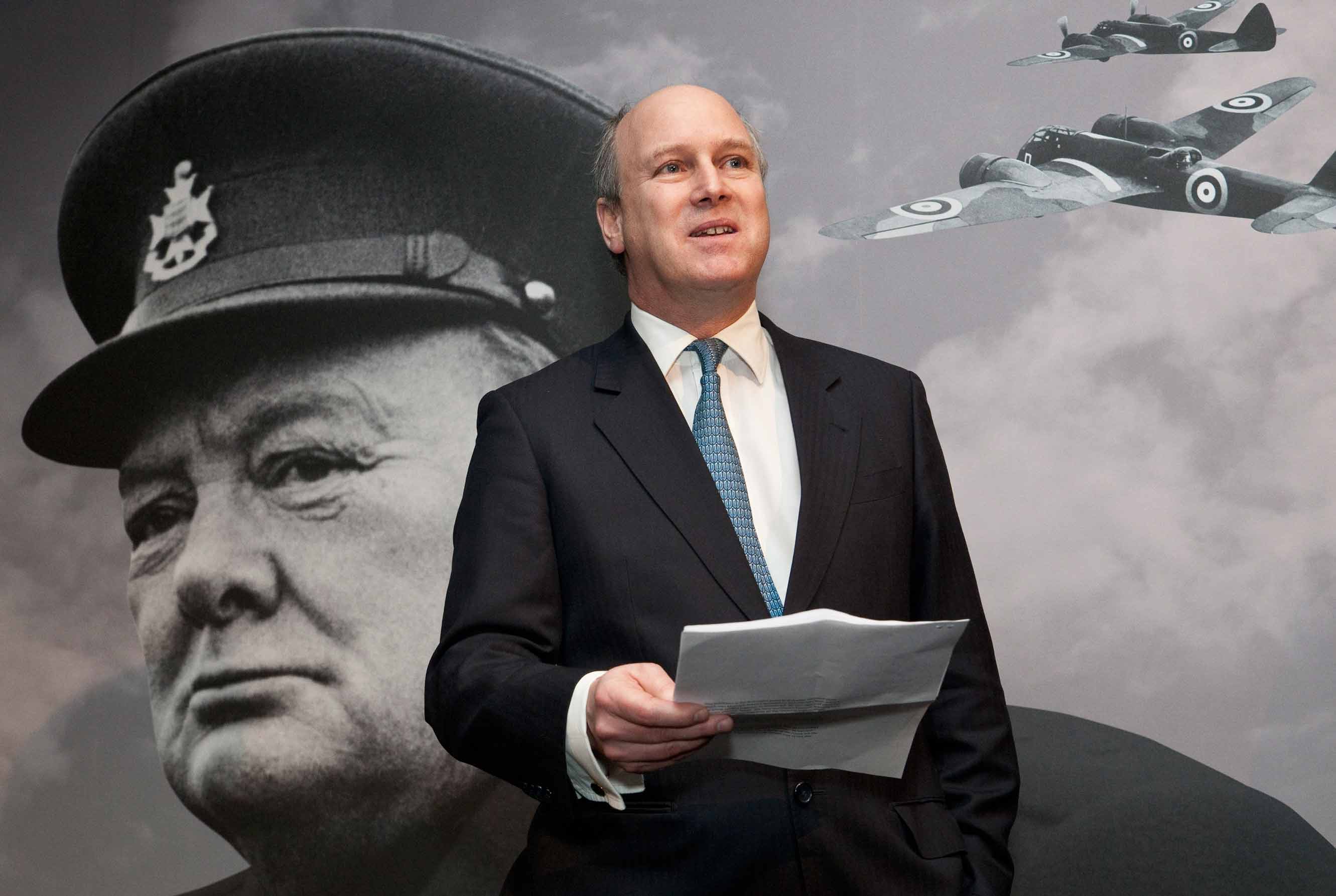
When the House of Commons voted to legalise a revolutionary new form of reproductive medicine on Tuesday, it was a remarkable moment for science.

The visionary chemical engineer Dr Robert Langer, whose work on drug delivery systems has benefited millions of patients, has today won Queen Elizabeth Prize for Engineering.
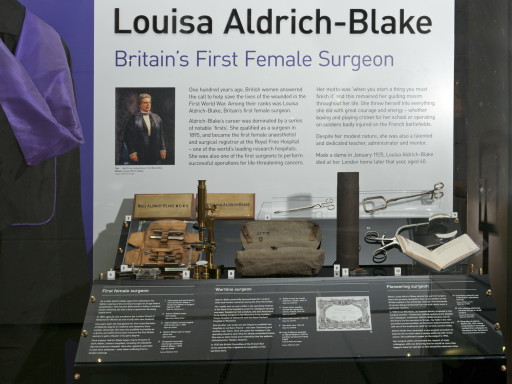
Curator Helen Peavitt and Stephanie Millard uncover the life of Dame Louisa Aldrich-Blake, Britain’s first female surgeon.
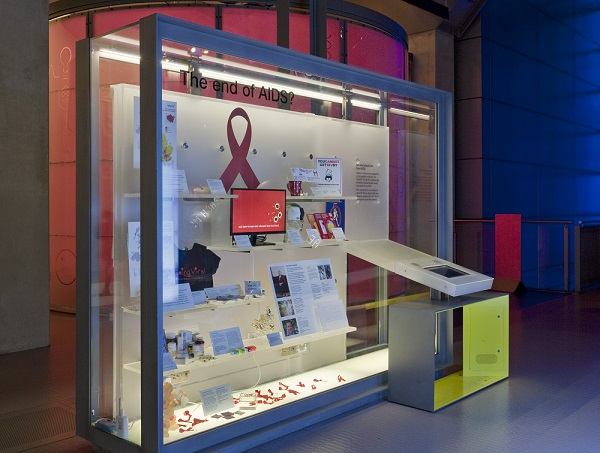
December 1st 2014 marks the 26th World AIDS Day. The UNAIDS ‘90-90-90’ initiative sets ambitious global targets to end the epidemic by 2030. So how far have we come since the epidemic gained global attention in the 1980s? Here at the Science Museum we decided to explore this question with our new exhibit – The end of AIDS? The focal point of the exhibit is an animation called ‘Growing up with HIV’. It was created in collaboration with an inspiring group […]
Content Coordinator Ulrika Danielsson goes behind the scenes to explore our medical collections.