This article was written by Ben Russell, Curator of Mechanical Engineering 1712 was a red letter year for humankind: for the first time, rather than just relying on wind, water, or muscles, a new energy source became available: the steam engine. Thomas Newcomen of Dartmouth took the earlier, and rather ineffective, steam pump by Thomas Savery, christened by him the ‘Miner’s Friend’, and expanded it up into a truly practical industrial machine that harnessed the power of the atmosphere. The […]
Our world-class collection forms an enduring record of scientific, technological and medical achievements from across the globe. Come behind the scenes as we explore new object acquisitions and meet the conservation team.
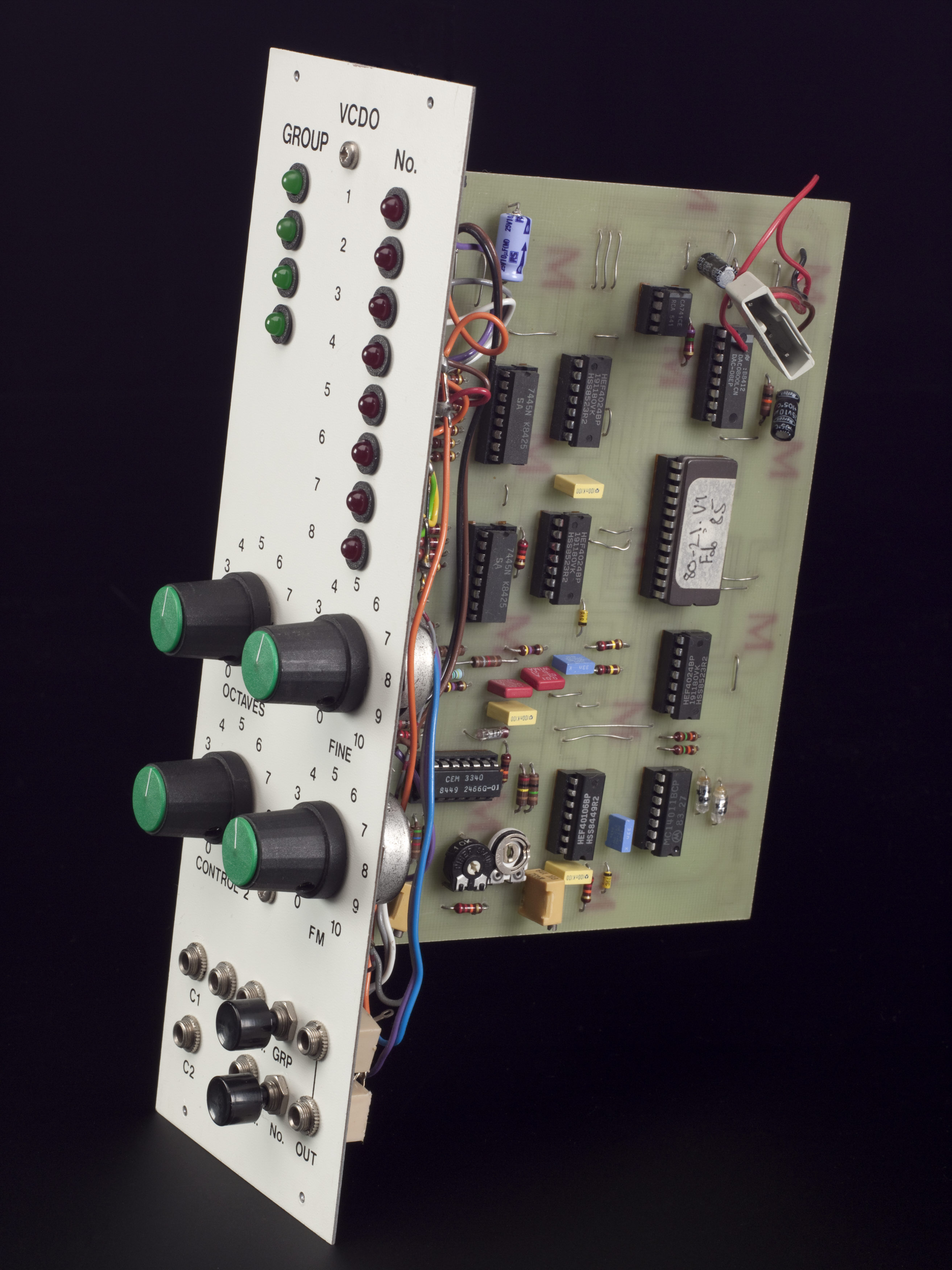
A Guest blog post from Robert Sommerlad, a musician and volunteer Science Museum research assistant.
I’m James Fenner, a PhD student at the Science Museum researching the models, figures and displays in the former British Small Craft Exhibit. Now that the gallery has closed (after nearly 50 years) I thought I should share with you some of its highlights. This is the last of my short series of posts about displays from the former British Small Craft exhibition at the Science Museum, which is now being moved to storage after a remarkable 50 years on […]
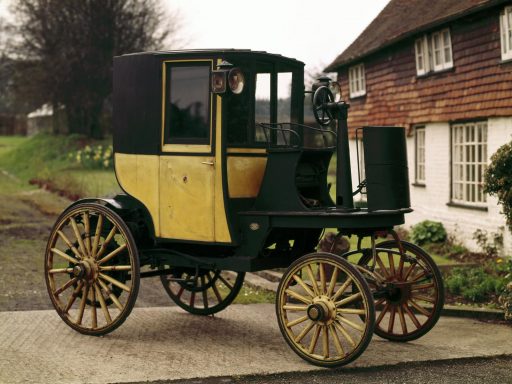
Read more about London’s first electric taxi
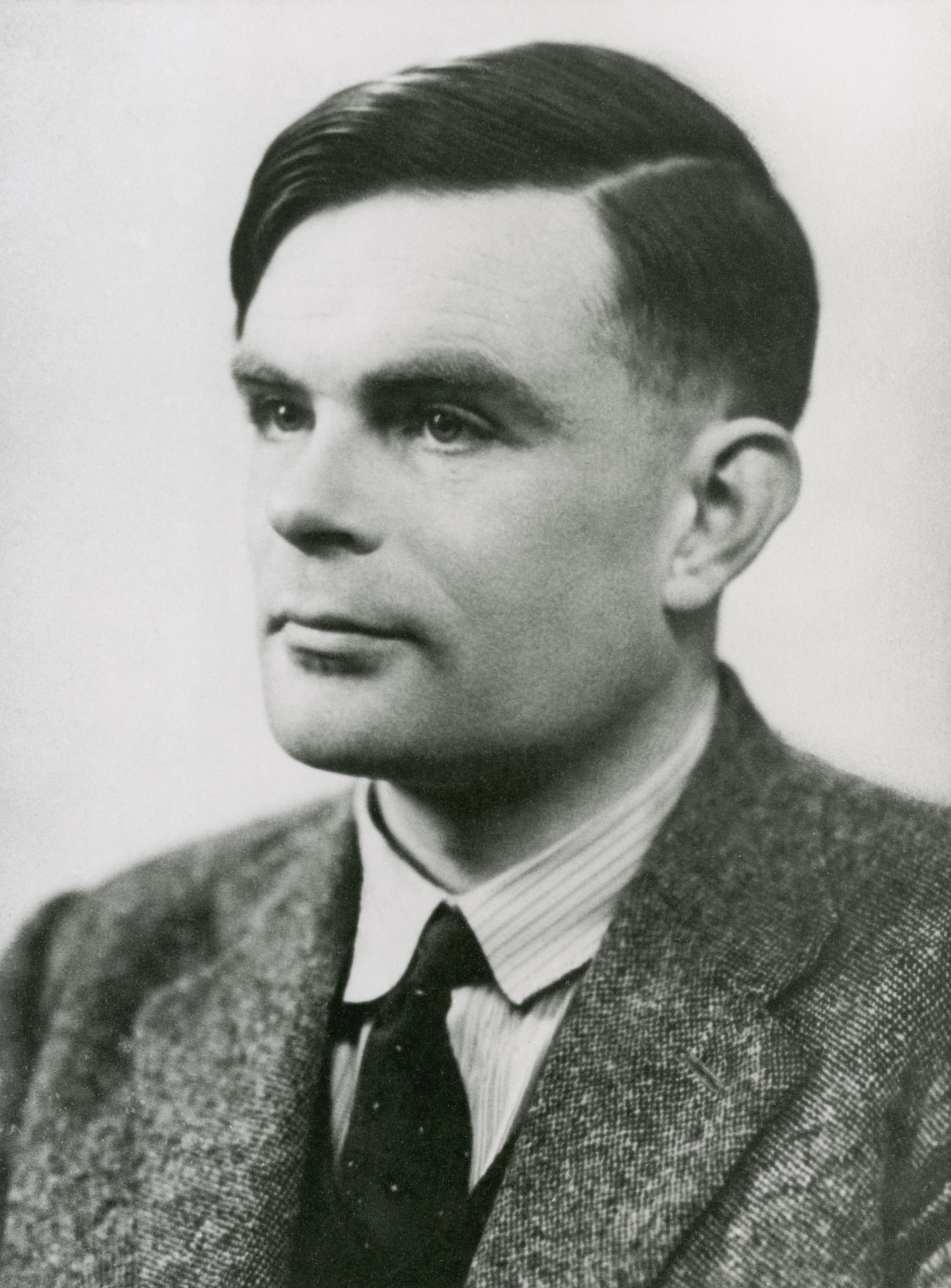
The tragic loss of a friend during his teenage years exerted an extraordinary influence on Turing’s life, according to Roger Highfield and David Rooney.
After the heady celebrations of the Diamond Jubilee, which memorabilia are you going to hold on to? When Queen Elizabeth II ascended to the throne in 1952 and was crowned the year after a whole host of memorabilia was available. We have a range of coronation day items celebrating the crowning of the current monarch as well as monarchs across Europe. Both the mug and pill box are part of the museum’s Plastics and Modern Materials collections as examples of […]
I’m James Fenner, a PhD student at the Science Museum researching the models, figures and displays in the former British Small Craft Exhibit. Now that the gallery has closed (after nearly 50 years) I thought I should share with you some of its highlights. This little model doesn’t look like much but it represents a small boat that packs a punch! At 1:24 scale, the model represents a canoe-like craft with a flat bottom and a maximum width of the […]
UK astronomy enthusiasts are in for a serious case of Venus envy next week, as the planet transits the Sun. People in other parts of the world will have a good view, but while the 2004 transit was seen across the UK, this year’s – the last until 2117 – mostly happens after nightfall in these parts. Only the final stages will be visible at sunrise on 6 June, but that’s not stopping intrepid observers, who will be hoping that […]
Many museums and organisations have been celebrating the centenary of Captain Robert Falcon Scott’s expedition to the South Pole. But have you ever wondered what kind of medicine Scott and his party brought with them to the ends of the earth? Here at the Science Museum we know because we have one Scott’s original aluminium medicine chests. The chest, dated to 1910, was carried by Scott and his party when they set out for the pole in November 1911. This […]
“Which is it to-day,” I asked, “morphine or cocaine?” He raised his eyes languidly from the old black-letter volume which he had opened. “It is cocaine,” he said, “a seven-per-cent solution. Would you care to try it?” The Sign of Four, Sir Arthur Conan Doyle, (1890) Sherlock Holmes is undoubtedly literature’s most famous cocaine user. In Sir Arthur Conan Doyle’s stories, Holmes uses cocaine in order to stimulate his brain when he wasn’t applying it to a case. The detective famously injected a […]
Last month I went to a conference marking 50 years of the UK in space. Some of the speakers reminded us many of us use space daily without even thinking about it when we watch satellite television or get directions from our GPS. I recently took delivery of a new object for the collection that also uses space – a satellite radio made for WorldSpace. The WorldSpace company was founded in 1990 and used geostationary satellites to broadcast to Asia and Africa. At […]
The Ebers papyrus tells us the Ancient Egyptians had an interesting way to deal with noisy crying babies: just give them a draft of opium. This practice was still very much use in the Victorian era, when it gained notoriety for the dangers the use of children’s opiates posed to general health. We know in this era opium was readily used as a cure for a bad cough, or aches and pains, but it is less well known that opium […]