Our summer spectacular, The Energy Show, is staged in a steampunk world which blends the past and the future. Much inspiration for the show was taken from the Science Museum’s collection, especially the machines of The Energy Hall. Ben Russell, Curator of Mechanical Engineering, talks here about some of our ‘steampunk’ objects in the Museum. Beam engine by Benjamin Hick, 1840. Inv 1935-513 Modern technology values function over anything else. Things are stripped down and smooth in appearance. Steampunk is […]
From iconic galleries like Exploring Space to award-winning newer additions to the museum like Mathematics: The Winton Gallery our galleries make the museum an inspiring place to explore. We also open temporary exhibitions throughout the year covering a range of topics from science and technology to history and photography.
Geoff Chapman is a volunteer working on Information Age, a new gallery about communication and information opening in 2014. Hi, I’m Geoff and I’m a volunteer in the team developing the Information Age gallery. I’ve been investigating the early days of experimental wireless communication prompted by a box of mainly 1910’s and 1920’s letters, documents and photographs. Early radio amateurs were also known as experimenters, and in the UK they were issued with licences for experimental purposes. In April 1913 the […]
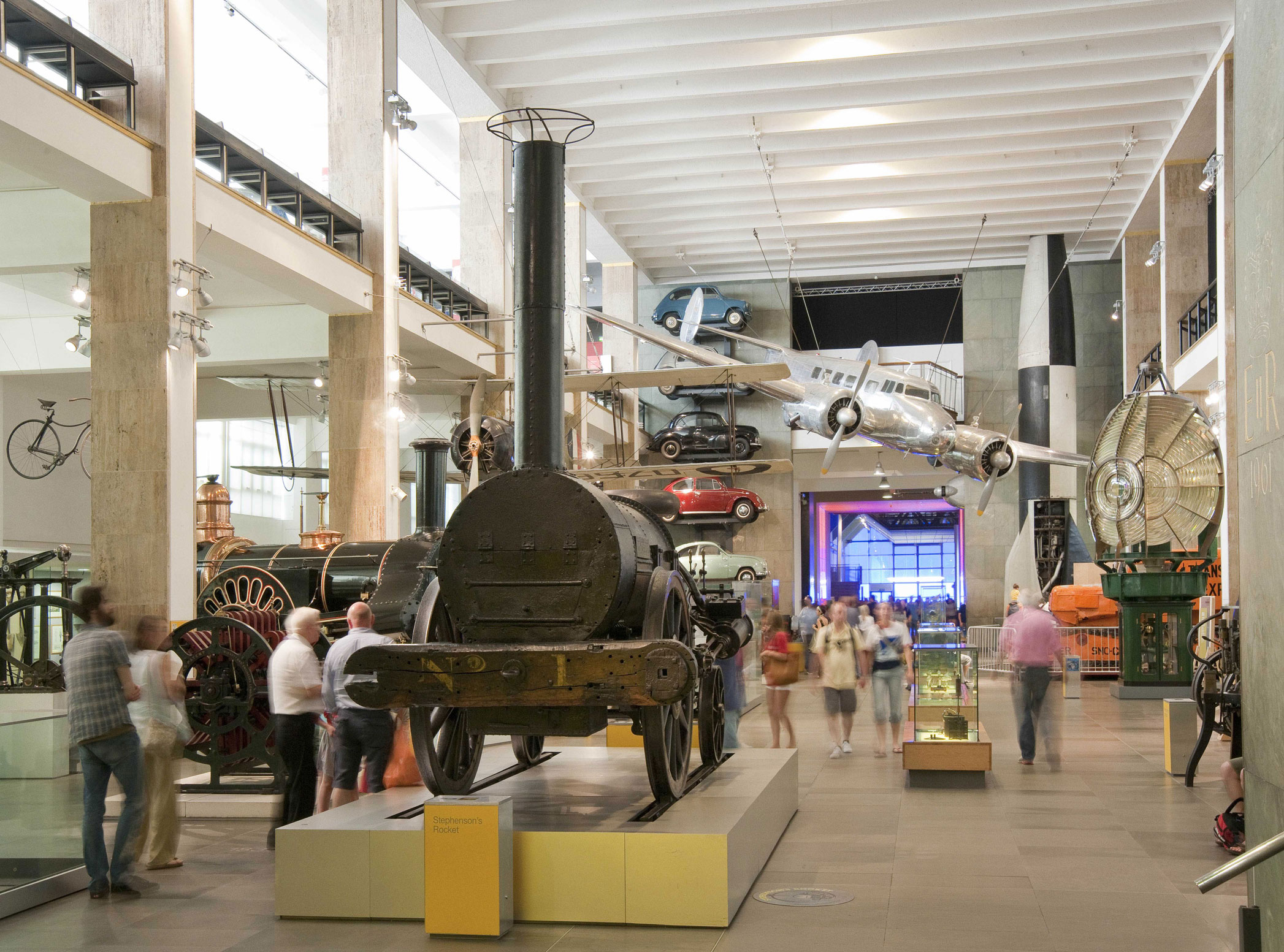
We asked Curator of Time, Transport and Navigation, David Rooney to tweet some of the hidden gems in the Making the Modern World gallery.
This post is written by Alex, a 16-year old student who spent a week on work placement with the Learning team. The brain is one of the most complex biological organs in the world, and even today our understanding of it is very primitive, but recent advances in the field of neuroscience could help us unpick some of its mysteries… In Who am I? there is a little mouse with a big secret: its brain glows in a rainbow of colours. The […]
Associate Curator Rupert Cole explores some famous physics parties of the past.
Mark Champkins, Science Museum Inventor in Residence is challenging young visitors to design an invention to help solve a common summer problem. The winner will receive a Makerbot 3D printer worth over £2,000 and get their idea 3D printed and displayed in a new exhibition. When we’re basking in a heat wave, spending a summer holiday in Britain can be the perfect way to unwind. But as we all know, a British summer can present it’s own problems – from annoying wasps, to superheated car journeys, and from […]
Jen Kavanagh, Audience Engagement Manager for a new communications gallery opening in 2014, has been working on a project to collect and photograph old telegrams.
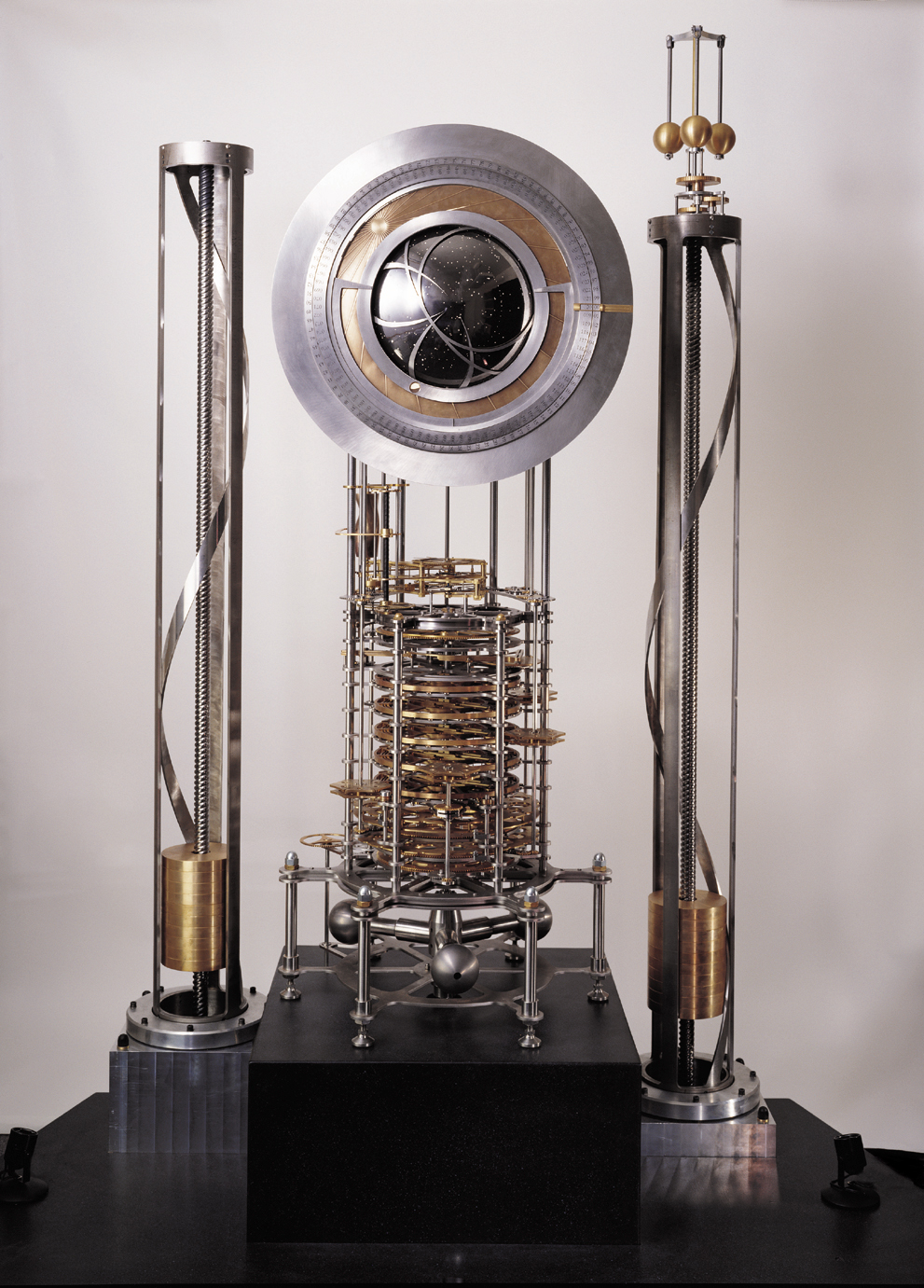
The Science Museum’s curator of time, David Rooney, reflects on the ‘Clock of the Long Now’, a prototype of which is on show in the museum’s Making the Modern World gallery.
Ahead of November’s opening of the Collider exhibition, Rupert Cole explains how beer was used for cutting-edge particle physics research.
The search for one of the rarest processes in fundamental physics is over, writes Dr. Harry Cliff, a Physicist working on the LHCb experiment and the first Science Museum Fellow of Modern Science.
Ahead of November’s opening of the Collider exhibition here at the Science Museum, Content Developer Rupert Cole celebrates six decades of research at CERN, the European Organization for Nuclear Research.
This 3D printed gun has a short, but complex history.