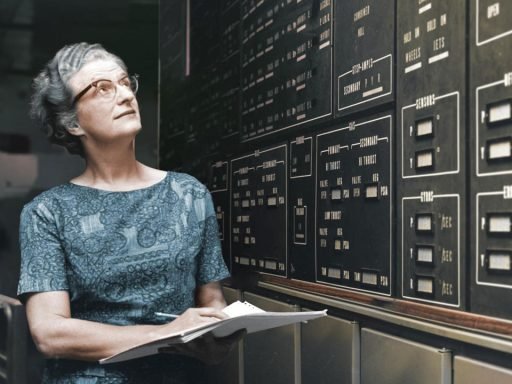
Assistant curator Katie Mcnab explores the life and work of Dr Nancy Roman, an American Astronomer who was the Chief of Astronomy at NASA for 20 years and earned the exemplary nickname ‘the mother of Hubble’.
From iconic galleries like Exploring Space to award-winning newer additions to the museum like Mathematics: The Winton Gallery our galleries make the museum an inspiring place to explore. We also open temporary exhibitions throughout the year covering a range of topics from science and technology to history and photography.
Assistant curator Katie Mcnab explores the life and work of Dr Nancy Roman, an American Astronomer who was the Chief of Astronomy at NASA for 20 years and earned the exemplary nickname ‘the mother of Hubble’.
As the latest Doctor is unveiled, Science Director Roger Highfield discusses the science of regeneration with developmental biologist, Sir Jim Smith.
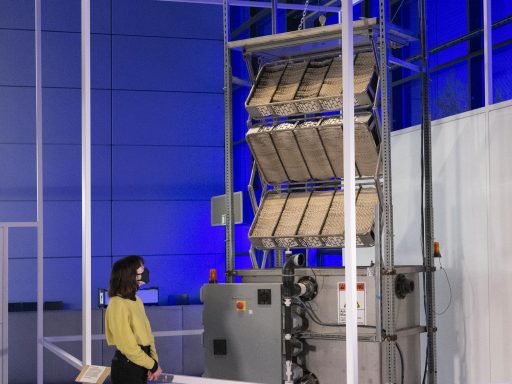
Some methods for removing greenhouse gases from the atmosphere are unproven and others may carry risks. Roger Highfield, Science Director, talks to one of the organisers of an event next week to find out what the public think.

To mark Star Wars Day, on May 4, Science Director Roger Highfield discusses this iconic Jedi weapon with Swiss fusion physicist Federico Felici.

Greek Independence Day is celebrated on 25 March, at the Science Museum we are commemorating this anniversary by reflecting on the contributions of one key individual in the recorded history of the study of Mathematics, the ancient Greek philosopher Euclid.
Lynch Syndrome Awareness Day is observed annually on 22 March. Our Curator of Medicine Selina Hurley, explains the history of this condition and more contemporary developments in its research.
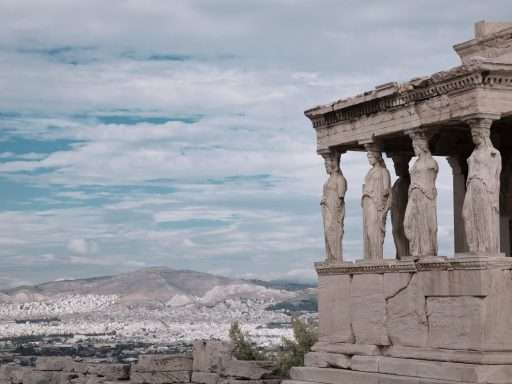
Professor Paul Cartledge reflects on the presence of slavery in ancient Greek culture in relation to technological development and the views of those living at this time, including Aristotle.

On Sebastião Salgado’s birthday, Parvati Nair explores how Salgado’s photographs convince viewers of the urgency of environmental action.
To mark World Cancer Day (4 February), Roger Highfield, Science Director, asks the advisors to the world’s first major cancer exhibition for their views of the past and hopes for the future of the field.

Far from being a fixed entity, the story of Greek science is a work in progress with its own meta-history. Dr. Patricia Fara explores the current story and factors that have influenced this narrative so far.

Two millennia ago, the Antikythera Mechanism was used in Ancient Greece to predict heavenly movements. Roger Highfield, Science Director, describes how this spectacular bronze computer was at least a millennium ahead of its time.

Today (11 December) is International Mountain Day, a UN initiative launched in 2002 to highlight the key role mountains play in biodiversity and livelihoods. Dr Julia Knights, Deputy Director of the Science Museum, explores the mountains of Brazil’s Amazon rainforest through the lens of the stunning images by Sebastião Salgado in the Amazônia exhibition at the Science Museum.