
Alan Winfield is Professor of Electronic Engineering and Director of the Science Communication Unit at the University of the West of England, Bristol. Alan will be on hand to discuss the cultural relevance and impact of swarm robotics at Robotville.
Alan Winfield is Professor of Electronic Engineering and Director of the Science Communication Unit at the University of the West of England, Bristol. Alan will be on hand to discuss the cultural relevance and impact of swarm robotics at Robotville.
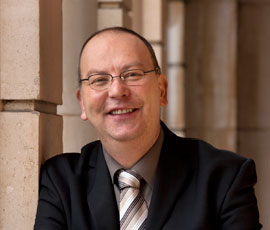
Meet roboticist Peter McOwan, Professor of Computer Science in the School of Electronic Engineering and Computer Science at Queen Mary, University of London. At Robotville Peter will be showcasing software he has built that helps robots understands our emotions
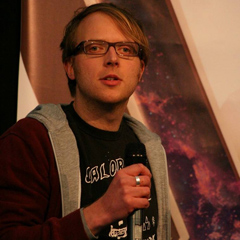
Meet roboticist Nick Hawes, a lecturer in the School of Computer Science at the University of Birmingham. He is bringing his robot, Dora the Explorer, to our Robotville festival.
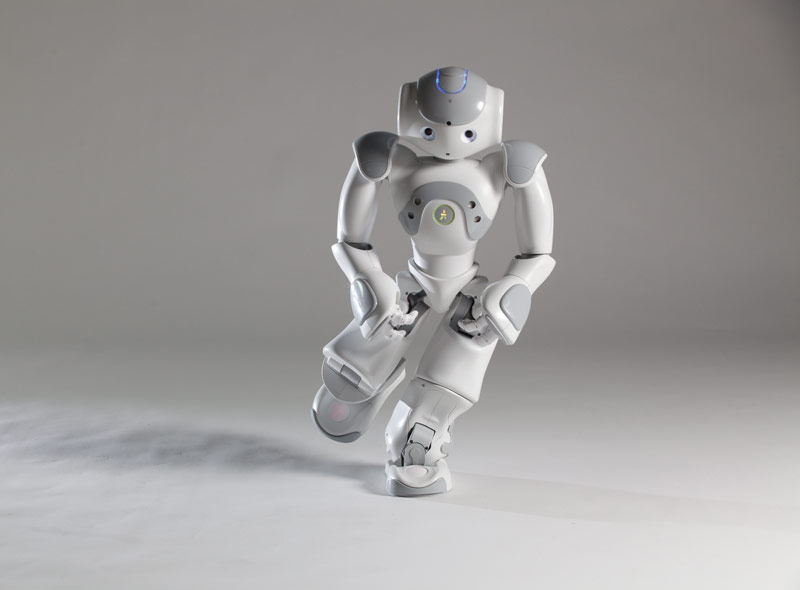
Over the next few days we will be posting interviews with some of the roboticists coming to Robotville to find out more about their research projects. This is your chance to submit any questions you would like them to answer.
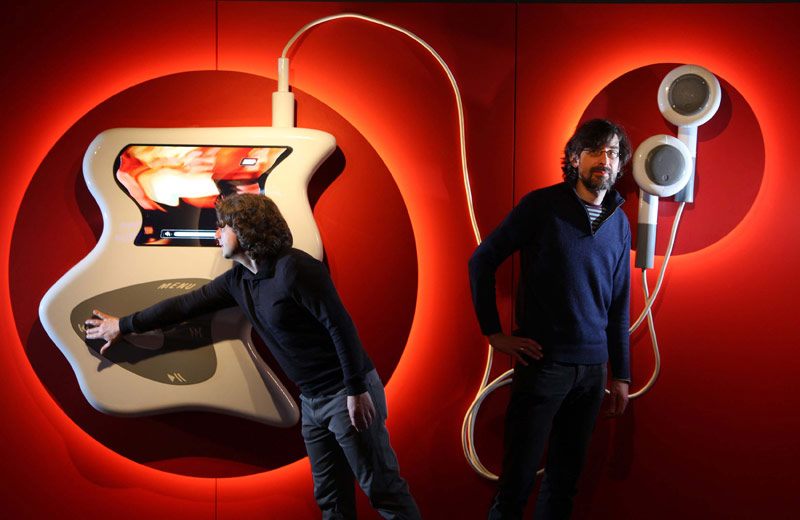
Not everyone knows that the Science Museum is home to an ongoing contemporary arts program, so we thought we would give you a bit of an update about what we have going on in the Museum art-wise.
From Thursday 1 until Sunday 4 December, 23 robots will be setting up home in the Museum as part of our four day event – Robotville.
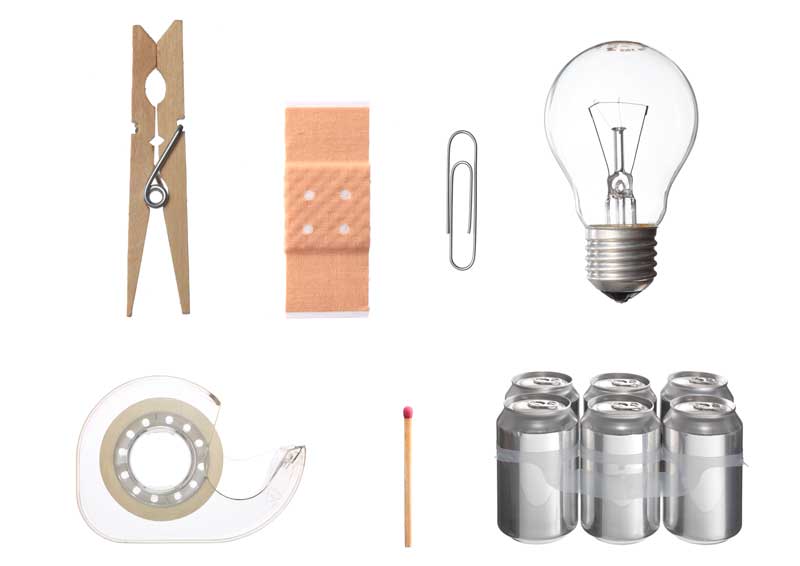
Tell us your genius uses for the everyday objects in our Hidden Heroes exhibition – and check out some really creative things people have made.
Giant Cockroaches giving tours of the Museum? Find out what they’ve got to say for themselves.
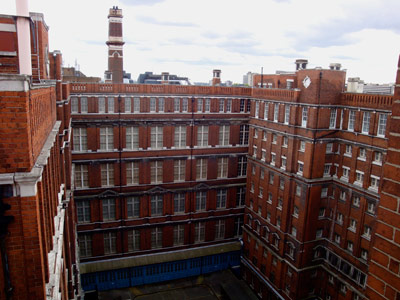
Hollywood glamour isn’t the first thing that springs to mind when you think of a museum store but Blythe House, the Science Museum’s small object store, is the red hot destination for filmmakers right now.
Next Wednesday we’ve got an exciting new exhibition opening. Hidden Heroes explores the way in which 36 of our unsung design classics came into existence.
It’s November, which means that some of your friends may sprout some dubious facial hair over the next few weeks. Yes, it’s that time of year again when thousands of blokes bid goodbye to their razors and grow a moustache to raise awareness for men’s health issues. For anyone unsure which style to adopt, there’s plenty of inspiration to be found in the Science Museum. The most famous scientific moustache is of course Albert Einstein’s, which has spawned some truly […]
This is undoubtedly our most famous painting: Philip J. de Loutherbourg’s 1801 ‘Coalbrookdale by Night’, a noisome depiction of the industrial revolution in all its terrible glory. Here are the ‘Bedlam furnaces’ in action – open coke hearths used for smelting iron, the visible face of a burgeoning coal industry. But if we dig a little deeper, we find a rich and little-known iconographic seam in the Science Museum’s art collection. For one thing, what de Loutherbourg saw at Coalbrookdale was […]