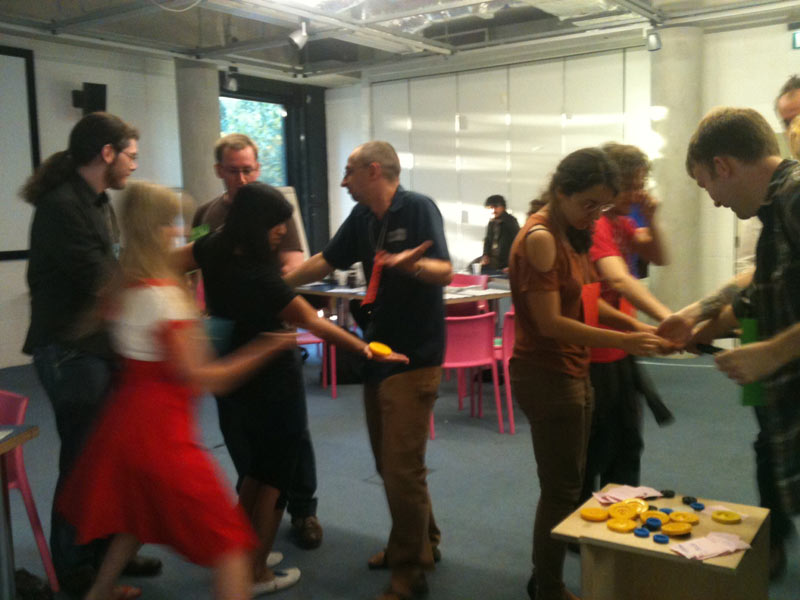
Last month we held our first ever Games Jam. Six games were created but there could only be one winner – find out which one it was…
Last month we held our first ever Games Jam. Six games were created but there could only be one winner – find out which one it was…
Have you ever noticed on exhibition labels, the small, sometimes non-sensical number that follows the blurb about an object? These numbers are vital to help us find out what the object is and locate it on our database. With a collection of over 200,000 objects, on three different sites and around 95% in storage we certainly need all the help we can get. When objects arrive at the museum they are assigned a temporary number. Many different systems have been used […]

On Tuesday the second phase of Oramics to Electronica opened to the public. To celebrate we’re going to launch ‘Oramix’ – a remix competition.
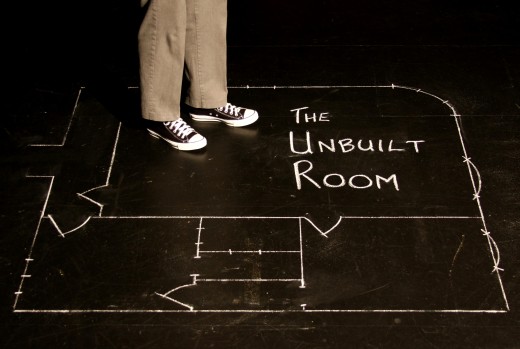
The Unbuilt Room is a 1980s computer text adventure made real.You remember text adventures: “You’re in a room…”, “Exits are North and East”, “GET LAMP”, that sort of thing.
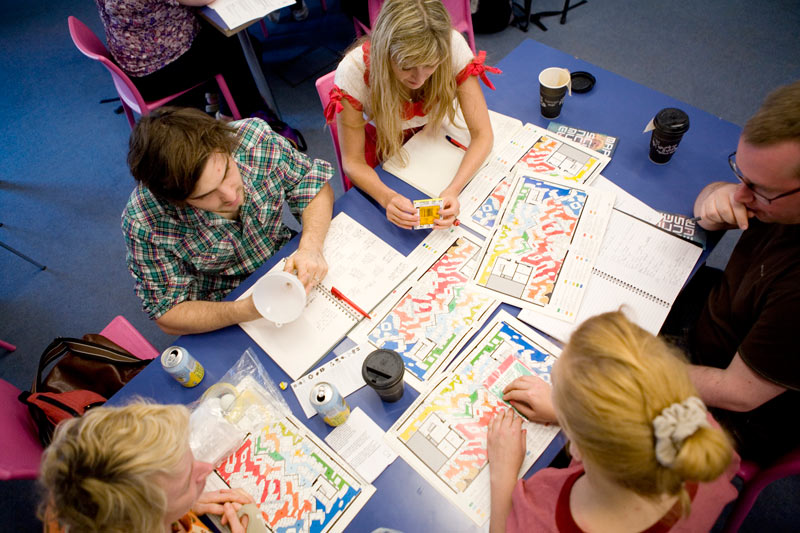
It’s a tall order, but it can be done. During our Games Jam last Friday, the six teams came up with six brand new games, playtested and perfected them – all in the course of a day.

Last Friday the great and the good from the world of live gaming descended on the Museum. They came to inspire the participants in our Games Jam – people who were going to have to design their own games in just one day.
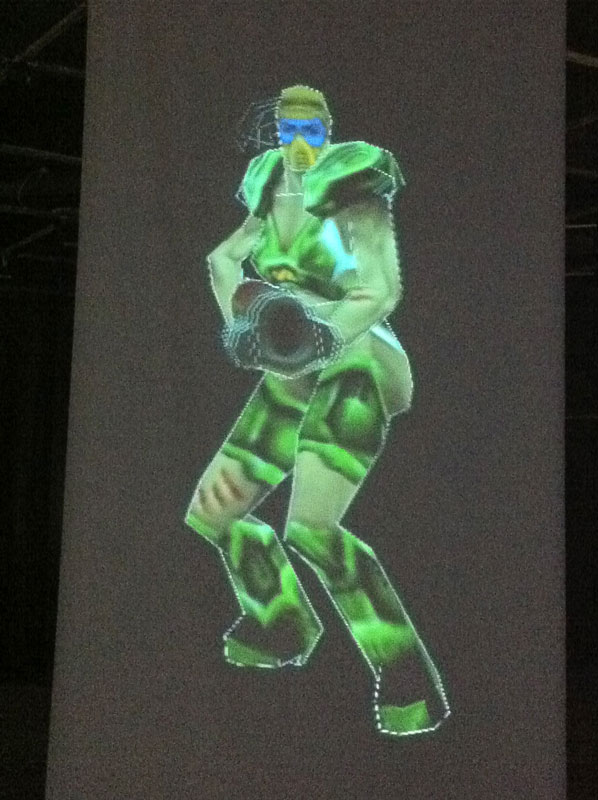
To tie in with our magnificent PLAYER live gaming festival, the theme of this month’s Lates was – wait for it – gaming.
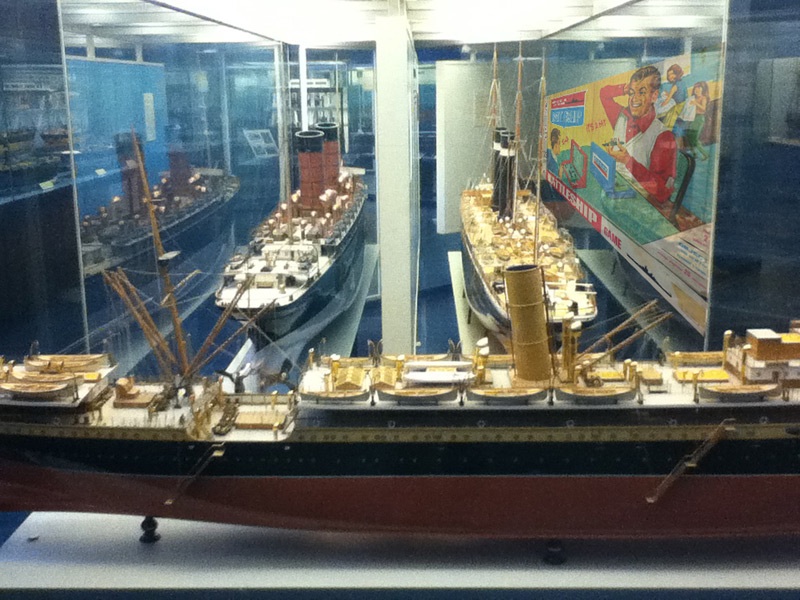
Ever wondered what to do with a room full of model boats in display cases? Play a 3D, to-scale version of Battleships of course!
Are you annoyed by cartons that don’t pour properly or people talking too loudly on public transport? Well now’s your chance to share an everyday irritation with our inventor in residence, Mark Champkins.
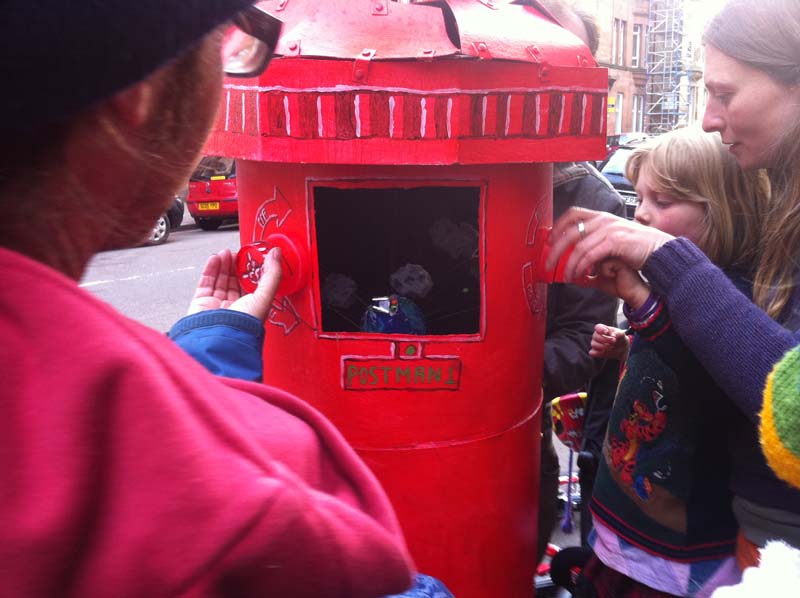
Already excited about this month’s live gaming festival? Come along to our first ever Games Jam and help create a game to be played at the festival.
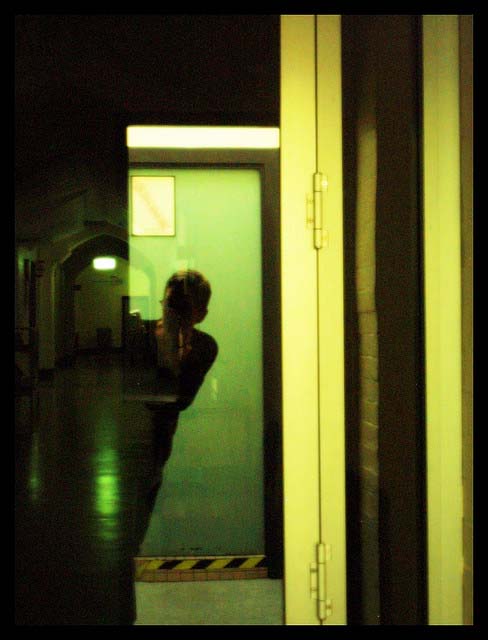
Exciting details about some of the games you can play at our live gaming festival PLAYER from 28 September to the 2 October.
In the Wellcome medical collections, there are lots of relics relating to famous people, some of which have featured on this blog. Many of them are from the great men of medicine and science, Joseph Lister, Louis Pasteur, as well as military and naval men, Nelson, Napoleon and Wellington. In the Wellcome Library, only one woman’s name made the inscription in the Reading Room: Florence Nightingale. Not so with the collections though. During one visit to the stores I came across […]