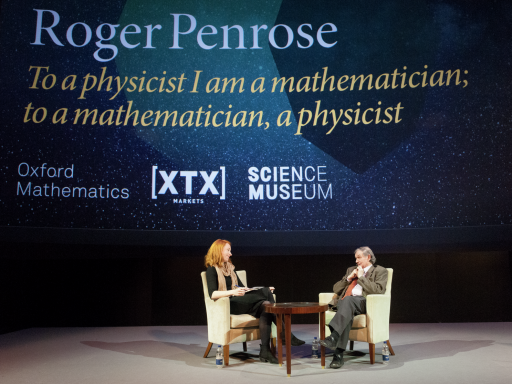
Roger Highfield, Director of External Affairs introduces the Oxford Mathematics public lecture.
Roger Highfield, Director of External Affairs introduces the Oxford Mathematics public lecture.
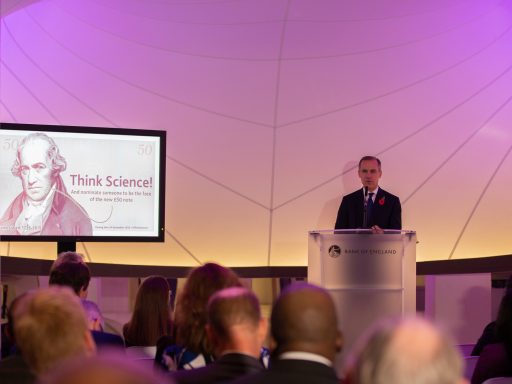
The Governor of the Bank of England, Mark Carney, visited the museum to announce that the new £50 note will celebrate the UK’s contribution to science.
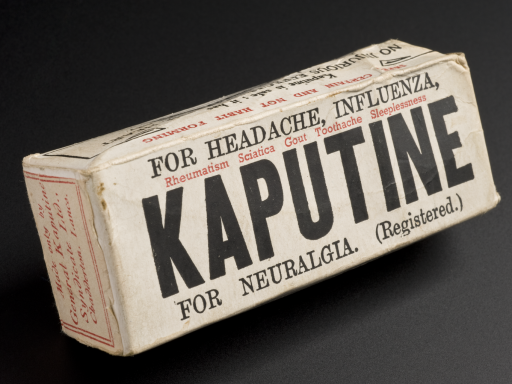
In 1918, as the First World War ended and peace celebrations began, a new enemy emerged – the Spanish flu.
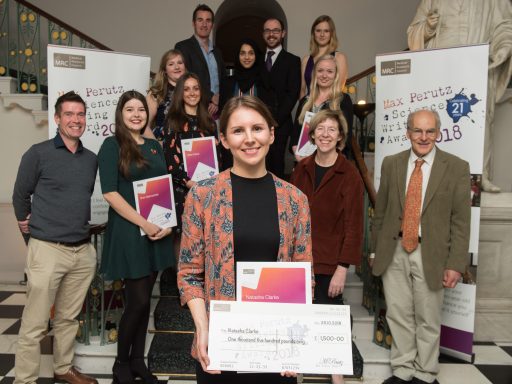
Roger Highfield, Director of External Affairs, announces the winners of the Medical Research Council’s annual Max Perutz Science Writing Award.
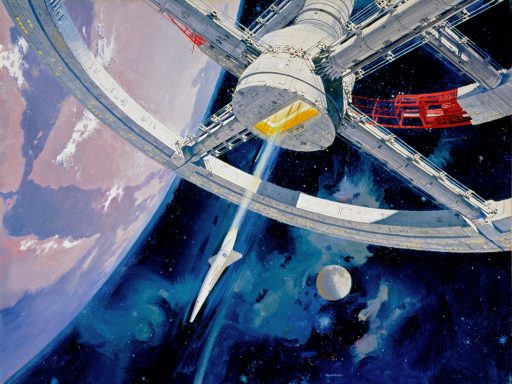
Director and Academy-Award winning visual effects designer, Paul Franklin, talks about his fascination with Kubrick’s sci-fi classic 2001: A Space Odyssey and the joys of watching an ‘unrestored’ print.
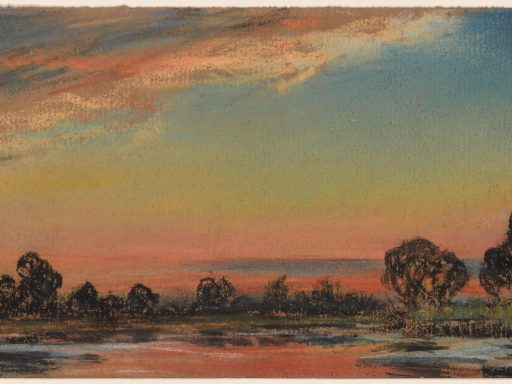
In anticipation of the clocks changing we look at how Daylight Saving Time affects our health and well-being.
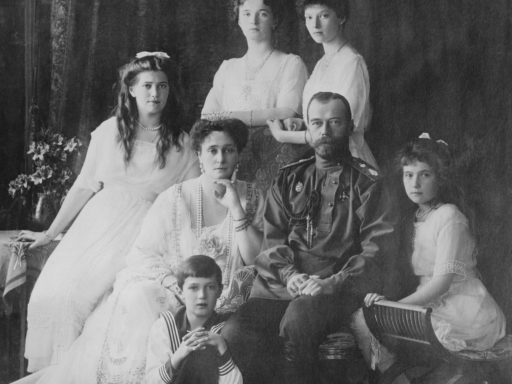
We take a close up look at the history of two of the last Imperial Fabergé Easter Eggs ever to be made, currently on display in The Last Tsar: Blood and Revolution.
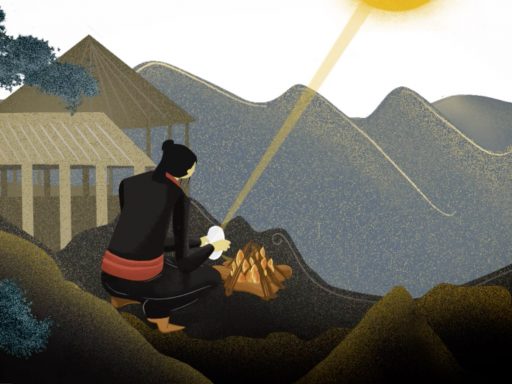
Amy Davy explores the different ways people have harnessed the power of the Sun throughout history.
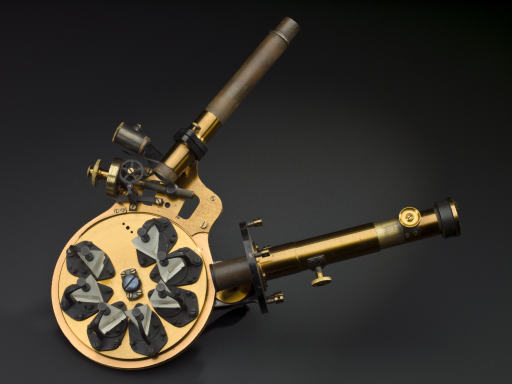
On 20 October 1868, Norman Lockyer discovered helium. Associate Curator of Chemistry Rupert Cole tells the story.
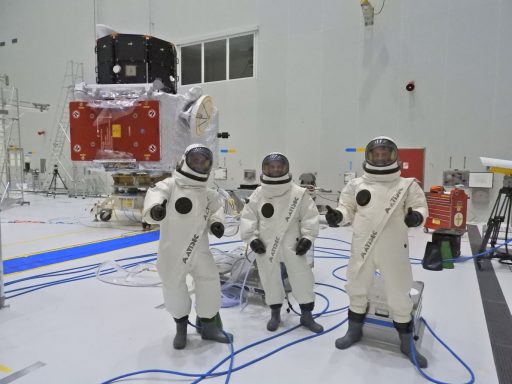
ESA Project Scientist Johannes Benkhoff, gives an overview of the latest preparations for the launch of BepiColombo, which will be taking off on its 7-year mission to Mercury later this week.
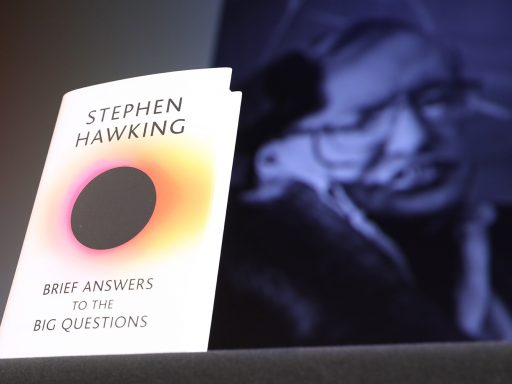
This week the museum hosted the press conference for Professor Stephen Hawking’s final book, Brief Answers to the Big Questions.
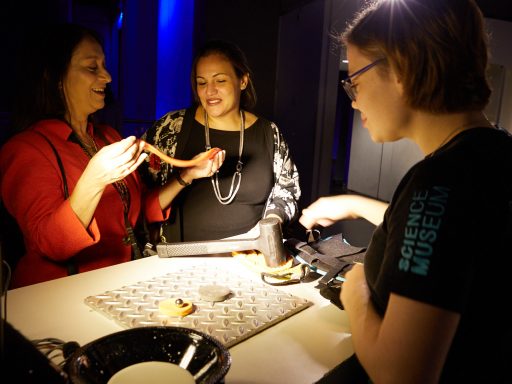
The Science Museum Group this week launched its Academy, a major initiative to tackle the skills shortage in STEM fields and ignite the curiosity of the next generation.