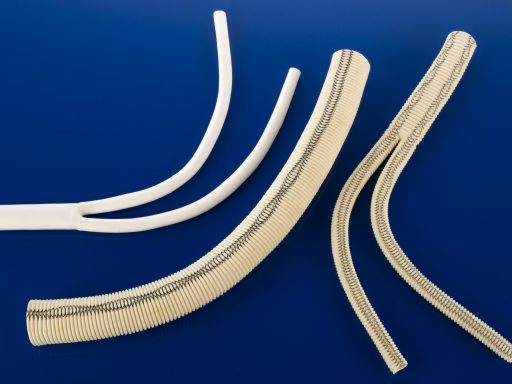
On this day in 1938 a young DuPont research chemist accidentally discovered a slippery, white substance that would become a 20th-century wonder material: Teflon. Assistant Curator Rupert Cole explores its history.
On this day in 1938 a young DuPont research chemist accidentally discovered a slippery, white substance that would become a 20th-century wonder material: Teflon. Assistant Curator Rupert Cole explores its history.
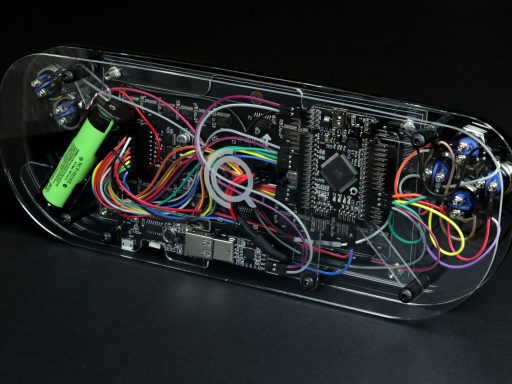
Meet Creoqode, the tech company that lets you build your very own game console and create the video games to go with it. We speak to them about the new 2048 console.
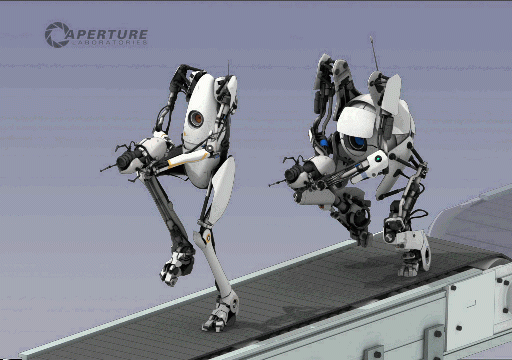
From old 8-bit classics to the latest shooter, science fiction has never ceased to be a source of inspiration for game developers…

250 years ago William Cookworthy was awarded a patent for producing an English true hard-paste porcelain similar to that being produced in China and Germany. Curator of Chemistry Sophie Waring explores more.
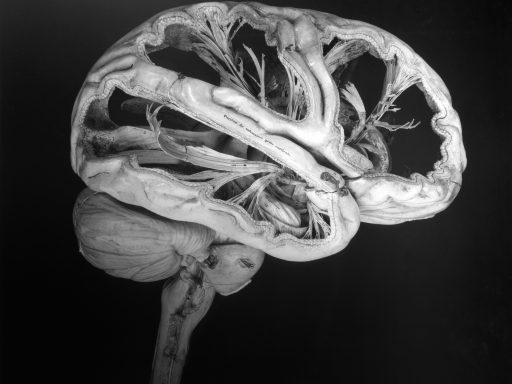
Understanding how different networks in the human brain support human cognition is an inhumanly complicated problem to solve, but it has now been successfully dissected by an artificial intelligence in real time, a new study reveals.
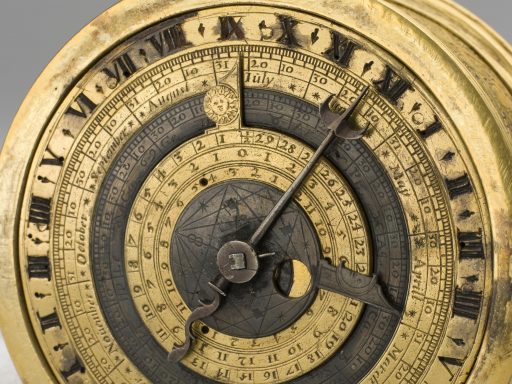
Ahead of moving our clocks forward, we travel back in time to see why Daylight Savings was first introduced.
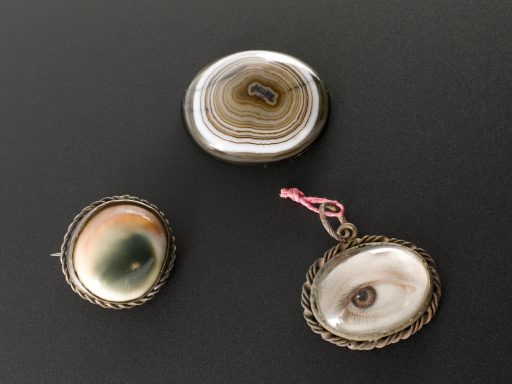
Throughout history, amulets have been used to heal and protect the body from different evils and illnesses. What can these five objects tell us about their place in medicine?

Assistant Curator Rupert Cole takes the controls and explores the comprehensive world of SimEarth.
Growing human body parts in a lab might sound like something straight out of science fiction, but thanks to incredible advances in stem cell technologies, we may be closer to achieving this than we thought.
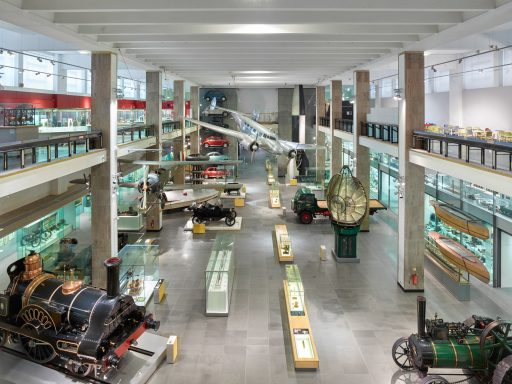
As part of our mission to inspire the next generation of scientists, inventors and engineers the Science Museum Group have launched an exciting new app
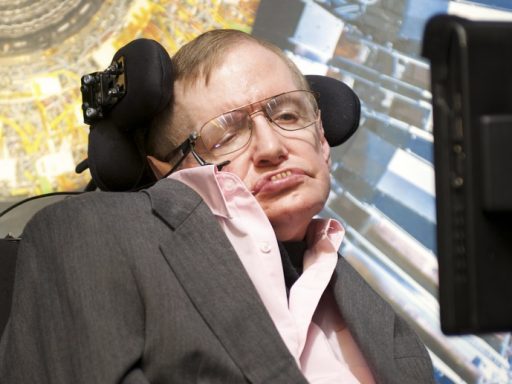
Stephen Hawking, the best known scientist on planet Earth will be mourned for his remarkable impact, not just on the field of cosmology but as a hugely successful science writer and a beacon of inspiration for how the limitations of the body can be overcome by the power of the mind.
Evidence that drug testing could one day be conducted in a computer rather than on animals has led to a team at the University of Oxford winning a major international prize.