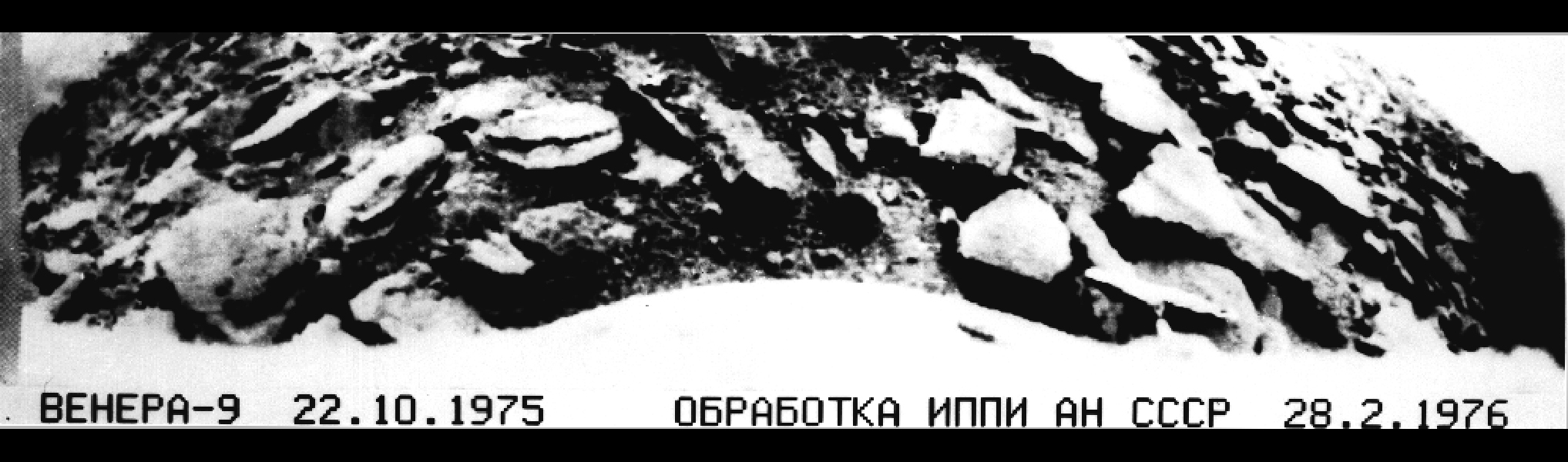
On the anniversary of Venera 7’s launch – the first spacecraft to successfully land on Venus – curator Doug Millard reflects on the challenge of exploring other worlds.
On the anniversary of Venera 7’s launch – the first spacecraft to successfully land on Venus – curator Doug Millard reflects on the challenge of exploring other worlds.
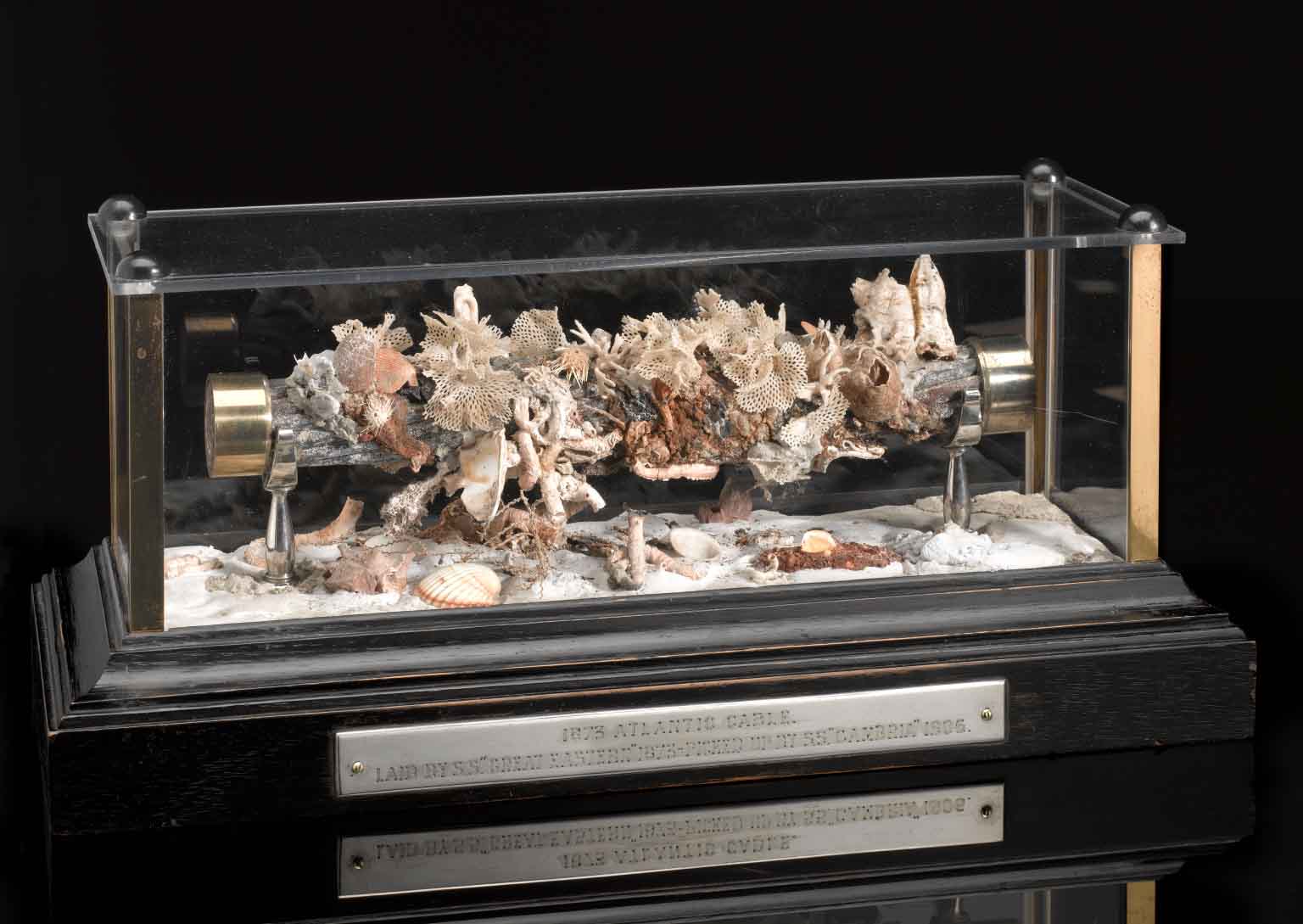
Chloe Vince, Science Museum Volunteer, tells the dramatic story of the laying of the first transatlantic cable, one of the highlights of our Information Age gallery.
Charlotte Connelly, Content Developer, blogs about the IBM Simon, the first smartphone to go on public sale.
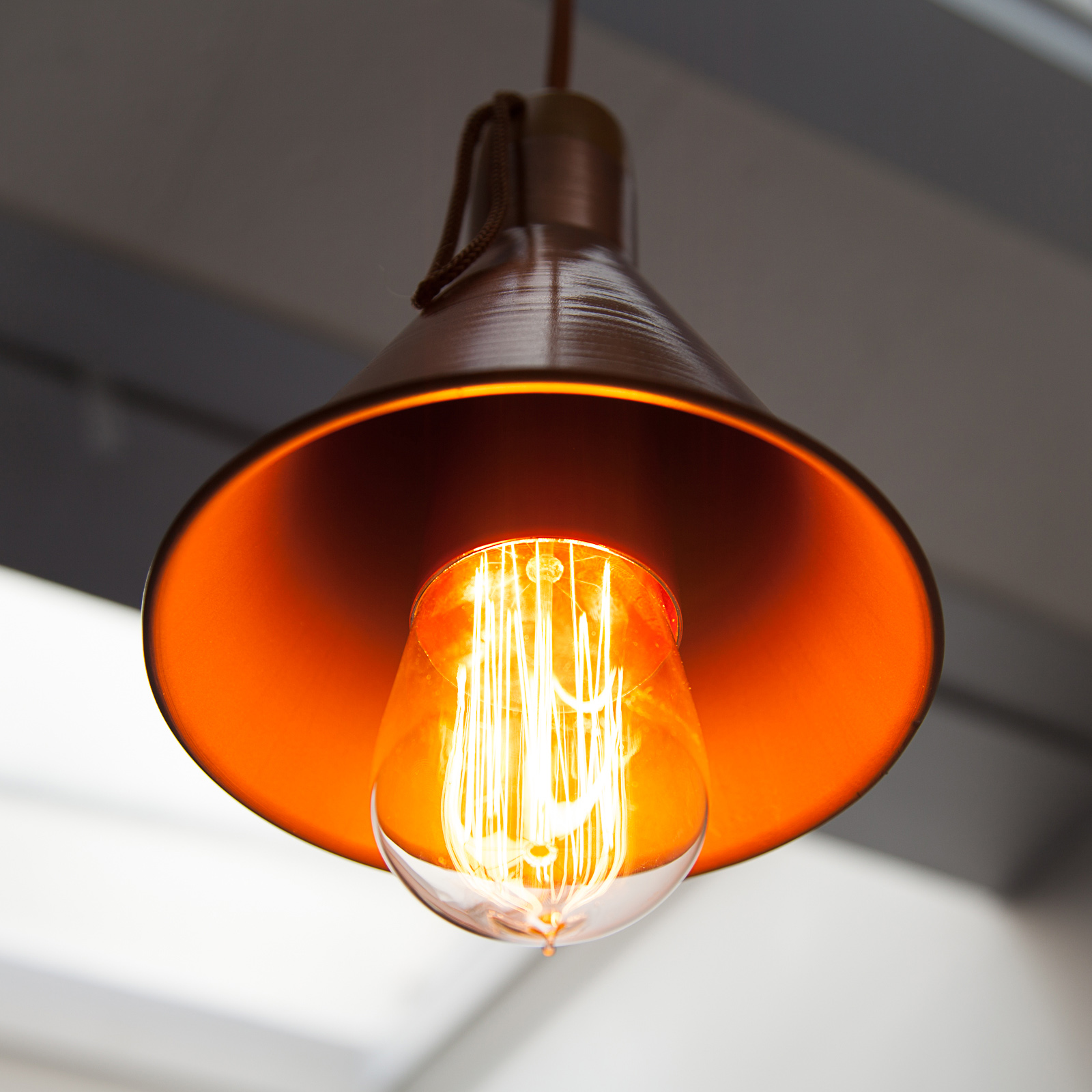
The second phase of The Rubbish Collection exhibition is open at the Museum until 14 September. Having documented every piece of waste that passed through the Museum for a month, this second phase is a chance to see what would have been thrown away. Of the material that hasn’t been selected for display, I collected a small box of bits that I hoped to turn into a product that we might sell in the shop. I like the idea that […]
Dan Green, Content Developer, reflects on the incredible story of the Rugby Tuning Coil, one of the star objects of the Science Museum’s brand new Information Age gallery which opens in October. The aerial inductance coil from Rugby Radio Station will soon have a new home at the Science Museum – see it being installed in the video below. Measuring 6 metres high and resembling a series of giant spiders’ webs, this monumental coil is a powerful reminder of the invisible […]
Assistant Curator Sarah Harvey looks back at Sir Ernest Shackleton’s Antarctic expedition, which launched a century ago today.
Richard Pering, Learning Resources Project Coordinator, shares the latest news from the Building Bridges project.
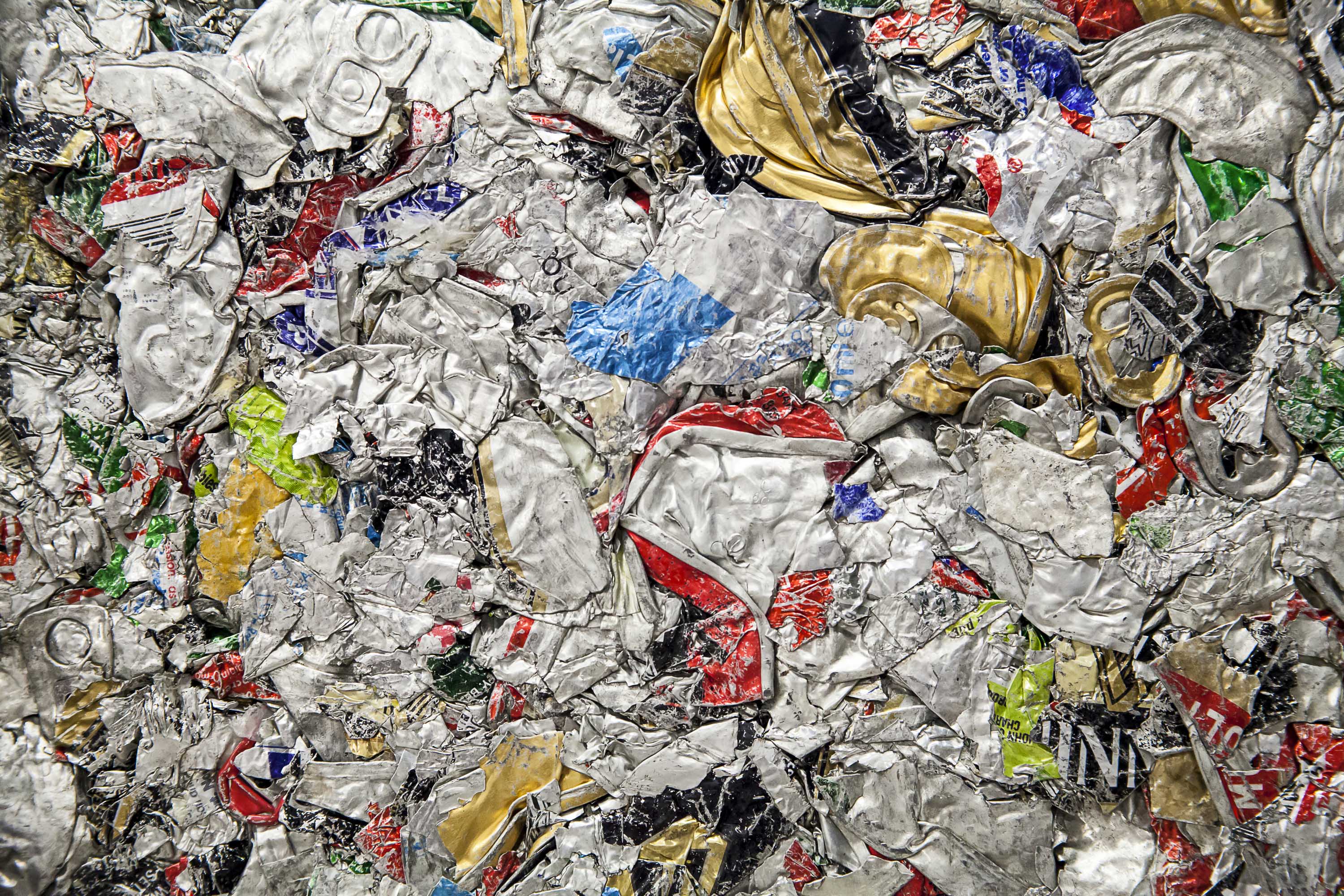
Joshua Sofaer’s art installation The Rubbish Collection showcases the sometimes surprising materials that are created from the everyday rubbish produced by staff, contractors and visitors at the Science Museum. After documenting all the Museum’s waste for 30 days we have traced where it goes, and how it is recycled and transformed from rubbish back into valuable materials. For recyclable rubbish put into the Museum’s recycling bins, the first port of call in the journey is the Grundon Material Recovery Facility […]
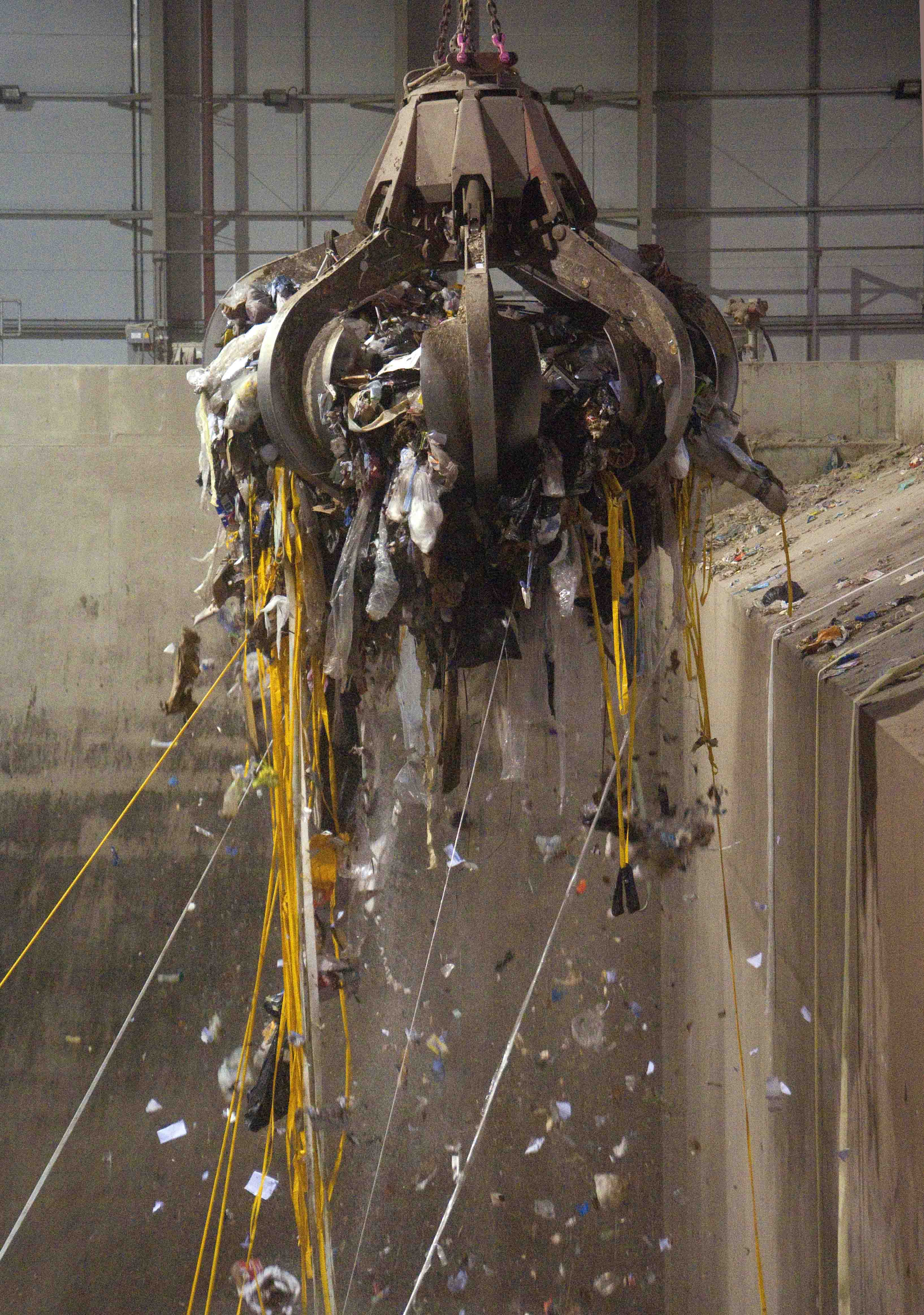
The second phase of Joshua Sofaer’s The Rubbish Collection art installation has involved tracing the journeys of the Science Museum’s rubbish, to find out where it goes, and how it is processed. This has enabled us to work out what materials to bring back for display, and in what quantities, to represent 30 days’ worth of Science Museum waste. Rubbish leaves the museum via a variety of different companies but the vast majority is taken by Grundon Waste Management. It […]
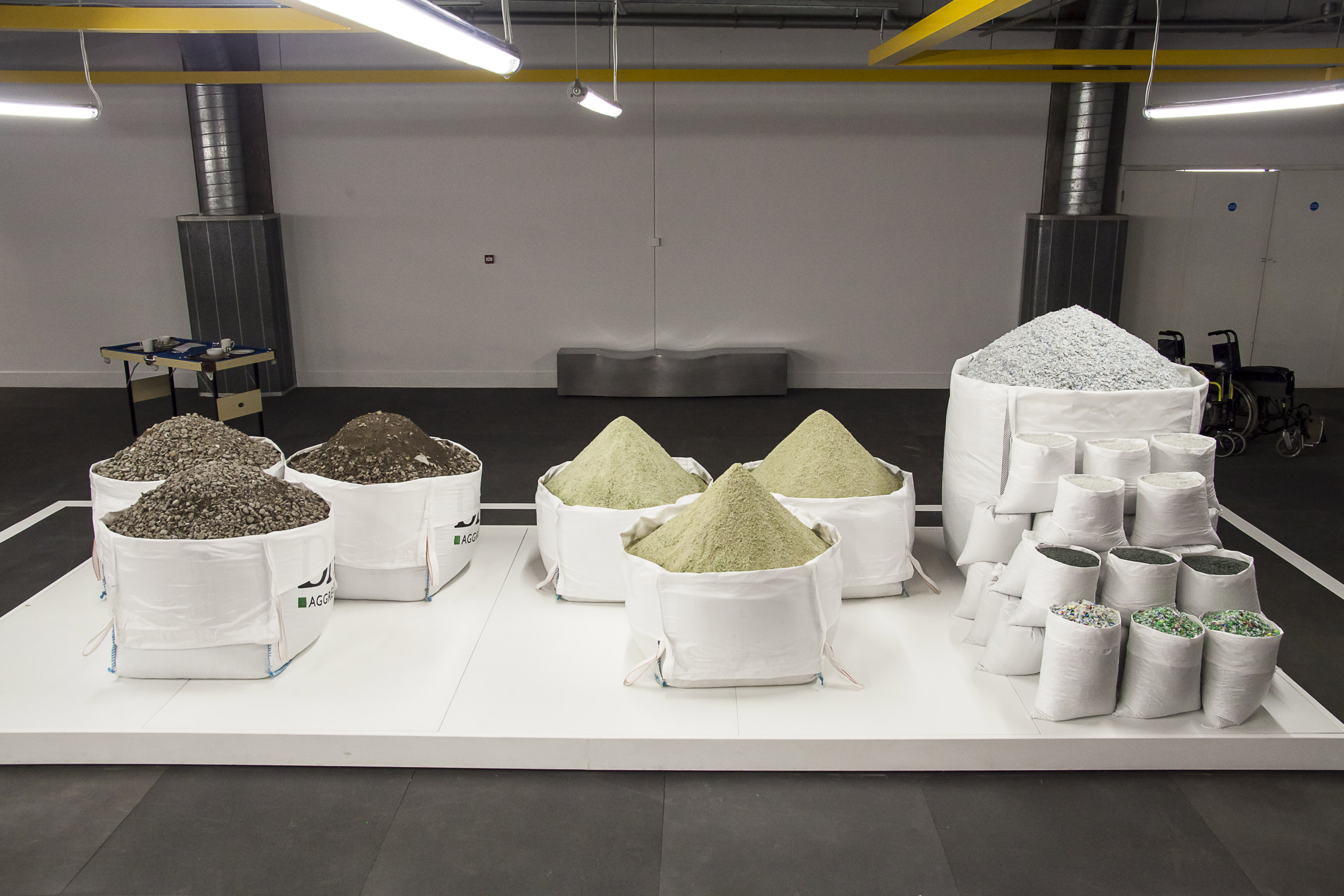
Phase 1 – Mark Champkins, Science Museum Inventor-in-Residence Tuesday 15 July was the last day of sorting through Museum waste for The Rubbish Collection project, and my last chance to put in a shift filtering through discarded drinks bottles and leftover lunches. The project is fascinating. It aims to examine what constitutes the waste that passes through the Museum, where it would normally go, and what might be usefully recycled. The exhibition is split into two parts. The first involves […]
Earlier in the year Loughborough School visited the museum to see the Feel the Force science show presented by Explainer Dwain on their trip to the Museum
Update: You can see the full #UnlockingLovelock tour below Are you a fan of maverick scientist James Lovelock? To celebrate Lovelock’s 95th birthday, curator Alex Johnson conducted a live Twitter tour of our Unlocking Lovelock exhibition on Friday 25 July. During the tour of the exhibition, Alex shared the objects, letters, notes and drawings that reveal Lovelock’s extraordinary life and scientific career through the Science Museum’s Twitter account (@sciencemuseum) using the hashtag #UnlockingLovelock. [View the story “Lovelock Twitter Tour” on Storify] Unlocking Lovelock: […]