We love receiving letters from our visitors. In fact, most of the letters we receive are from primary schools that have just visited the Museum. We recently received letters about the Flash! Bang! Wallop! Launchpad show…
Everyone, at some point in their lives, will ‘accidently’ ingest something that, well, they really shouldn’t have. At best, the event might provide an amusing story to tell your friends, at worst the consequences can be serious enough to make the news. Of course, the deliberate ingestion of foreign bodies into the human body can be symptomatic of serious mental health issues. A compulsive urge that can result in real physical harm. Hidden within our medical collections are examples of […]

On 7 December 1972, Apollo 17 blasted into orbit. It would be the final mission of the Apollo space programme.

This tree-like structure that symbolises the growth of engineering has been chosen as the trophy for a new global prize. The Queen Elizabeth Prize is considered to be the Nobel prize for engineering and yesterday the winner of the trophy competition was announced by Ian Blatchford, Director of the Science Museum Group.

Every time we invent a new communications device, somebody has to decide what the first every message will be. So, 20 years ago today, when 22-year-old British engineer, Neil Papworth, was trying out Vodafone’s new SMS system out for the first time, what did he send? Well, as it was nearing Christmas, there was really only one choice: MERRY CHRISTMAS
Something a bit different from Stories from the Stores today – we’re hosting the History Carnival, and bringing you a roundup of last month’s blogs on history (and a few other links we just found interesting). Don’t worry – in true STFS style, we’re still illustrating it with objects and images from the Science Museum’s collections! Slaughter, Shakespeare and squibs November’s remembered for gunpowder treason and plot, for which Guy Fawkes suffered a traitor’s execution: hung, drawn and quartered. As Kathleen McIlvenna points […]
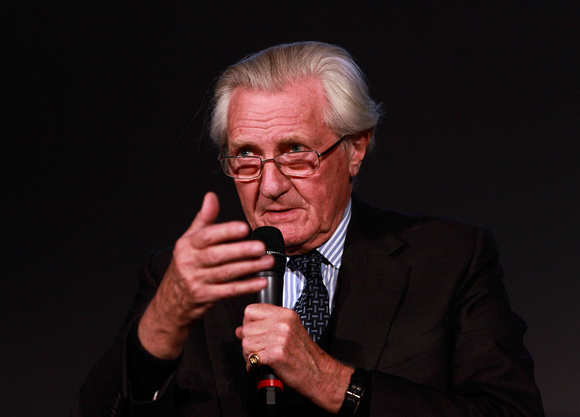
Boffins, crazy ideas and blue sky research might not sound like the building blocks of an industrial policy. However, one of the most seasoned figures in modern politics argued this week that science is not just a cultural activity but plays a central role in driving the nation’s economy. Lord Heseltine, the former deputy Prime Minister, delivered this message to a 300-strong audience attending the Campaign for Science and Engineering (CASE) Annual Lecture.
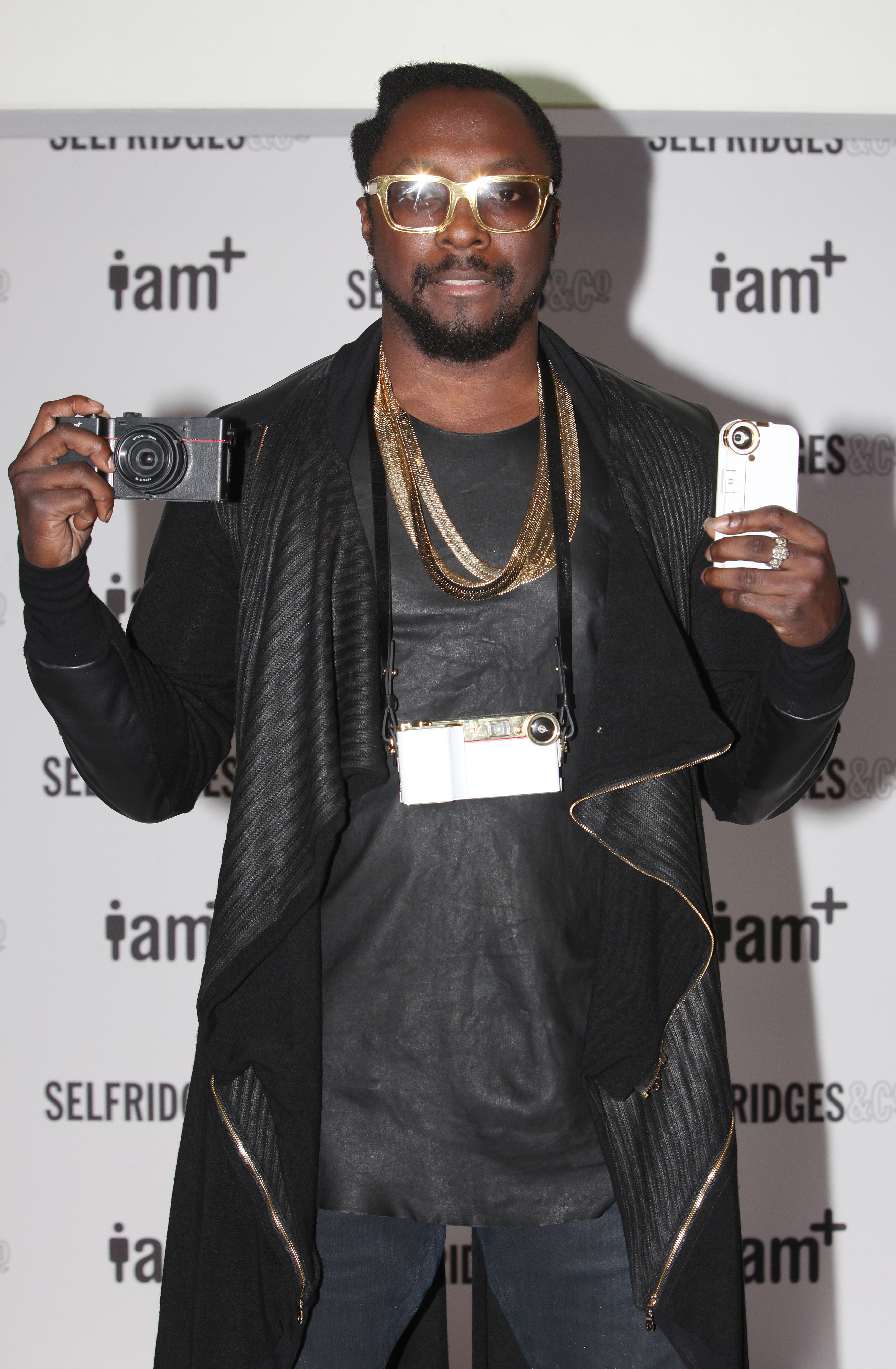
The musician and entrepreneur will.i.am gave a classic demonstration of the ‘show, don’t tell’ technique yesterday as part of his quest to inspire the next generation of scientists and engineers.
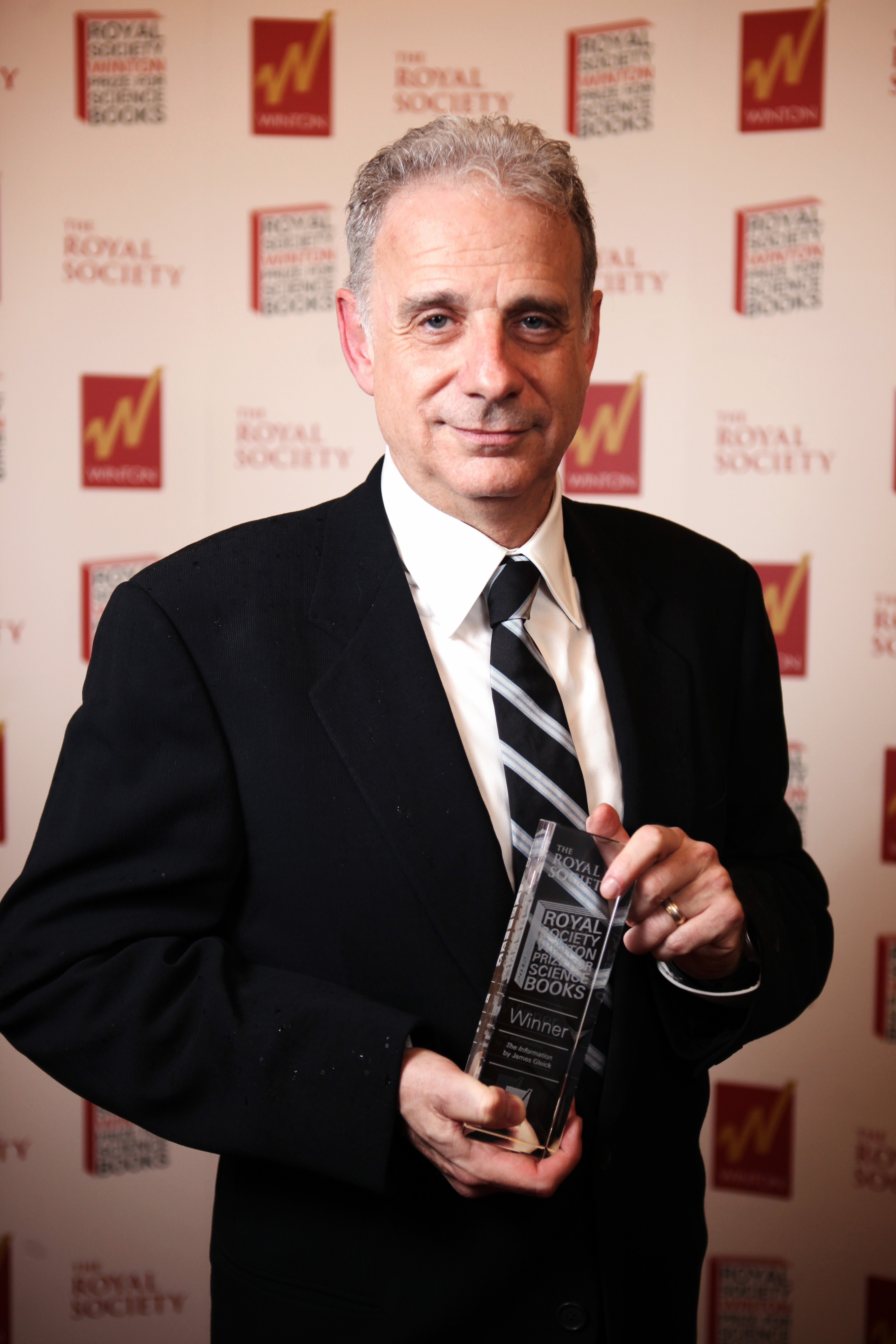
The bestselling author James Gleick last night won the world’s most prestigious science book prize with his revelatory chronicle of how information has become the defining quality of the modern age.
This post was written by Tara Knights, a work placement student with the Research & Public History department from Sussex University’s MA Art History and Museum Curating. These days most of us have a camera the size of our mobile phone. We can effortlessly take pictures of anything and everything, but what role did photography play in the lives of our ancestors? In this second of a series of blog posts, we will continue to explore the lives of our […]
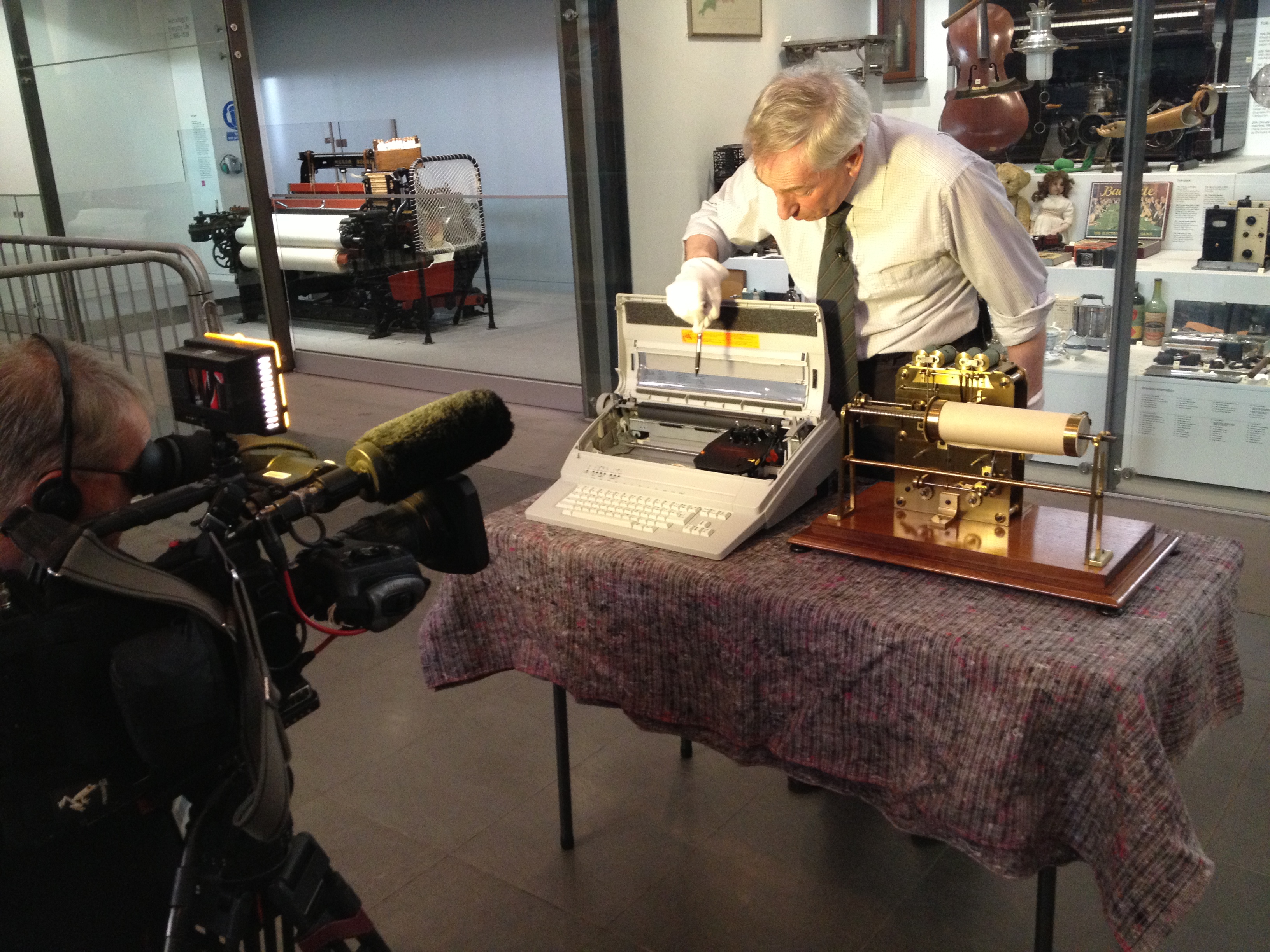
Clack clack clack clack… ping! The sound of a typewriter sweeping across the page, already becoming a faint memory, will soon fall silent as the mass manufacturing of this technology ends in the UK.
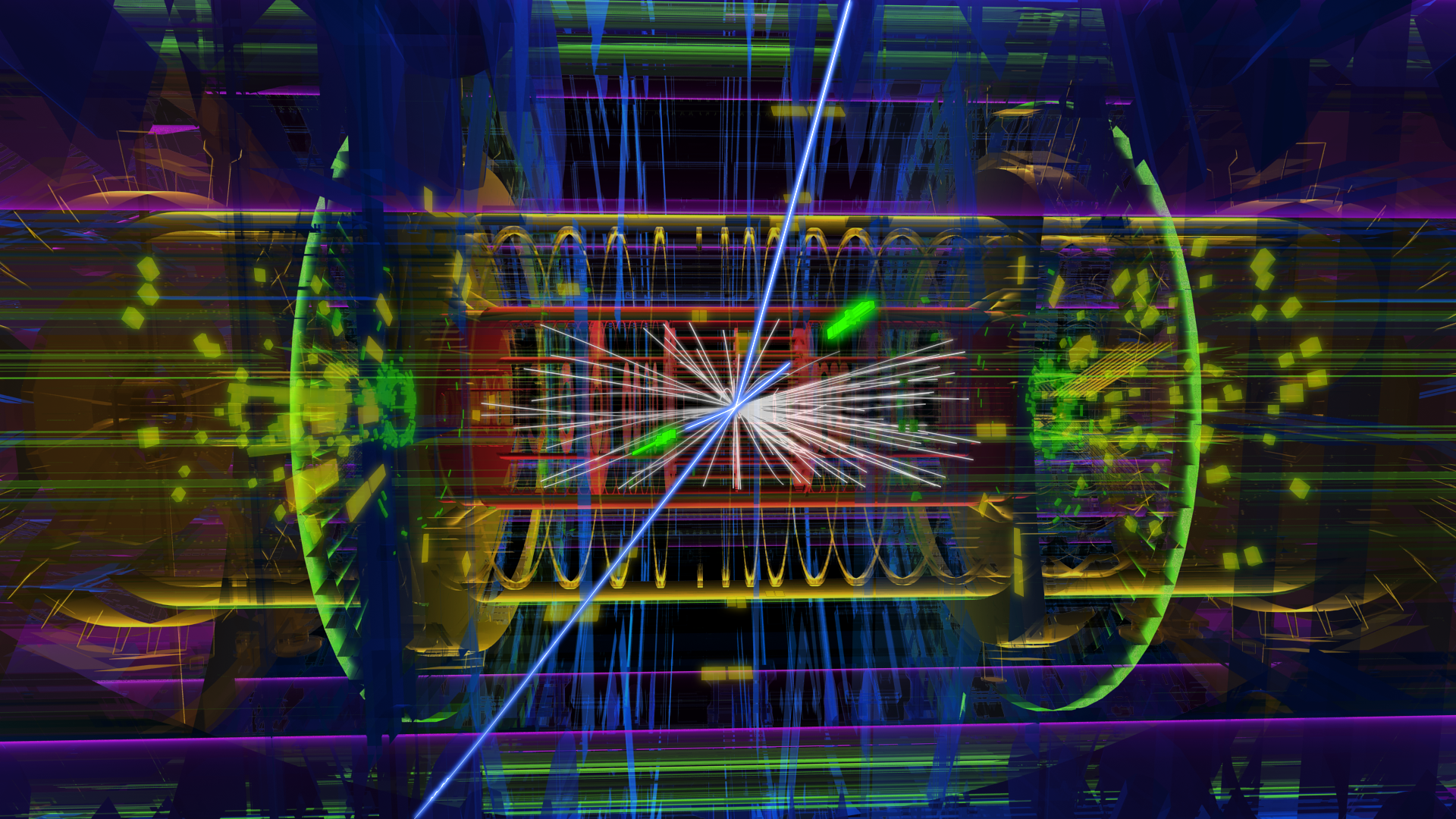
New research from the Large Hadron Collider shows the newly-discovered Higgs boson is behaving exactly as expected. While this might seem like good news, for some people it is the opposite, because a well-behaved Higgs might rule out some intriguing new physics theories.