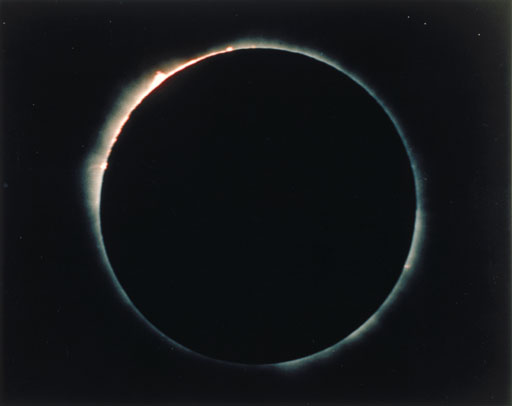
On Friday 20 March, a solar eclipse will be visible across the UK (and Europe, parts of Asia and Africa). It’s the last chance to watch a solar eclipse in Europe until 2026.
On Friday 20 March, a solar eclipse will be visible across the UK (and Europe, parts of Asia and Africa). It’s the last chance to watch a solar eclipse in Europe until 2026.
A guest post from Kate Campbell-Payne, Museum of Science and Industry in Manchester.
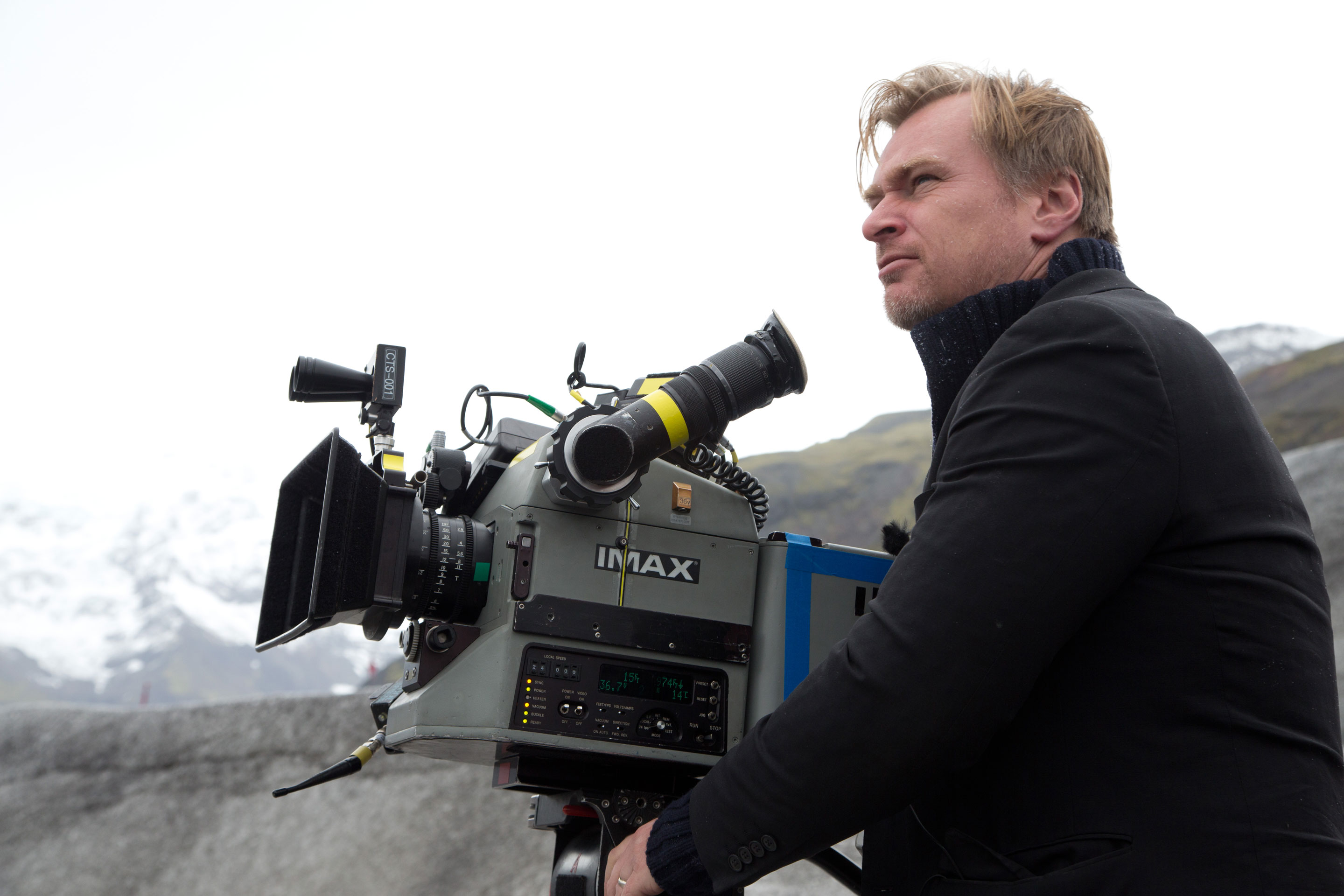
World-renowned director and blockbuster auteur Christopher Nolan visited the Science Museum last night for a special screening of his latest acclaimed feature, Interstellar, in our IMAX Theatre. He was joined by the film’s editor Lee Smith, visual effects supervisor Paul Franklin and cinematographer Hoyte van Hoytema for an exclusive Q&A with BAFTA members hosted by writer and journalist Mark Salisbury. The Science Museum IMAX is one of only four screens in the UK to show Interstellar in Nolan’s intended 70mm IMAX format, with one of […]
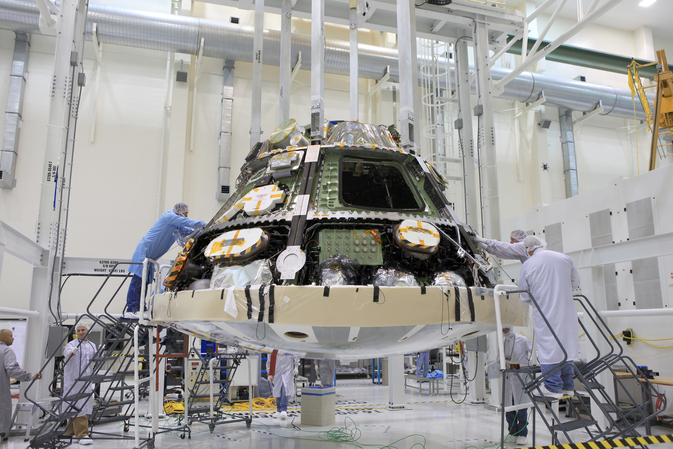
Doug Millard, Deputy Keeper of Technology and Engineering, reflects on Orion’s maiden voyage in space and NASA’s first step on the Journey to Mars.
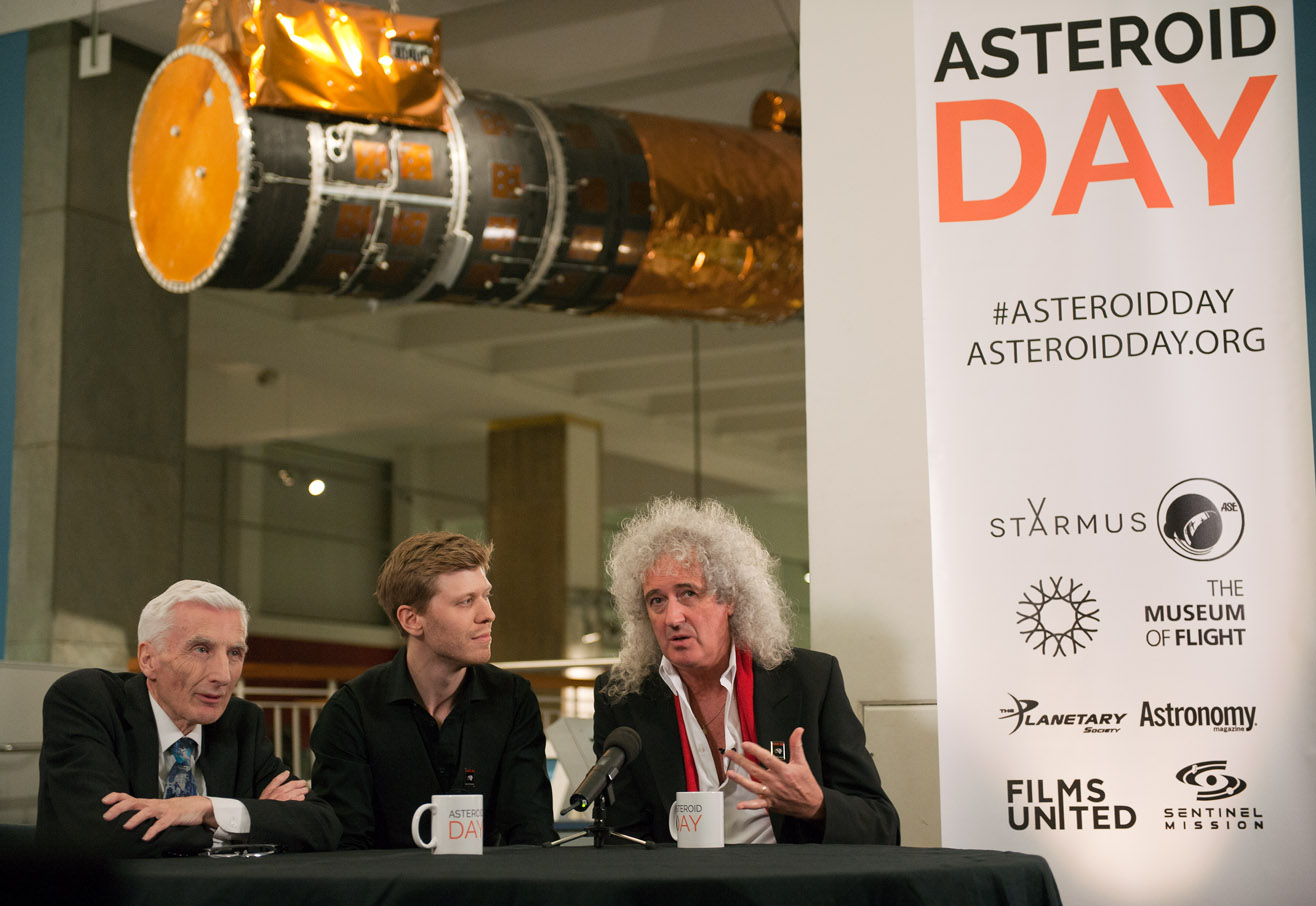
Roger Highfield, Director of External Affairs, writes about the launch of Asteroid Day at the Science Museum.
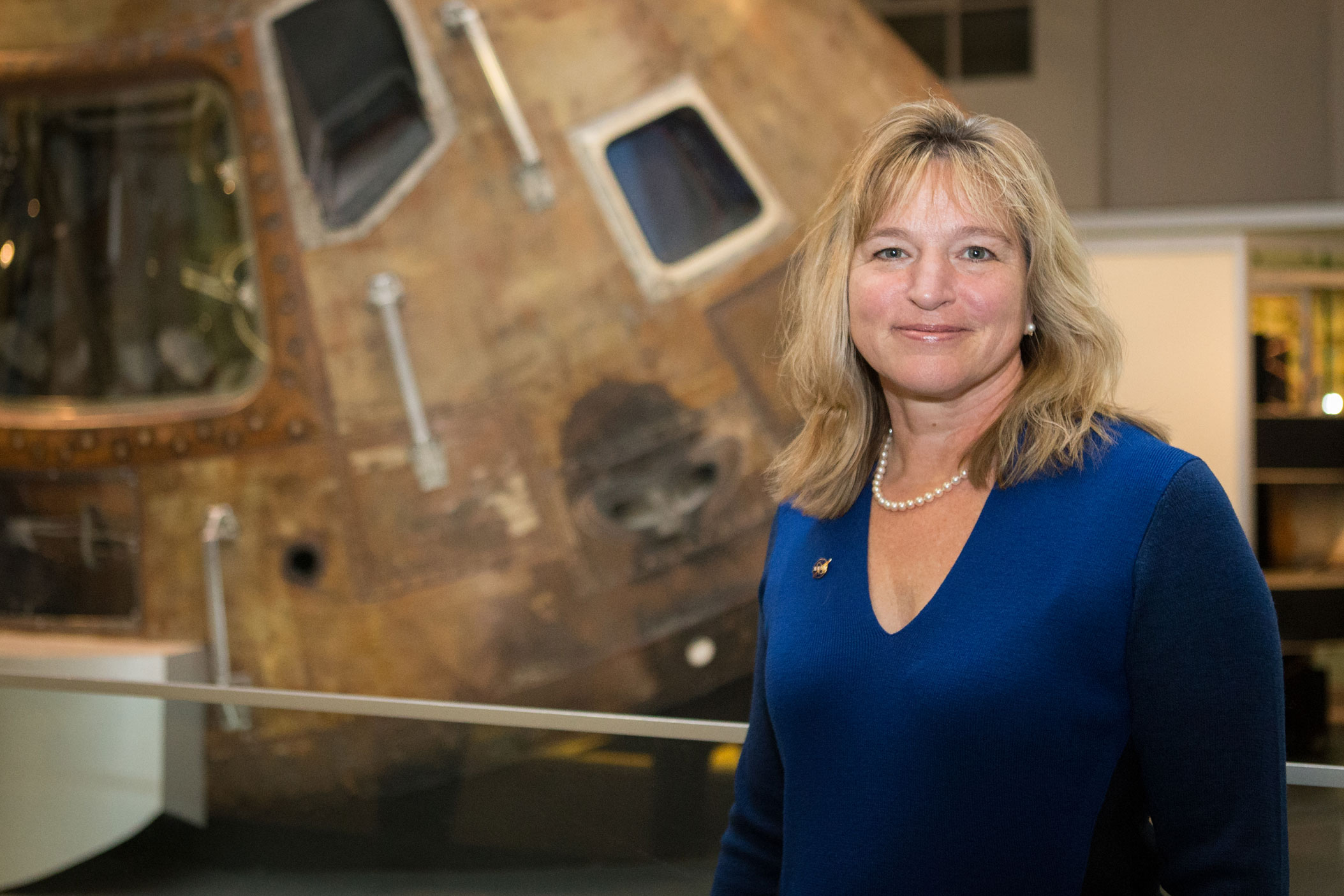
Dr Ellen Stofan, NASA’s Chief Scientist, gave the Campaign for Science and Engineering’s 24th Annual Distinguished Lecture at the Science Museum.
Roger Highfield, Director of External Affairs at the Science Museum, explores the physics of Hollywood blockbuster Interstellar.
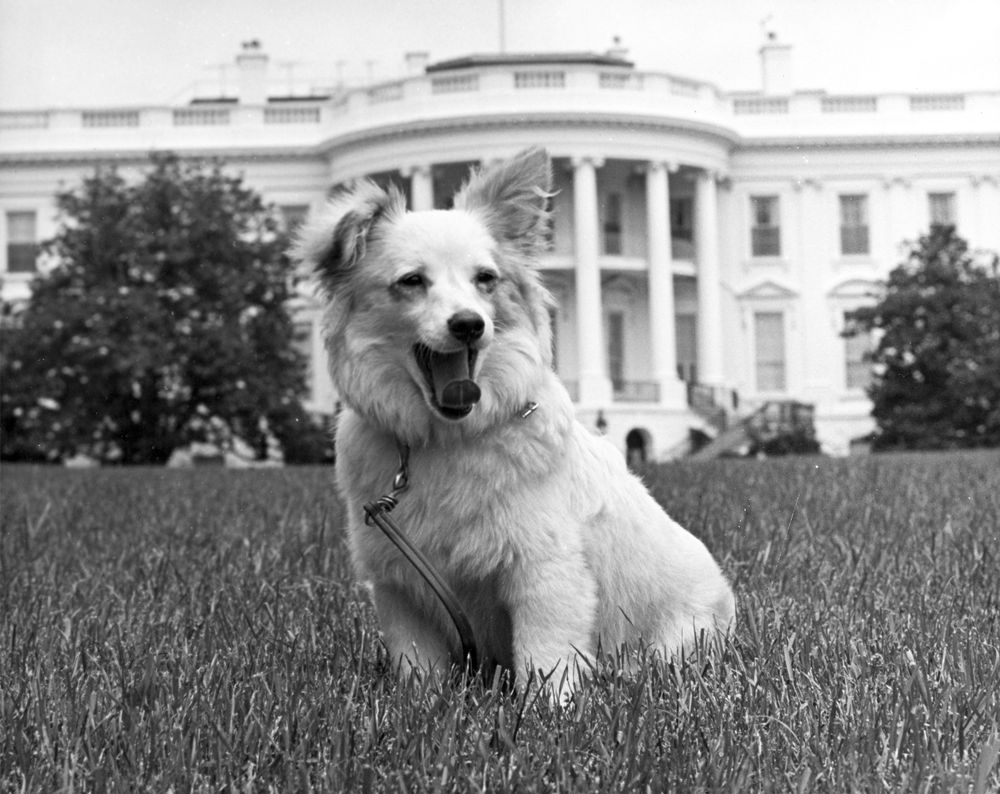
On this day (3 November) in 1957, just one month after the launch of Sputnik, the world’s first artificial satellite, a dog called Laika was sent into space, become the first living thing to orbit our planet.
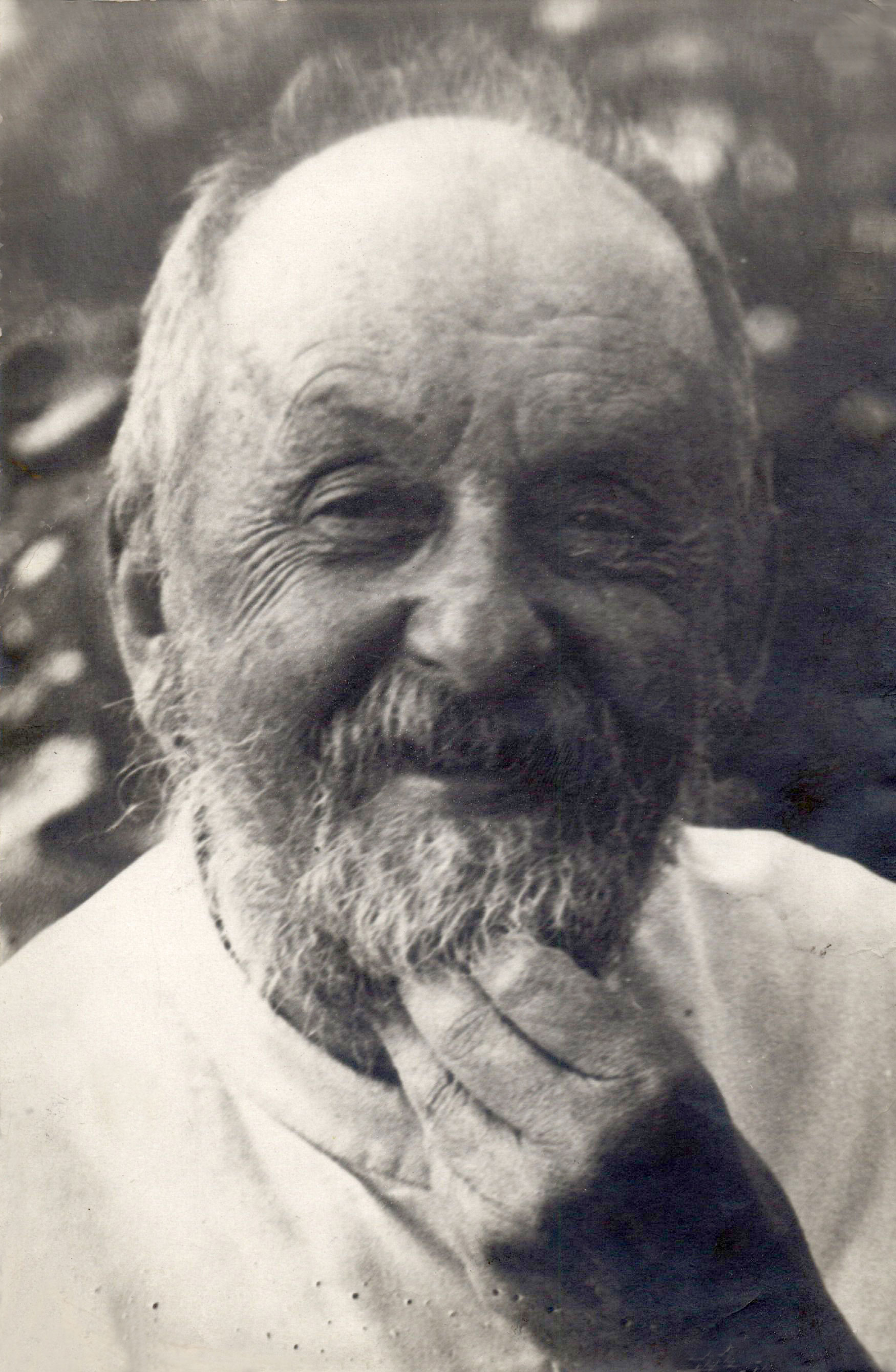
Look closely at this picture from the Russian module of the International Space Station and you will see two images of a man with a white beard. Known as the grandfather of Soviet space travel, this man dreamt of international space stations as early as the 1890s and cosmonauts still pay homage to him today. Born on this day (17 September) in 1857, the man’s name is Konstantin Tsiolkovsky. Tsiolkovsky’s contribution to the science of space travel is diverse and […]
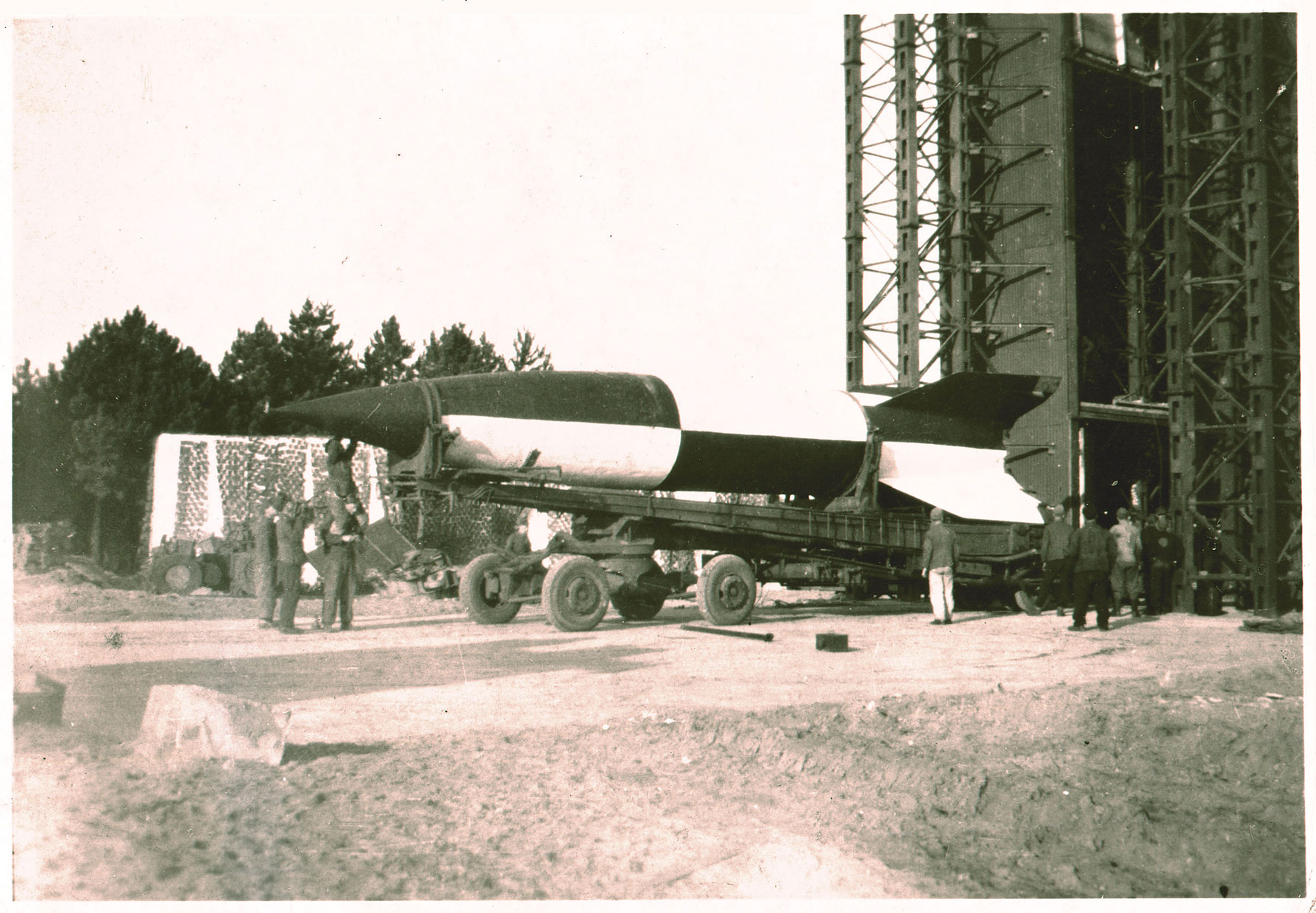
This week (8 September 2014) marks 70 years since the first V-2 rocket attack on London. Curator Doug Millard looks back on the rocket that help start the space age.
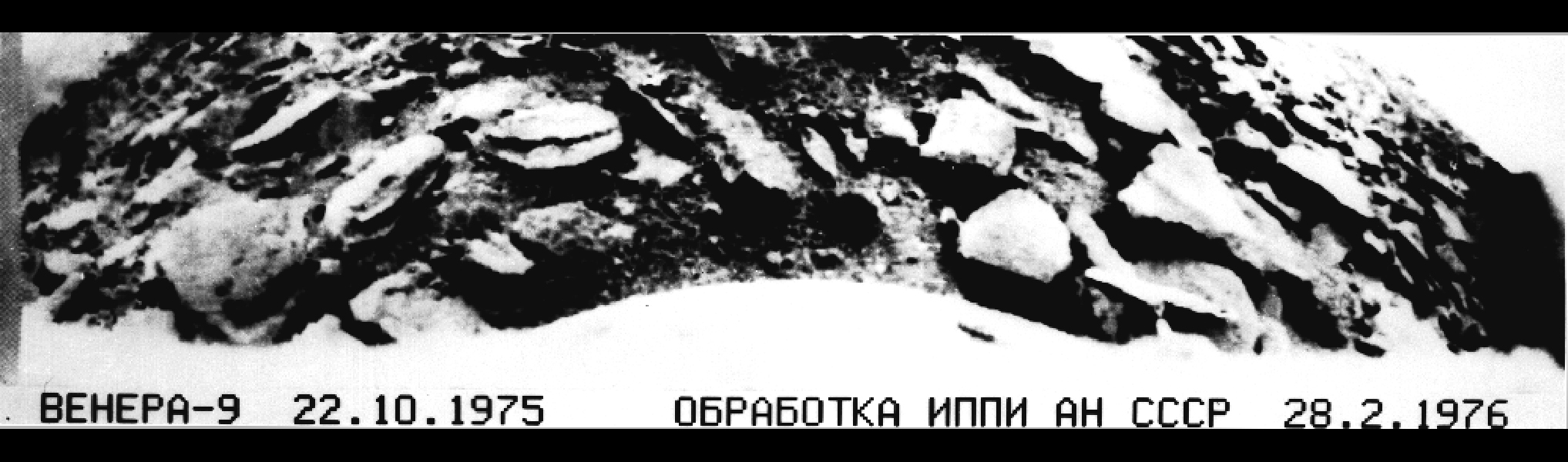
On the anniversary of Venera 7’s launch – the first spacecraft to successfully land on Venus – curator Doug Millard reflects on the challenge of exploring other worlds.
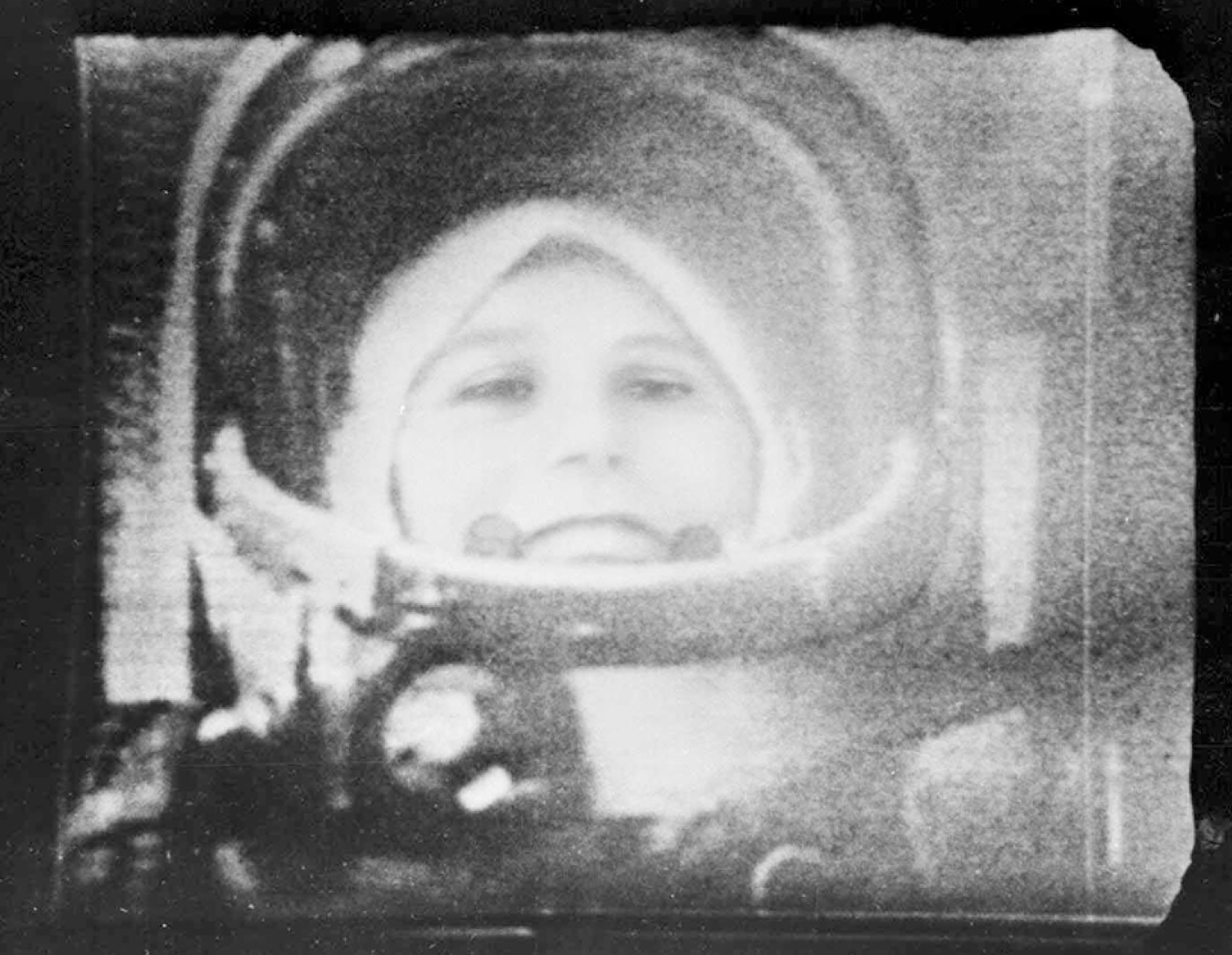
Ulrika Danielsson reflects on the first woman to travel into space.