To celebrate the 122nd birthday of mathematician Dame Mary Cartwright, we take a closer look at her pioneering work and life
Our world-class collection forms an enduring record of scientific, technological and medical achievements from across the globe. Come behind the scenes as we explore new object acquisitions and meet the conservation team.

250 years ago today (28 November) meteorologist Luke Howard was born, to mark the occasion we’re looking back at Howard’s pioneering role in climate studies.
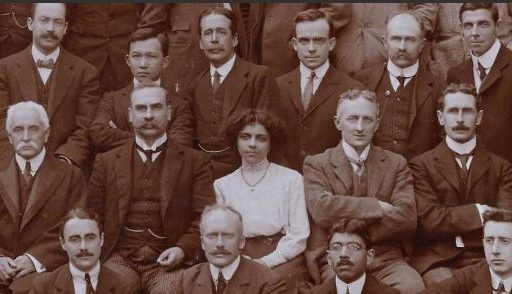
A lifelong advocator of mother and baby health, today on her 141st birthday we celebrate the life and works of Dr. Dossibai Dadabhoy.
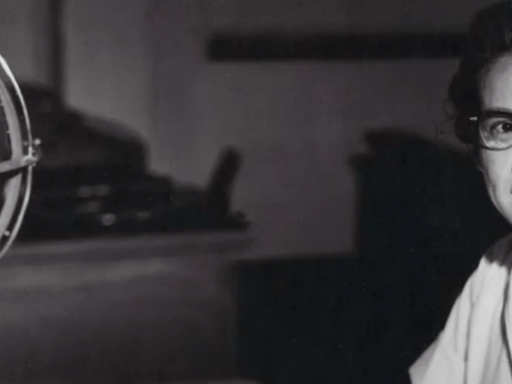
Today, on Katherine Johnson’s 104th birthday, we celebrate her groundbreaking work and the hugely impactful contributions she made towards the Apollo 11 mission in 1969 and many more projects throughout her career working at NASA.
Assistant Curator Heather Bennett takes a look at the remarkable life and achievements of engineer Verena Holmes.
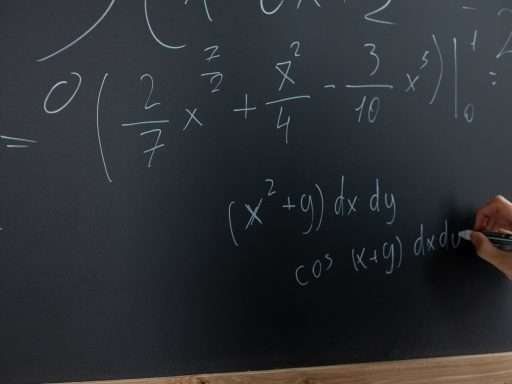
Greek Independence Day is celebrated on 25 March, at the Science Museum we are commemorating this anniversary by reflecting on the contributions of one key individual in the recorded history of the study of Mathematics, the ancient Greek philosopher Euclid.
Lynch Syndrome Awareness Day is observed annually on 22 March. Our Curator of Medicine Selina Hurley, explains the history of this condition and more contemporary developments in its research.
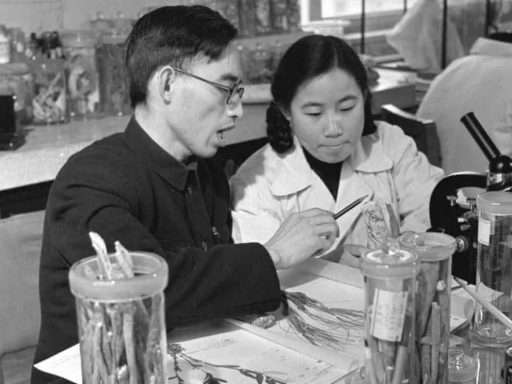
Assistant curator Dr. Rebecca Mellor explores the life and work of Tu YouYou, Nobel Prize winner and the first person to discover a cure to Malaria.
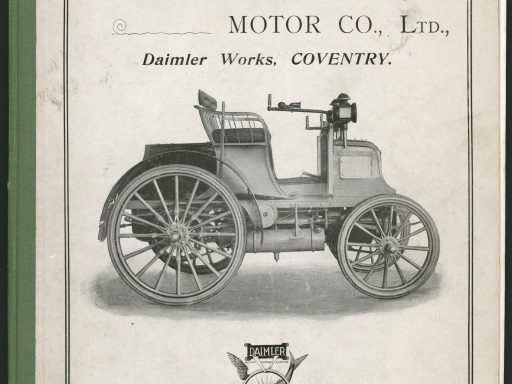
2021 was an exciting year for Coventry as it celebrated being UK City of Culture. From clocks and textiles to cycles and engines, the city has been at the forefront of technological innovation and change.
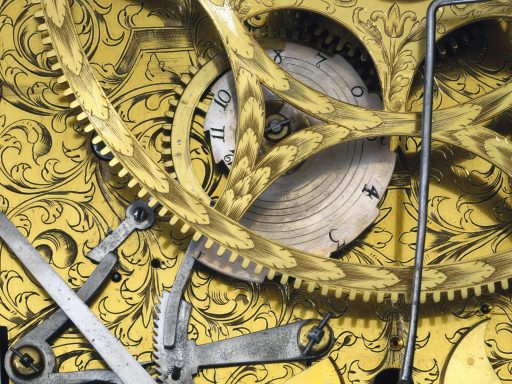
2021 was an exciting year for Coventry as it celebrated being UK City of Culture. From clocks and textiles to cycles and engines, the city has been at the forefront of technological innovation and change.

Two millennia ago, the Antikythera Mechanism was used in Ancient Greece to predict heavenly movements. Roger Highfield, Science Director, describes how this spectacular bronze computer was at least a millennium ahead of its time.
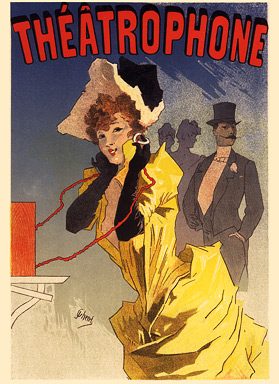
When Alexander Graham Bell first presented his telephone to audiences in the late 1800s, he made an interesting proposition. Bell suggested that this “talking telegraph” (the telephone) might be used for something other than transmitting and receiving messages. He suggested this invention could one day be used for something far more important – fun.