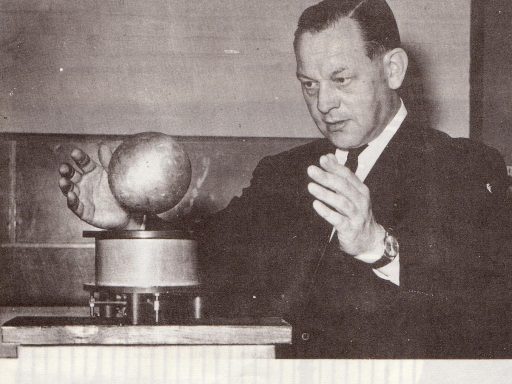
Associate Curator Rupert Cole explores the story of a forgotten Doctor Who script written by British electrical engineer, Eric Laithwaite.
Associate Curator Rupert Cole explores the story of a forgotten Doctor Who script written by British electrical engineer, Eric Laithwaite.
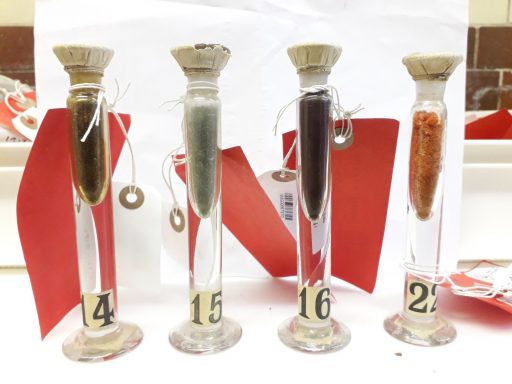
Assistant Curator Hattie Lloyd recently came across an object in our stores that helped her discover the fascinating work of British chemist, Frances Micklethwait.
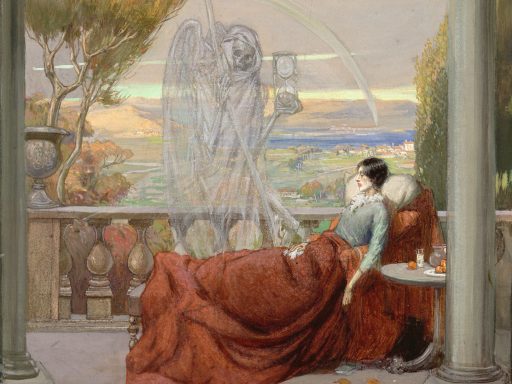
Tuberculosis has existed for thousands of years, and throughout its long history has been shrouded in myth and mystery.
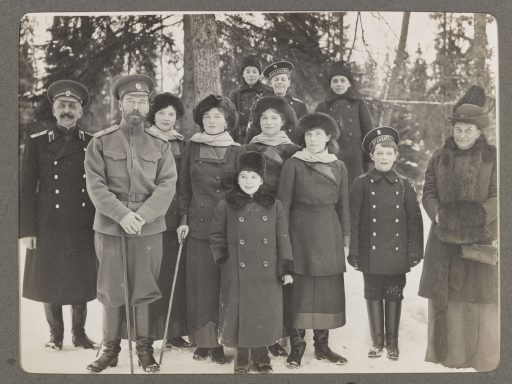
Haemophilia played a major role in the downfall of the Russian royal family – but they were not the only royal house to feel its effects.

Roger Highfield, Director of External Affairs, glimpses the future of navigation.
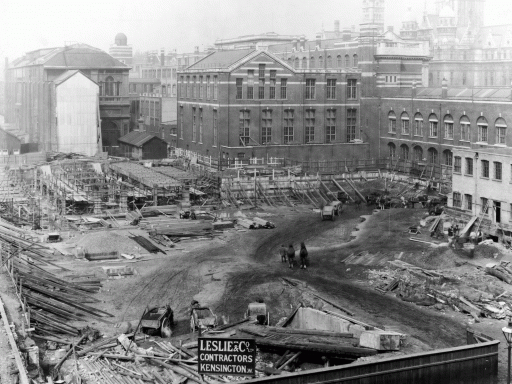
In 2016, the Research & Public History team embarked on the challenge of bringing old silent film technology to life through music. Megan Bradbury explains more.
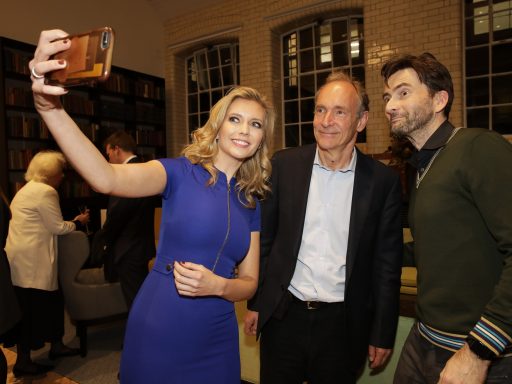
With half the planet online, Sir Tim Berners-Lee marks web’s 30th birthday with a plea for global action to challenge its excesses.
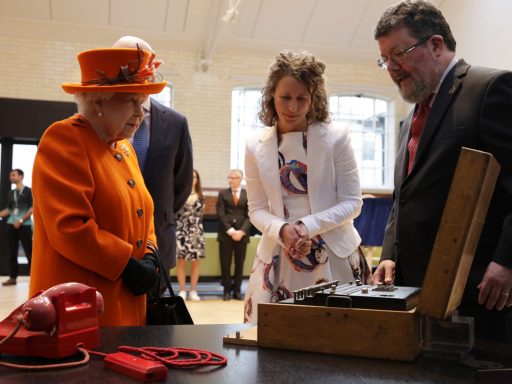
Her Majesty The Queen visited the Science Museum to announce our new free summer exhibition, Top Secret: From Ciphers to Cyber Security, and open our new supporters centre.
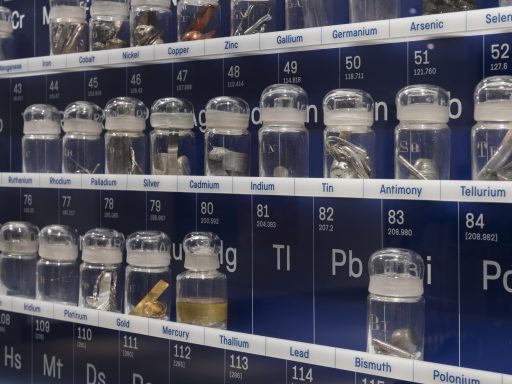
To celebrate 150 years of Dmitri Mendeleev’s periodic table, the Science Museum has unveiled a new display.
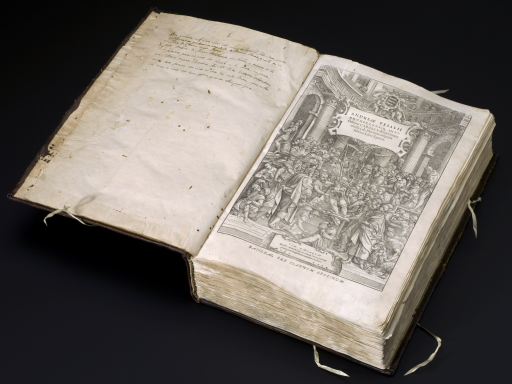
As she plans a pop-up display of six highlights from the Science Museum Library’s rare book collection, Wellcome Trust Research Fellow, Hannah Bower, reflects on what makes a ‘highlight’.
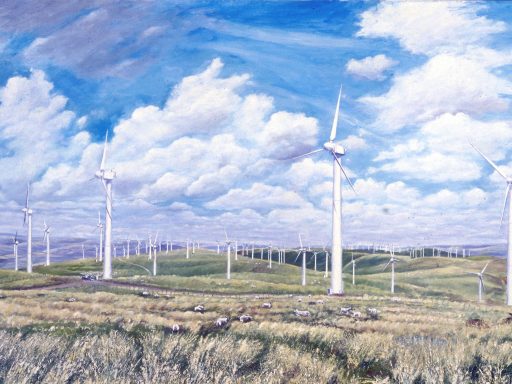
As a Dyson prize winning wind turbine goes on display in our Tomorrow’s World gallery, Margaret Campbell discovers how it could be used in built up cities and whether it could help lessen a city’s carbon footprint.
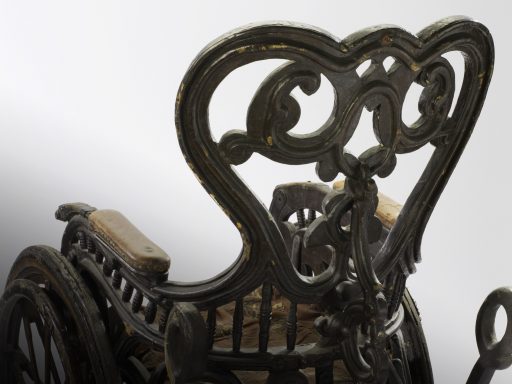
To celebrate International Wheelchair Day on the 1st March, Research Fellow Kay Nias explores the history behind what has arguably been the most important mobility device in history.