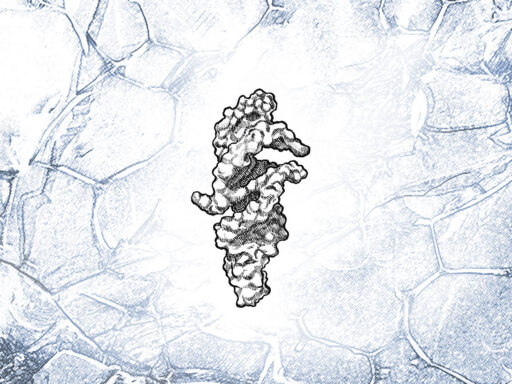
A tiny self-copying molecule offers the clearest answer yet to the mystery of the origins of biology, reports Science Director Roger Highfield.
A tiny self-copying molecule offers the clearest answer yet to the mystery of the origins of biology, reports Science Director Roger Highfield.
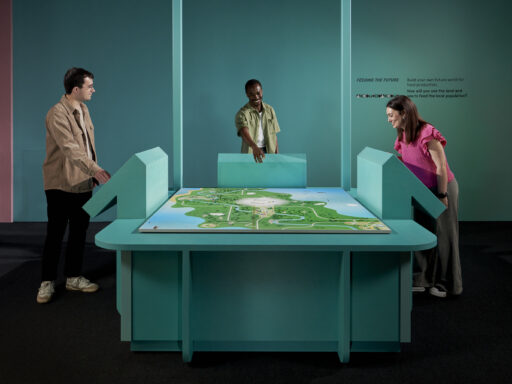
Dr Julia Knights reflects on Future of Food - a new exhibition that explores the scientific breakthroughs and innovations in biotechnology and ecology that will shape the food we put on our plates.
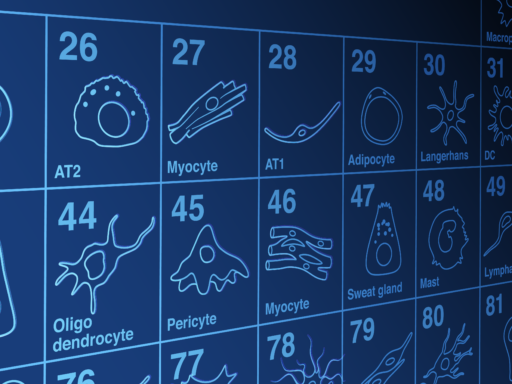
The Human Cell Atlas will revolutionise medicine, reports Science Director, Roger Highfield.
A toolkit to reengineer life has been assembled by scientists in Cambridge, marking a new era of synthetic biology, reports Science Director Roger Highfield
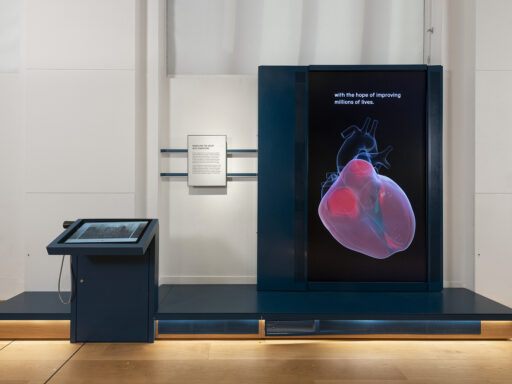
On Tuesday 7 November we revealed a large-scale virtual model of a human heart in the Engineers gallery.
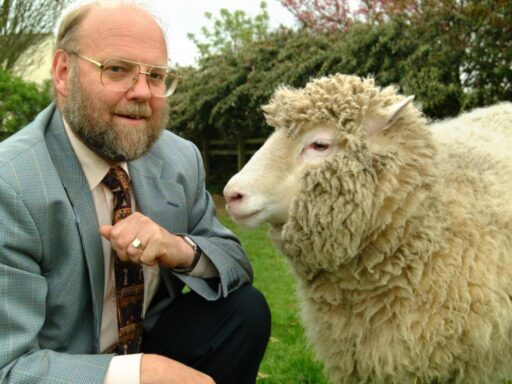
Ian Wilmut, who has died aged 79, was a developmental biologist who made headlines around the world when his team unveiled a lamb named Dolly that was the first mammal cloned from an adult cell.
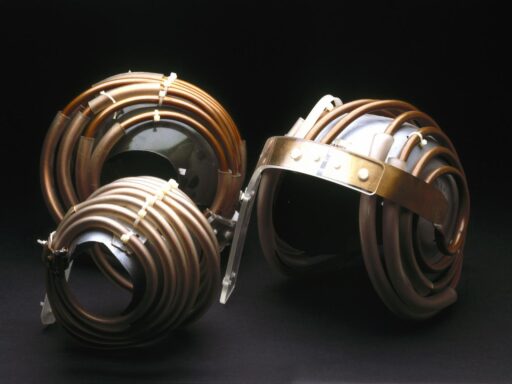
May the 4th be with you! To celebrate Star Wars Day, curator Dr. Glyn Morgan discusses the scientific possibilities of the epic story from a galaxy far, far away…
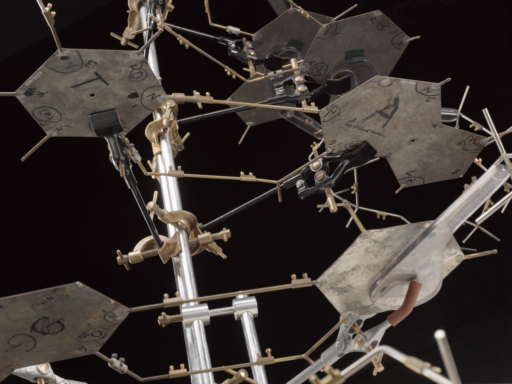
A previously overlooked letter, article and exhibit suggest the British chemist Rosalind Franklin contributed more to revealing the ‘secret of life’ than thought, reports Science Director Roger Highfield.
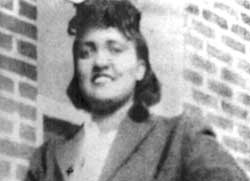
1 August 2022 marks 102 years since Henrietta Lacks was born. Assistant Curator Harriet Jackson takes a closer look at her profound impact on modern medicine and reflects on the importance of informed consent and who benefits from scientific research.
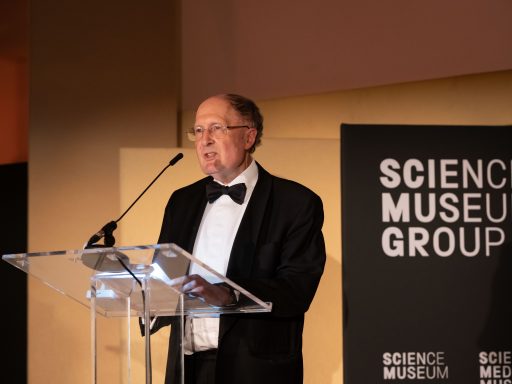
A speech given by Nobel prize-winner Sir Gregory Winter at the Science Museum Group Annual Dinner.
As the latest Doctor is unveiled, Science Director Roger Highfield discusses the science of regeneration with developmental biologist, Sir Jim Smith.
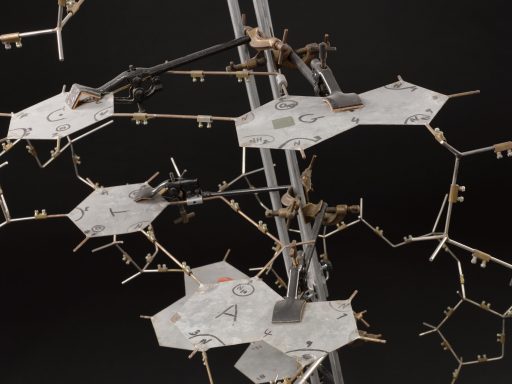
Roger Highfield, Science Director, celebrates a milestone in reading the entire complement of human DNA, or genome, which reveals a hidden landscape of human genetics.