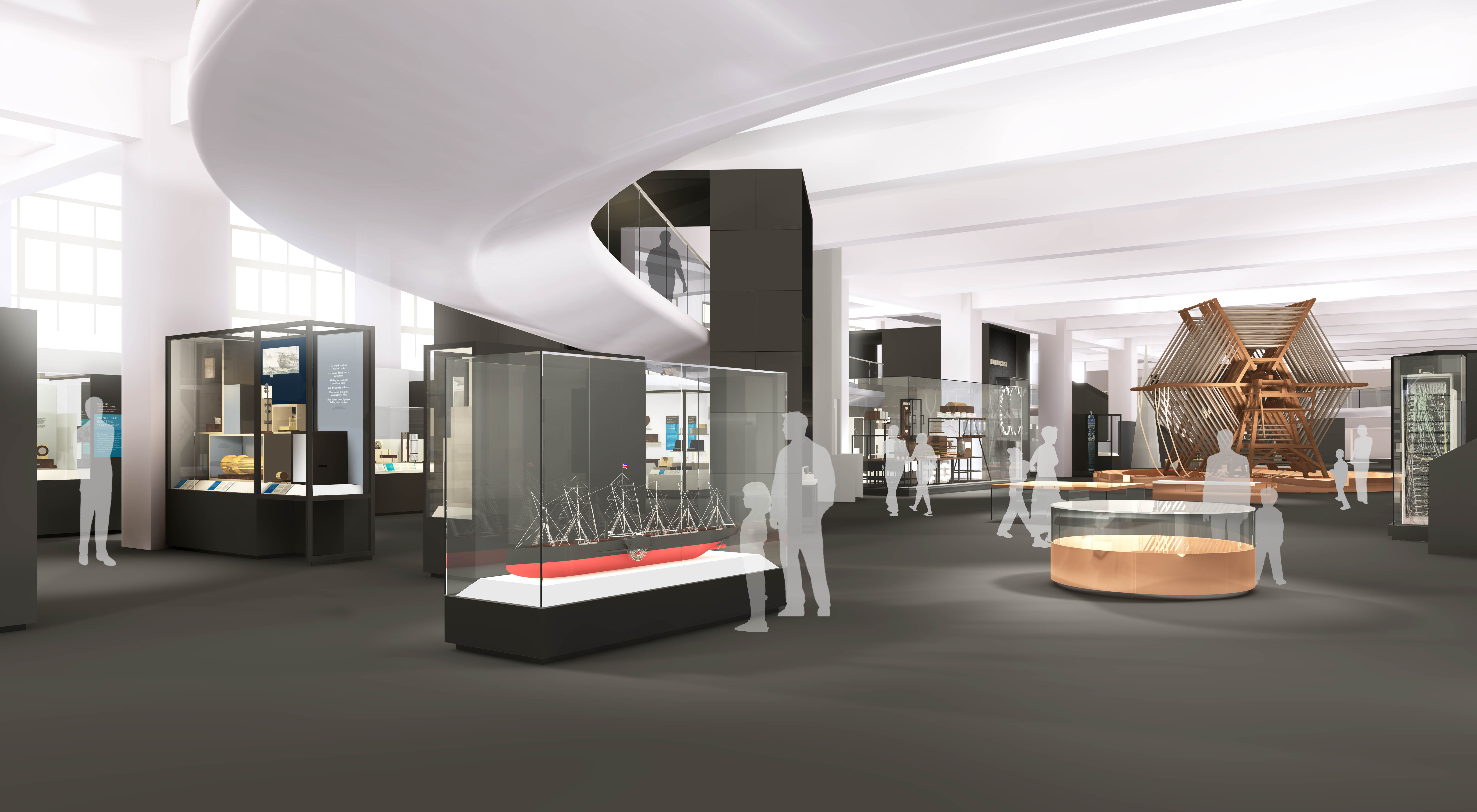
Nick Rolls, Design Project Leader at Universal Design Studio, reflects on the design of the Science Museum’s new Information Age gallery.
From iconic galleries like Exploring Space to award-winning newer additions to the museum like Mathematics: The Winton Gallery our galleries make the museum an inspiring place to explore. We also open temporary exhibitions throughout the year covering a range of topics from science and technology to history and photography.
Nick Rolls, Design Project Leader at Universal Design Studio, reflects on the design of the Science Museum’s new Information Age gallery.

Jen Kavanagh, Audience Engagement Manager, spoke to telephone operators from the 1950’s and 1960’s who shared their stories for the Information Age gallery.
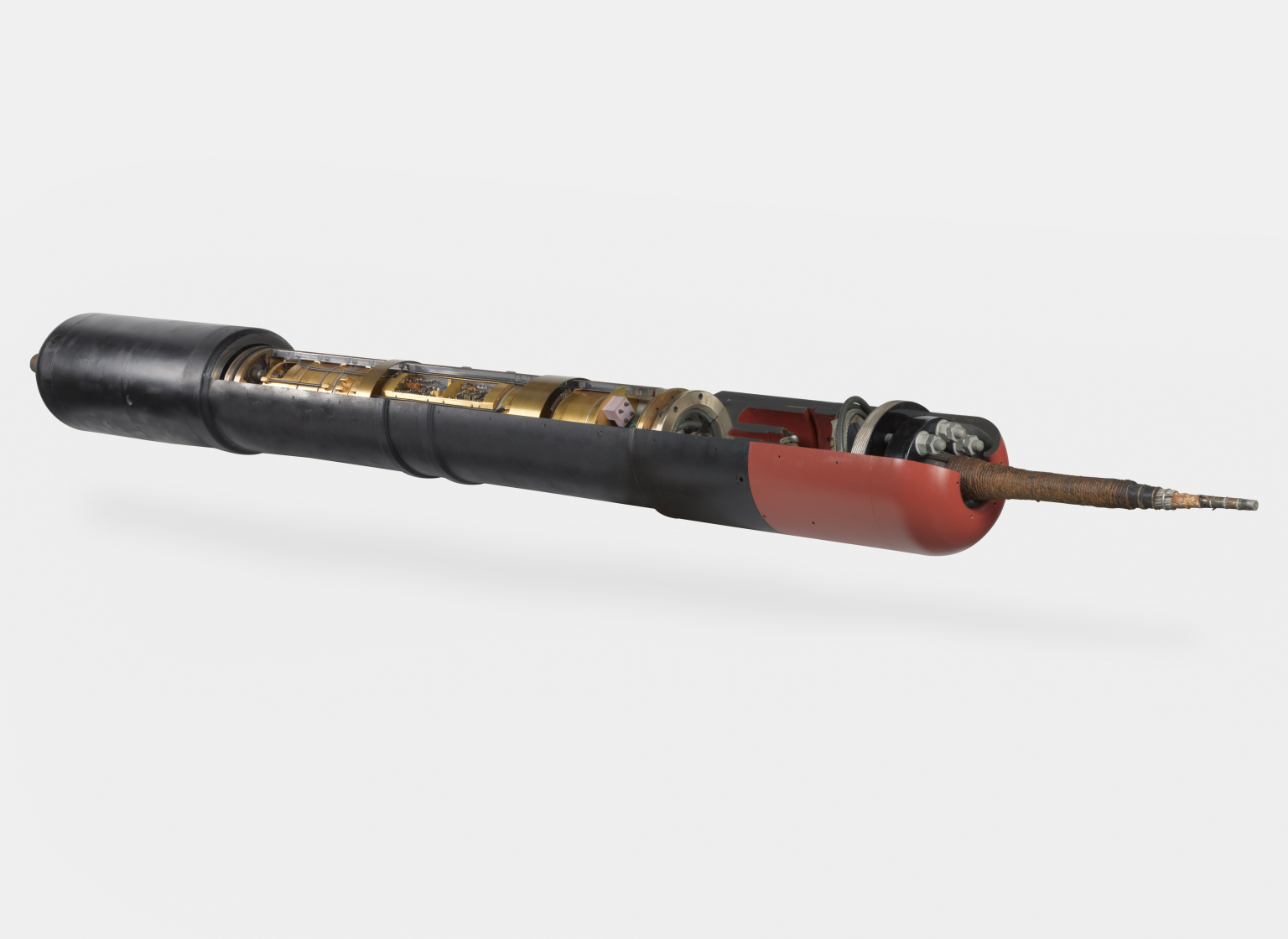
David Hay, Head of Heritage & Archives at BT, reflects on the story of the first transatlantic telephone cable, TAT1, which opened 58 years ago today (25 September).
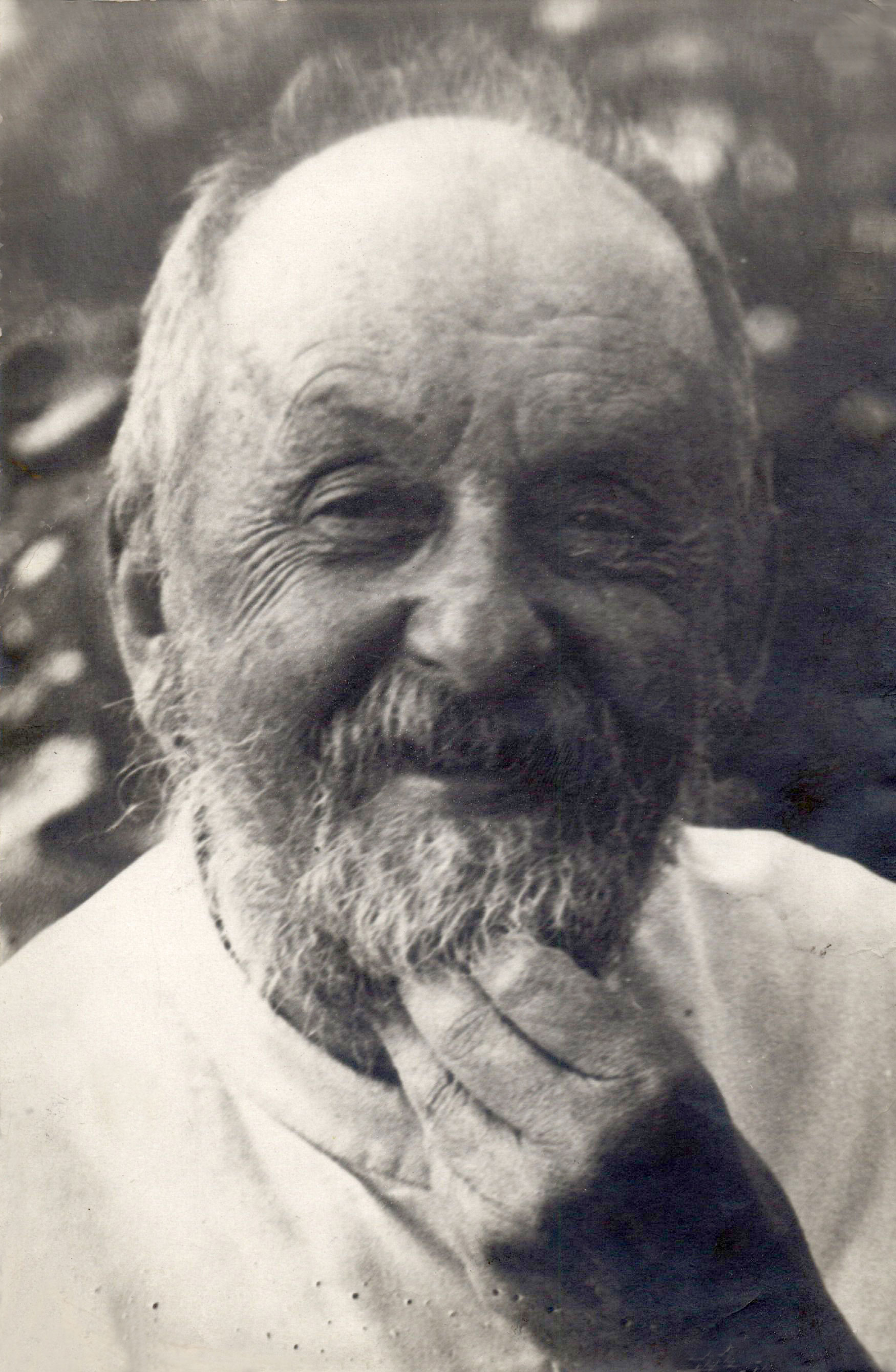
Look closely at this picture from the Russian module of the International Space Station and you will see two images of a man with a white beard. Known as the grandfather of Soviet space travel, this man dreamt of international space stations as early as the 1890s and cosmonauts still pay homage to him today. Born on this day (17 September) in 1857, the man’s name is Konstantin Tsiolkovsky. Tsiolkovsky’s contribution to the science of space travel is diverse and […]
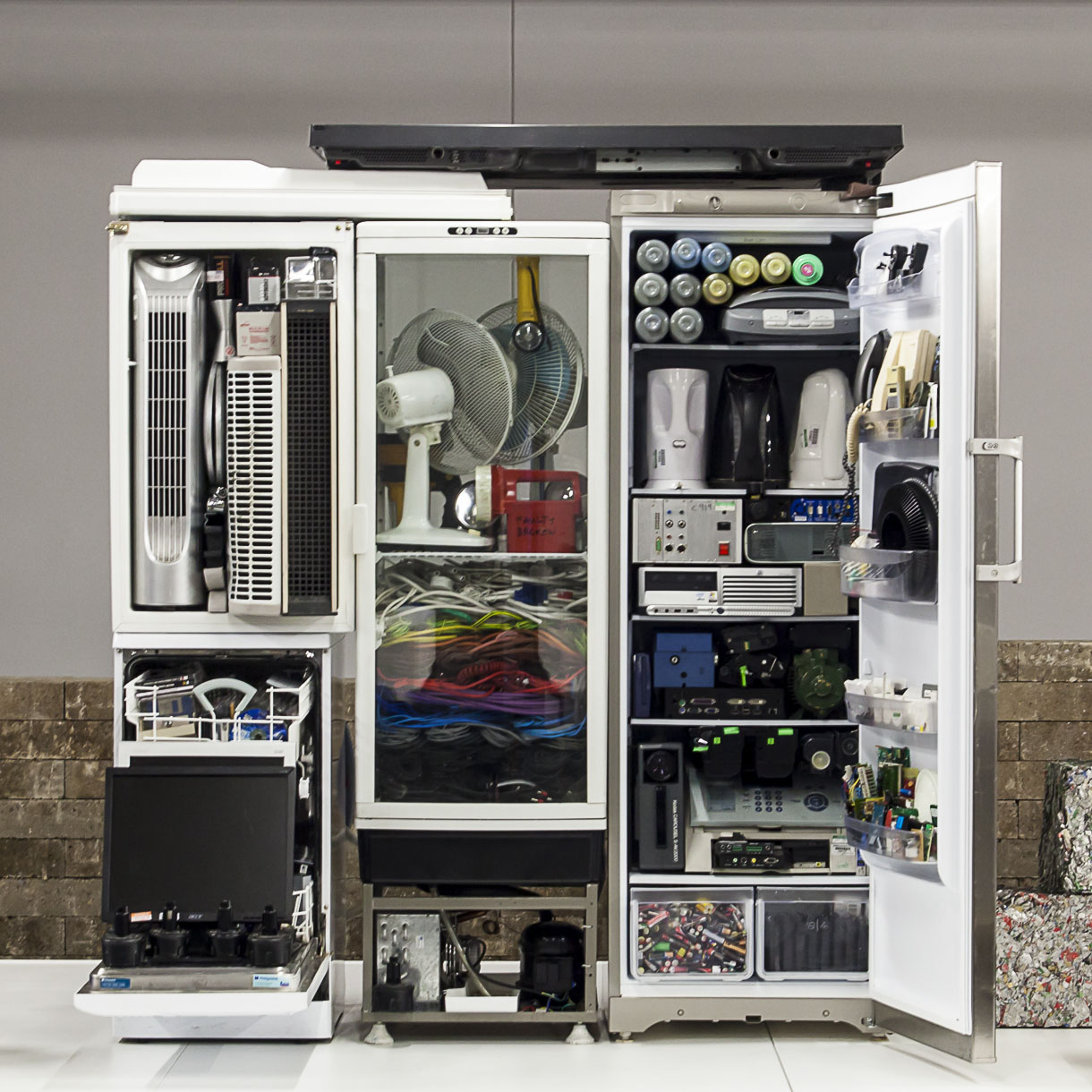
In the final post of our series linked to The Rubbish Collection the artist behind the project, Joshua Sofaer, looks back at a truly ambitious exhibition.

Today, we announced an ambitious new mathematics gallery that will open in 2016.
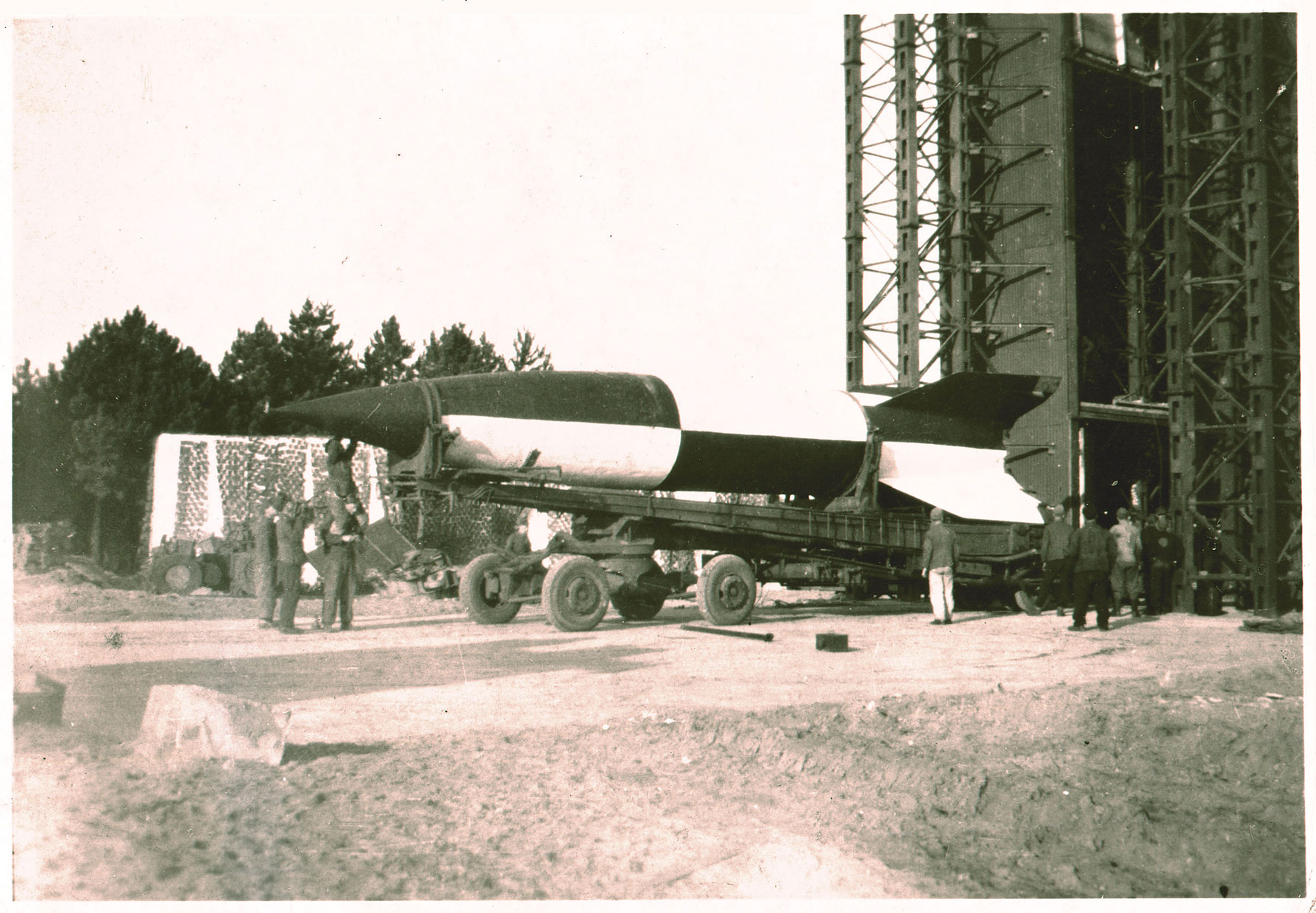
This week (8 September 2014) marks 70 years since the first V-2 rocket attack on London. Curator Doug Millard looks back on the rocket that help start the space age.
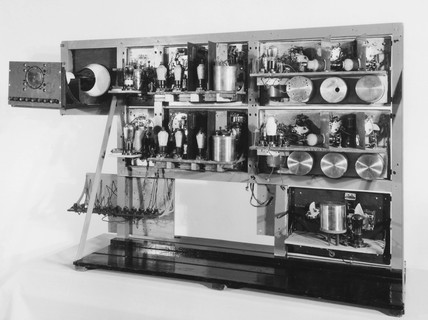
BBC2 recently broadcast a drama about Robert Watson-Watt’s fight to invent the radar. Curator Andrew Nahum takes a closer look at this incredible story.
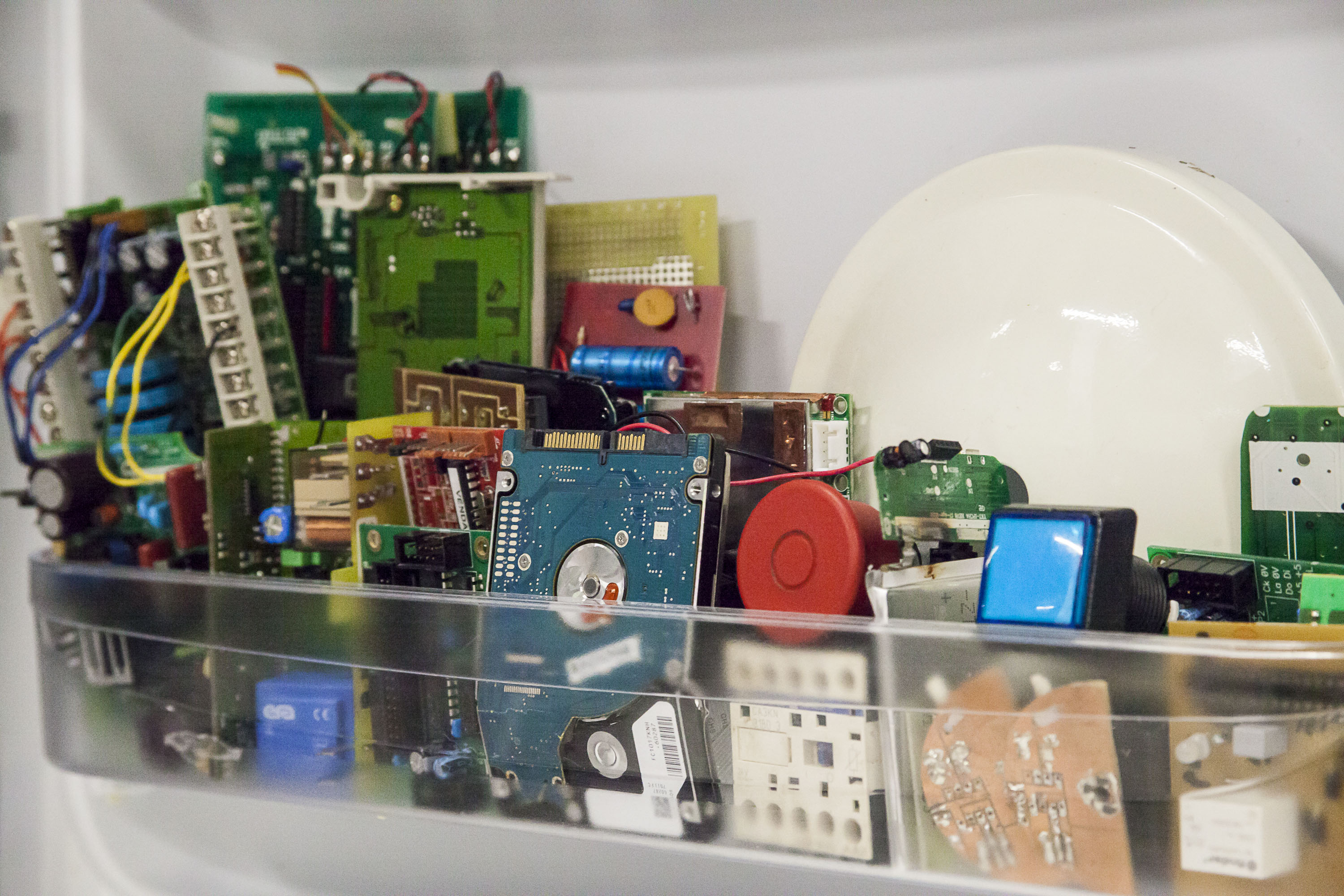
In this week’s blog linked to The Rubbish Collection, Curator Sarah Harvey follows some of the unexpected stories and personal objects that were found in the Museum’s bins. As the exhibition nears its end, what will happen to all this ‘rubbish’ afterwards? Much of the feedback I have received about Joshua Sofaer’s The Rubbish Collection, from both visitors and staff, has been about the surprising personal items and stories that have come out of the bins. When we were first […]
Sarah Harvey, Project Curator of The Rubbish Collection, talks to Dr Philip Morton, Chief Executive of REPIC about the challenges of dealing with growing volumes of electrical and electronic waste. REPIC is the largest not-for-profit WEEE (Waste Electrical and Electronic Equipment) recycling scheme in the UK. Instead of letting valuable or harmful waste and scarce raw materials go to landfill, REPIC’s job is to recover and transport used electrical goods and batteries to specialist treatment plants. Upon arrival at the […]
Georgie Ariaratnam, Assistant Content Developer, blogs about the rise of antibiotics, the subject of a display in the Museum’s Who Am I? gallery Antibiotic resistance is one of the biggest challenges of our time. It affects all of us, so perhaps unsurprisingly, it was declared the winner of the Longitude Prize 2014. At the Science Museum, we decided to examine this topic in more depth with a new exhibit, Your future without antibiotics?, which explores the rise of antibiotic resistance and […]

In the latest of our blogs linked to The Rubbish Collection, Curator Sarah Harvey talks to Nick Mills, Waste Innovation Manager at Thames Water about what happens to our sewage and what the future holds for wastewater. Sarah: What do Thames Water do with our sewage? Nick: We have 350 sewage works and 68,000 miles of sewers across our region, which stretches from East London to the Cotswolds in the west. Last year, we removed and treated 4,369 million litres of […]