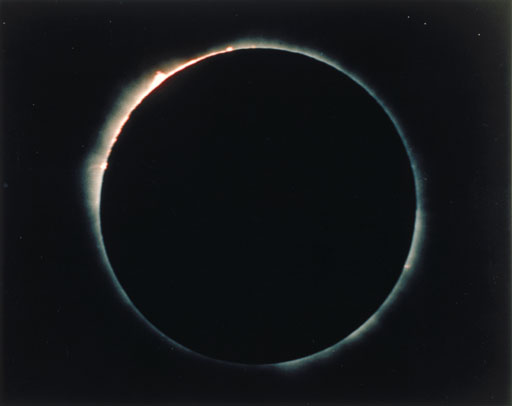
On Friday 20 March, a solar eclipse will be visible across the UK (and Europe, parts of Asia and Africa). It’s the last chance to watch a solar eclipse in Europe until 2026.
Explore the work of our contemporary science team who run the Tomorrow’s World Gallery. In partnership with the BBC the gallery inspires visitors with the latest scientific inventions and explores the impact they could have on our future.
On Friday 20 March, a solar eclipse will be visible across the UK (and Europe, parts of Asia and Africa). It’s the last chance to watch a solar eclipse in Europe until 2026.
To mark the birthday of Philosophical Transactions, Roger Highfield surveys the history of citizen science, which dates back much further than many realise.
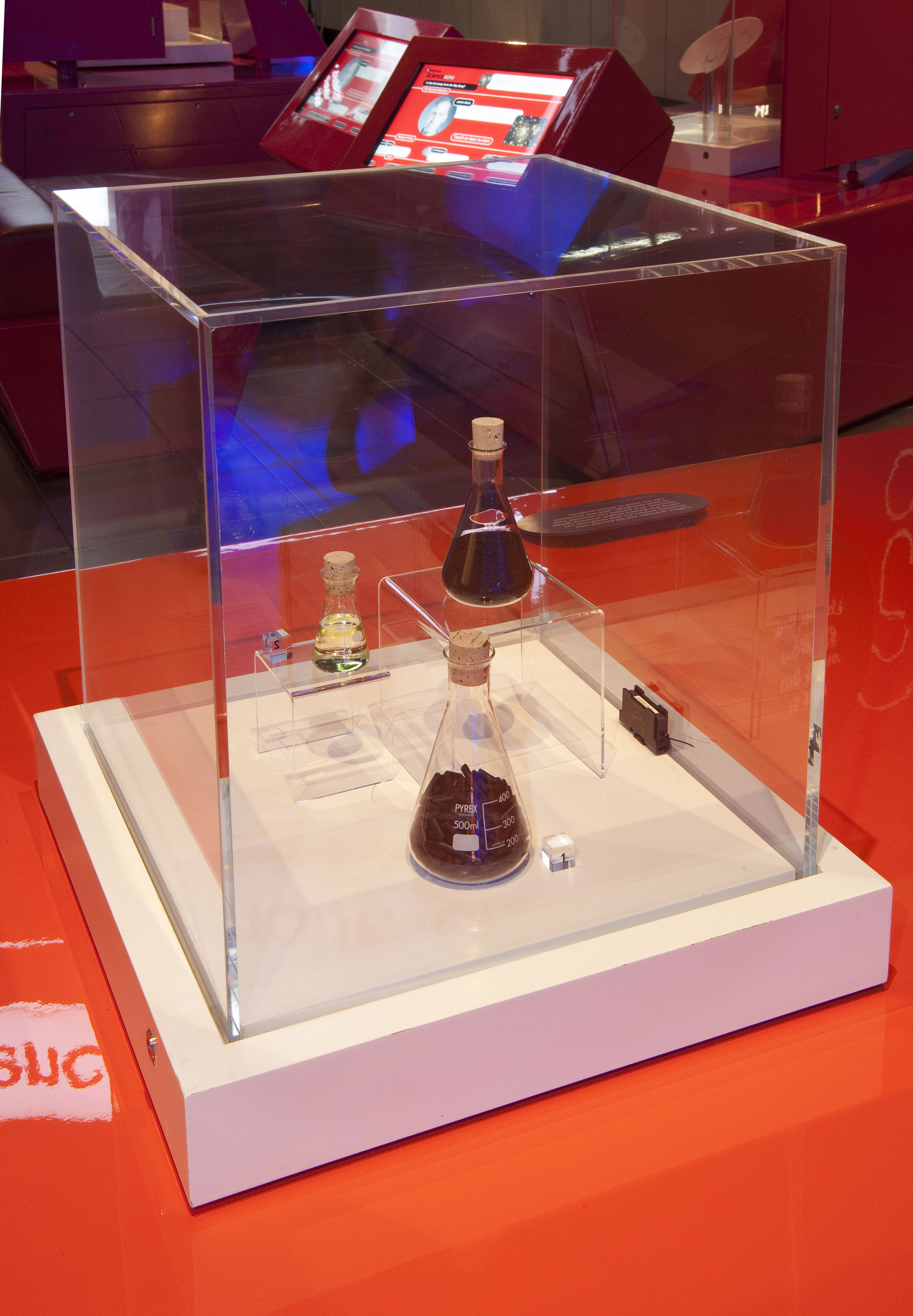
In this guest blog post, Arthur Kay, founder and CEO of bio-bean, explores how his company is working with the Science Museum to recycle coffee waste into useful fuels.
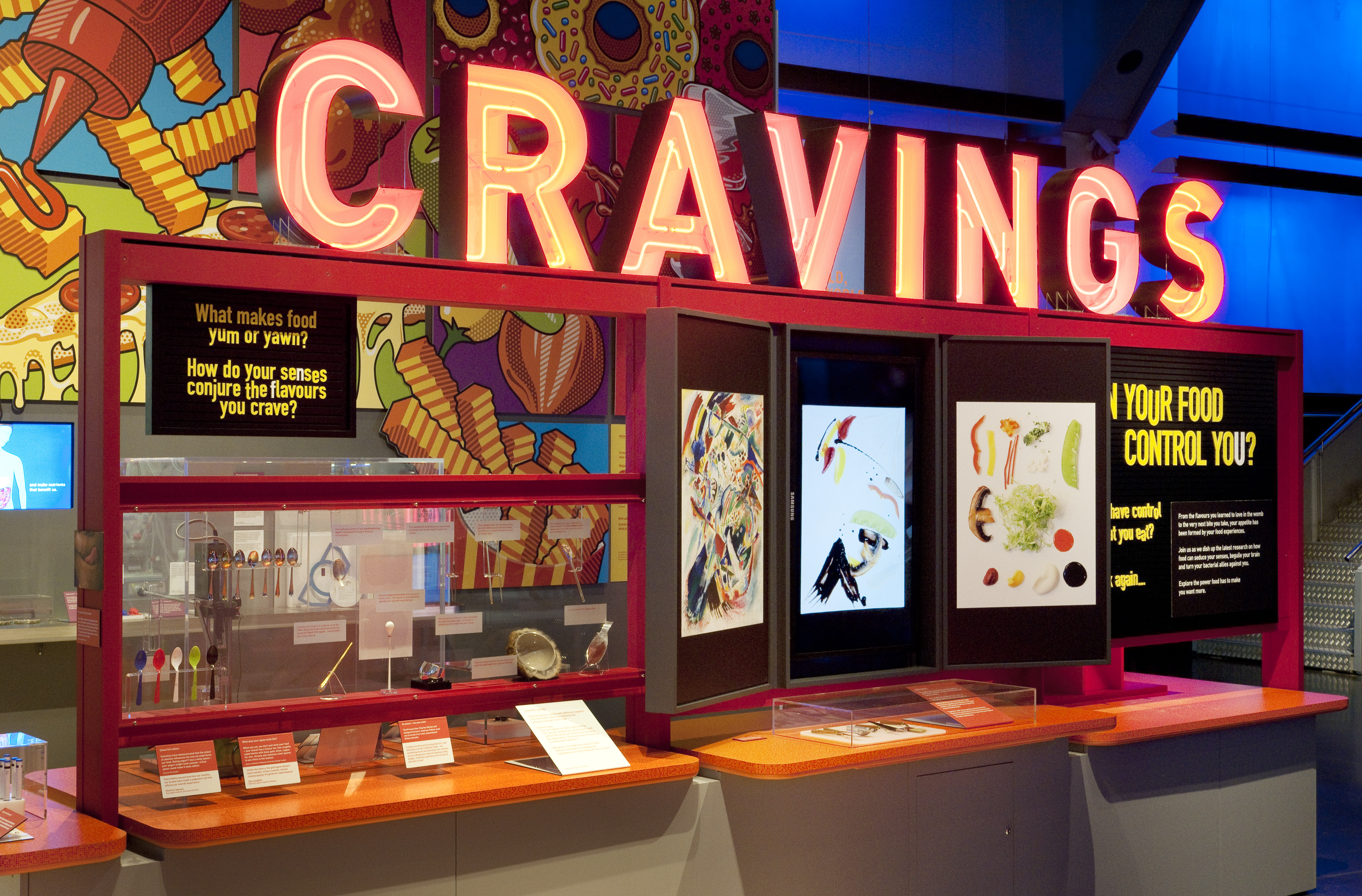
What’s driving your food obsession? Is it the colour of your spoon, the food your mum ate while pregnant, the trillions of bacteria that dine with you, or the little known ‘second brain’ in your gut?
When the House of Commons voted to legalise a revolutionary new form of reproductive medicine on Tuesday, it was a remarkable moment for science.

The visionary chemical engineer Dr Robert Langer, whose work on drug delivery systems has benefited millions of patients, has today won Queen Elizabeth Prize for Engineering.
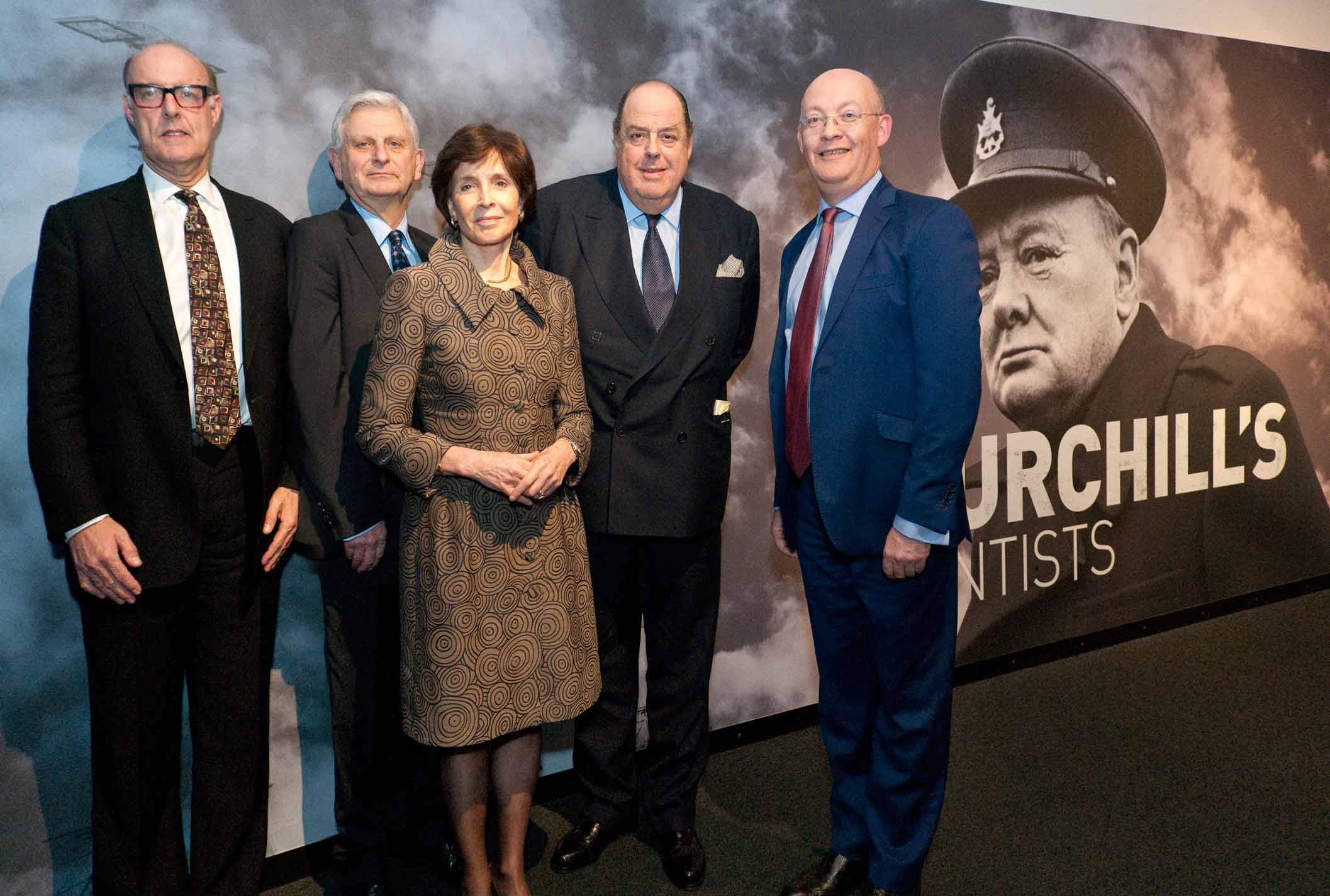
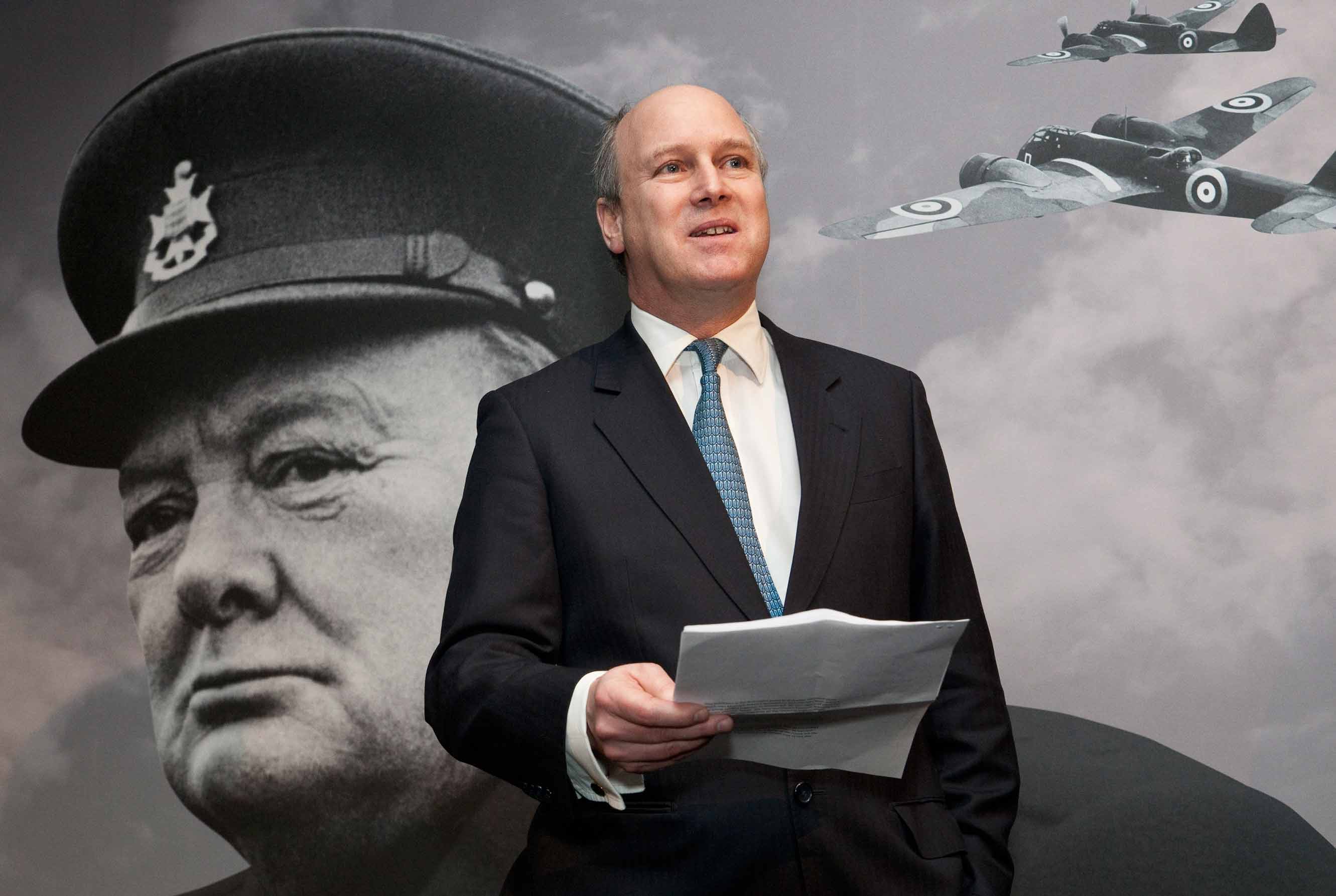
The 50th anniversary of Sir Winston Churchill’s death is being marked across the Science Museum Group with two new exhibitions and the release of a collection of unseen archive photographs.
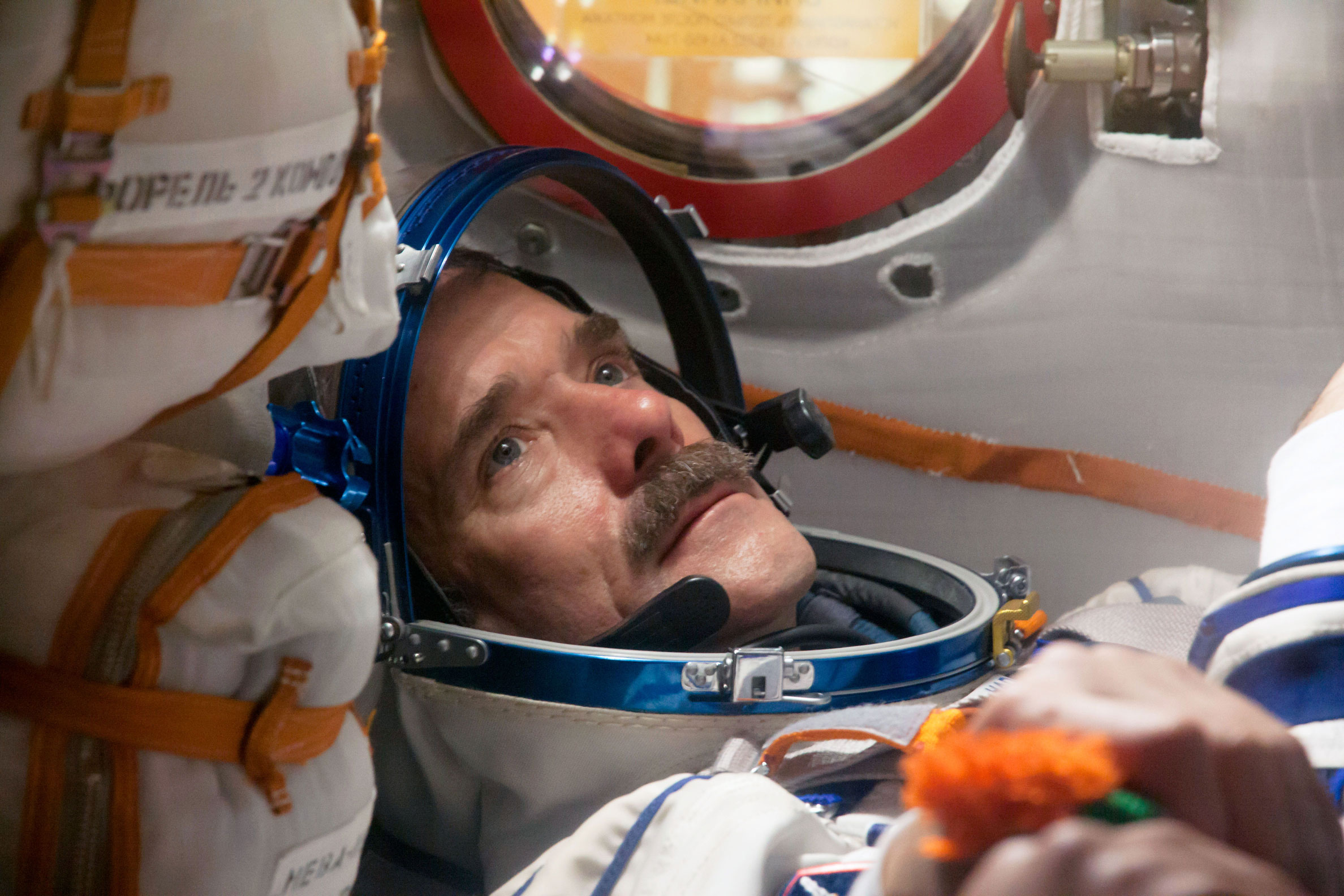
A guest post from Kate Campbell-Payne, Museum of Science and Industry in Manchester.
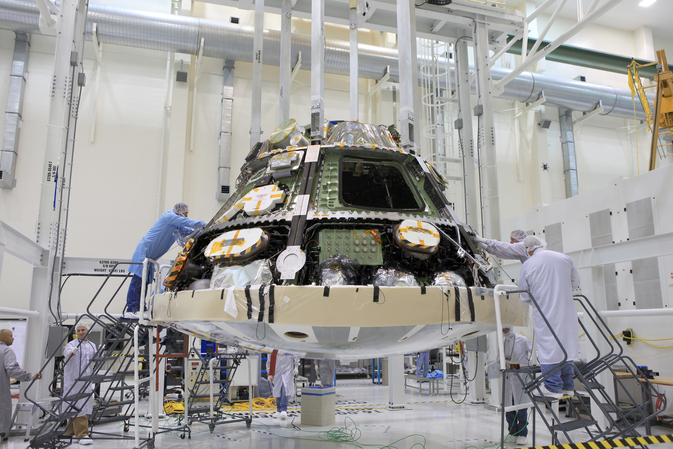
Doug Millard, Deputy Keeper of Technology and Engineering, reflects on Orion’s maiden voyage in space and NASA’s first step on the Journey to Mars.
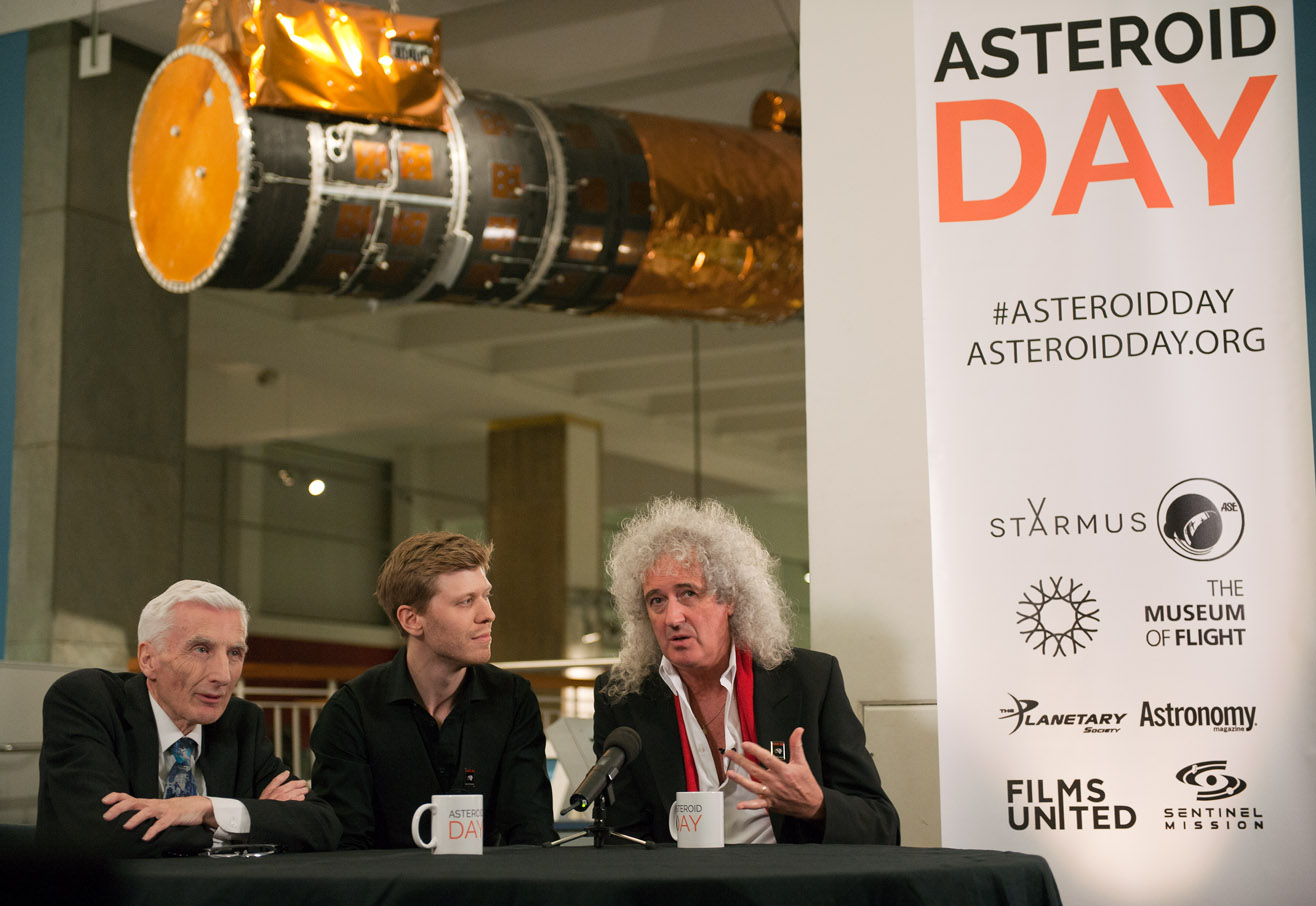
Roger Highfield, Director of External Affairs, writes about the launch of Asteroid Day at the Science Museum.
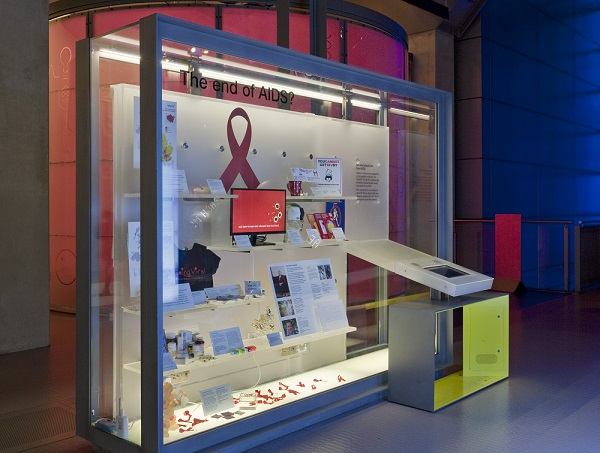
December 1st 2014 marks the 26th World AIDS Day. The UNAIDS ‘90-90-90’ initiative sets ambitious global targets to end the epidemic by 2030. So how far have we come since the epidemic gained global attention in the 1980s? Here at the Science Museum we decided to explore this question with our new exhibit – The end of AIDS? The focal point of the exhibit is an animation called ‘Growing up with HIV’. It was created in collaboration with an inspiring group […]
Rosanna Denyer from our Learning Support Team writes about one of her favourite Science Museum objects.