Today, marking the culmination of almost half a century of effort, Prof Raisman’s pioneering therapy has at long last been carried out by surgeons in Poland, enabling a paralysed man to walk again. Roger Highfield reflects on this incredible news.
Explore the work of our contemporary science team who run the Tomorrow’s World Gallery. In partnership with the BBC the gallery inspires visitors with the latest scientific inventions and explores the impact they could have on our future.
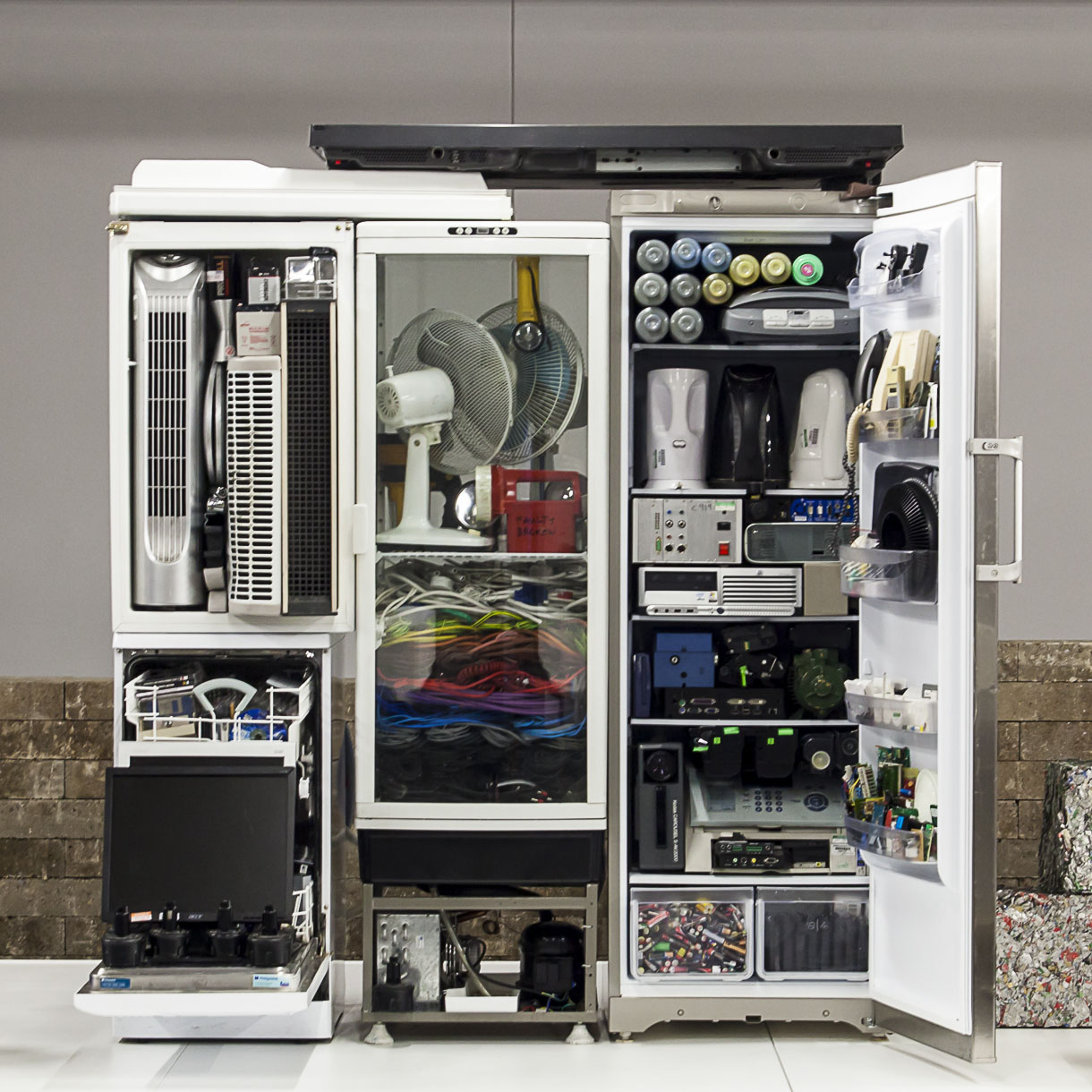
In the final post of our series linked to The Rubbish Collection the artist behind the project, Joshua Sofaer, looks back at a truly ambitious exhibition.
Georgie Ariaratnam, Assistant Content Developer, blogs about the rise of antibiotics, the subject of a display in the Museum’s Who Am I? gallery Antibiotic resistance is one of the biggest challenges of our time. It affects all of us, so perhaps unsurprisingly, it was declared the winner of the Longitude Prize 2014. At the Science Museum, we decided to examine this topic in more depth with a new exhibit, Your future without antibiotics?, which explores the rise of antibiotic resistance and […]
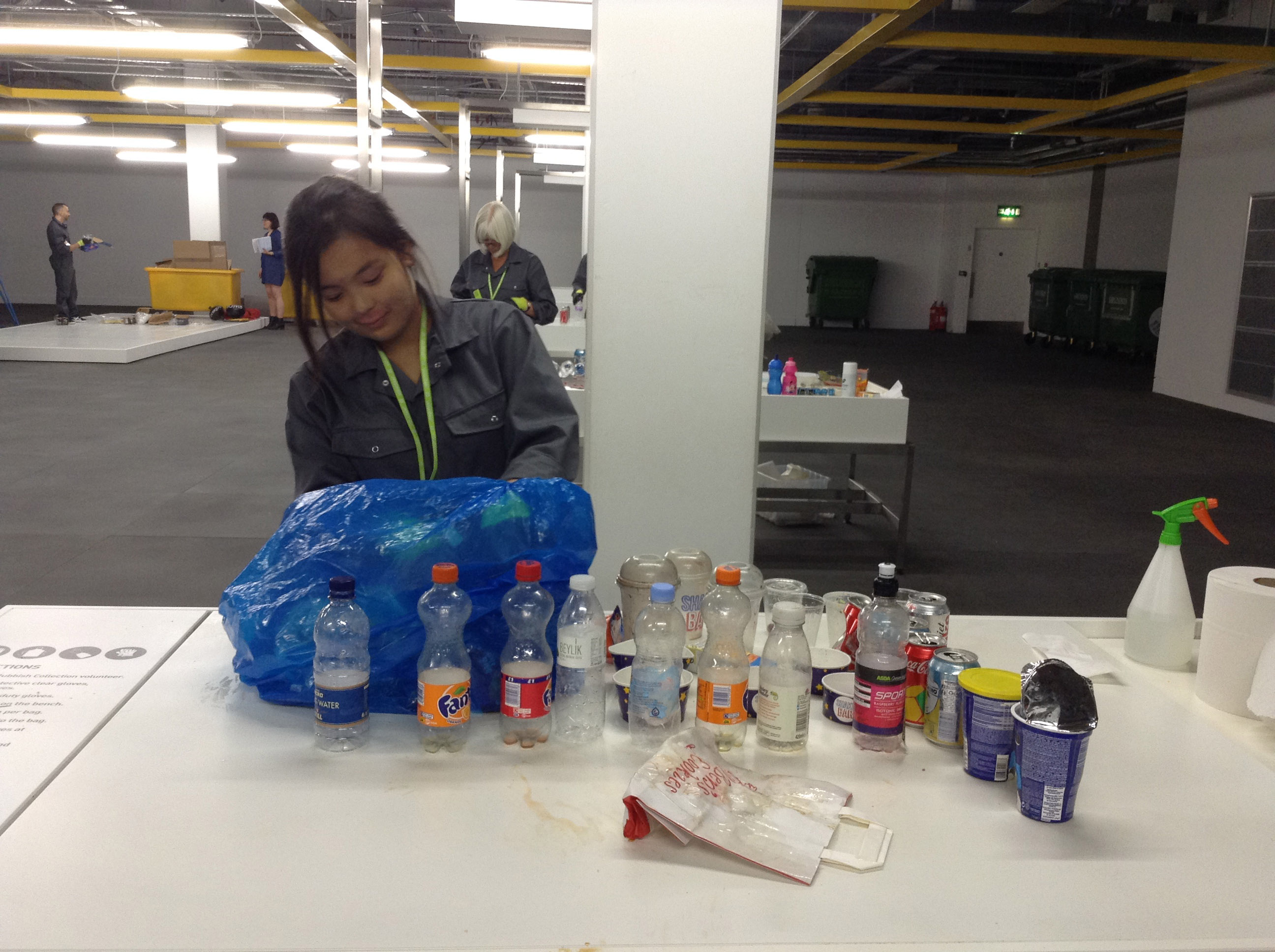
In this week’s blog from The Rubbish Collection, Corrinne Burns, Content Developer at our Antenna Gallery gets a volunteer’s view on the exhibition. ‘Do people just get naked in the Science Museum?’ Katyanna Quach asks me, with a suspicious look in her eyes. Before I have time to give that mental image the thorough probing that it deserves, I’m given a bit of context. “We’ve found a bra, some shoes…” ‘And an entire suit. And money. And a television,’ adds […]
Mark Champkins, Inventor in Residence, looks at how 3D printing helped him bring to life a young inventor’s bright idea Have you spotted an unusual looking yellow and pink device sitting among the wall of 3D printed people in our current exhibition? Known as the Pediclean, the object is a prototype for a manual foot shower product, designed by Sophia Laycock, the winner of a competition we ran last year – which called on young people to come up with […]
The Chancellor, George Osborne, has announced his ambitions to create a northern “supercity” to rival London as a global hub by building HS3, a high speed rail link between Manchester and Leeds. He was speaking, appropriately enough, at our sister museum, the Museum of Science and Industry, Manchester, which tells the story of where science met industry to create the modern world and, as the Chancellor himself highlighted, is the site of the world’s oldest surviving passenger railway station. His […]
Roger Highfield discusses the Longitude Lounge at the Science Museum
Lord Rees, Astronomer Royal and Chair of the Longitude Prize 2014 Committee, blogs on the launch of the Longitude Prize 2014.
By Roger Highfield, Director of External Affairs Google today celebrates the life of the Nobel-prize-winning chemist Dorothy Crowfoot Hodgkin (1910-1994) with a Doodle on its homepage. Here you can see the inspiration for the Doodle on what would have been her 104th birthday, her historic image of the three dimensional atomic structure of penicillin, which she deduced with a method called X ray crystallography. Because it was not possible to focus X rays scattered by the penicillin, Hodgkin used large […]
Colin Pillinger, the planetary scientist, has died age 70. Pillinger, who was diagnosed with multiple sclerosis in 2005, began his career at Nasa, analysing samples of moon rock on the Apollo programme, and made headlines in 1989 when he and colleagues at the Open University found traces of organic material in a Mars meteorite that had fallen to Earth. But he is best known for his remarkable and dogged battle to launch Beagle 2 Mars lander, named after HMS Beagle, […]
A major government campaign was launched today at the Science Museum to boost the numbers of young people —especially women — studying science, technology, engineering and mathematics (STEM) subjects.
Dr Tim Boon, Head of Research and Public History at the Science Museum looks back on fifty years of the BBC’s flagship science programme.