It seems like everyone’s talking about sending people to Mars. The Mars Reconnaissance Orbiter has just found evidence of liquid water on Mars today, Ridley Scott’s The Martian is bringing the Red Planet to life in our cinemas and you can see a spacesuit designed for use on Mars in our Cosmonauts exhibition. There is hope that we’ll be sending people to Mars for real in the next few decades – but when they go, will they be ready for […]
Explore the work of our contemporary science team who run the Tomorrow’s World Gallery. In partnership with the BBC the gallery inspires visitors with the latest scientific inventions and explores the impact they could have on our future.
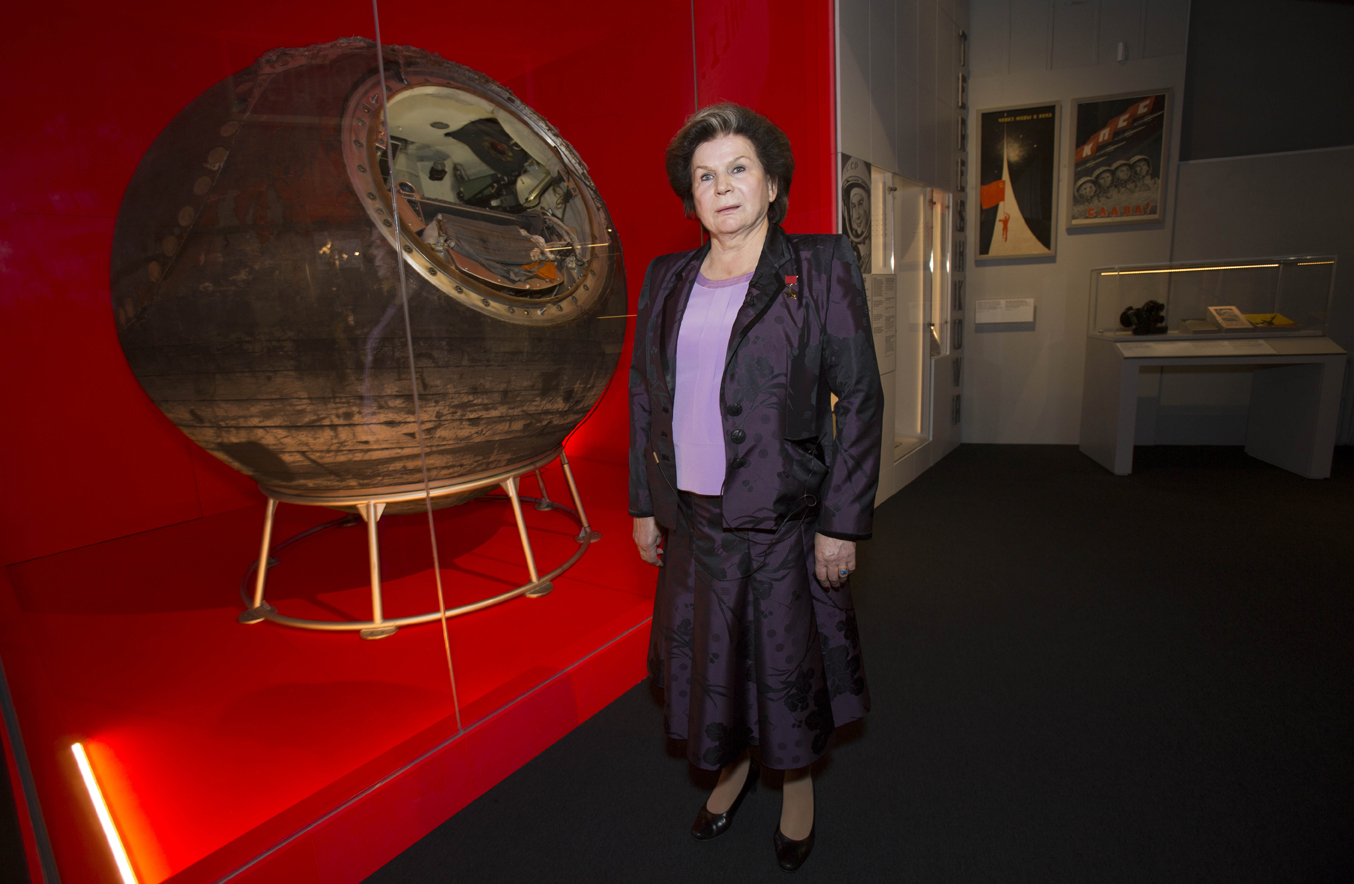
Dr Valentina Tereshkova, the first woman in space, today declared that she would like to join the director of the Science Museum on a space flight during the launch of the museum’s most ambitious exhibition ever, Cosmonauts: Birth of the Space Age. With the director, Ian Blatchford, and Dr Tereshkova was Sergei Krikalev a veteran of six space flights and eight space walks who, until very recently, held the record for the amount of time in space – 803 days, […]
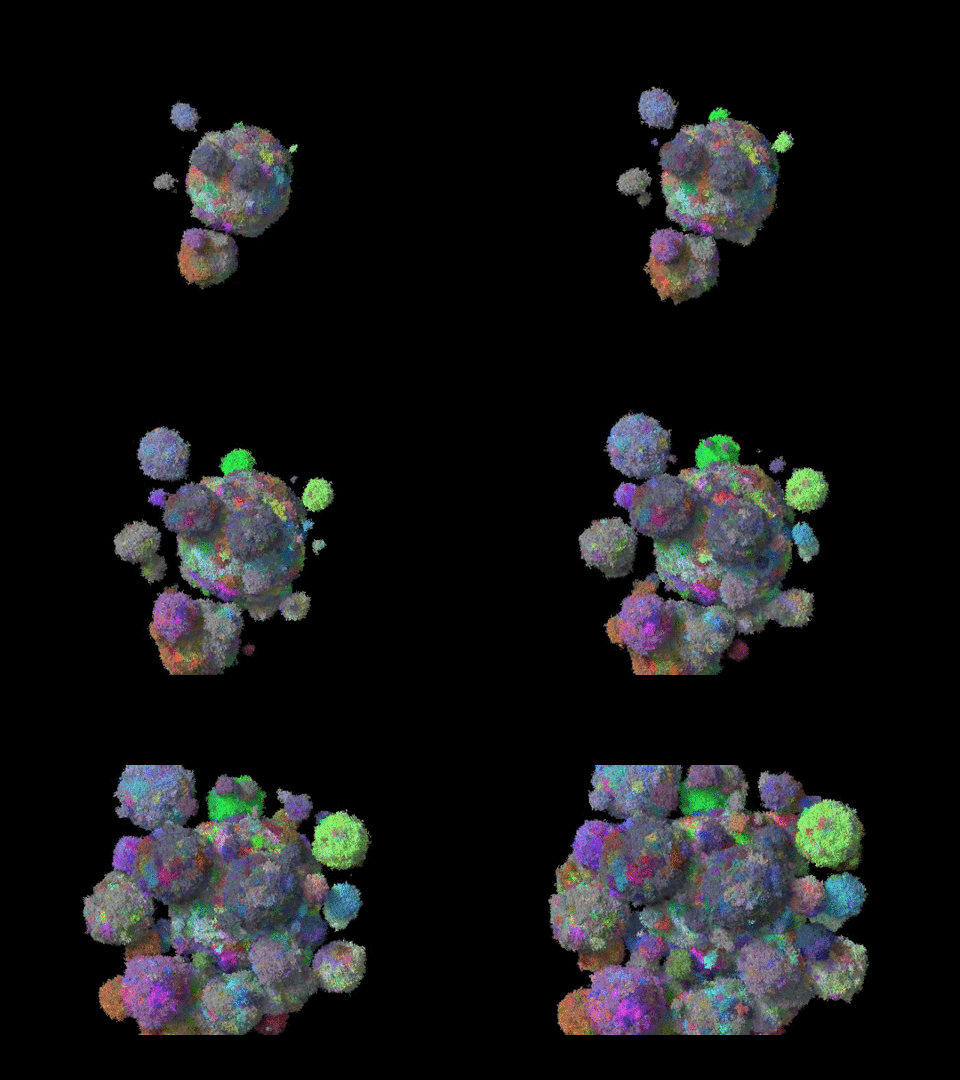
Roger Highfield explores how scientists are using computer modelling to better understand the evolution of cancerous tumours.
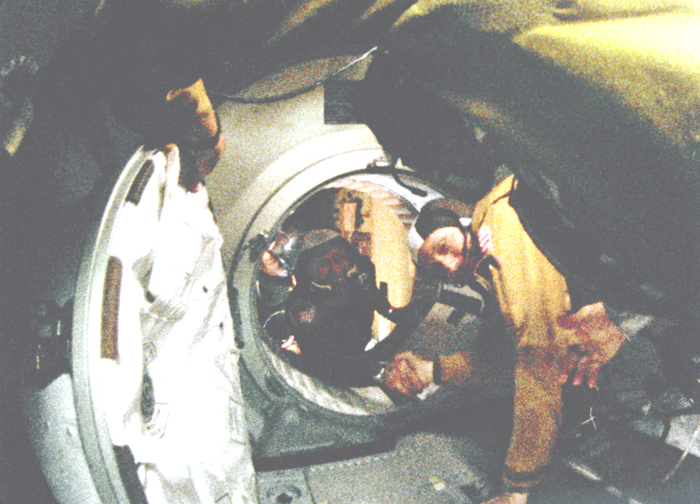
Forty years ago today (17 July) the Soviet Union and the United States shook hands in space during the Apollo-Soyuz Test Project. Curator Doug Millard explains more.
Curator Ali Boyle and Press Officer Will Stanley reflect on our most distant (dwarf) planet, Pluto.
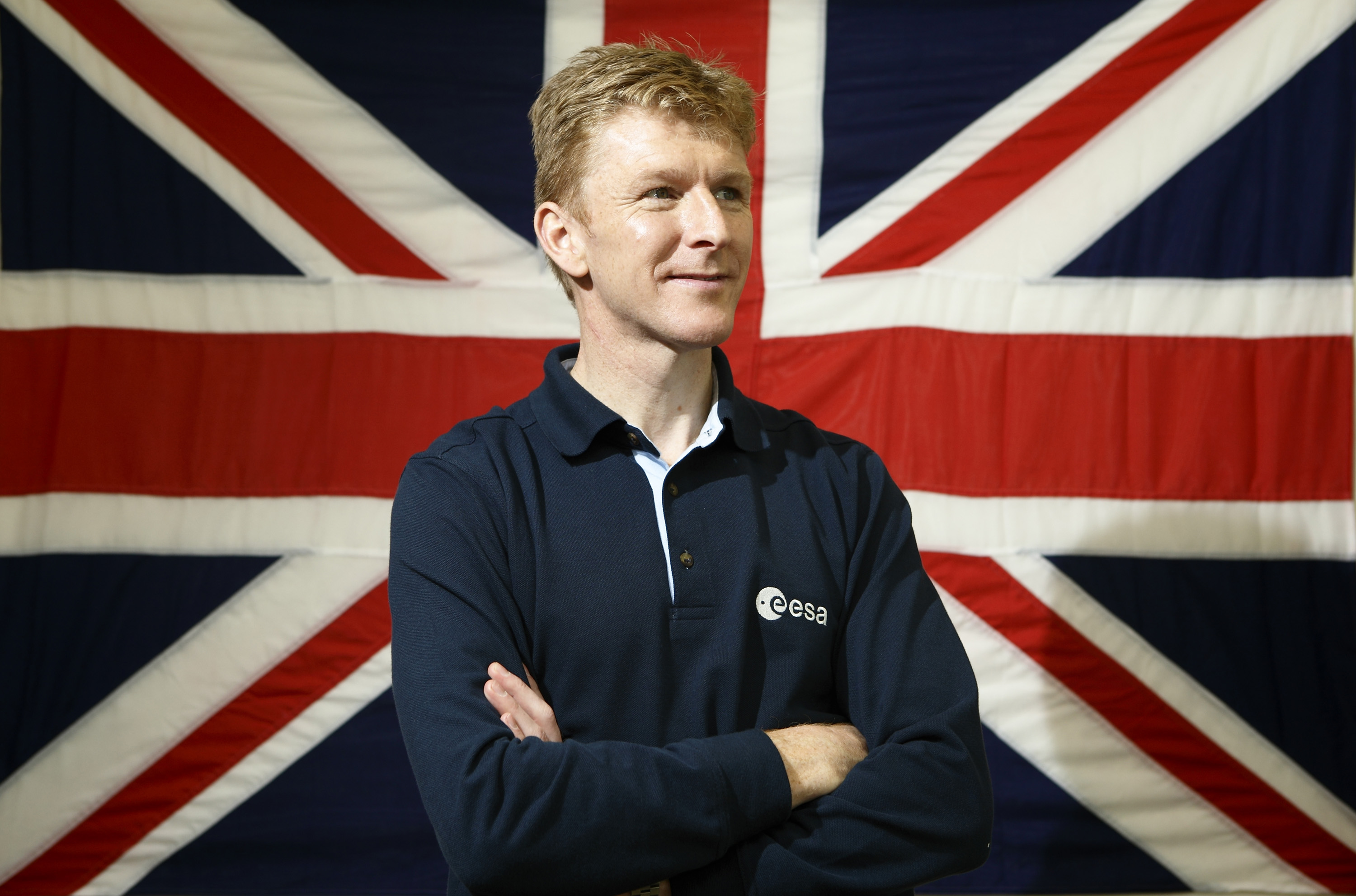
A few months ahead of the launch of the museum’s pioneering Cosmonauts space exhibition, the UK Space Agency has published its first National Strategy for Space Environments and Human Spaceflight.
David Robertson reflects on our most recent science festival, You Have Been Upgraded.
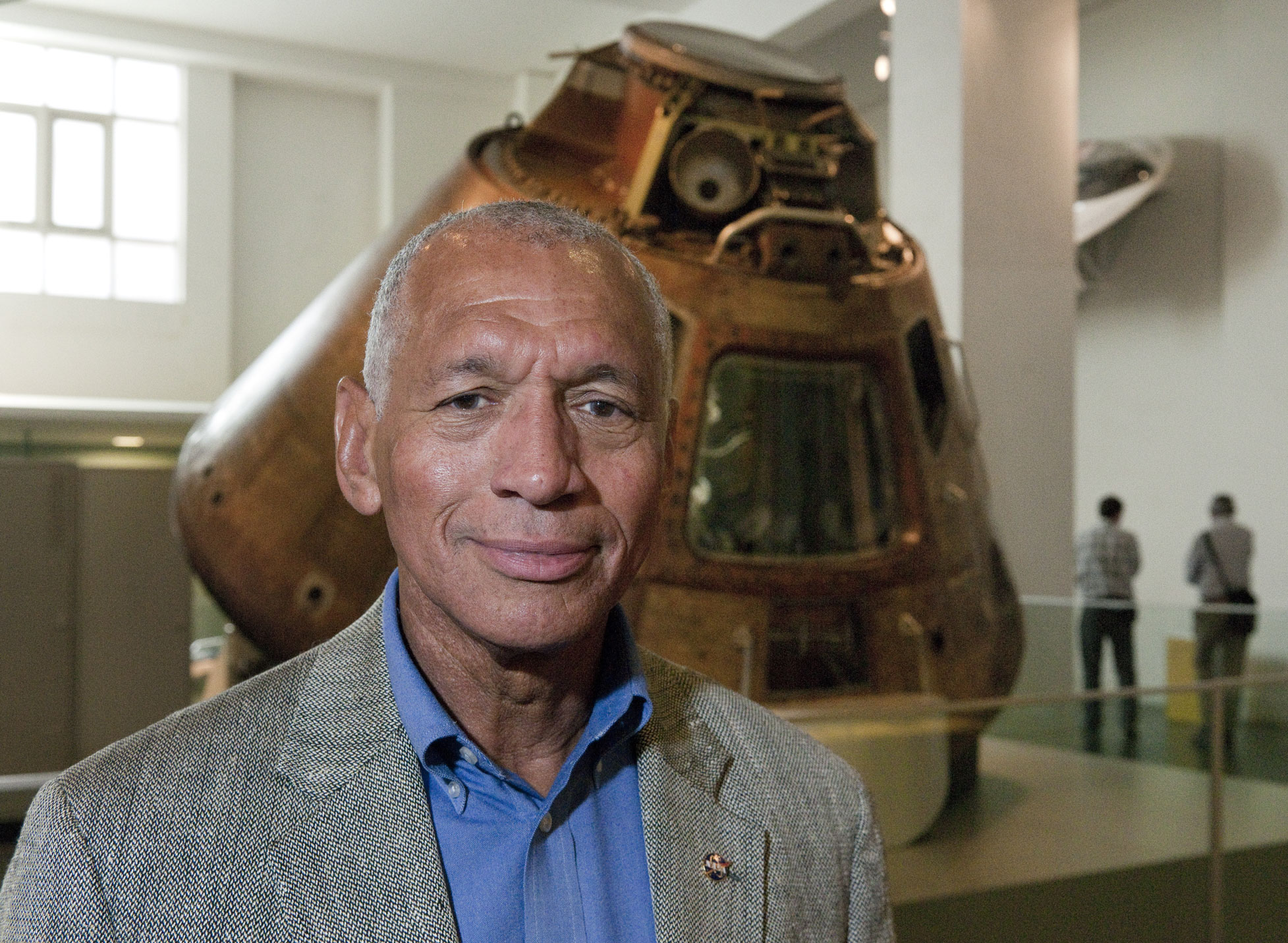
NASA Administrator Charlie Bolden has told hundreds of young visitors to the Science Museum of his strong belief that extraterrestrial life will be found.
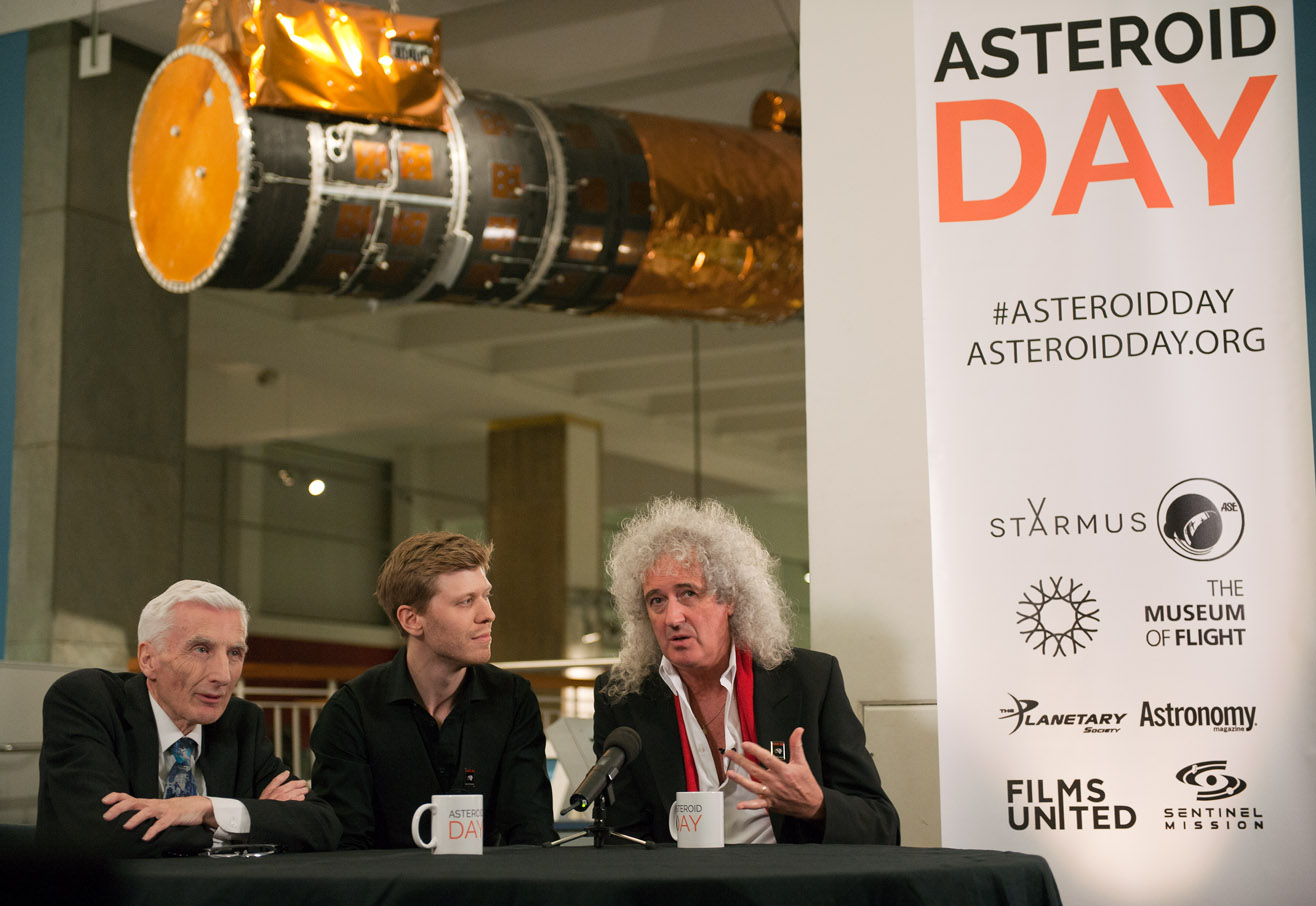
Astronaut Rusty Schweickart, Apollo 9 Lunar Module Pilot, reflects on the importance of Asteroid Day.
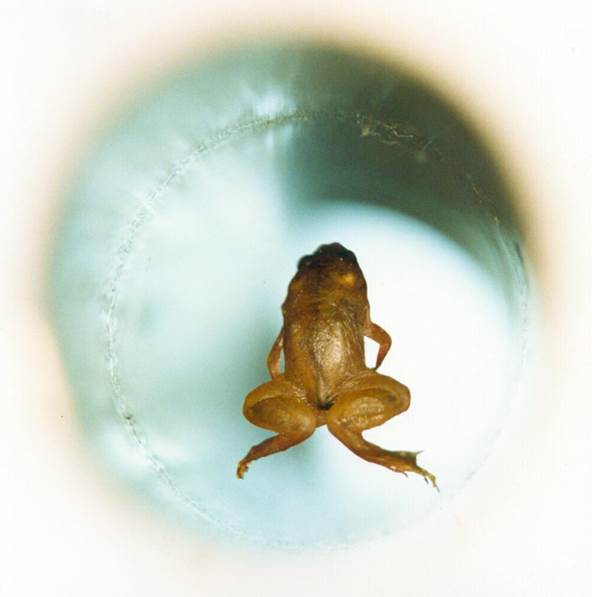
At a Hay Festival event sponsored by the Royal Society, Director of External Affairs Roger Highfield interviewed Andre Geim, the Nobel prize winner best known for his work on graphene, the subject of an exhibition that will open next year at the Museum of Science & Industry, Manchester.
The finalists have been announced for engineering’s answer to the Oscars: the Royal Academy of Engineering MacRobert Award. Here, the Chair of Judges and leading nuclear engineer, Dame Sue Ion DBE FREng, describes the three finalists for 2015 and the importance of engineering innovation in society.
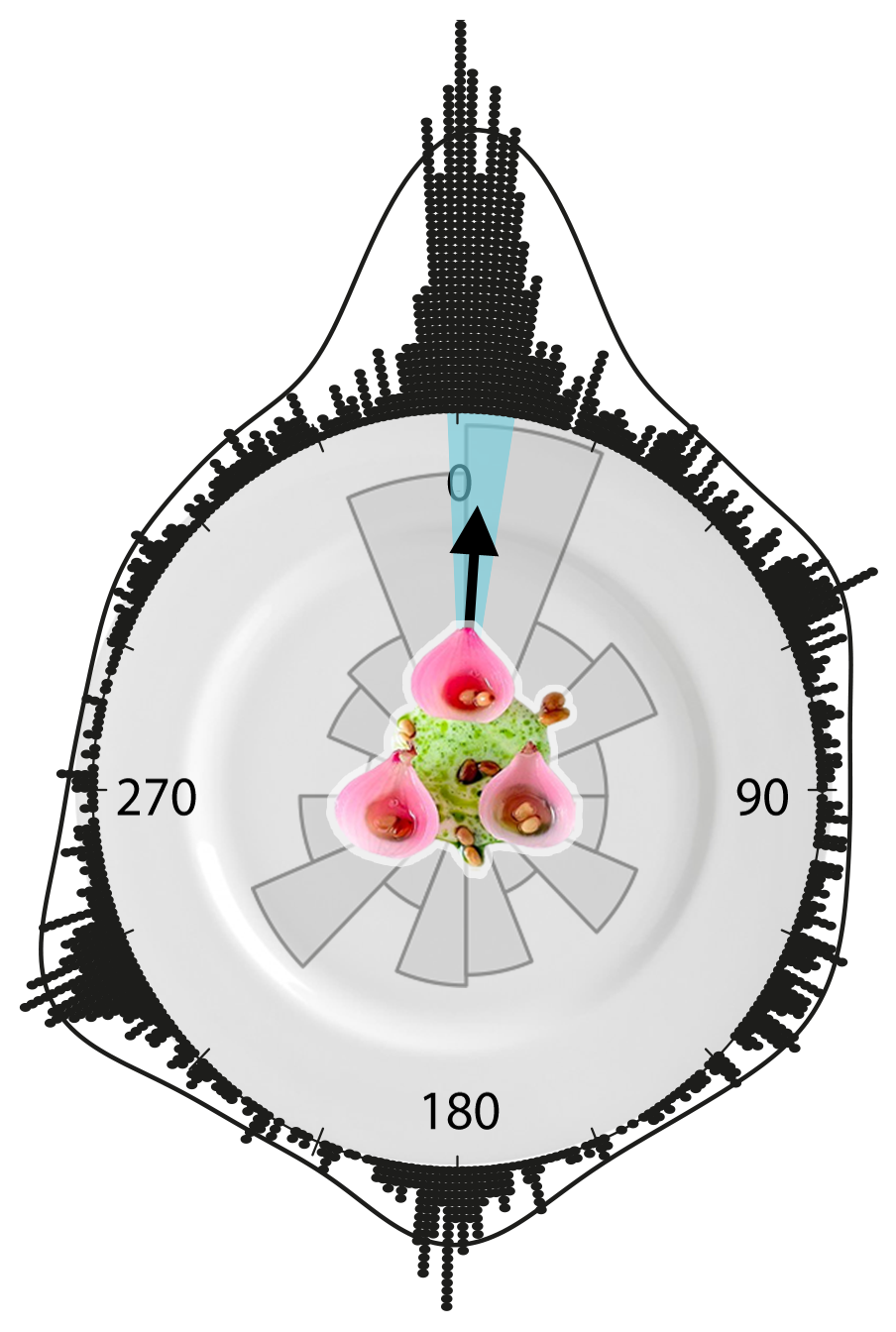
Charles Michel, chef and researcher on food aesthetics at Oxford University explores the first results from an experiment in the Science Museum’s Cravings exhibition.