
Sophie Waring, Curator of the Science Museum’s new free exhibition Our Future Planet explores how a suite of technologies and nature-based solutions can contribute to the fight against climate change
Explore the work of our contemporary science team who run the Tomorrow’s World Gallery. In partnership with the BBC the gallery inspires visitors with the latest scientific inventions and explores the impact they could have on our future.
Sophie Waring, Curator of the Science Museum’s new free exhibition Our Future Planet explores how a suite of technologies and nature-based solutions can contribute to the fight against climate change
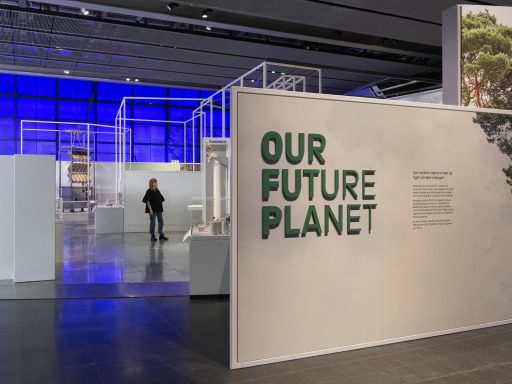
As the Science Museum launches an exhibition about capturing climate-warming carbon dioxide, a new analysis shows investing in ecosystems could help cool the planet in the latter part of this century, but only if we act now. Science Director, Roger Highfield describes the new work, and a method to turn carbon dioxide into greener plastics.
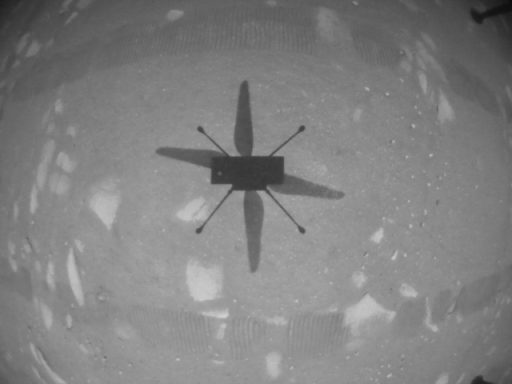
Today, NASA was able to successfully fly a small helicopter on Mars. Space curator Doug Millard explores this historical moment.

As part of our Open for All series, Marketing Officer Lorna Hutchman explores the advances in accessibility that are creating a more inclusive gaming industry.

The next generation of high-performance computers might see a return of the oldest form of all, analogue computing, according to a paper published today, coauthored by Science Director, Roger Highfield.

Curator Imogen Clarke looks back at the history of vaccine hesitancy through items in the Science Museum Group Collection.
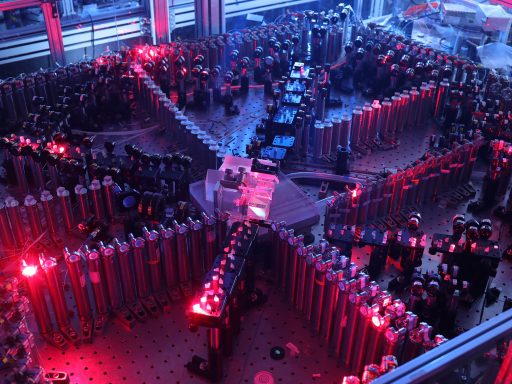
Roger Highfield, Science Director, discusses the latest milestone in quantum computing with Prof Chao-Yang Lu.

Lockdown 2020 has changed our lives in innumerable ways including spending more time at home, and for some, more time to read.
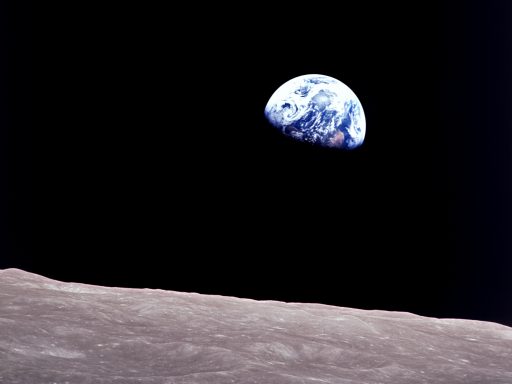
Curator Doug Millard looks at how our exploration of space is a truly international affair.
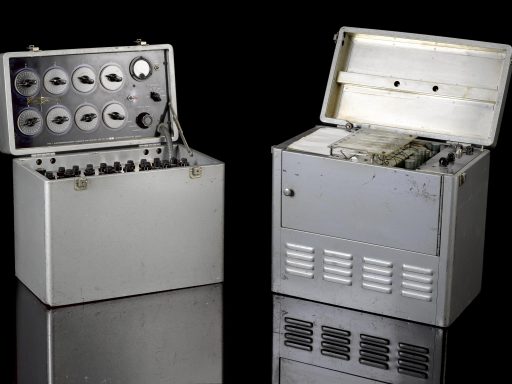
Roger Highfield, Science Director, helped judge the annual Max Perutz Science Writing Award, which this year was dominated by entries about cancer
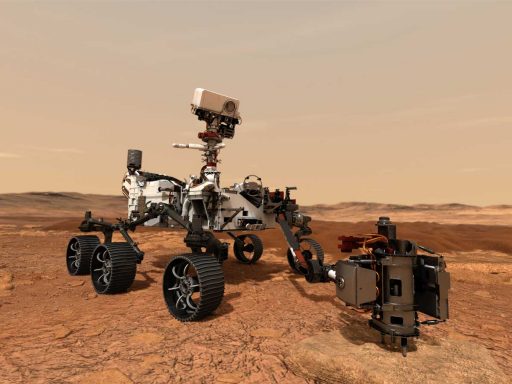
Space curator Doug Millard explores the upcoming NASA mission to Mars, and how this will pave the way for future exploration of the red planet.
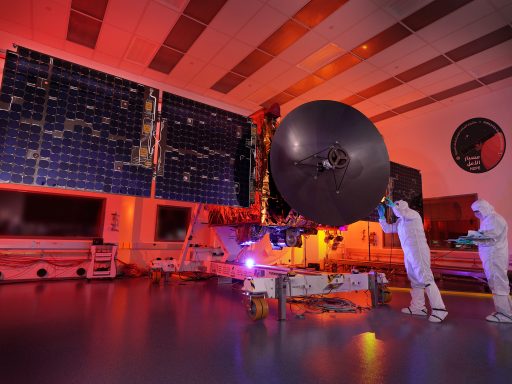
As the Hope mission to Mars prepares to launch, we spoke to the spacecraft lead about the mission.