The Science Museum has been honoured for its green credentials this month by scooping two prestigious awards for its new Hemcrete storage facility at Wroughton. The innovative storage building which is made from hemp and lime, was honoured for its sustainable design by winning the Sustainability Award at the Museums and Heritage Awards – beating stiff competition from the BP Showcase Pavilion at the Olympic Park and the Museum of Surfing. The project was also recognised earlier this month at […]
Our world-class collection forms an enduring record of scientific, technological and medical achievements from across the globe. Come behind the scenes as we explore new object acquisitions and meet the conservation team.
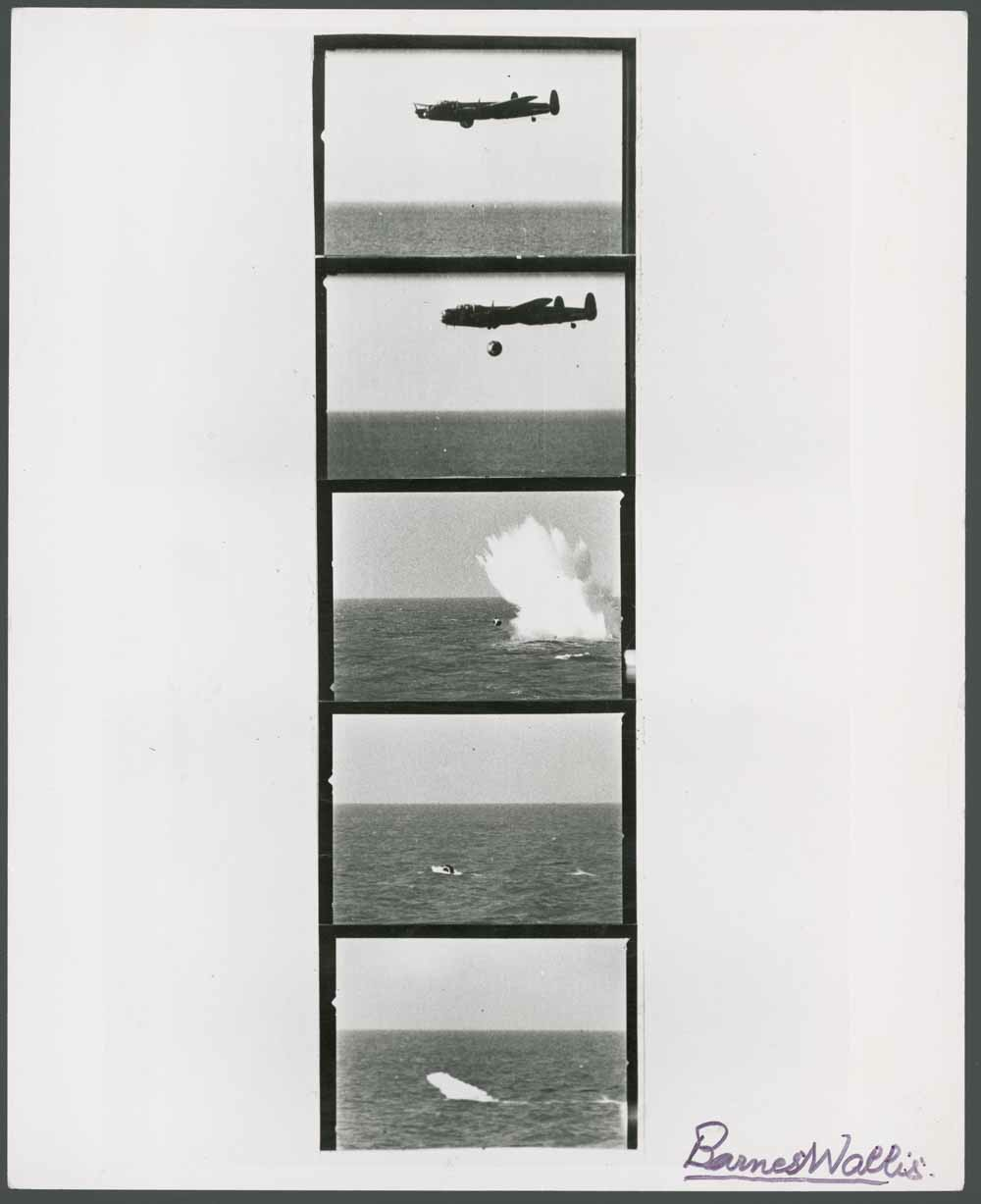
Seventy years ago, in the early hours of the 17 May 1943, 8 Lancaster bombers flew back to RAF Scampton and into the history books as part of the daring Dambusters raid.
Tilly Blyth, Keeper of Technologies and Engineering, writes about the hidden histories of information. Information Age, a new £15.6m communication gallery, will reveal how our lives have been transformed by communication innovations over the last 200 years. Our new gallery on information and communications technologies, Information Age, will open in Autumn 2014. It will look at the development of our information networks, from the growth of the worldwide electric telegraph network in the 19th century, to the influence of mobile phones […]
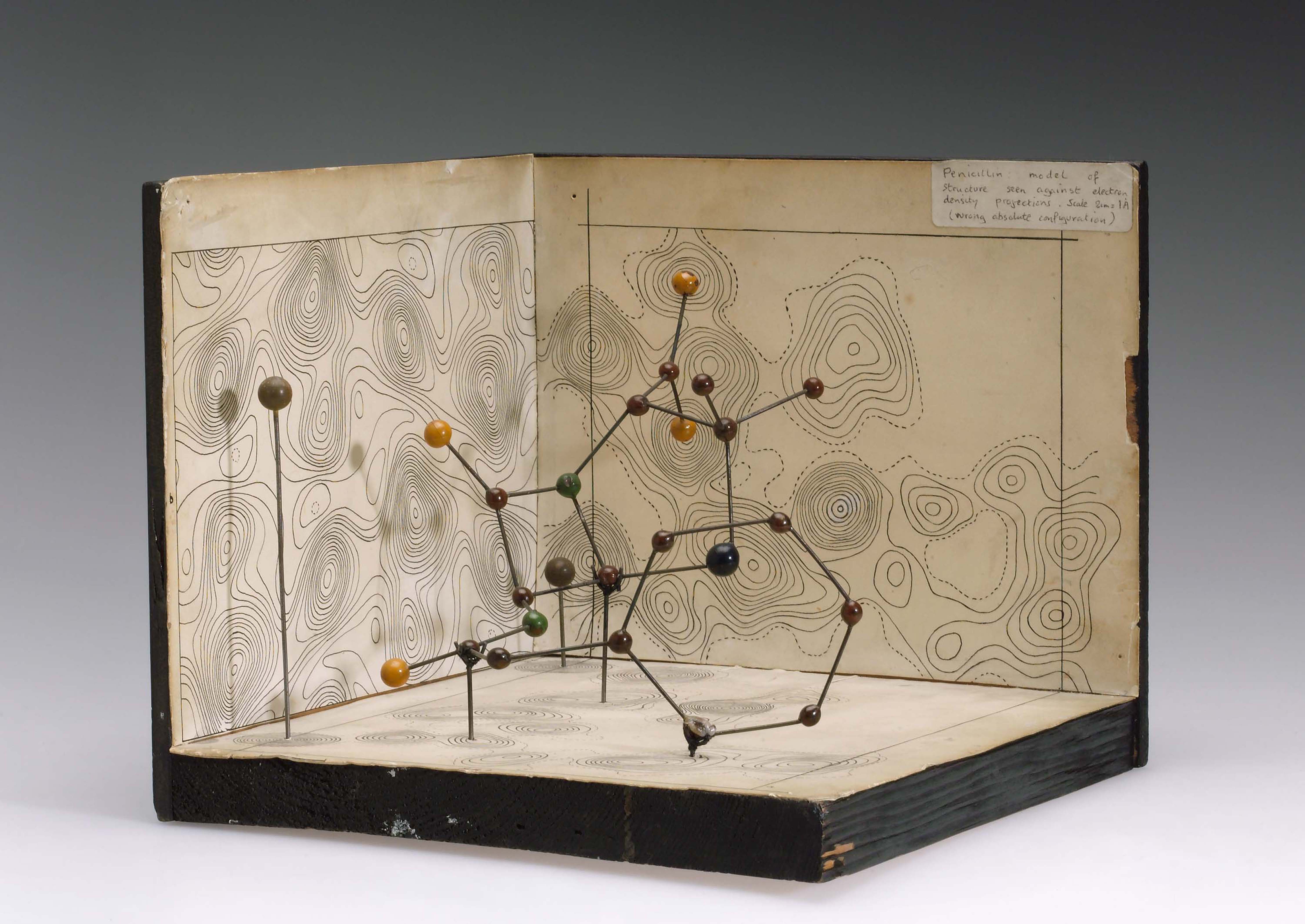
The things and objects of history are important because they provide a tangible connection to the past. Seeing, or better yet holding and touching, the stuff that generations now dead made and worked with enlivens history, shucking us from the present and its endless clamour for our attention. The Hidden Structures exhibition at the Science Museum trips us into the history of X-ray crystallography with a small but intriguing display of objects from the 1940s through to the 1970s. The […]
How many people do you know that have had a cataracts operation? Cataract (the clouding of the lens of the eye) have been operated on for hundreds of years. One of the earliest operations was couching – pushing the clouded lens out of the way to restore some vision. By the 1740s, methods were developed to remove the lens completely. However it wasn’t until the 1940s, that a successful artificial alternative to the eye’s lens was found, the intra-ocular lens. While working […]
Today we’re hosting The Giants’ Shoulders, a monthly event providing a taster of some of the best history of science the blogosphere has offered this month. News of a meteor breaking up over Russia and the close approach of an asteroid inspired many bloggers including Rupert Baker at the Royal Society Repository, Darin Hayton, Lisa Smith at the Sloane Letters Blog and Greg Good at Geocosmohistory. On the Board of Longitude Project blog, Alexi Baker surveyed how attitudes to inanimate objects […]
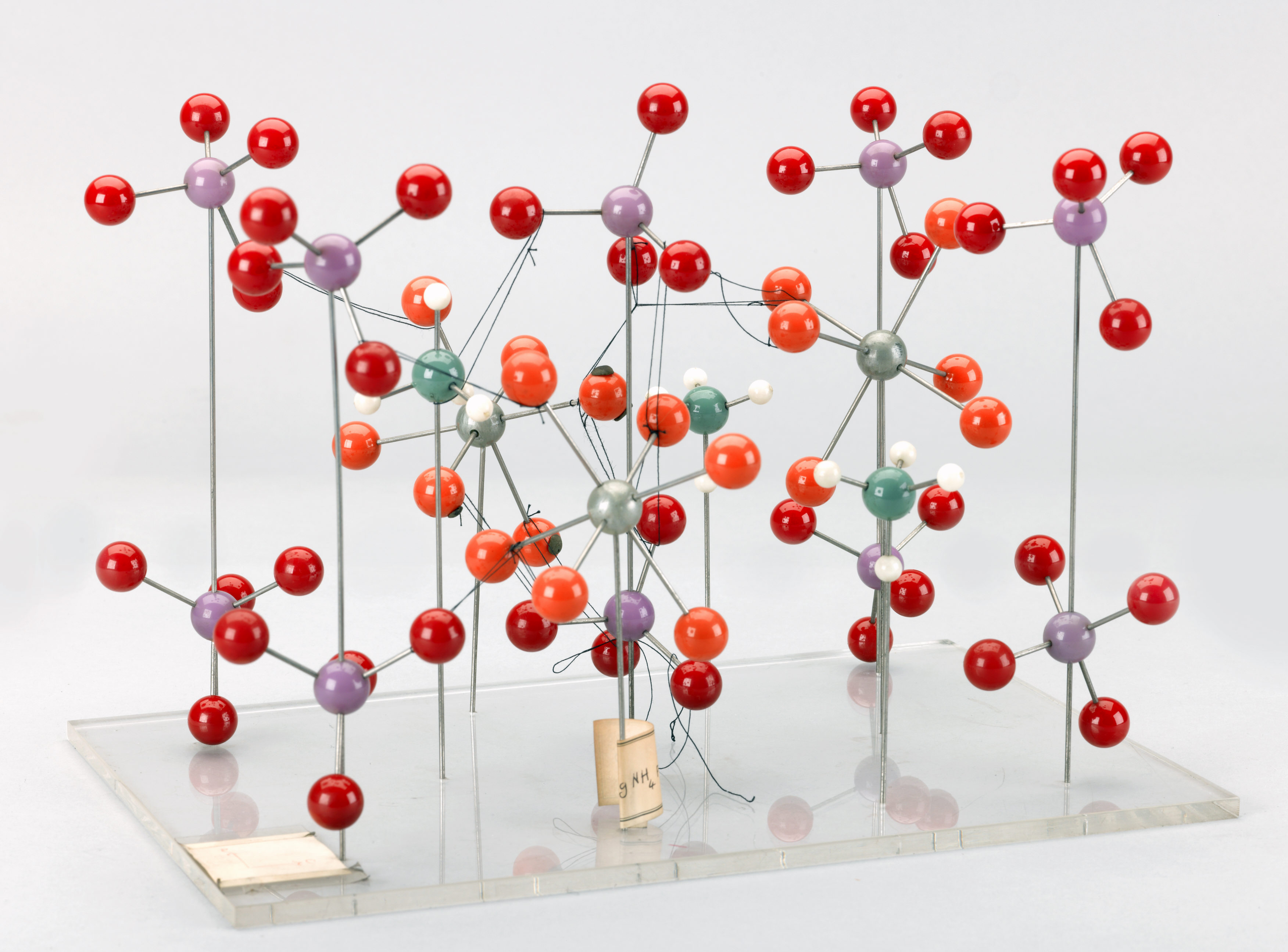
To celebrate the centenary of X-ray crystallography, the Science Museum has just opened Hidden Structures, a new display of molecular models made using the technique writes Boris Jardine
March marks the 100th anniversary of the first cars made by William Morris (1877-1963). The first was a Morris-Oxford Light Car. William Morris began making and repairing bicycles in his work and gradually went onto to hiring and repairing cars before making his own. Although his business was disrupted by the First World War, Morris went on to dominate the British car industry and was made a baron in 1934 and 4 years later Viscount for his services to car manufacturing. He […]
Formica is 100 this year. Best known as the laminate associated with the 1950s and 60s colour explosion in surface coverings, what’s probably less well known is that it was originally an insulation material for the electrical industry. Formica literally stands for ‘for mica’, as it was developed as a synthetic plastic substitute for expensive mineral mica. It was made by binding layers of cloth or paper together with a phenolic resin (originally Bakelite®). Engineer Dan O’Conor filed for a […]
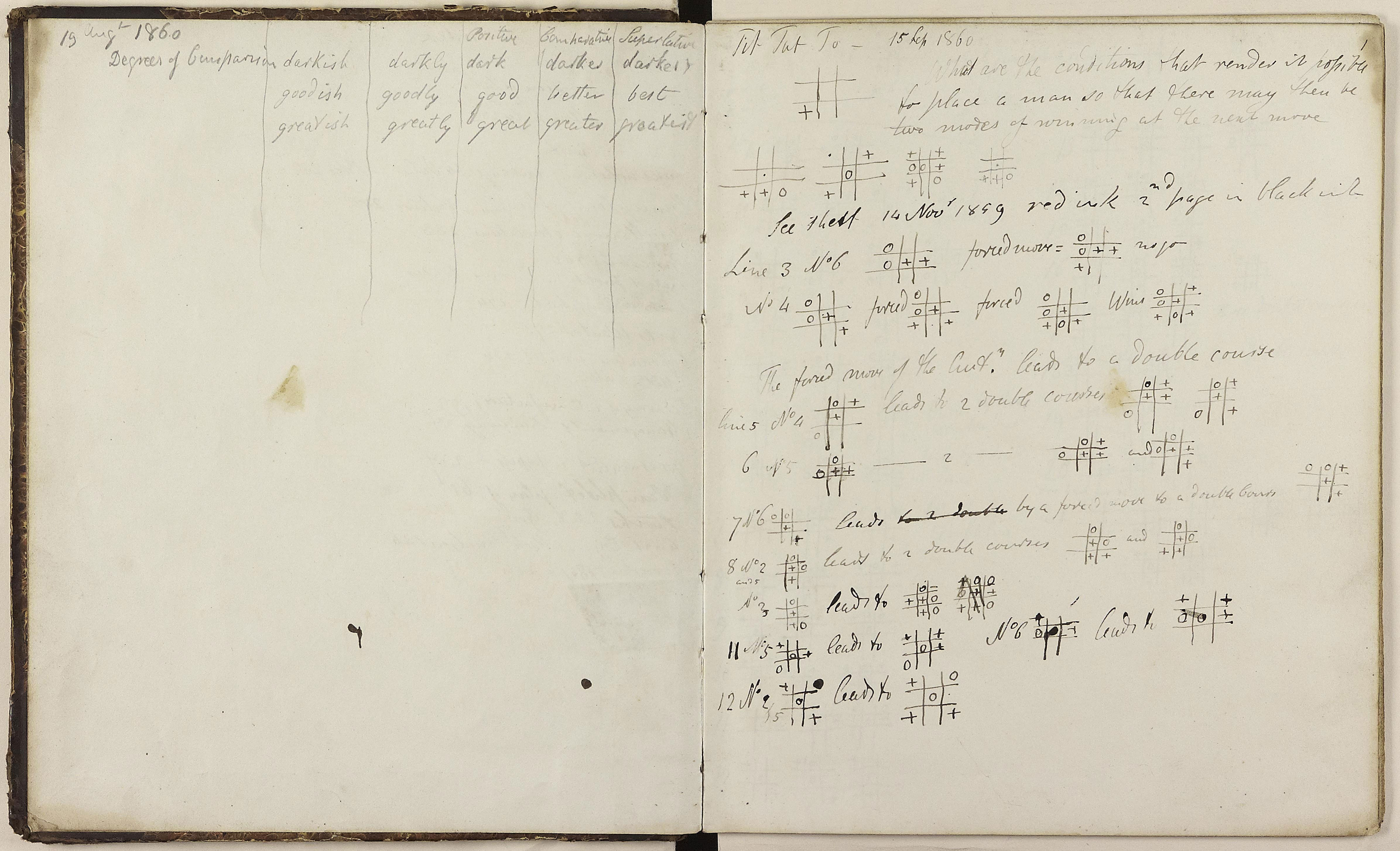
Although Charles Babbage is best known for his calculating engines, plans of which are now on display in the Computing gallery, he was a life long inventor with a passion for improvement.
This post was written by Tara Knights, a work placement student with the Research & Public History department from Sussex University’s MA Art History and Museum Curating. This is the third installment in a series of blog posts where we have been exploring the lives of our ancestors by looking at a collection of tool bags from the Science Museum’s collections. This time we will be looking at the mining industry. We might think we’re fairly familiar with the tools […]
Amongst our peerless collection of artificial limbs are a number which have been designed or adapted for very specific functions. For example, the special attachment that allowed a one-armed WW2 bomber pilot to hold the joystick in his plane or the artificial leg terminating in a hollow metal half-sphere that prevented a keen beachcomber from sinking into the sand. The arm pictured above is one of the most intriguing examples we have. Acquired from Queen Mary’s Hospital in Roehampton, it’s […]