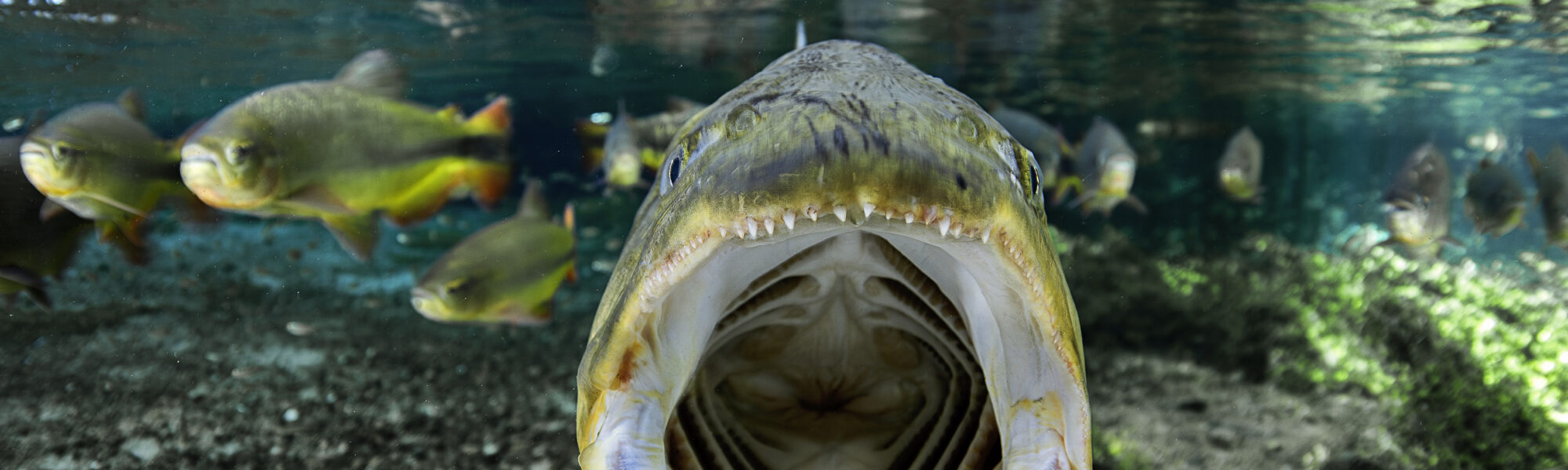
Straddling Brazil, Bolivia and Paraguay, the Pantanal is the largest wetland in the world. This tropical paradise, as it is often called, has a rich and unique biodiversity, and is home to animals such as jaguars, howler monkeys, caiman, marsh deer, and an abundance of fish and birds. Life in the Pantanal follows the rhythm of the alternating dry and wet seasons that flood the land.
The wetland covers around 151,000 km2 of Brazil (the UK is about 242,495 km2) and this extraordinary ecosystem is now threatened by deforestation, intensive farming and climate change, all contributing to the destructive droughts and wildfires which have damaged the wetland in recent years.
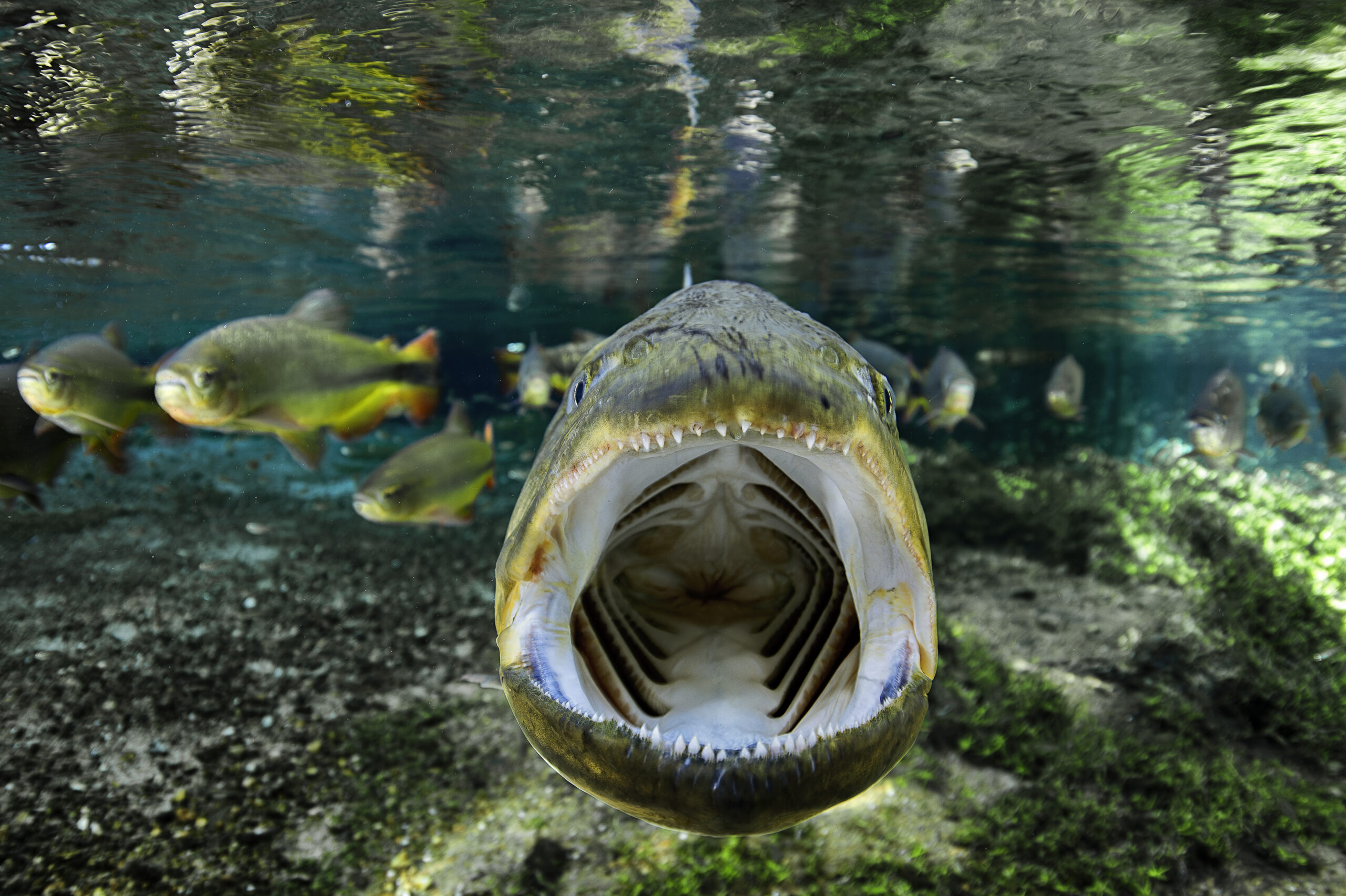
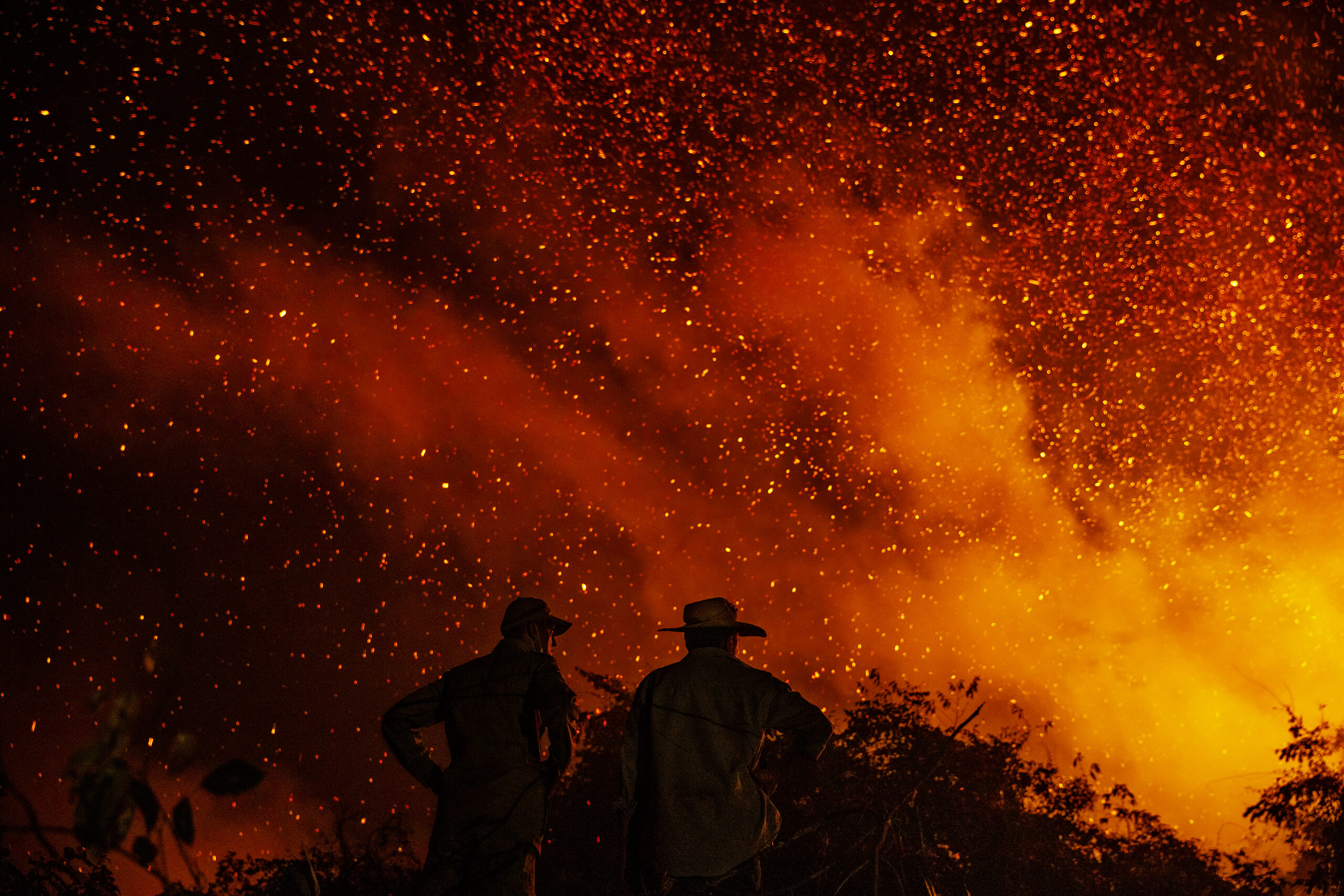
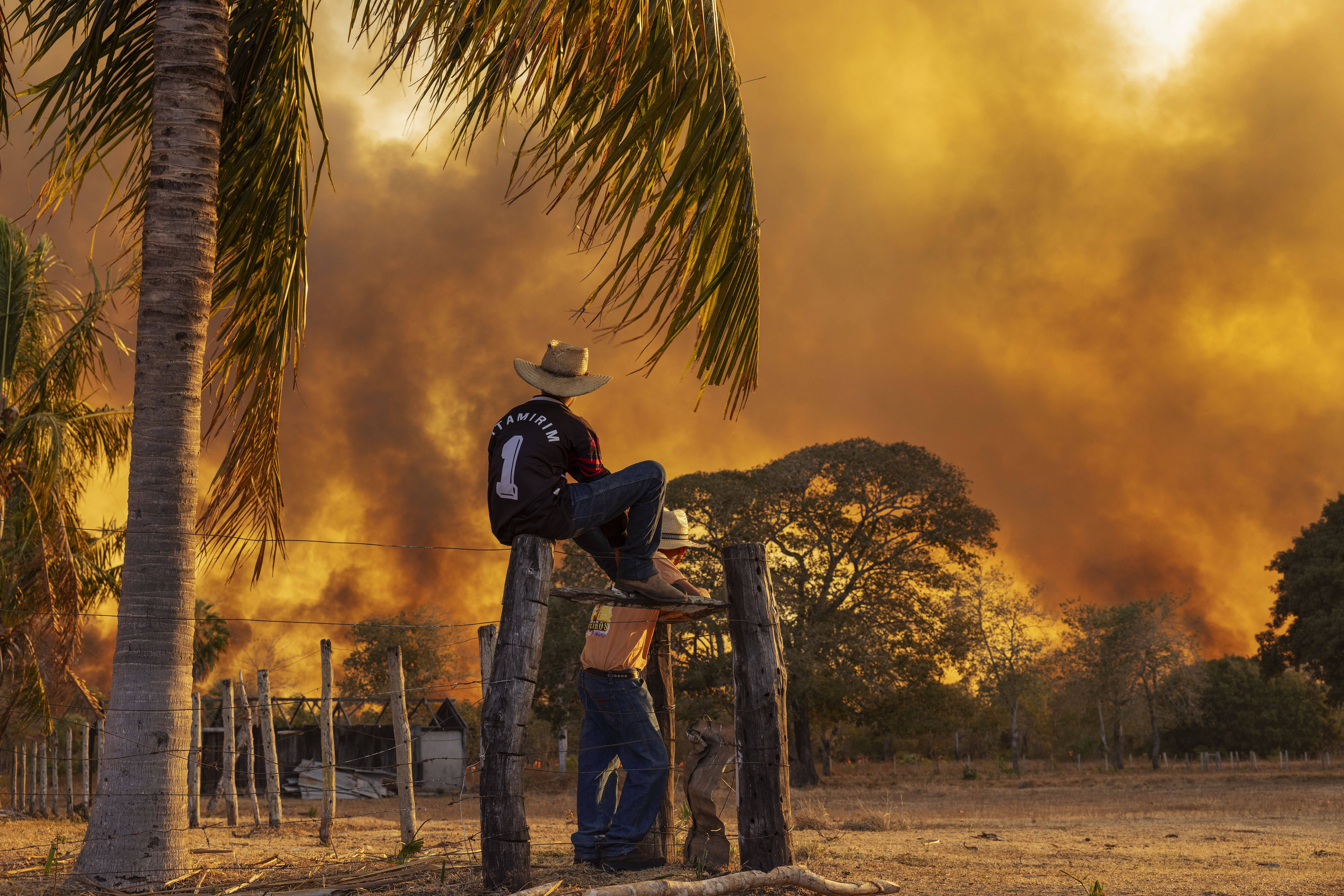
A new free photography exhibition Water Pantanal Fire at the Science Museum takes a closer look at this remarkable habitat. The exhibition features sixty-five photographs which contrast exuberant lush landscapes and close encounters with caiman and tropical fishes, with striking views of scorching flames and barren lands covered in ash.
TBC IN GALLERY IMAGES
The extraordinary images are the work of two leading Brazilian photographers, Luciano Candisani and Lalo de Almeida.
While Luciano’s images focus on water, Lalo turned his lens towards the 2020 and 2024 fires that engulfed the region. While working separately on their own documentation of the Pantanal for years, their work was joined together by curator Eder Chiodetto, who saw the potential of juxtaposing both elements – water and fire – to raise awareness of the urgent need to protect this unique environment from the effects of human action.
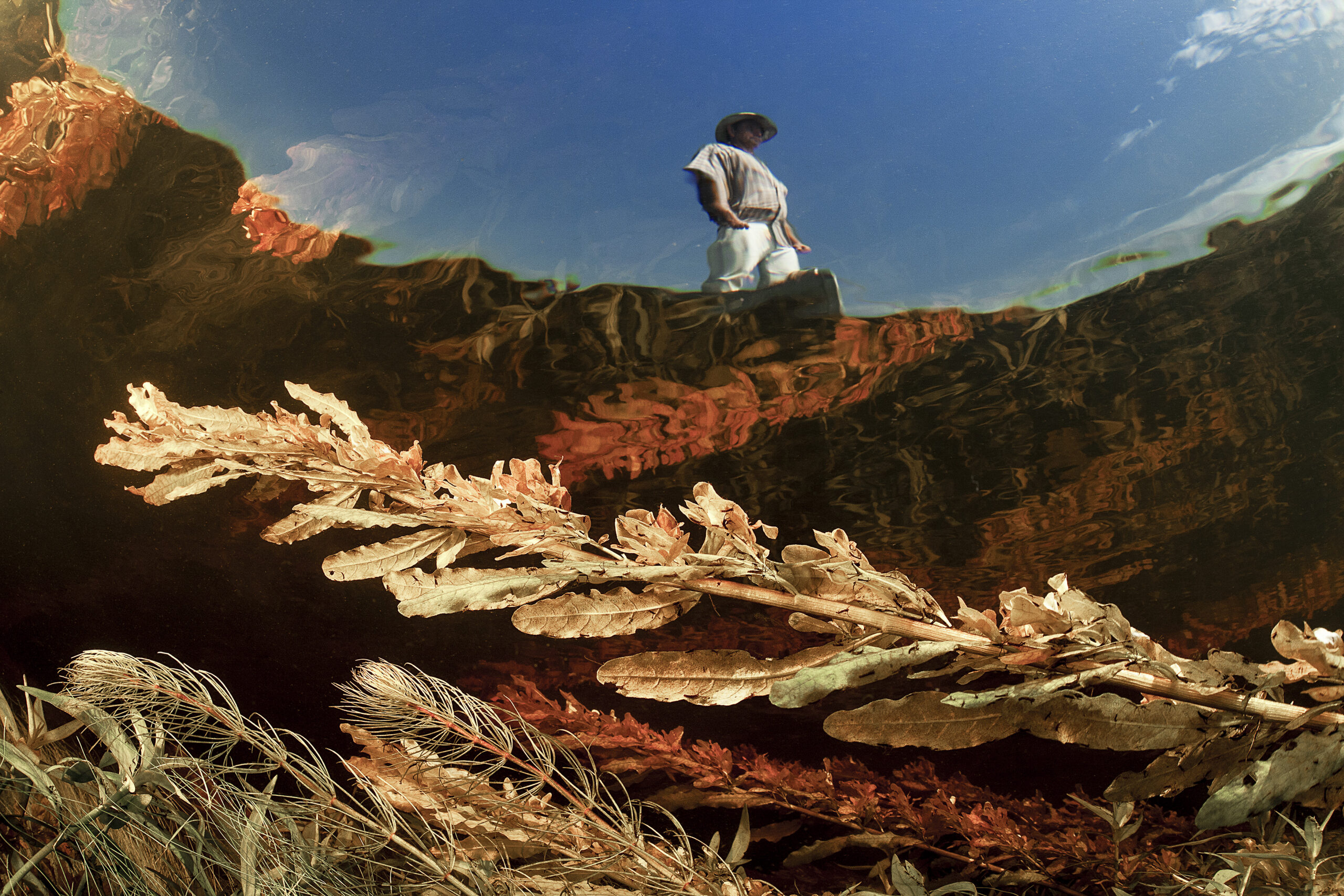
Luciano has always been fascinated by aquatic environments: ‘as a professional photographer, I travelled to the Pantanal waters in 2010, working for National Geographic to photograph freshwater stingrays. And so, I went diving, fully concentrated on this objective, when I noticed, through the imprecise periphery of my vision, the presence of a large shape in the murky water, about a meter deep.
‘My heart raced, the shock quickly turned to fear, and the shape took on the clear outline of a caiman bigger than me, with its mouth of sharp teeth wide open and facing my direction. It was the perfect image of a carnivore stalking its prey.
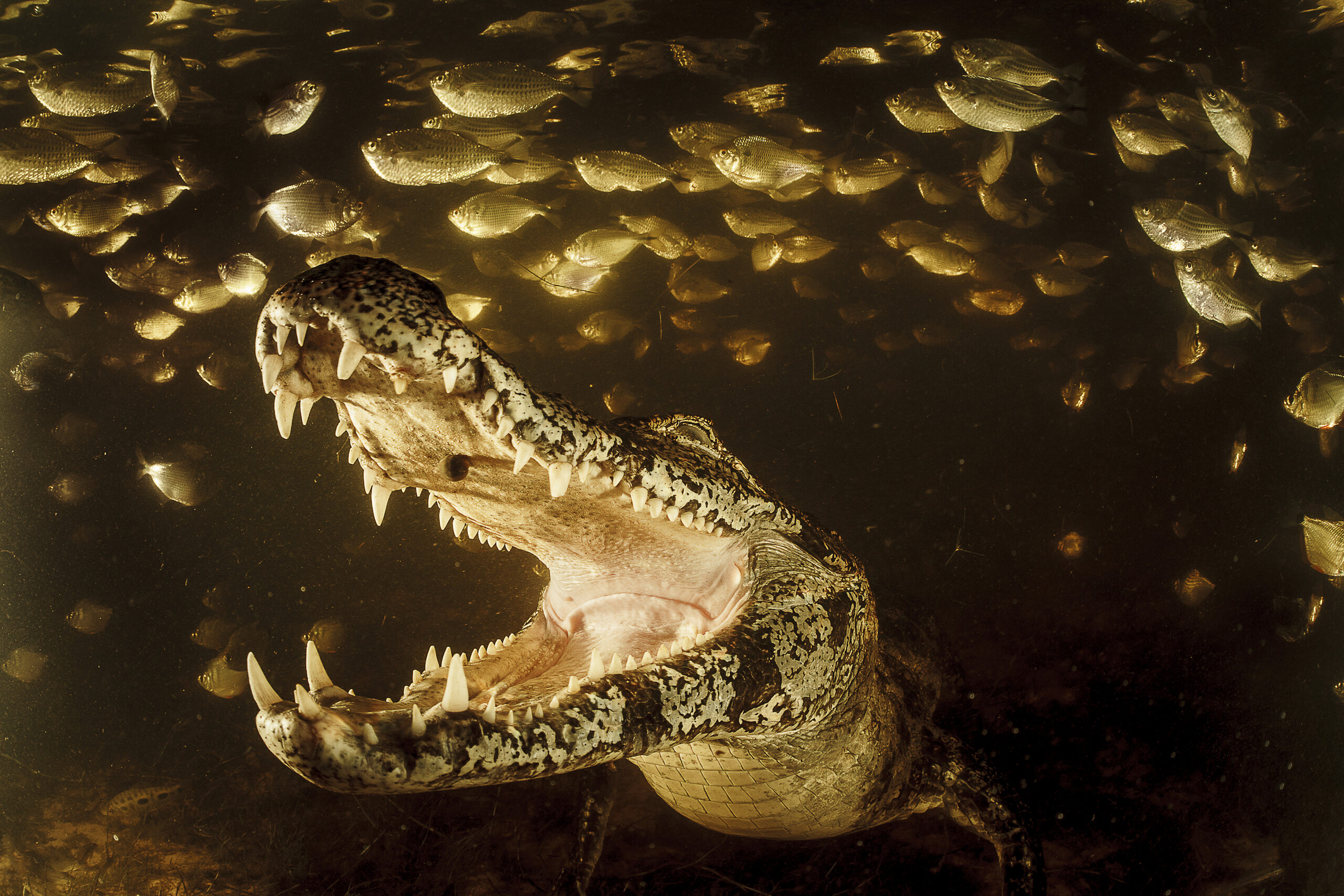
‘Since the animal didn’t flee or show any aggression, I started photographing the scene. I made countless trips through the Pantanal in search of aquatic environments with waters clear enough for underwater photography. In this process, I began to understand the Pantanal as a whole, encompassing all its aquatic habitats, from its headwaters in the highlands to the intricate mosaic of landscapes in the great humid plain.’
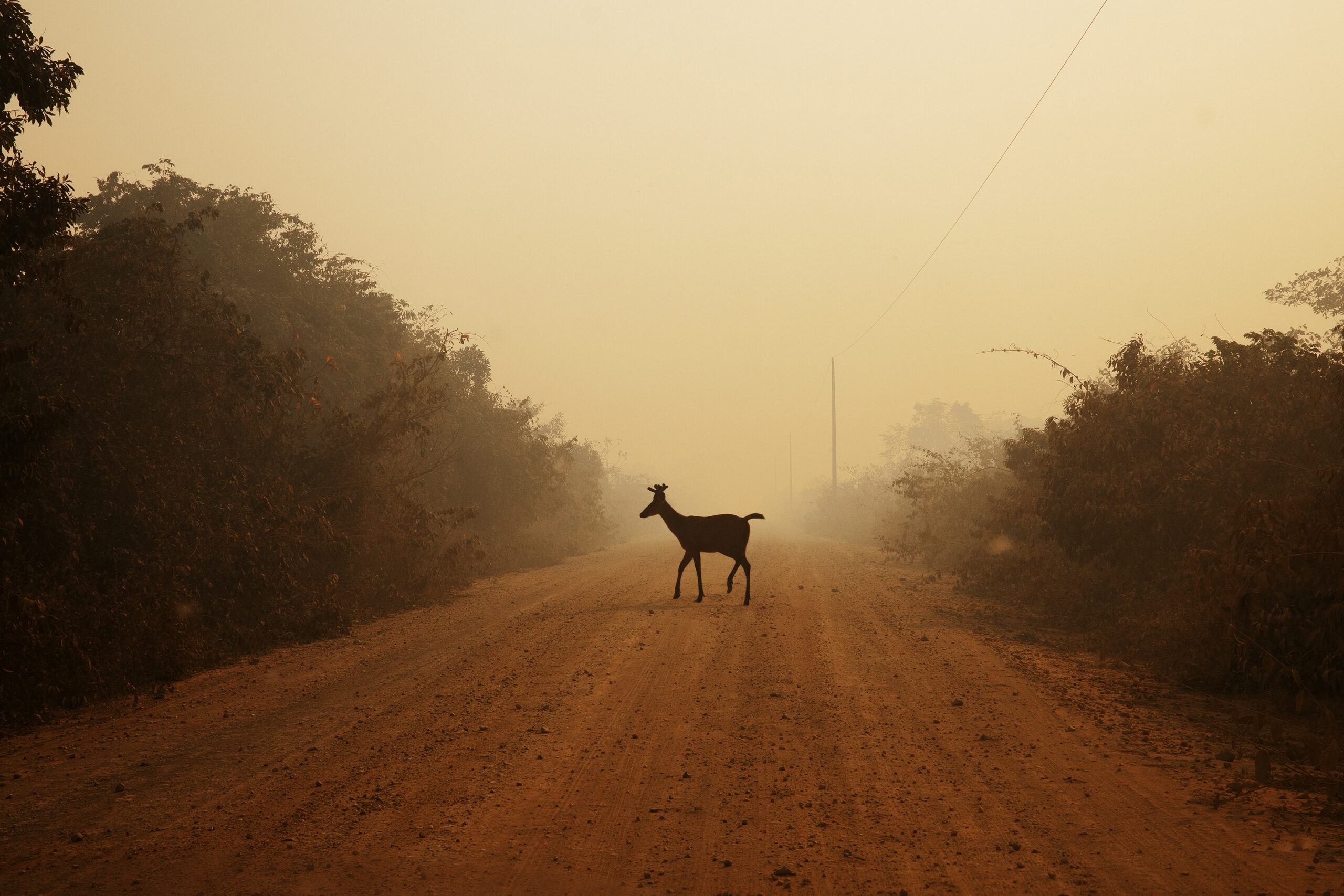
While Lalo has been documenting environmental issues for several decades, the 2020 fires that ravaged the Pantanal – burning 26% of the region and killing an estimated 17 million vertebrates – were a turning point for him.
Since then, Lalo has returned regularly to document the destruction of the Pantanal and to highlight the threats it is facing, including deforestation, intensive farming and climate change. Catastrophic events are occurring ever more frequently, with the last major wildfire happening in 2024.
Lalo’s camera allows him to share this message more widely: ‘photographic language is an extraordinary communication tool. Especially photojournalism and documentary photography, which have a more direct and objective way of communicating with the public: empathy is immediate.’
Both photographers’ images reveal a stark contrast between a watery region teeming with life and, after the droughts and fires, a barren landscape. The powerful juxtaposition allows visitors to discover a wondrous environment, while raising awareness of the urgency and gravity of the crises that threaten it.
Water Pantanal Fire is open at the Science Museum until 31 May 2026. No separate ticket is required for this exhibition; you can enter with your free museum admission ticket.
Exhibited in the UK for the first time as part of its international tour, Water Pantanal Fire is part of the UK/Brazil Season of Culture 2025-26, organised by the British Council and Instituto Guimarães Rosa. This exhibition is curated by Eder Chiodetto and produced by Documenta Pantanal.