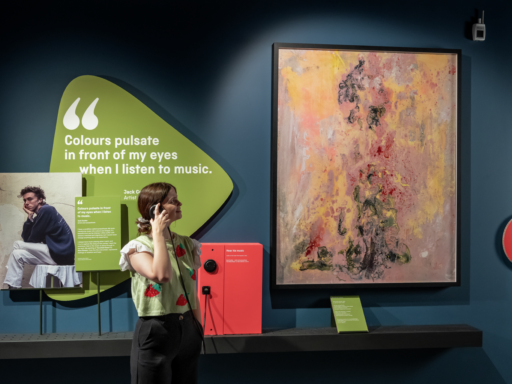
Explore the work of our contemporary science team who run the Tomorrow’s World Gallery. In partnership with the BBC the gallery inspires visitors with the latest scientific inventions and explores the impact they could have on our future.
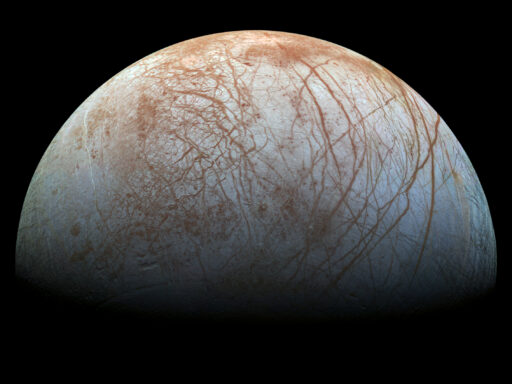
This week a mission launched to investigate the watery oceans beneath the icy surface of Jupiter’s moon Europa – and whether it has the conditions to support life. Associate Curator, Lucy Twisleton, explores the journey, the spacecraft and the data it will collect.
Roger Highfield, Science Director, reports on the findings of a study of handedness in museum visitors, published today by an international team.
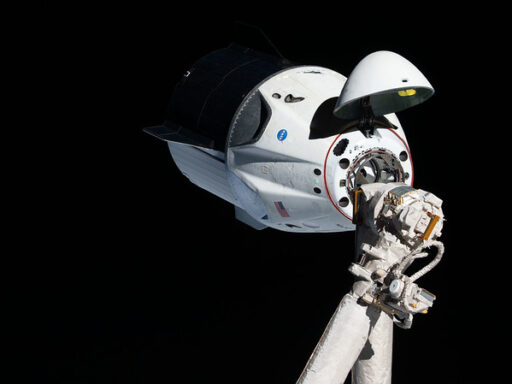
The Astronomer Royal, Lord Martin Rees, gives his verdict on the long-term future of space exploration.
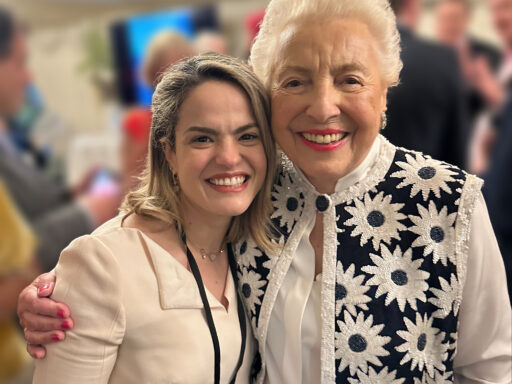
Recent figures indicate that in the UK only 16.5% of engineers are women*. In a profession where female engineers are so underrepresented, we caught up with two generations of software engineers who discuss their own experiences this #INWED24.
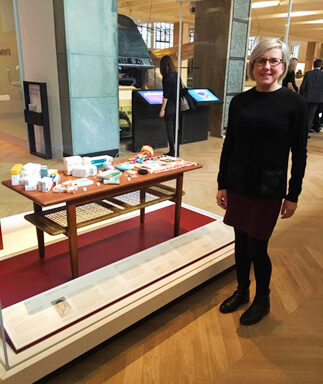
This year’s CF Week (17 to 23 June) is extra special for Cystic Fibrosis Trust, who are celebrating their 60th anniversary. To mark the week, curator Selina Hurley shares more about Sammie, who’s story we feature in the Medicine galleries.
Roger Highfield, Science Director and member of the Longitude Committee, discusses the long-sought winner of the Prize, announced today in the Science Museum.
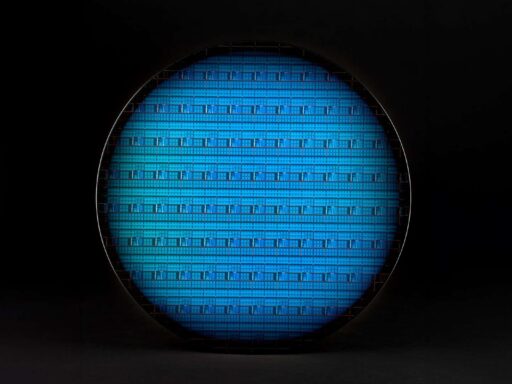
Roger Highfield, Science Director, talks to Jim Clarke of Intel, whose team has adapted traditional methods used to make computer chips to bring silicon-based quantum computers closer to reality.
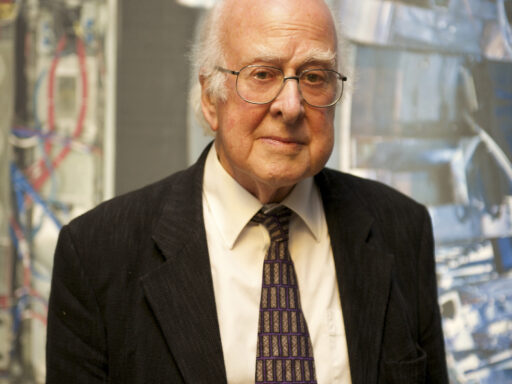
Roger Highfield, Science Director, pays tribute to the Nobelist and Science Museum Group Fellow, Peter Higgs.
Engineers from far and wide gathered in the Science Museum on 6 February for the announcement of the 2024 winners of the Queen Elizabeth Prize for Engineering. Jane Sutton reveals more about the 2024 Laureates and their engineering innovations.
A toolkit to reengineer life has been assembled by scientists in Cambridge, marking a new era of synthetic biology, reports Science Director Roger Highfield
Roger Highfield, Science Director, gazes into his scientific crystal ball.
To mark the opening of a new exhibition on the science of music, Roger Highfield discusses a remarkable experiment to reconstruct a Pink Floyd song from brain activity.