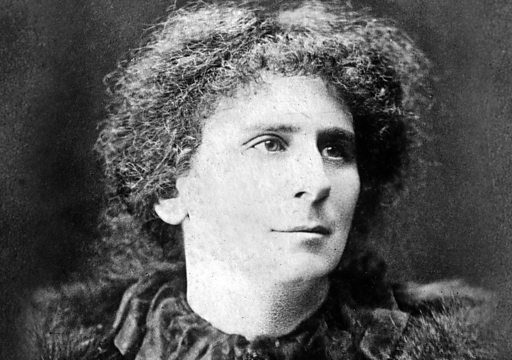
Dr Elizabeth Bruton explores the life of British physicist Hertha Ayrton who was born on this day in 1854.
Explore the work of our contemporary science team who run the Tomorrow’s World Gallery. In partnership with the BBC the gallery inspires visitors with the latest scientific inventions and explores the impact they could have on our future.
Dr Elizabeth Bruton explores the life of British physicist Hertha Ayrton who was born on this day in 1854.
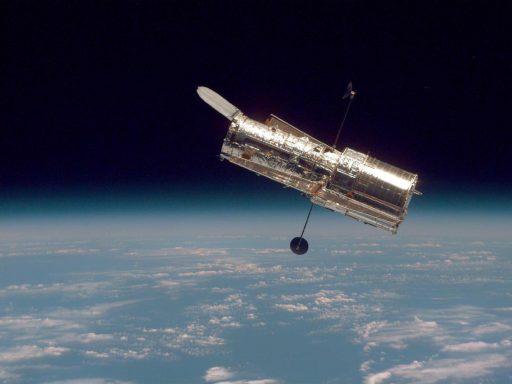
The Hubble telescope was launched 30 years ago today so Assistant Curator Heather Bennett looks back on some of the historic landmarks that led up to this extraordinary mission.
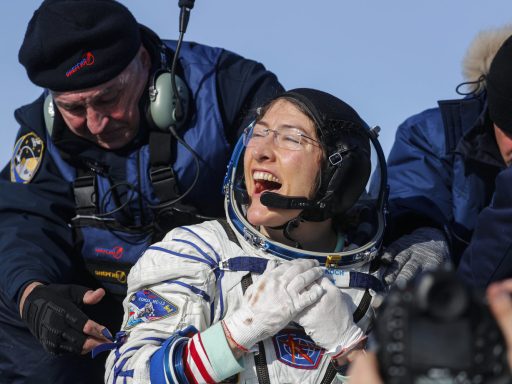
Dr Julia Knights, Deputy Director of the Science Museum, celebrates the recent achievements of astronaut Christina Koch whilst emphasising the key role women play in STEM and space exploration.
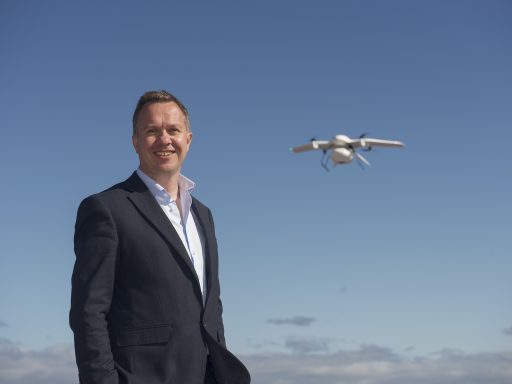
Assistant Curator Margaret Campbell outlines the world’s first successful autonomous drone delivery of diabetes medication.
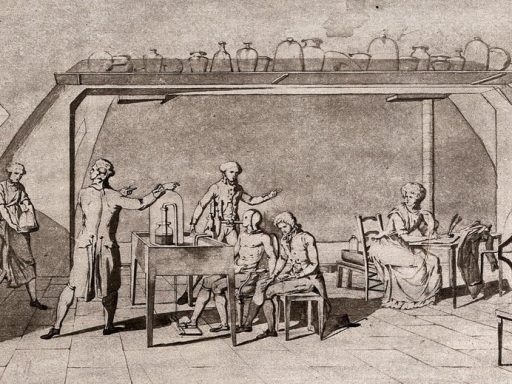
Today marks the birthday of Marie-Anne Paulze Lavoisier (1758-1836), a French chemist who played a leading, yet sometimes overlooked, role in the foundations of modern chemistry.
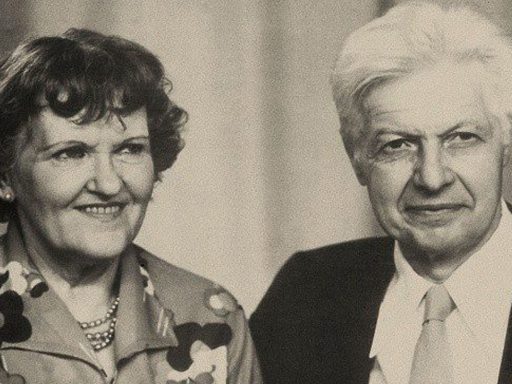
Science Museum volunteer Stephen Dalziel takes us back to 1950s England to explore the bizarre story of the Krogers.

Science Director, Roger Highfield, revisits speculation about the future of Christmas he made decades ago.

Assistant Curator Margaret Campbell recounts Nobel Prize winner Akira Yoshino’s predication that lithium-ion batteries ‘will play a central role’ in achieving a sustainable society.
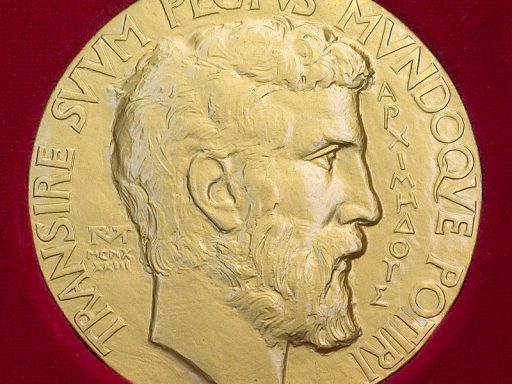
Roger Highfield, Science Director, introduced the Fields medallist at the latest Oxford Mathematics London Public Lecture in the Science Museum.
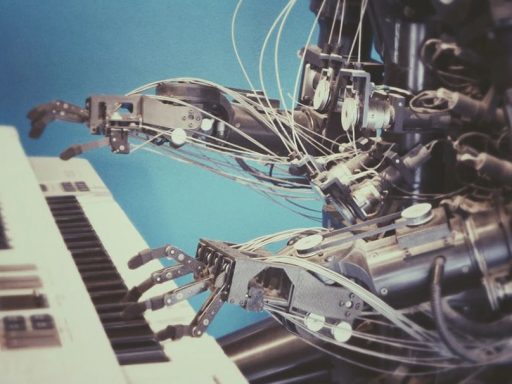
Roger Highfield, Science Director, highlights how we need new ways to engage bigger audiences in discussions about the future of artificial intelligence.
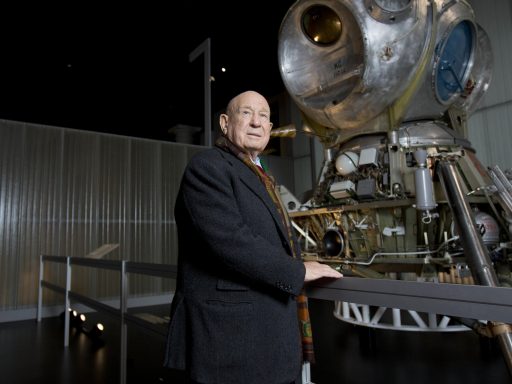
Alexei Leonov became the first person to walk in space in 1965. A hero of space exploration, he was made a Fellow of the Science Museum in 2015. We remember his incredible story.
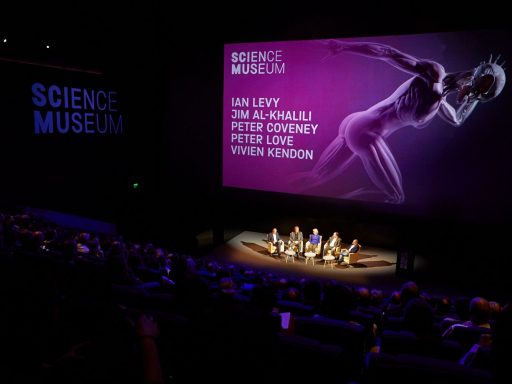
Quantum computers will have many valuable applications, but it is important not to get carried away. Science Director Roger Highfield reports on an IMAX discussion led by broadcaster Jim Al-Khalili at last month’s Lates.