At one end of the Clockmakers’ Museum is a showcase celebrating the life and work of Dr George Daniels CBE (1926–2011), regarded by many as the greatest watchmaker of the 20th century. To mark what would have been his 100th birthday, this blog explores Daniels’ ambitions, interests and achievements, and why his philosophy and work remain relevant today.
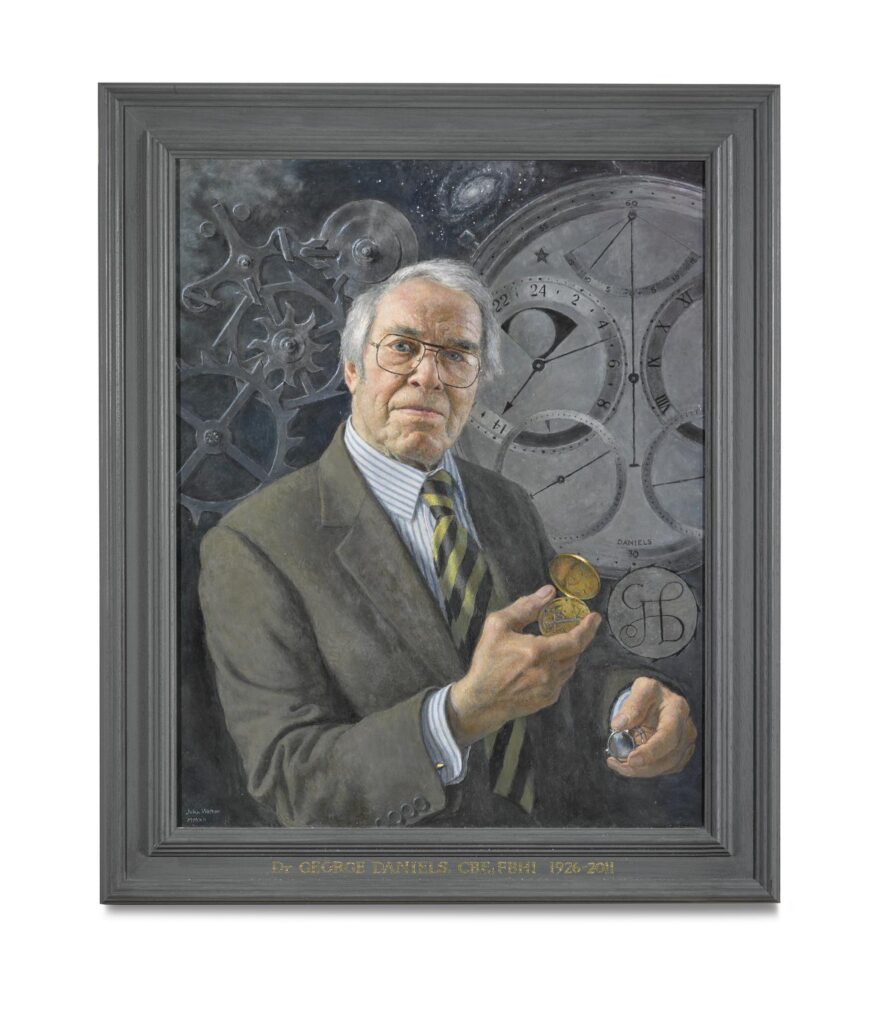
When George Daniels was born in London in 1926, the world still relied on mechanical clocks and watches to tell the time. From a very early age he was fascinated by their mechanisms and by their apparent independence from outside assistance. As he later wrote in his memoir, ‘I couldn’t have expressed it at the time, but it exactly echoed my own philosophy and made a great impression on me.’
Like a mechanical clock, self-reliance was a value Daniels lived by. Many of his skills were self-taught, while his army service gave him the confidence to pursue a career as a watchmaker. It is worth noting that for most people entering the profession, watchmaking really meant repairing, rather than making watches. Manufacturing was undertaken by multiple skilled workers in a sub-division of the trade. This distinction would later shape his life’s work.
After leaving the army in 1947, Daniels used money saved from repairing watches, cameras and typewriters during his military service, to buy tools and enrol in evening classes for his horological qualifications, while working full time with a London watchmaker. Over the next three decades, he built a reputation studying and repairing the watches of his heroes; makers like John Arnold, John Harrison and Abraham-Louis Breguet, whose work was held by private collectors and in public collections like the Clockmakers’ Museum.
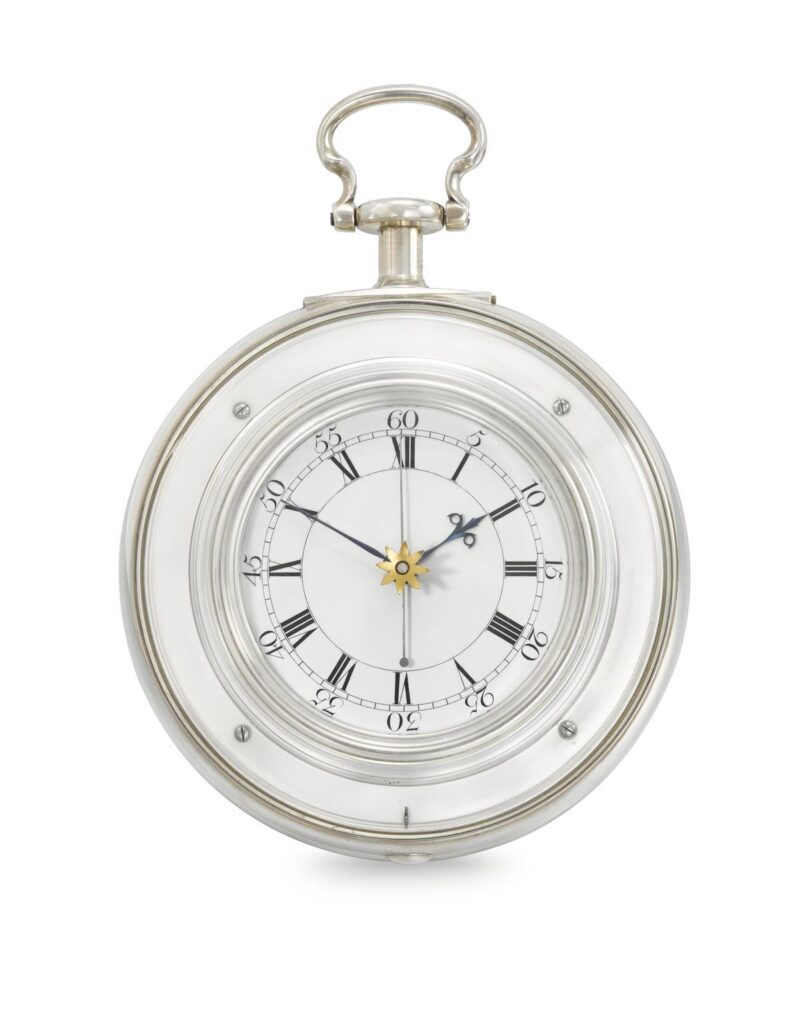
He was particularly inspired by French watchmaker Abraham-Louis Breguet (1747 – 1823), spending 15 years studying the great watchmaker before writing The Art of Breguet in 1975. Daniels’ research convinced him that he could make an entire watch by hand, even with limited tools and experience – something no one else was doing. Unlike Breguet, who used 100 specialist artisans in the manufacture of his watches, Daniels would make almost every part himself. In doing so he would reintroduce precision watchmaking to London.
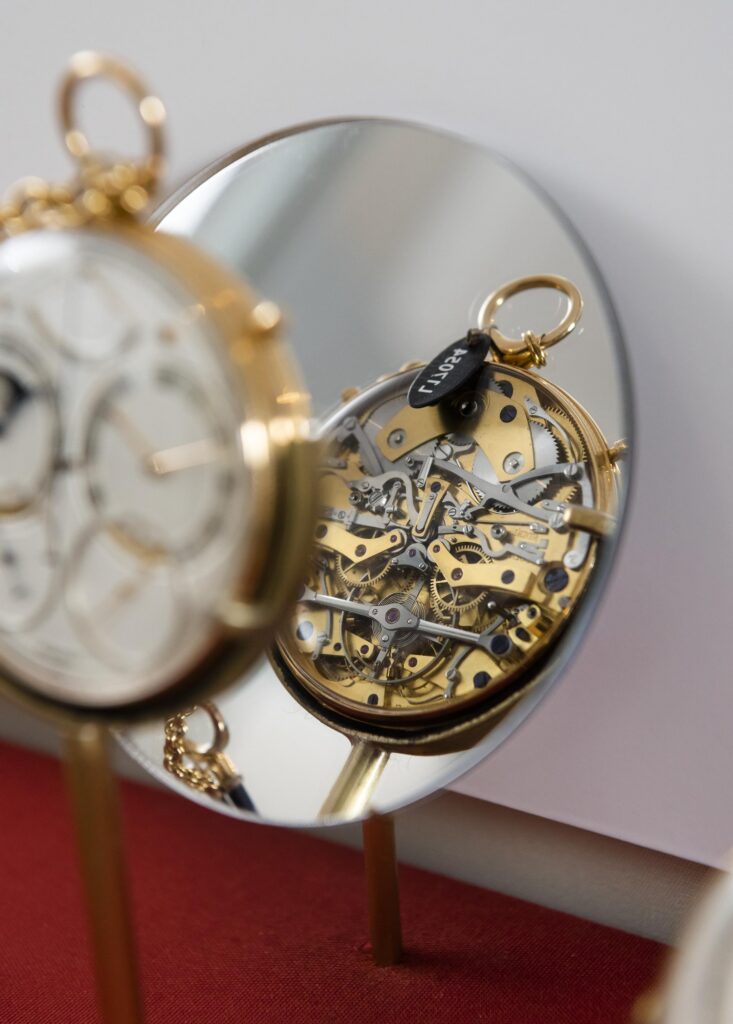
Daniels produced his first handmade pocket watch in 1969, and would go on to complete 23 in total, each one taking around a year to make. He believed a good watch should have a purity of form and function, and include ‘something historic, intellectual, technical, aesthetic, amusing and useful’ in its qualities. His pocket watches certainly achieved this, but these qualities also explain another ambition: to make the mechanical wristwatch relevant into the 21st century.
Around the time Daniels made his first pocket watch, the global industry was facing upheaval, brought about by the arrival of quartz watches. Using the vibration of a quartz crystal to regulate their timekeeping, these electronic timekeepers were more accurate, easier to maintain and, as production increased, cheaper to make. Large manufacturers and independent repairers alike faced an uncertain future, and many closed.
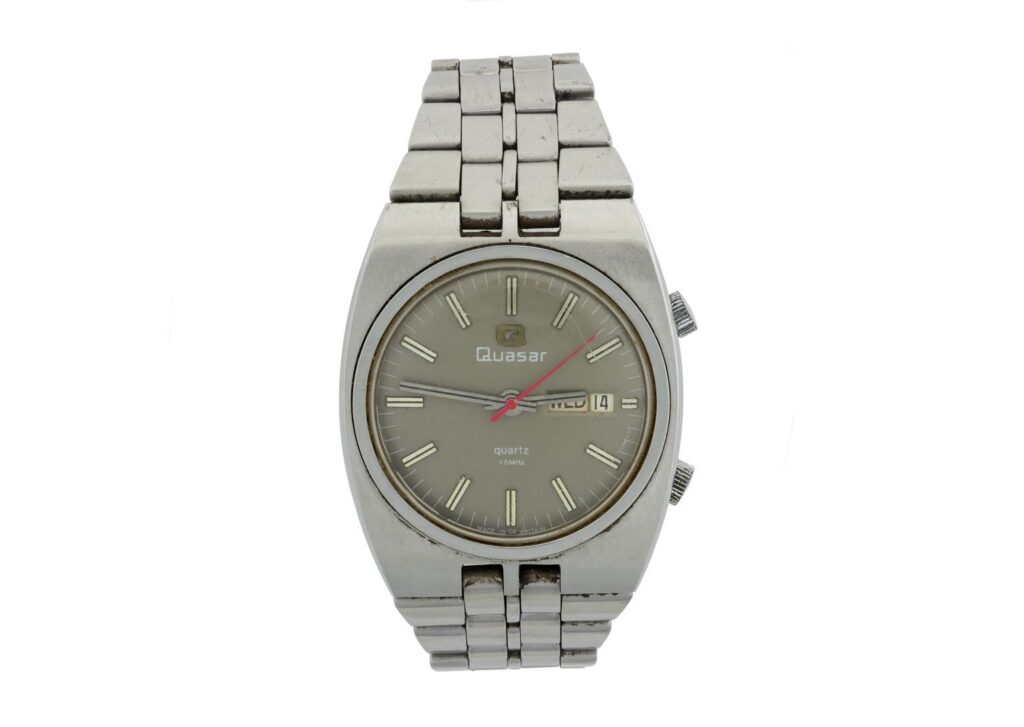
Daniels realised that traditional watchmaking could not compete with this new technology but felt it could remain relevant if it offered the qualities he so admired in good watch design. To inspire the next generation of watchmakers, he published Watchmaking in 1981, describing his method of making every component in a mechanical watch – something that had never been done before.
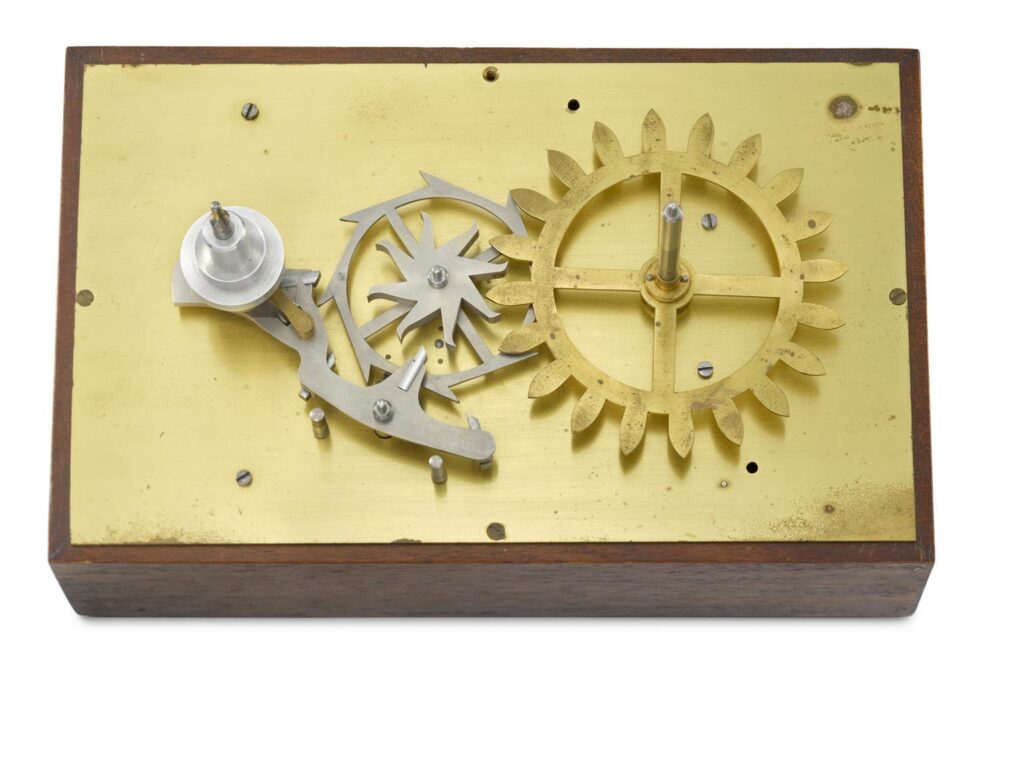
He also set about improving the escapement – the beating heart of a watch, which had remained largely unchanged for over 200 years. Daniels hoped it would renew interest and restore confidence in mechanical watches. He believed he could improve a watch’s accuracy while extending the time between servicing by combining the best elements of previous escapement designs.
The result was two new escapements; his independent double-wheel escapement and the co-axial escapement, the latter of which was eventually adopted by Omega. This was no small undertaking, involving 25 years of development and patient negotiations with various Swiss manufacturers before its eventual adoption.
Watches dominated Daniels’ life, but they were not the only mechanisms that he took great interest in. When he was 12 he was given a bicycle. This opened the world to him, allowing him to explore and escape his neighbourhood. His love of two wheels grew to four, beginning with the painstaking restoration of a vintage Bentley. Over his lifetime, Daniels owned and restored many more classic vehicles, which he raced whenever he had the opportunity.
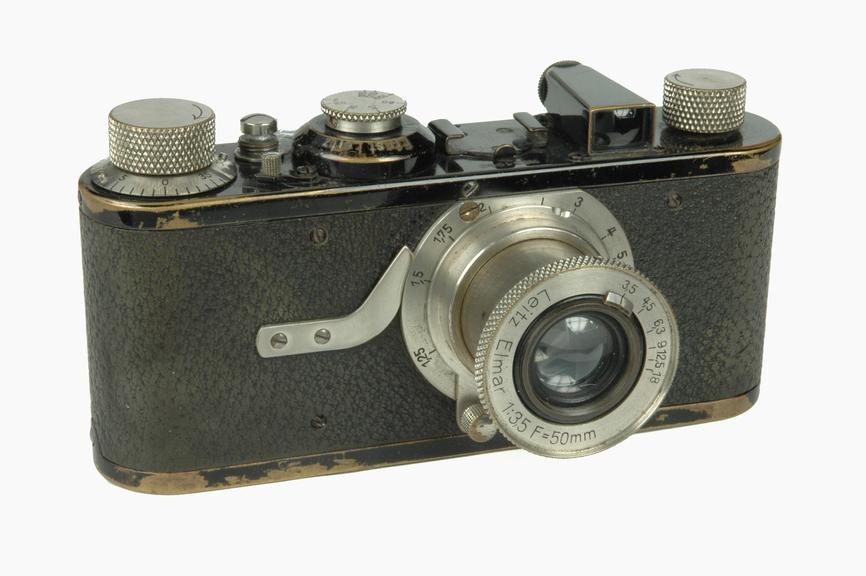
He also illustrated his books with photographs of watches, taken with his Leica camera, adapting its lenses for macro photography. He was so captivated by the precision engineering of Leica’s cameras that he collected all models produced from 1926 to 1950.
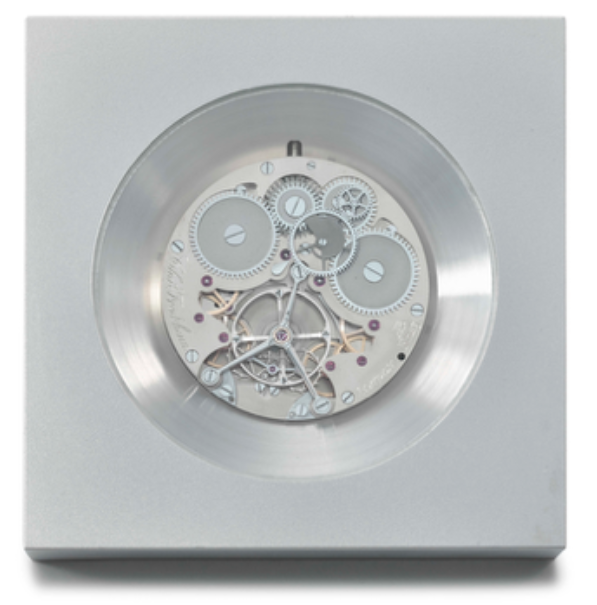
More than a decade after Daniels’ death, the mechanical watch industry is going from strength to strength. Two British makers, Roger W. Smith and Charles Frodsham & Co., both draw on George Daniels’ escapements and philosophy to produce small numbers of exceptional precision wristwatches made in-house by small teams of watchmakers.
Today, Daniels’ legacy continues to extend beyond his escapements, watches and books. A Trust established after his death supports students pursuing careers in engineering, medicine, construction and horology, ensuring that the values he championed continue to benefit generations to come.
You can see the display dedicated to George Daniels in the Clockmakers’ Museum at the Science Museum.
The Science Museum is open 10.00-18.00, seven days a week (last entry 17.15). Head to our website to pre-book your free tickets.
Further information about training and educational routes into watch and clockmaking can be found in the Clockmakers’ Museum, or by visiting www.clockmakers.org/education