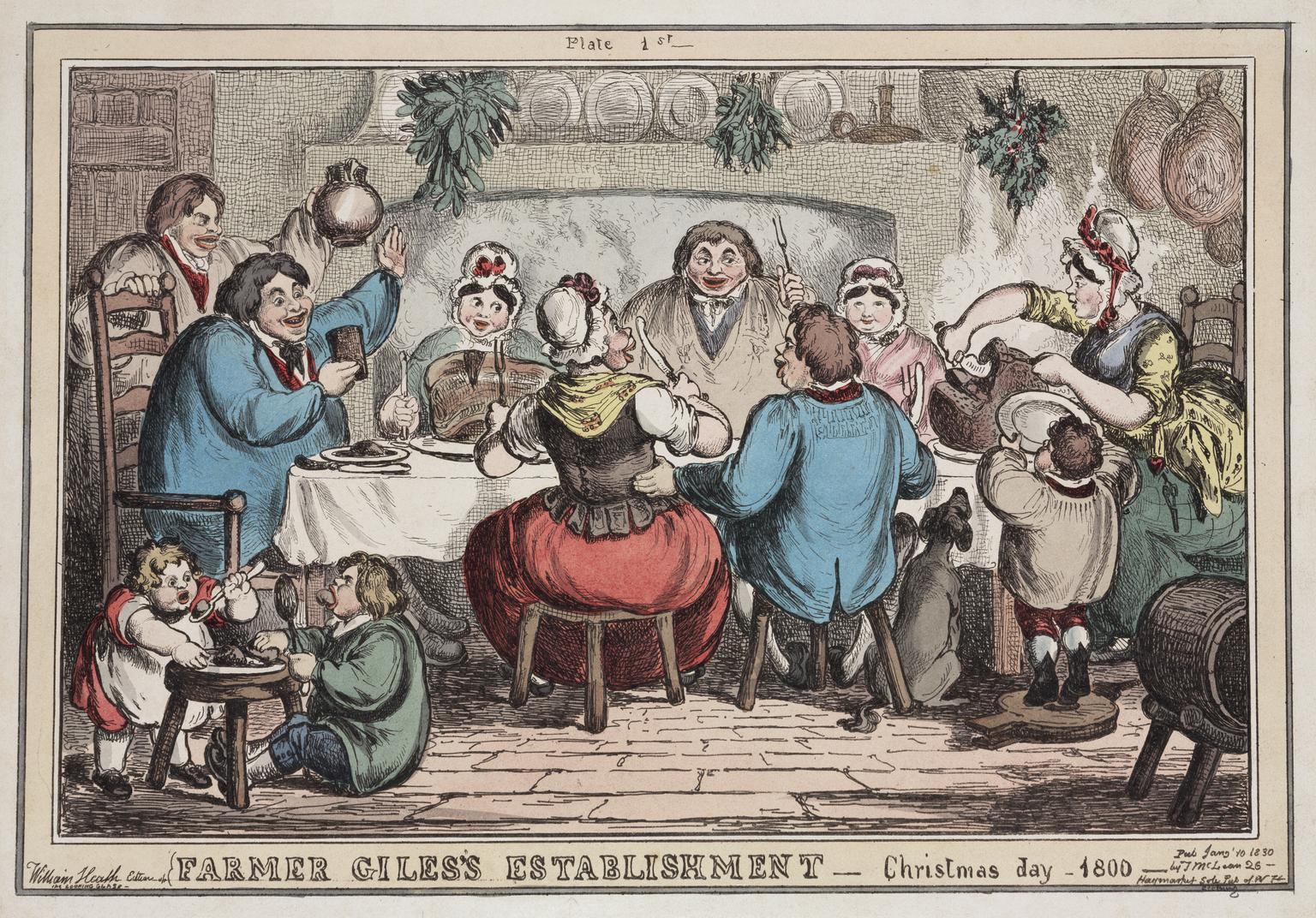
Christmas carries the weight of centuries of traditions: short days are capped with cold and cozy evenings spent with family and friends. However, as our complex and interconnected food practices impact the planet, there are scientists, food producers, and communities around the world who are exploring innovative solutions to create more sustainable ways of producing and consuming food.
Looking towards the future, what might be on our plates for Christmases to come?
CELL-GROWN TURKEY
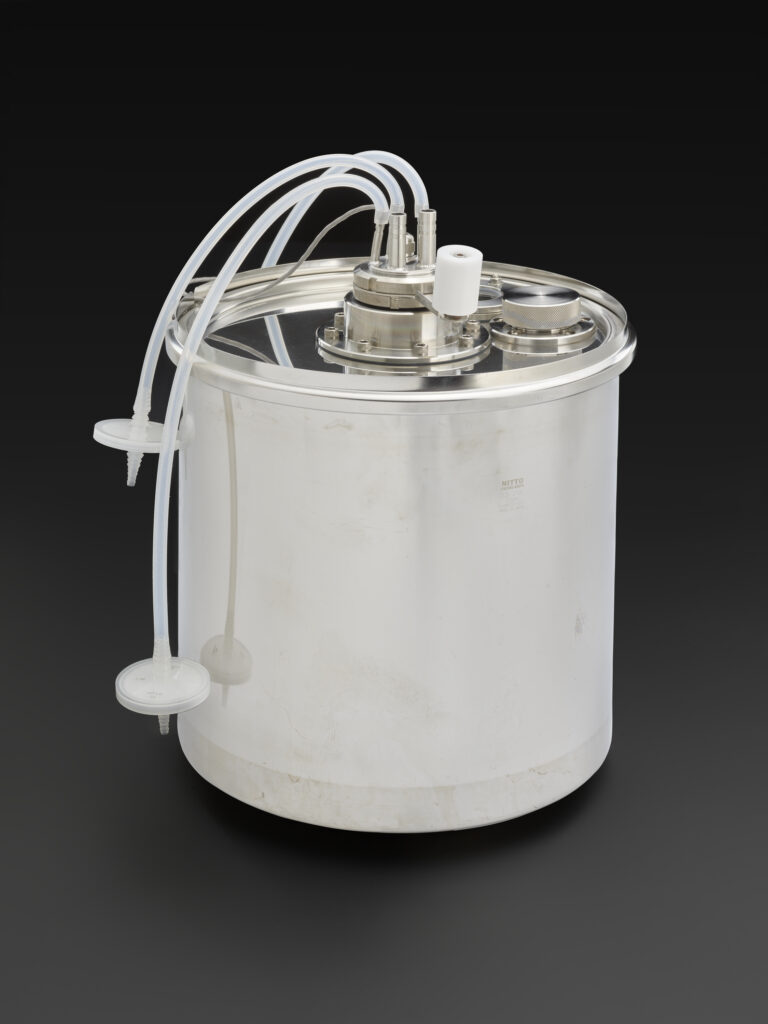
Our air fryers might need to move over on the kitchen worktop to grow our own Christmas Turkeys. Cell-grown meat technologies are still in development for a mass scale but maybe soon we will all be able to choose some meat cells, place it in an old pressure cooker-turned-bioreactor, and voilà: a piece of turkey meat ready to be brined and air fried.
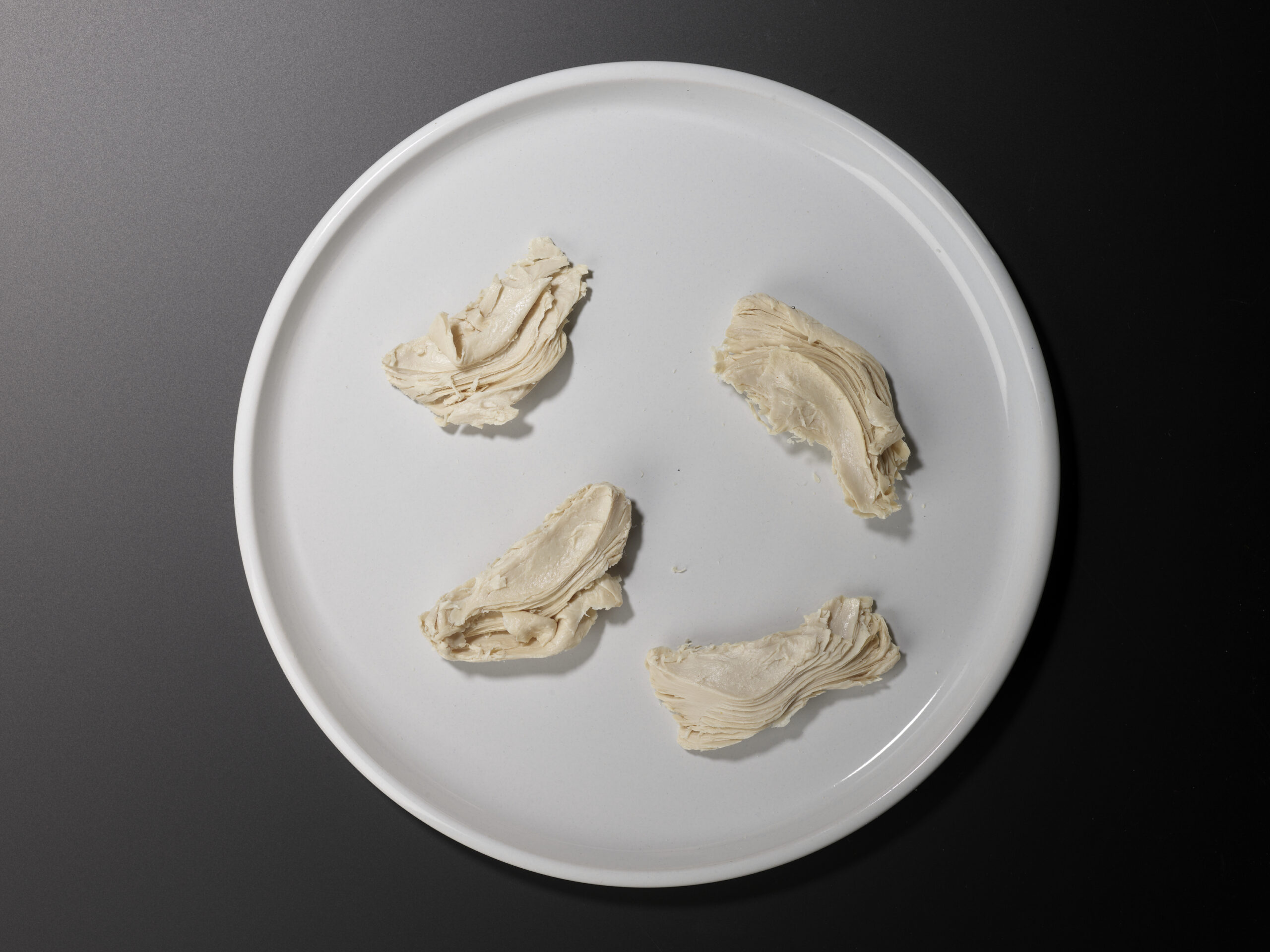
It might sound like science fiction, but a piece of beef steak, chicken breast, saku salmon, and pork sausage (great for pigs in a blanket!) are all on display in the Future of Food exhibition.
Protein rich substitutes for meat like insect-based foods, legumes like locally grown lentils, and meat substitutes like Quorn will likely continue to rise in popularity and may become Christmas staples too.
BLIGHT-RESISTANT POTATOES
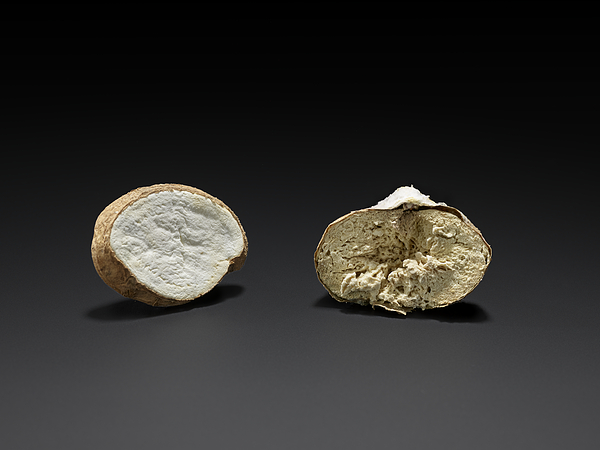
Scientists at the Sainsbury Laboratory in Norwich recently identified a gene from a nightshade plant that when genetically inserted into potatoes prevents the need for fungicides from being applied to crops, removing these intense chemicals which can be harmful to the biodiversity of the local area and to human health.
PALM OIL FREE MARGARINE
In the future, Christmas potatoes could be roasted in palm oil-free margarine.

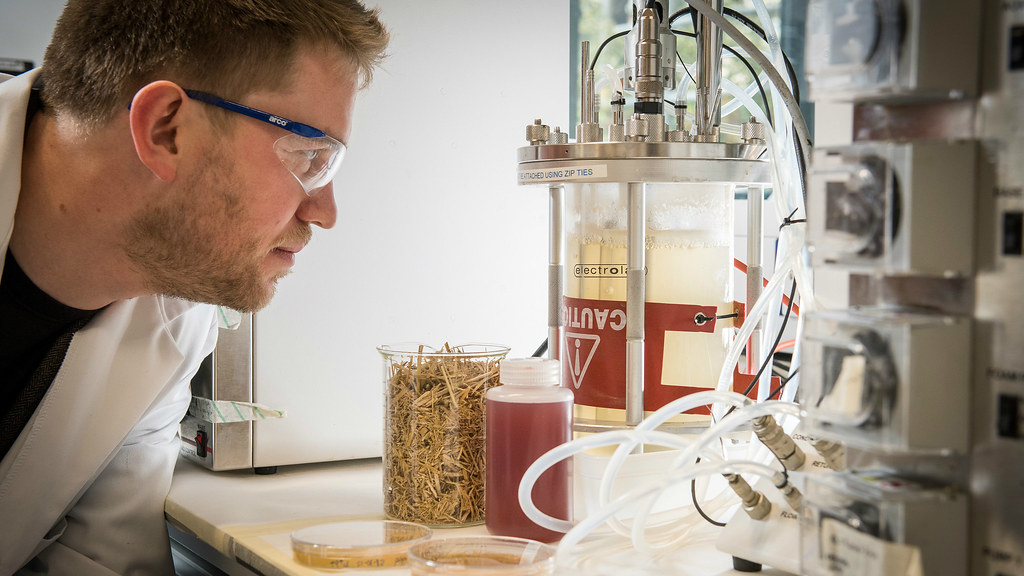
Palm oil production accounts for 8% of global deforestation, making it one of the most destructive crops for the environment. Scientist Chris Chuck (pictured below) from the Clean Food Group, has identified a type of yeast that decreases greenhouse gas emissions by 95% and has the same chemical make-up as palm oil. The process of precision fermentation creates this sustainable alternative, and it does not require any new crops to be grown as the yeast can be fed with coffee grounds, surplus breadcrumbs, and grass.
LAVER
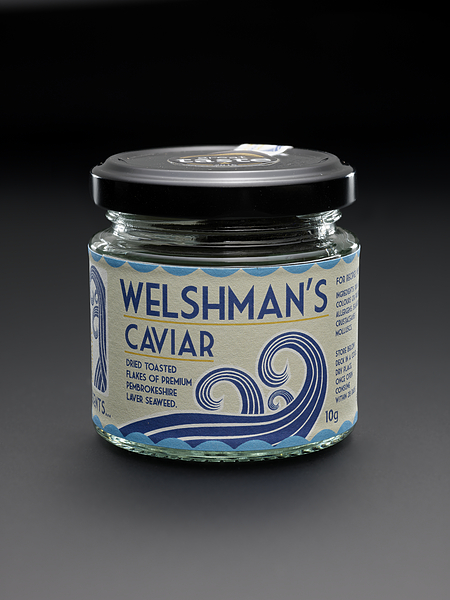
The future could bring back traditional recipes like laverbread from Wales that’s been enjoyed since the 12th century. Laver or lawr, is made of seaweed that has been washed clean from the sand, sweated between two tile stones, shredded until small, and well-kneaded. It is eaten raw (often on toast), fried with oatmeal and butter into a lavercake, or mixed into a recipe like dough for laverdough bread or a Christmas Eve classic like fish pie.
Laver is extremely ecofriendly, supports the health of the local coastline, and is rich in vitamins and minerals, so it could likely grow in popularity as a Christmas staple in the future.
Oceans are the biggest carbon sink on Earth. However, the rising carbon levels in the ocean have increased its acidity, ultimately harming the whole ecosystem. Multispecies seaweed farms offer a solution: shellfish and seaweed cultivated together create cleaner water and are both excellent candidates for Christmas dinner.
LOCALLY GROWN FRUITS & VEGETABLES
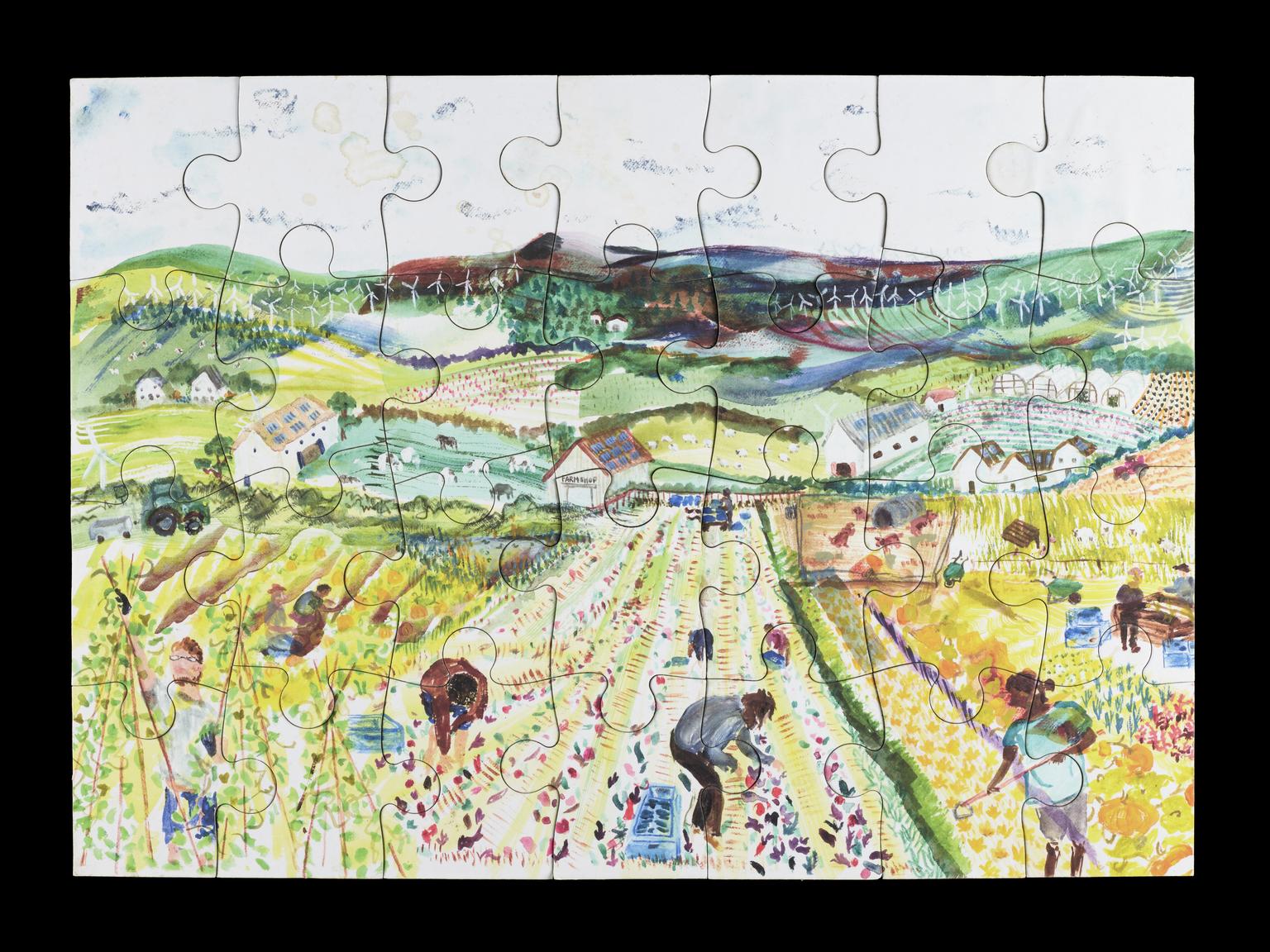
As the warming climate continues to affect the agricultural sector, meals may become more reliant on innovative recipes that respond to changes in local in-season fruits and vegetables. Currently in the winter months potatoes, beetroot, brussels sprouts, carrots, squash, parsnips, leeks, chestnuts, cranberries, apples and pears are all in season in the UK. In the future, there might be other items on our plates.
The growing season has already been extended by 15 days in the past 50 years, which might sound useful, but lengthening the growing season could be detrimental to the health of the soil, plants, and animals consuming them.
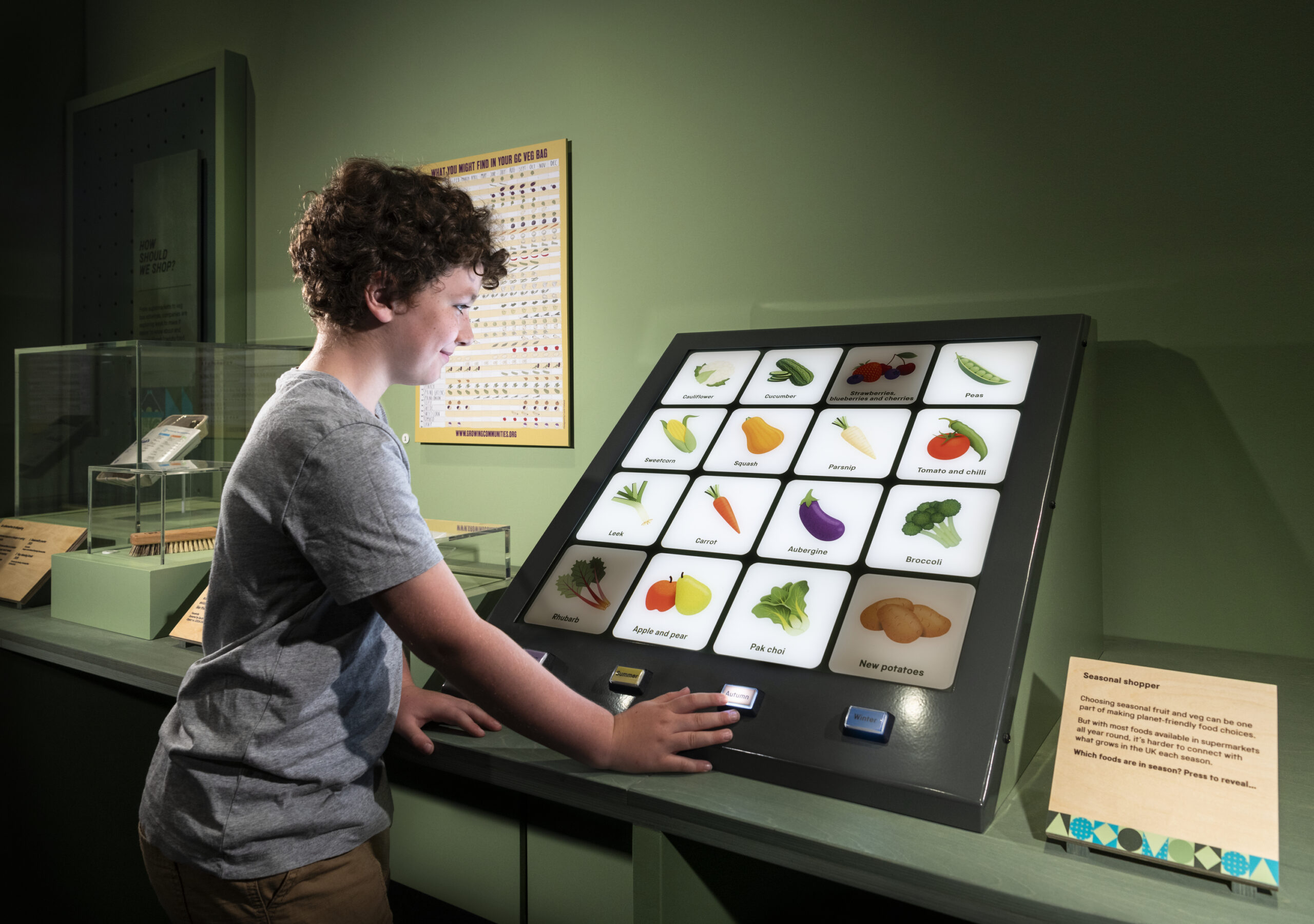
Various tools online can find local vendors for in-season fruit and veg. You can also join a community vegetable box scheme like and plan your Christmas dinner around that week’s delivery.
COMMUNITY COOKING
Community might play an even greater role in the future for Christmas dinners. Community cooking empowers people with the capacity and resources to share knowledge, skills, cost, and time. As a result, it could become easier and more accessible for everyone to cook with whole foods that have high nutritional densities and support local farmers. It may also help incorporate tradition and culture-based recipes, to mitigate food waste, and to adapt to continuous climate-based changes.

The Future of Food exhibition celebrates some of these community initiatives like Made in Hackney, the Disco Soup Cookbook, and Growing Communities.
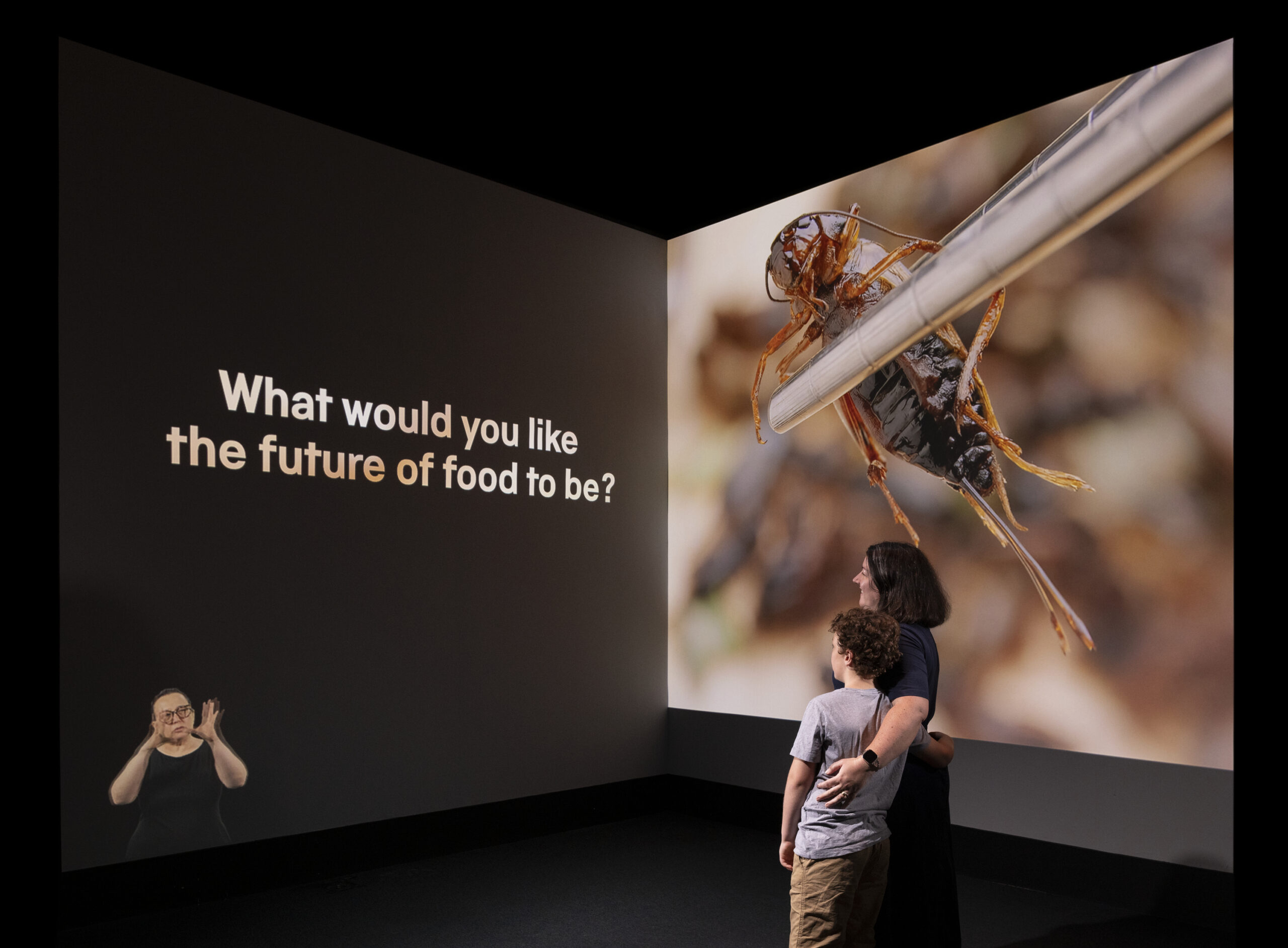
The future of Christmas dinner is one that works for both us and the planet. Our plates will reflect our changing resources, traditions, and cultures in an increasingly globalised world. So as you sit down to eat your Christmas dinner, imagine what the future might hold for the food on your plate.
View our collection website to explore more objects related to food and book a free ticket to visit the Future of Food exhibition at the Science Museum in London, now extended until 1 September 2026.