35 years after his debut, Sonic the Hedgehog remains one of the most famous video games characters ever created.
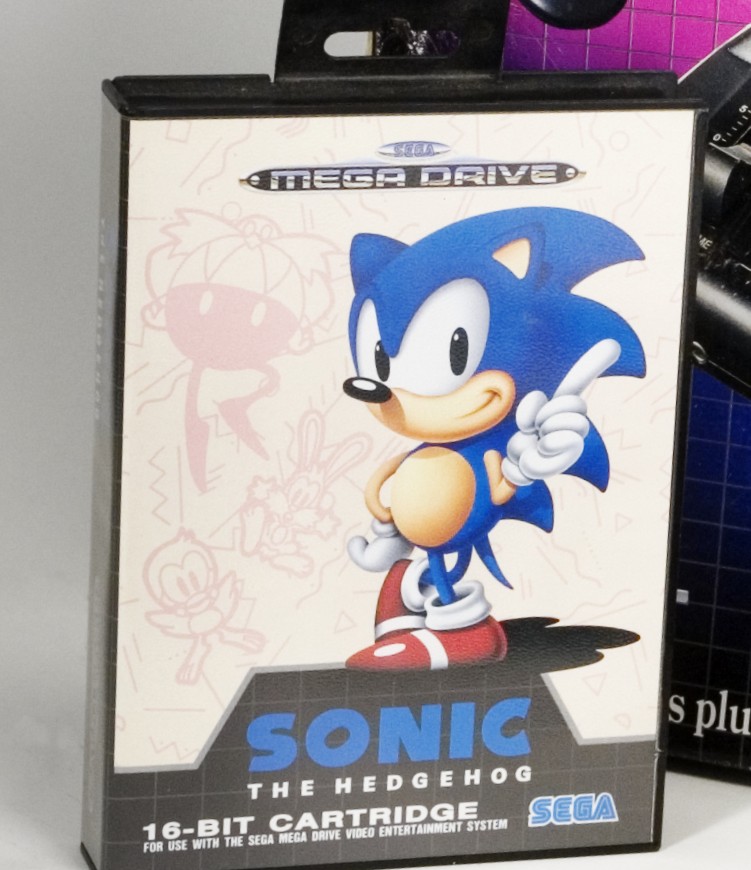
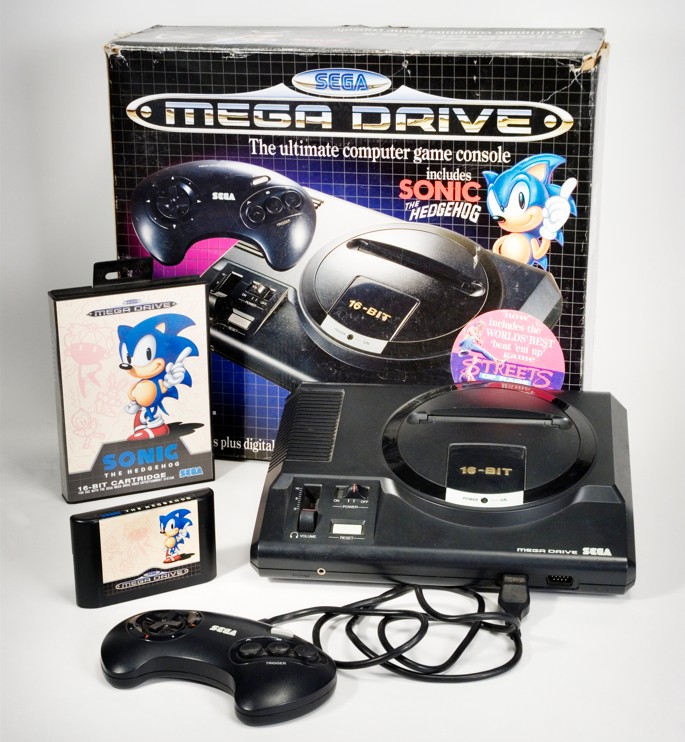
First released by Sega on 23 June 1991 for the Sega Mega Drive, Sonic quickly became one of gaming’s most iconic mascots. Since then, Sonic has appeared in over 100 video games, not to mention comic books, TV series, and blockbuster films. But how much do you know about the blue blur’s origins?
To celebrate the anniversary of the original Sonic the Hedgehog game, we’ve rounded up five surprising facts about Sonic’s creation, design and early history that even some long-time fans might not know.
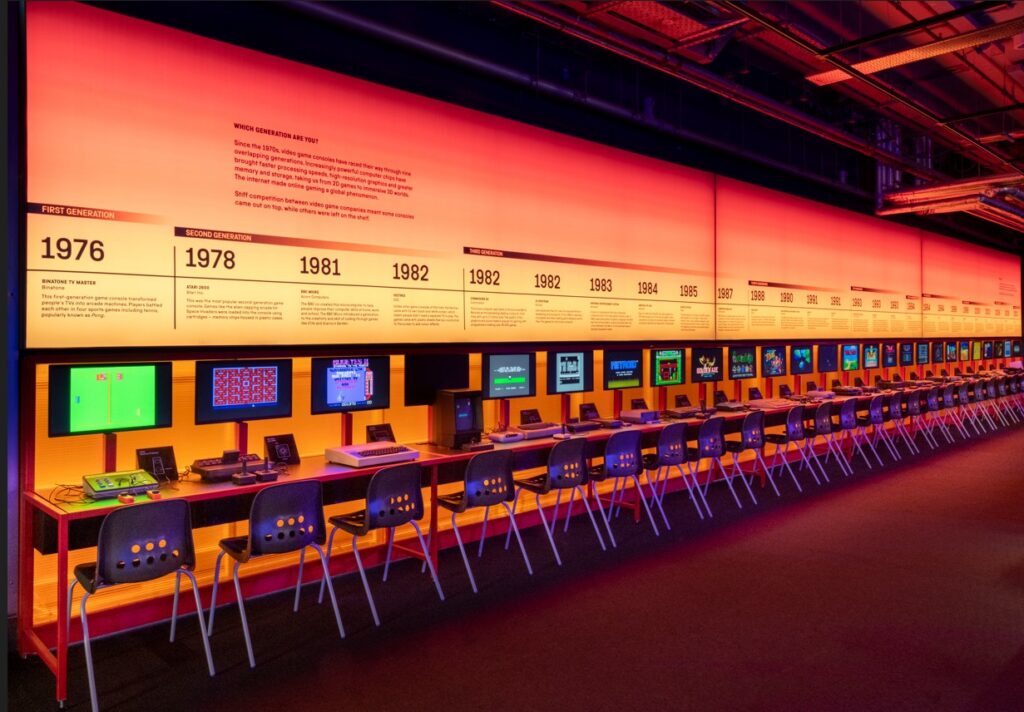
Game fans can also experience Sonic’s evolution first-hand in Power Up at the Science Museum. Home to more than 160 playable video games spanning five decades of history.
1. Sonic was created to beat Mario
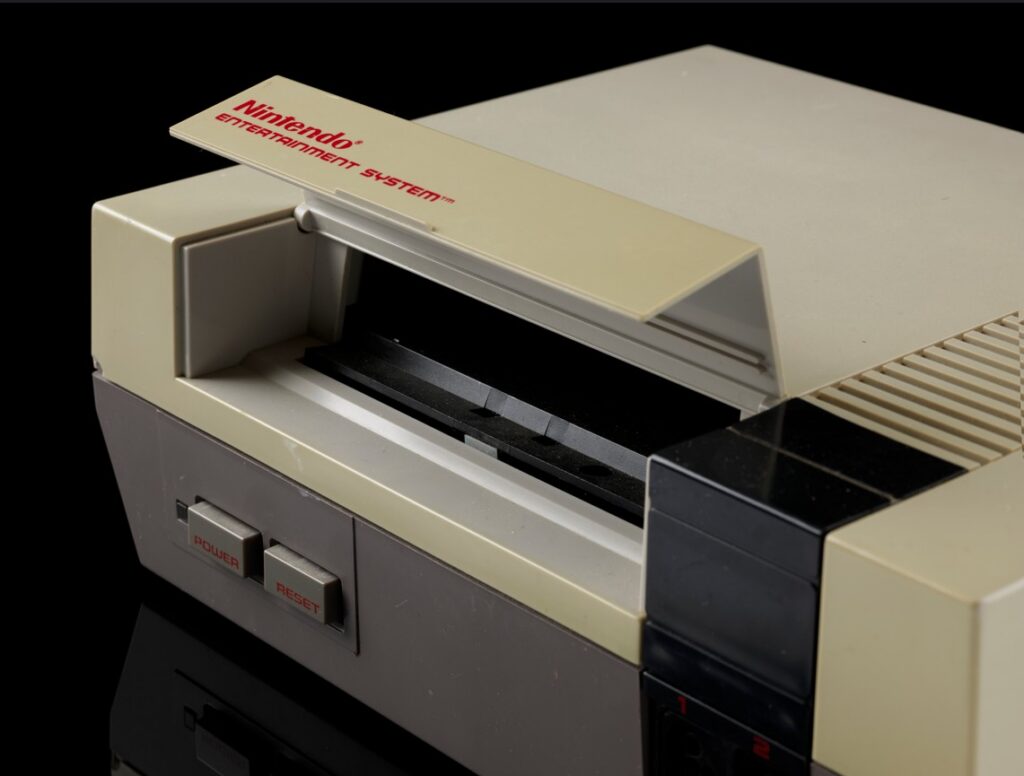
In the early 1990s, Nintendo’s plucky plumber Super Mario dominated the video game world. In fact, the popularity of Mario had helped Nintendo claim over 90% of the home video game market.
Sega needed a mascot equally engaging that could rival the competition and show off the power of their Mega Drive console… Enter, Sonic the Hedgehog.
Sonic’s super speed was designed to set him apart from Mario and he certainly heated up the competition: the game quickly sold million copies, swinging the market in Sega’s favour.
2. Sonic could have been a rabbit, or even an armadillo
One of Sega’s early concepts for Sonic was actually a rabbit that could pick up and throw objects with its ears! But the ears somewhat hampered gameplay and were a little clumsy, so it was back to the drawing board…
The design team decided it would be cool if the character could curl up into a ball to clear obstacles in its path. Two animals were considered with this idea in mind: an armadillo and a hedgehog. The hedgehog won out largely because the spikes looked cooler.
3. The original game design was pretty old school
Despite the 1991 Sonic the Hedgehog game being designed to show off the Mega Drive’s capabilities – a super-fast main character, lots of onscreen objects (like those iconic gold rings), loops and tunnels – the game was mostly designed using good old pen and paper.
The game creators would simply sketch out characters and game levels by hand, then show them to the rest of the team to discuss how they could make it work.
One of the games original creators, Naoto Oshima, said he spent quite a lot of time studying anime to work out how the animation was achieved. He apparently even wanted to include an animation of Sonic dancing – but sadly it never made it into the game.
4. The blue isn’t random
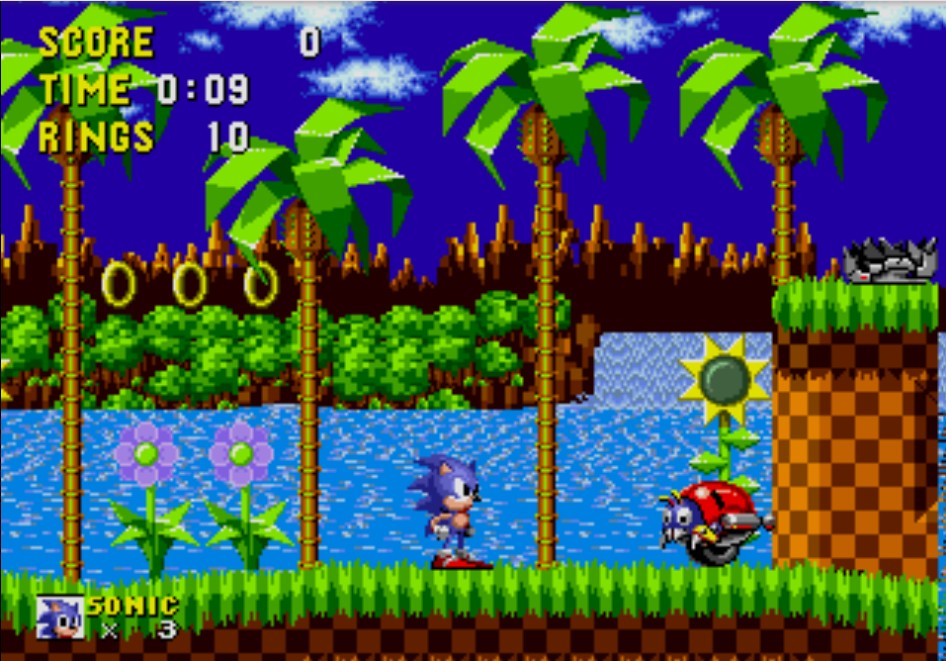
Sonic’s blue colour was chosen for a reason: it was designed to match Sega’s company logo.
The idea was that it would help audiences associate Sonic with Sega. Originally Sonic was a slightly different hue, however, it was changed as the character was blending in too much with the blue waters and sky in the game.
5. Sonic nearly came from Nebraska
Before the official launch of Sonic, the Sega team created a whole backstory for our spiky friend – and one of the ideas was that he originally hailed from Nebraska.
An internal Sega document reportedly included the detail that he was from a small town of just 1,266 and that he lived with his mother and five sisters under a hedge beside a local burger joint…
However, the backstory didn’t stick and the Sonic we know today isn’t from the Midwest, but from a magical universe where hedgehogs run faster than sound and spend their time collecting gold rings, naturally.
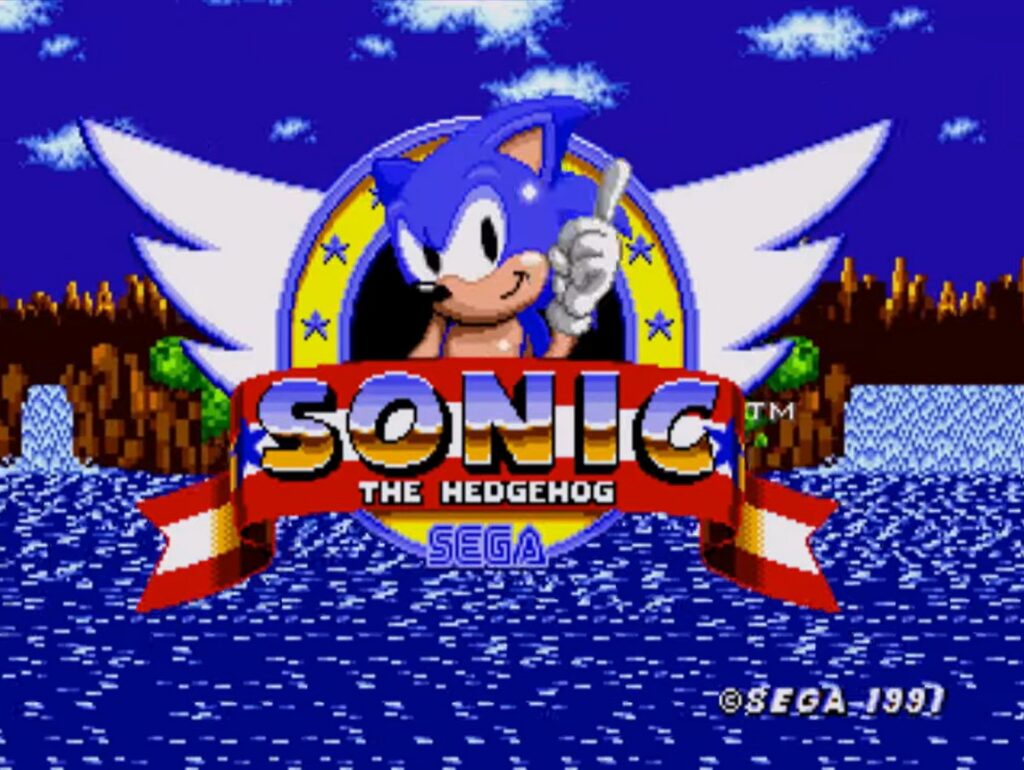
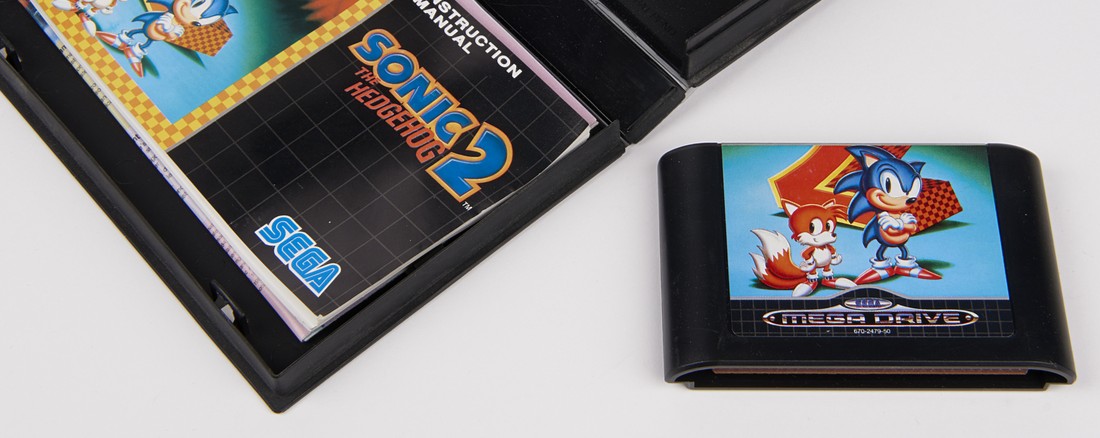
Want to experience Sonic’s history for yourself? Power Up at the Science Museum features playable Sonic games from across the character’s 35-year history, including Sonic the Hedgehog on Master System, Sonic 3D and Sonic the Hedgehog 2 on Mega Drive, and Sonic X Shadow Generations on PS4.
Alongside Sonic, you’ll find more than 160 consoles charting the last 50 years of video games, from the 1970s to today.