During the 2016 Olympic Games in Rio De Janeiro, millions watched as the marathon runners snaked past the latest cultural addition to the city – the spectacular bromeliad-inspired Museu do Amanhã (Museum of Tomorrow).
Fast forward to 2026 and the Museu do Amanhã attracts around one million people per year and is a favourite destination for tourists and visiting VIPs. In November 2025, HRH the Prince of Wales and UK Prime Minister, Keir Starmer, were there for the annual award of the Earthshot Prize.
We have worked with the Museu do Amanhã, our longest-standing international partner, for more than a decade. Over the years, we have exchanged ideas, experience and people, forging friendships as well as professional collaborations – this international working and connectivity is vital to our work to tell global stories of science.
Our current Water Pantanal Fire exhibition and one of the Science Museum Group’s most memorable exhibitions, Amazônia (which was displayed at the Science Museum and Science and Industry Museum in 2021-2022), came about through our links to the Museum do Amanhã.
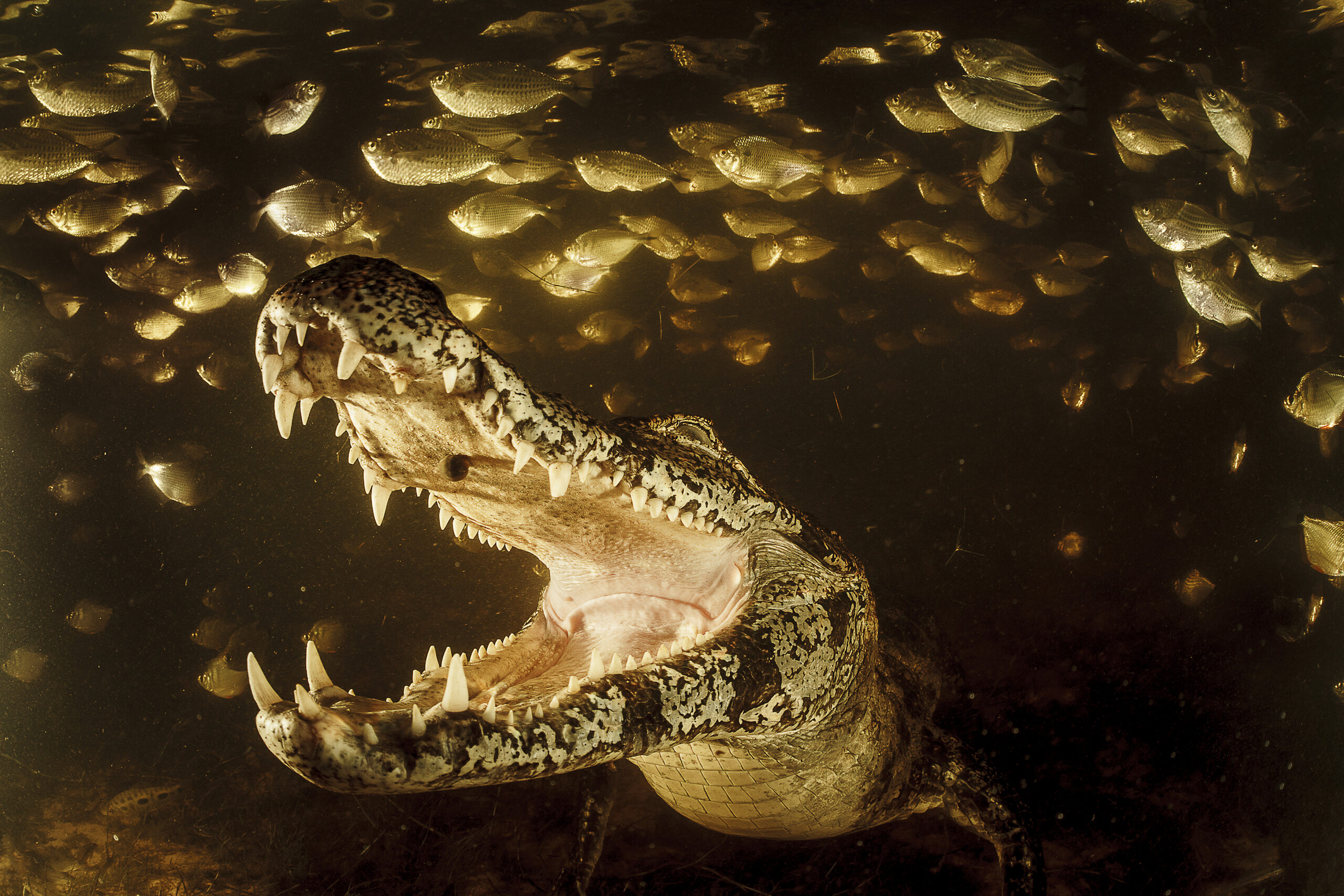
Together, these photographic exhibitions give UK audiences insights into the diversity and beauty of Brazil’s landscapes and the ways of life of its people, but also the threats posed by the climate emergency to Brazil and the whole world. By connecting to Brazil, we can tell global stories.
Sebastiao Salgado’s powerful images of the Amazon rainforest and sensitive portraits of indigenous peoples – enabled by building mutual trust and respect over many years and lent authenticity by Salgado’s environmental campaigning – were supported by an introductory display by the Science Museum, created in collaboration with indigenous groups. The interconnectedness of the Amazon’s indigenous tribes, its ecosystem and the future of the global climate system is further explored in an online exhibition featuring the stunning photography of Mirella Ricardi, Vanishing Amazon.
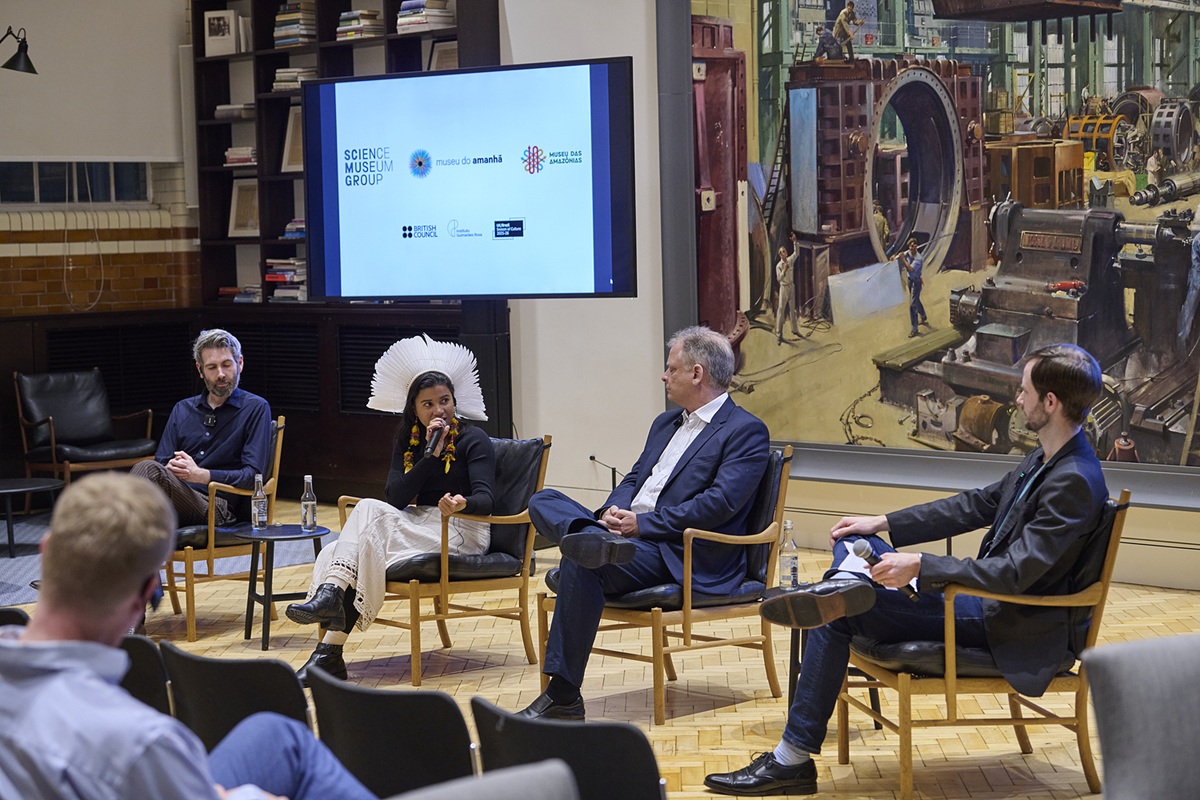
The vast Pantanal wetlands are less well known in the UK than the Amazon. Water Pantanal Fire seeks to change that, revealing the Pantanal’s fragile beauty and vividly illustrating how its incredible biodiversity and its very existence are threatened by damaging fires, exacerbated by increasing temperatures and global heating.
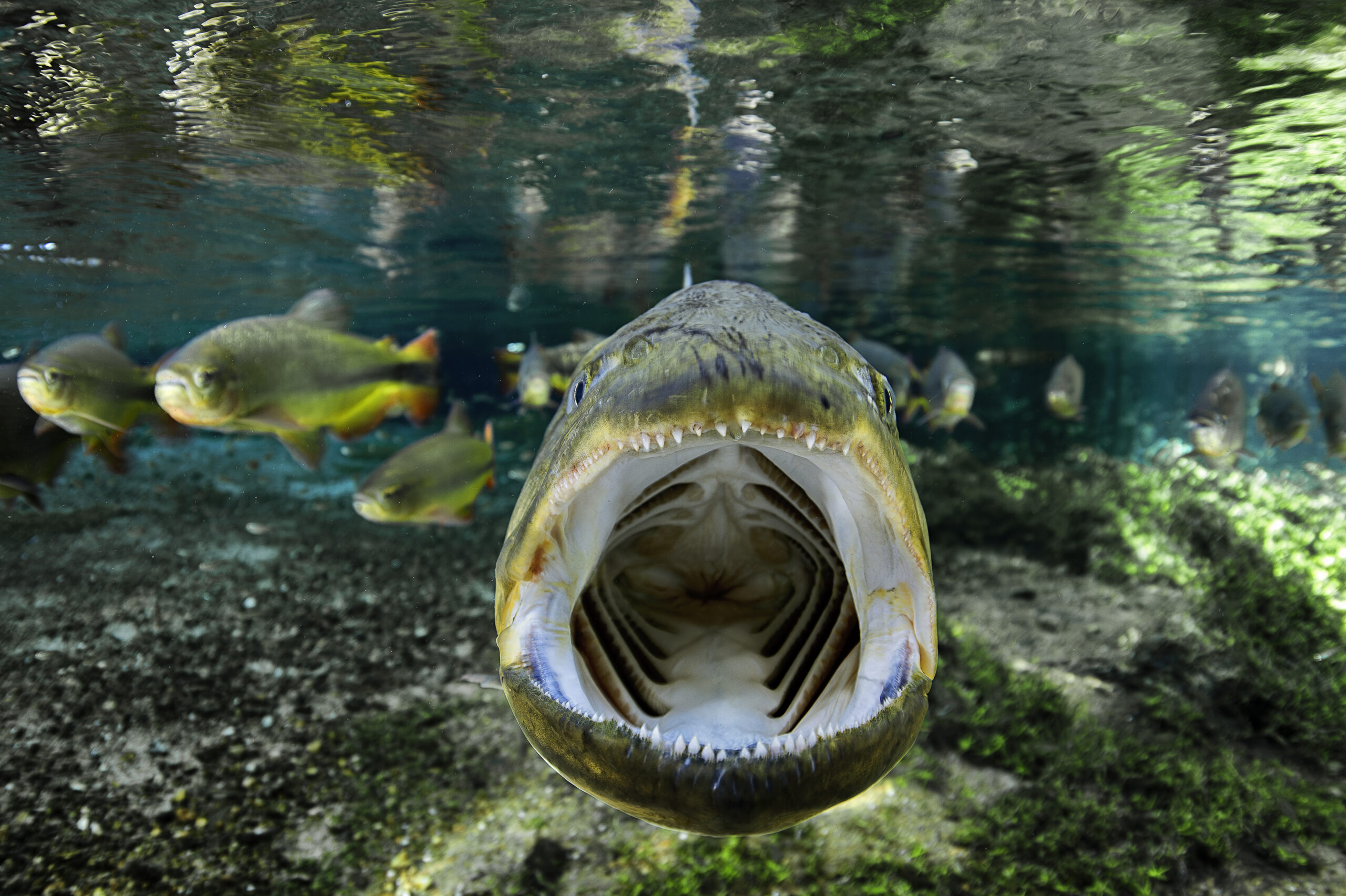
At a recent event at the Science Museum, UK and Brazilian museum professionals considered the role of culture and museums in engaging the public with global heating.
The panel featured Juliana Tupinambá, Director of the National Museum of Indigenous Peoples in Rio de Janeiro, Fabio Scarano, curator of the Museum do Amanha and holder of the UNESCO Chair of Futures Literacy, and Tom Bevan, Head of National Programmes at the Natural History Museum in London.
In this wide-ranging discussion moderated by Oliver Carpenter, the Science Museum’s Curator of Infrastructure and Built Environment, a consistent theme was the power of the emotional resonance that museums can engender through human stories, and their potential to connect with communities and bring under-represented voices to the fore.
Aligning with Brazil’s hosting of COP30 the event was the third in the COP Pathways series, following similar discussions at the Museum do Amanha and the new Museum of the Amazons in Belem, and was supported by British Council Brazil as part of the UK-Brazil Cultural Season 2025/26.
Brazil is home to world-leading innovation. One of the region’s most important biomedical research organisations, Instituto Butantan in São Paulo, played an important role in developing and distributing COVID-19 vaccines.
At the end of 2026, Instituto Butantan announced a new single-dose vaccine against dengue – a serious, mosquito-borne disease that is starting to appear in Europe as climate temperatures rise.
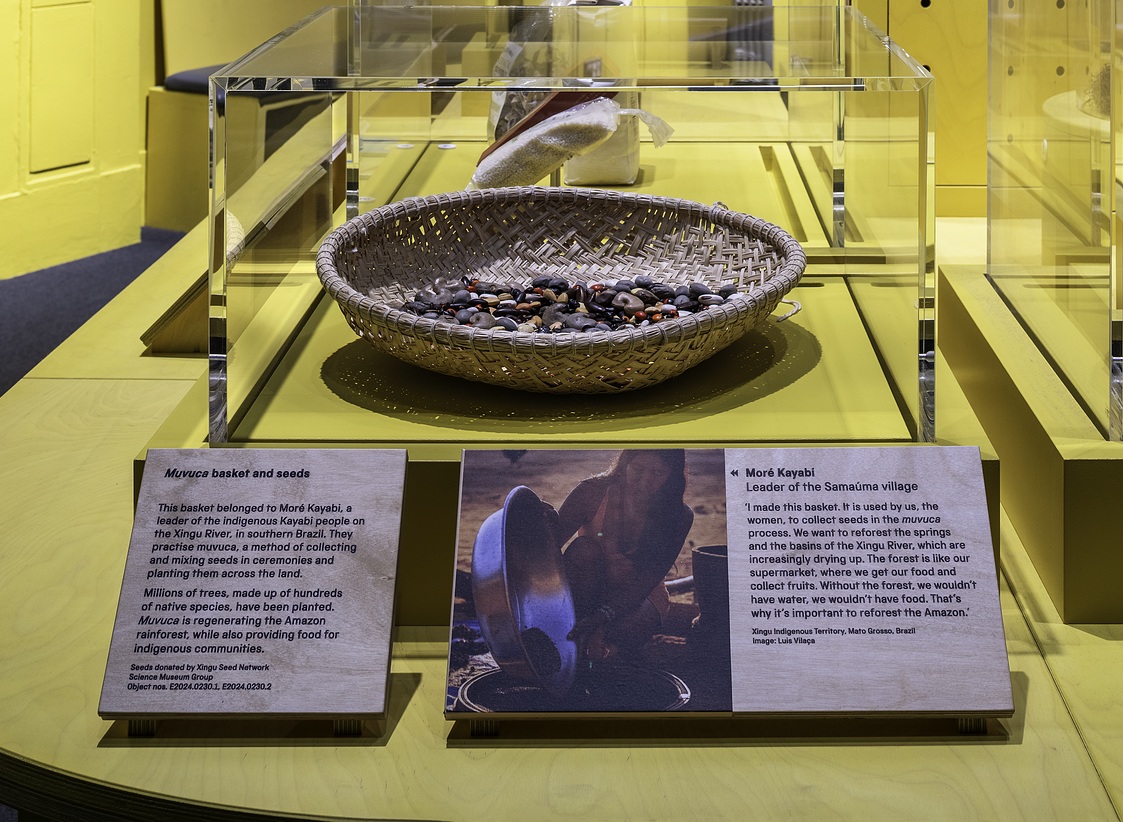
Indigenous groups in Brazil also have an important role to play in our future. The Science Museum’s Future of Food exhibition features seeds and a basket illustrating the muvuca system of collecting and planting seed mixtures as practiced by Brazil’s Kayabi people.
This practice is attracting increasing interest from non-indigenous farmers seeking sustainable methods of food production.
As we celebrate ten years of partnerships in Brazil, we look forward to the next ten years and beyond. Brazil is an enormous and highly diverse country with a rich cultural history and an exciting future. It is a place rich in fascinating stories of scientific research and innovations that we are keen to share with our visitors.